
A home is more than walls and a roof. It is a structural system built on a foundation that carries the entire weight of the property. When that foundation begins to shift, crack, or settle, the consequences move far beyond cosmetic concerns. What may begin as a hairline crack can gradually evolve into sloping floors, separating drywall, stuck doors, plumbing issues, and eventually significant structural instability.
This is why understanding residential foundation repair is essential for homeowners, particularly in regions like Texas where expansive clay soils and dramatic moisture fluctuations place continuous stress on foundations.
Today, we will explore the most common residential foundation repair methods, evaluate their strengths and limitations, and help you determine which approach may be best suited for your home.
Why Residential Foundation Repair Integrity Matters
The foundation supports everything above it — the framing, floors, walls, roofing structure, and even the plumbing system. When it becomes compromised, the structural chain weakens.
Ignoring residential foundation repair problems does not simply risk aesthetics; it risks:
- Progressive settlement
- Water intrusion and moisture buildup
- Damage to flooring and tile systems
- Structural safety concerns in severe cases
- Decline in property value and marketability
The longer the issue is postponed, the more complex and expensive the repairs tend to become. Early detection is not only practical; it is financially beneficial.
Common Warning Signs of Residential Foundation Repair Distress
Residential Foundation Repair issues present themselves in several subtle and not-so-subtle ways. Homeowners should keep watch for the following indicators:
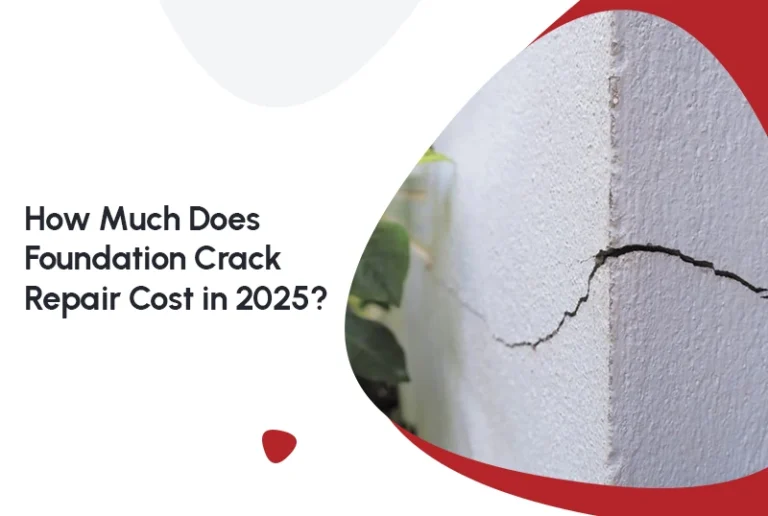
- Cracks in interior drywall or ceilings
- Stair-step cracks in brick or exterior masonry
- Doors or windows sticking or misaligning
- Uneven or sagging floors
- Gaps where walls meet ceilings or floors
- Bouncing or soft flooring in pier-and-beam homes
- Chimney leaning or pulling away from the home
- Water infiltration near the foundation perimeter
Any of these symptoms can indicate beginning or ongoing structural movement and merit a professional evaluation.
Residential Foundation Repair Methods: A Detailed Comparison
1. Concrete Pressed Piers
Application: Slab foundation settlement due to soil movement
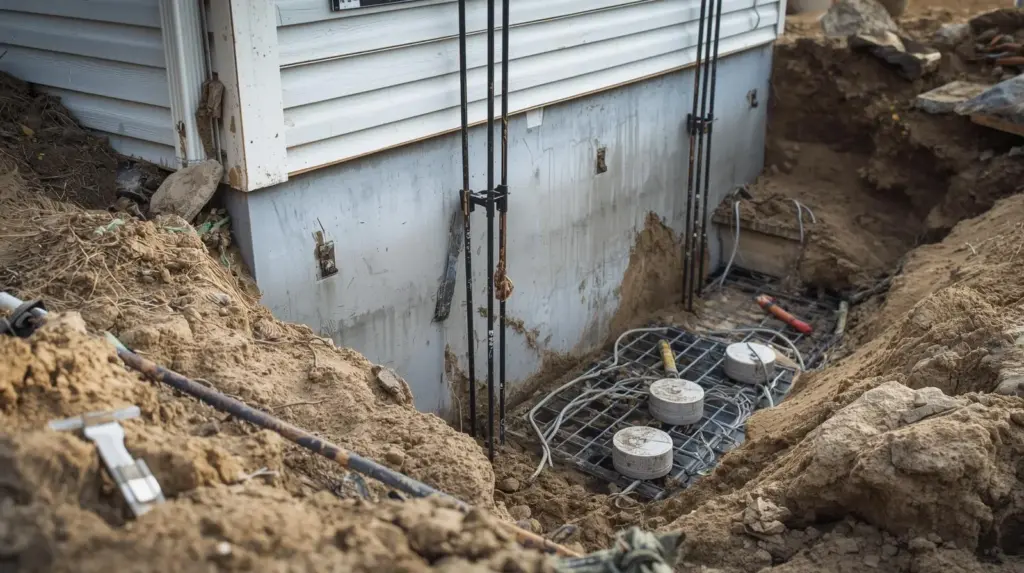
Pressed piers involve driving concrete cylinders deep into the ground beneath the foundation until proper load-bearing soil is reached. Once in place, hydraulic jacks lift the structure back to level.
Advantages
- Cost-effective solution
- Minimally invasive installation
- Strong performance in many Texas soil profiles
Limitations
- Depth depends on soil density and resistance
- Not ideal for extremely unstable soil conditions
Best Application
.Homeowners in Houston neighborhoods often request this method before damage escalates to more invasive repairs to Concrete Slab Foundation Repair Friendswood.
2. Steel Piers
Application: Severe settlement or homes requiring deeper ground support
Steel piers are driven deeper than concrete piers and anchored into stable soil layers or bedrock, providing highly reliable, long-term stability.
Advantages
- Superior depth and strength
- Highly durable with minimal long-term maintenance
- Consistent performance, even in active soil environments
Limitations
- Higher investment compared to concrete
- Requires experienced installation professionals
Best Application
Areas like Richmond frequently use this solution due to soil expansion cycles. For homeowners noticing pronounced settlement, consulting experts in Foundation Repair Richmond is the ideal next step.
3. Helical Piers
Application: Pier-and-beam homes, additions, porches, light structures, areas requiring controlled installation
Helical piers consist of steel shafts with screw-like plates, mechanically rotated deep into the ground. They provide controlled load support with exceptional precision.
Advantages
- Excellent performance in soft or loose soil
- Ideal for lighter structures and limited-access areas
- Quick installation with immediate load capacity
Limitations
- Higher cost per unit than concrete
- Specialized equipment required
Best Application
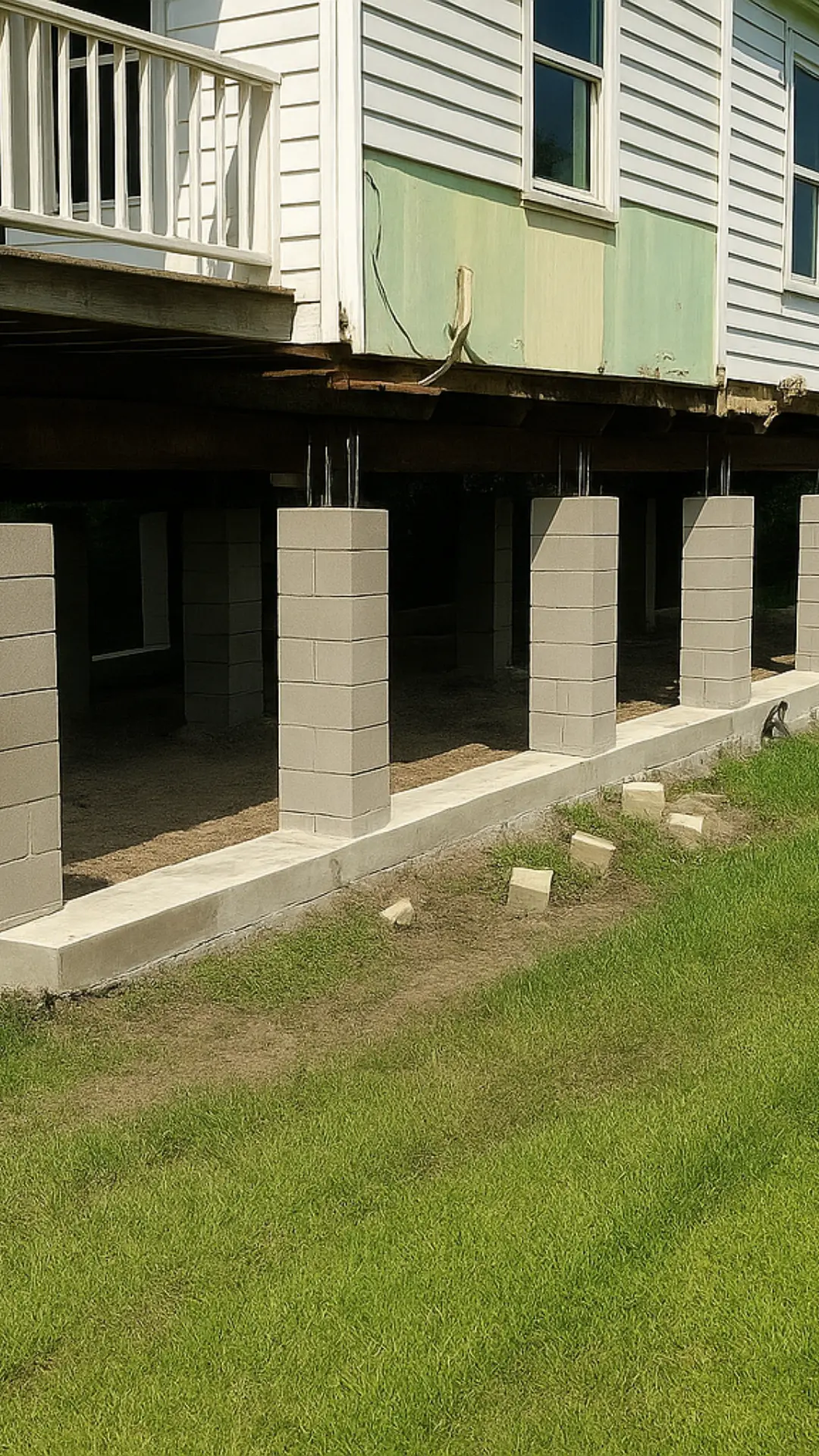
When crawl-space floors begin to sag or wood beams weaken, homeowners typically consult specialists in Pier and Beam Foundation Repair Richmond.
4. Mudjacking (Slabjacking)
Application: Lifting sunken exterior concrete surfaces
Mudjacking involves injecting a cement-based slurry underneath sunken concrete. It raises the slab and improves support.
Advantages
- Economical for sidewalks, driveways, and patios
- Fills voids beneath concrete effectively
Limitations
- Adds weight to soil; not ideal for structural foundations
- Not typically recommended for residential slab foundations
Best Application
Driveways, walkways, patios, and garage floors.
5. Polyurethane Foam Injection
Application: Minor slab leveling and interior concrete adjustment
Polyurethane foam expands beneath the slab, lifting and stabilizing concrete without adding weight to the soil.
Advantages
- Lightweight, high-density material
- Rapid curing — floors usable within hours
- Less invasive than slurry methods
Limitations
- Higher cost than mudjacking
- Best for smaller-scale leveling needs
Best Application
Interior floor leveling in slab homes, garages, and pool decks.
6. Pier-and-Beam Foundation Repair
Application: Crawl-space homes, older properties, moisture-affected wood flooring systems
Residential Foundation Repair often include replacing deteriorated beams, installing new support piers, reinforcing joists, and addressing moisture issues.
Advantages
- Accessible repair environment
- Effective for uneven floors and wood rot solutions
Limitations
- Requires moisture control for long-term success
- Termite-prone environments require additional treatment
7. Under-Slab Tunneling
Application: Plumbing access beneath slab, foundation reinforcement without interior disruption
Rather than breaking through interior flooring, tunnels are excavated beneath the slab to access damaged areas.
Advantages
- Preserves interior flooring and finishes
- Ideal for plumbing leak repair beneath slab homes
Limitations
- Requires skilled labor and safety measures
Many homeowners choose this service in cities like Pasadena, Pearland, and Katy to fix leaks without interior disruption. See service options for Under Slab Tunneling Baytown.
How Soil Conditions Affect the Choice of Residential Foundation Repair
The Gulf Coast and Greater Houston region are infamous for having expansive clay soils, which are highly reactive to changes in moisture levels. When these soils become saturated, they expand, exerting significant pressure against your foundation. On the flip side, during dry spells, they shrink, leaving gaps beneath the foundation. This ongoing cycle of expansion and contraction puts immense stress on the foundation, often causing it to shift and settle unevenly.
Particularly in areas like Sugar Land, Katy, and Richmond, where the clay content in the soil is denser, homes face the greatest risks. In these areas, the soil’s extreme moisture fluctuations can lead to more significant residential foundation repair problems, including cracking, sloping floors, and wall misalignment.
In contrast, regions like The Woodlands and Tomball experience unique challenges due to moisture-related soil issues beneath their pier-and-beam foundations. In these areas, changes in moisture levels can cause the beams to shift, resulting in uneven floors and structural instability.
Understanding the behavior of local soil is crucial when selecting the right residential foundation repair method. Soil dynamics, such as its tendency to expand or contract, directly influence how a foundation settles and the kind of repair needed. That’s why it’s essential to consult with local experts who can accurately assess the specific soil conditions of your property and recommend the best foundation repair solution tailored to the local environment.
Cost Considerations in Residential Foundation Repair
Pricing depends on:
- Soil type and condition
- Severity of settlement
- Repair method selected
- Accessibility around the home
- Plumbing involvement
- Structure size and weight
Foundation repairs range significantly, but addressing issues early remains the best strategy for cost management and structural longevity.
According to the Insurance Information Institute, ground movement and water intrusion account for nearly 30% of homeowner structural claims, and most foundation-related problems are not covered by insurance when resulting from gradual soil movement or neglect.
Why Choose FNF Foundation
FNF Foundation has extensive experience serving Texas homeowners experiencing foundation movement. Our team specializes in:
- Structural diagnostics and elevation assessment
- Slab foundation stabilization
- Pier-and-beam restoration
- House leveling services
- Under-slab tunneling for plumbing and structural access
- Moisture and drainage solutions for crawl-spaces
We proudly serve Houston, Cypress, Tomball, Spring, Katy, Pearland, Friendswood, Richmond, and surrounding regions, offering proven solutions tailored to local soil and climate conditions.
Take the First Step: Professional Assessment
Residential foundation repair problems rarely resolve on their own. The most effective and cost-efficient repair strategy begins with a detailed foundation assessment. Whether you suspect early warning signs or have observed significant settlement, acting promptly ensures structural stability and financial protection.
Schedule your foundation inspection with FNF Foundation today. Our specialists will evaluate your home, explain your repair options clearly, and develop a solution tailored to your property needs and soil conditions.
Secure your investment. Protect your home. Trust an experienced team that understands Texas soil, Texas climate, and Texas homes.
FAQs: Residential Foundation Repair
How long does residential foundation repair take?
Repairs may take from one day to several weeks depending on severity, accessibility, and the repair method employed.
Can I remain in my home during foundation work?
Most residential foundation repairs allow residents to remain inside; minor vibration and temporary noise are expected.
What type of foundation does my home have?
Texas homes primarily feature either concrete slab or pier-and-beam foundations. A technician will confirm the type during assessment.
Can foundation issues reoccur after repair?
Quality repairs are designed for long-term stability. However, addressing drainage and soil moisture remains key to preventing future settlement.
Is foundation repair worth the cost?
Absolutely. Restoring foundation stability protects property value, structural safety, and long-term functionality.