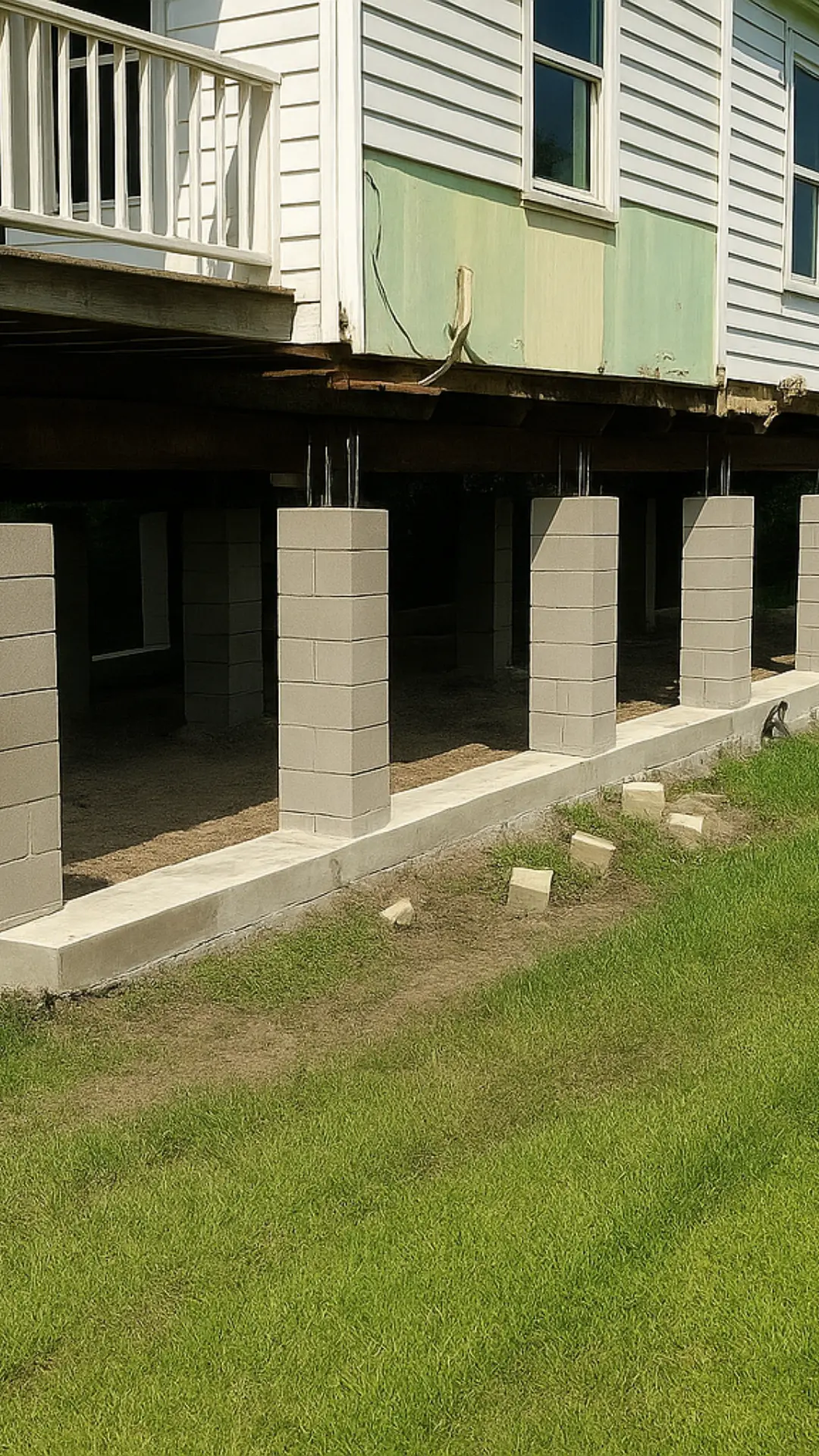
When it comes to creating a healthy, dry, and structurally sound basement, selecting the right vapor barrier basement materials is essential. A vapor barrier is an effective solution for preventing moisture and water vapor from entering the basement, which can lead to a host of problems, including mold, mildew, wood rot, and damage to the foundation. Whether you’re finishing your basement or simply looking to maintain it, choosing the right vapor barrier is crucial for long-term protection. In Spring, Texas, homeowners often face fluctuating temperatures and increased moisture, which makes installing a vapor barrier in basements and crawl spaces essential for preventing foundation issues. Foundation repair Spring, along with moisture control, ensures your home stays dry and structurally secure.
In this comprehensive guide, we’ll discuss the key factors to consider when selecting vapor barrier basement materials, what types are available, and how to ensure you choose the best option for your home. We’ll also dive into why a vapor barrier is necessary, common installation mistakes, and tips for proper maintenance. Let’s get started.
What Is a Vapor Barrier for a Basement?
A vapor barrier basement material is typically a plastic or foil sheet placed on the walls, floors, and sometimes ceilings of your basement to block moisture from seeping in. The goal of using a vapor barrier is to create a continuous impermeable layer that prevents water vapor from coming into contact with your basement’s surfaces, thereby reducing the risk of mold and water damage. This material is especially important in homes with high humidity levels or those located in areas with frequent rainfall.
Why a Vapor Barrier Basement Is Essential
1. Prevent Moisture Intrusion
Moisture buildup in your basement can result from condensation, groundwater seepage, or high humidity levels. Over time, trapped moisture can lead to significant issues like mold growth, deterioration of materials, and a musty odor that permeates throughout the home. Installing a vapor barrier basement material effectively reduces the risk of moisture entering the space.
2. Protect Your Home’s Structural Integrity
Water vapor can weaken your basement’s foundation and support beams, leading to cracks or settling issues. When water vapor is allowed to accumulate in your basement, it can also cause the paint to peel off walls or lead to rusting of metal components. Using a vapor barrier helps protect your home from these structural issues.
3. Energy Efficiency
A vapor barrier basement helps to improve your home’s energy efficiency by insulating your basement from external moisture and temperature fluctuations. Without a vapor barrier, moisture can increase the likelihood of mold and mildew, which leads to inefficient heating and cooling as your HVAC system works harder to manage humidity levels.
Using a vapor barrier in Spring, TX, is crucial to preventing long-term foundation damage. Without proper moisture management, you may end up facing the high costs of foundation repair Spring or require house leveling Spring services due to the shifting foundation caused by excess moisture.
Factors to Consider When Selecting Vapor Barrier Basement Materials
Choosing the right vapor barrier for your basement is a critical step in ensuring the protection and longevity of your home. Below are the factors to consider when selecting a vapor barrier basement material:
1. Type of Basement (Crawl Space vs. Full Basement)
Your choice of vapor barrier basement material largely depends on the type of basement you have. For example, a full basement typically requires a thicker, more durable vapor barrier, while a crawl space basement may only need a lightweight material.
- Full Basement: You’ll want a heavy-duty vapor barrier with a high moisture resistance rating. Common materials for full basements include thick plastic sheeting, polyethylene, and aluminum foil-backed materials.
- Crawl Space: A thinner but still durable vapor barrier is adequate for crawl spaces, such as a 6-mil polyethylene sheet. A vapor barrier with reinforcement might also be necessary if you expect high moisture exposure.
2. Moisture Resistance and Durability
The primary role of a vapor barrier basement material is to prevent moisture from entering. Therefore, moisture resistance is a top priority when selecting materials. Consider materials that are designed specifically for high-moisture environments and that are durable enough to handle prolonged exposure to water vapor.
- Polyethylene Sheets: This is the most common type of vapor barrier used in basements. Polyethylene is affordable, easy to install, and highly effective at preventing water vapor.
- Aluminum Foil Vapor Barriers: These barriers are reinforced with aluminum to provide extra durability and moisture resistance, making them suitable for extreme conditions.
3. Thickness of the Vapor Barrier
The thickness of your vapor barrier basement material is important because it will determine how well it performs in preventing water vapor infiltration. Thicker materials typically offer better protection, but the thickness you need depends on your basement’s moisture levels.
- 6-mil Polyethylene: This is commonly used for moderate moisture issues in basements and crawl spaces.
- 10- or 20-mil Polyethylene: This thicker material is best for basements with significant moisture problems or high water tables. It’s also used for commercial buildings or basements that are particularly vulnerable to water seepage.
4. Permeability Rating
The permeability rating of a vapor barrier indicates how well it resists the passage of water vapor. Materials with low permeability ratings are ideal because they do not allow water vapor to penetrate. Look for materials labeled as “vapor retarders,” which have a permeability rating that prevents water vapor transmission.
- Class I Vapor Barriers: These are considered the most effective at preventing water vapor from passing through. Materials like polyethylene and foil-backed materials fall into this category.
- Class II and III Vapor Barriers: These offer less resistance to moisture but are still useful in less critical moisture-prone areas.
5. Installation Ease and Cost
The cost of the vapor barrier material can vary greatly depending on thickness, durability, and brand. Polyethylene is typically one of the most cost-effective options. However, while price is an important factor, keep in mind that investing in a higher-quality vapor barrier could save you in future repair costs due to water damage.
- DIY-Friendly Materials: Materials like polyethylene are easy to install, even for beginners. Many homeowners choose to install their own vapor barrier basement.
- Professional Installation: If you’re dealing with a significant moisture issue or a large area, hiring a professional might be worth the investment for a thorough installation.
Common Types of Vapor Barrier Basement Materials
Polyethylene Sheeting
Polyethylene is a popular choice due to its affordability, availability, and ease of installation. It is often used for both basements and crawl spaces. This material is effective at stopping water vapor but can tear easily if not handled carefully.
Foil-Backed Vapor Barriers
Foil-backed vapor barriers offer additional protection against moisture and also reflect heat. These barriers are ideal in areas where both moisture resistance and insulation are necessary. They are commonly used in cold climates but can also be effective in hot and humid environments like Houston.
Cement-Based Waterproofing
Cement-based waterproofing materials, such as hydraulic cement, can be applied to foundation walls as a protective coating. While these barriers are not as effective in preventing water vapor from entering, they are ideal for sealing existing cracks and providing additional surface protection.
Spray-On Waterproofing
Spray-on waterproofing materials can be applied directly to the surface of basement walls. These materials provide a strong bond and prevent water from penetrating. They are typically used as a complement to other methods, such as installing polyethylene or foil-backed vapor barriers.
Installation Tips for Vapor Barrier Basement Materials
Installation tips for vapor barrier basement materials and best practice for basements.
- Proper Preparation
Before installing a vapor barrier basement material, make sure the walls and floor are dry and free of debris. Remove any existing mold or mildew to prevent future growth. - Overlap and Seal Joints
Ensure that the vapor barrier sheets overlap by several inches. This will help to prevent any gaps where moisture could sneak through. Use waterproof tape or adhesive to seal all seams. - Cover Entire Surface
Be sure to cover the entire floor and walls with the vapor barrier, leaving no exposed areas. In some cases, you may need to install a secondary barrier to ensure full coverage. - Seal Edges Carefully
Pay special attention to the edges where the vapor barrier meets the walls and floor. Seal these areas tightly to prevent moisture from bypassing the barrier. - Inspect and Maintain Regularly
After installation, inspect your basement for any signs of water intrusion. It’s important to regularly check for any wear and tear in the vapor barrier material.
Conclusion
Selecting the right vapor barrier basement material is a critical step in maintaining a dry, healthy, and structurally sound home. Whether you’re tackling moisture problems in an older basement or protecting a newly constructed one, investing in high-quality vapor barrier materials can save you money on future repairs and prevent potential damage to your home’s foundation. Remember that this simple step can help you avoid costly repairs like pier and beam foundation repair Spring. Protect your home today to keep it stable through all seasons.
When selecting your vapor barrier, consider the type of basement, the climate, and the severity of the moisture issues you’re dealing with. Proper installation is key to ensuring the long-term effectiveness of your vapor barrier. With the right material and care, you can enjoy a dry and healthy basement for years to come.
FAQs
1. What is an alternative to a vapor barrier?
Alternatives to a vapor barrier include:
- Drainage systems: Installing French drains or a perimeter drainage system to divert water away from the foundation, addressing the root cause of moisture before it reaches your basement.
- Dehumidifiers: A whole-house dehumidifier can help reduce moisture levels in basements where installing a vapor barrier might not be feasible.
- Moisture-resistant paints: Specialized waterproof coatings can help reduce moisture absorption on basement walls and floors. However, they may not provide the same level of protection as a vapor barrier.
2. What are the pros and cons of a vapor barrier?
Pros:
- Prevents moisture infiltration: Keeps moisture from entering your basement, helping protect the structure.
- Prevents mold and mildew: Reduces the risk of mold growth caused by trapped moisture.
- Protects foundation: Helps avoid foundation damage from excess water or hydrostatic pressure.
- Energy-efficient: By maintaining dry conditions, it can reduce heating and cooling costs in finished basements.
Cons:
- Can trap moisture: If not installed correctly, it can trap moisture between the barrier and the foundation, leading to mold or decay.
- Installation cost: The process of installing a vapor barrier can be labor-intensive and expensive, particularly for large basements.
- Maintenance: A vapor barrier requires periodic inspections to ensure no damage, tears, or moisture buildup occurs.
3. How long will a vapor barrier last?
A well-installed vapor barrier can last between 15 to 20 years or more, depending on the quality of materials and the environmental conditions in the basement. Polyethylene vapor barriers are the most common, with a lifespan of up to 20 years, but they can wear out sooner in high-moisture environments. Regular maintenance and inspections are necessary to ensure its longevity.
4. Does vapor barrier in basement cause mold?
No, a vapor barrier itself does not cause mold. However, if moisture gets trapped between the barrier and the wall, it can create an environment conducive to mold growth. Proper installation, including ensuring there is adequate ventilation and a drainage plan, will help prevent moisture buildup behind the vapor barrier.
5. Where to place a vapor barrier in basement?
In a basement, the vapor barrier is typically installed on the floor and walls:
Behind insulation: For extra protection, the vapor barrier is often placed behind insulation on exterior walls. This helps keep moisture from reaching the wall and insulation.
On the floor: It should cover the entire floor surface, with seams overlapping and sealed to prevent moisture from seeping through the cracks in the concrete.
On the walls: Install the vapor barrier directly on the foundation walls, making sure it covers the lower portion of the wall near the floor. If you’re finishing the basement, the barrier should be placed before drywall or insulation is added.