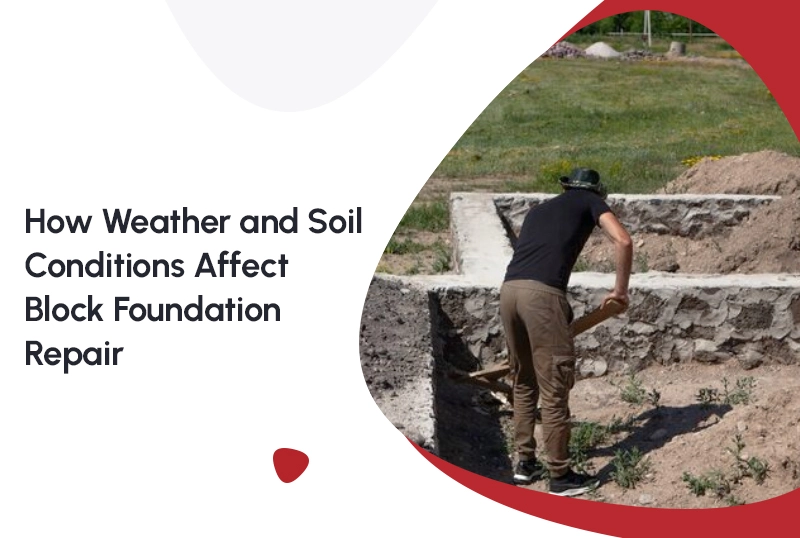
If your home’s block foundation is starting to look like it went ten rounds with Mother Nature, you’re not imagining things. Weather and soil conditions play a massive role in the stability, lifespan, and needs of block foundation repair. Whether you’re dealing with cracks, bowing walls, soil shifting, or moisture issues — understanding the “why” behind these problems is half the battle.
Today, we’re diving deep into how weather and soil conditions affect Block Foundation Repair, all in a fun and easy-to-understand way.
Get ready. Your foundation is about to get the attention it deserves!
Why Weather Matters in Block Foundation Repair
Think of your block foundation as a hardworking superhero. It supports your entire house, keeps moisture out, and stays steady (most of the time). But even superheroes have weaknesses — and for block foundation repair, the villains are temperature, rainfall, and long-term climatic patterns.
1. Hot, Dry Weather = Soil Shrinkage
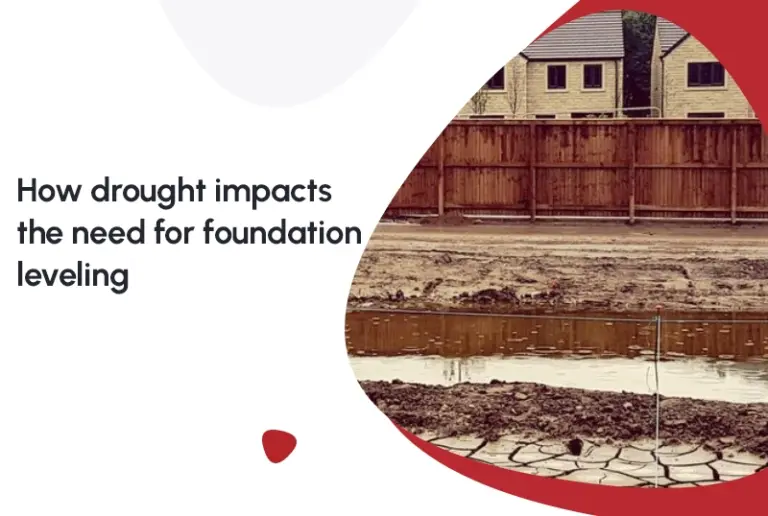
When temperatures spike especially during Texas summers the soil around your home dries out and shrinks. This shrinkage creates voids and gaps, leaving parts of your foundation unsupported.
As a result, your home may experience:
- Cracks in block walls
- Gaps forming near windows or doors
- Uneven floors
- Stair-step cracks on exterior block walls
According to the U.S. Department of Agriculture, approximately 25–30 percent of U.S. homes sit on expansive clay soils that shrink during dry seasons and swell afterward.
This expansion and contraction cycle puts enormous pressure on block walls making Block Foundation Repair necessary more often in clay-heavy regions.
2. Heavy Rain = Soil Expansion & Hydrostatic Pressure
When the rain pours, the soil absorbs water and swells. That swelling pushes against your block foundation, and the pressure can become intense especially after long periods of drought.
This is called hydrostatic pressure, and it can lead to:
- Bowing or leaning block walls
- Horizontal cracks
- Water seepage
- Complete foundation shifts
Moisture is involved in 80 percent of all building foundation problems. When the soil becomes oversaturated, your block foundation essentially becomes a punching bag for expanding earth.
3. Freeze–Thaw Cycles = Crack Formation
In colder climates, homes face another villain: the freeze–thaw cycle.
Here’s what happens:
- Water enters small gaps in the block wall.
- The water freezes → expands by 9 percent.
- The expanded ice widens the crack.
- The cycle repeats.
Even if you live in a moderate climate, cold snaps can accelerate block foundation repair damage, especially if moisture is already present in the blocks.
How Soil Type Impacts Block Foundation Repair
Not all dirt is created equal. Some soils play nice with foundations — others cause chaos.
Let’s break it down.
1. Clay Soil (AKA: The Drama Queen)
Clay swells when wet and shrinks when dry, making it the most unstable soil type for foundations. Nearly 25 percent of U.S. homes will experience structural distress due to expansive soils.
What clay soil does:
- Puts pressure on block walls
- Causes uneven settling
- Leads to repeated cracking
- Interrupts drainage patterns
If your home sits on clay (most of Rosenberg and surrounding areas do!), you must monitor your foundation closely.
If you’re already dealing with structural issues in clay-heavy neighborhoods, you may also want to explore foundation repair Rosenberg for more localized guidance.
2. Sandy Soil (The Easygoing One)
Sandy soil drains well and doesn’t expand much — making it far foundation-friendlier.
But don’t celebrate too soon.
In storms or shifting weather patterns:
- Sandy soil can erode
- Gaps may form beneath block walls
- Foundation settling may accelerate
3. Loam Soil (The Balanced, Peaceful Middle Child)
Loam is the ideal soil: a blend of sand, silt, and clay.
It:
- Provides good drainage
- Maintains stability
- Minimizes swelling
Homes built on loam soil generally face fewer block foundation repair issues — but even loam isn’t immune to extreme weather cycles.
Real-Life Impact: When Weather and Soil Work Together
Here’s what typically happens around a block foundation repair:
• Dry spells → Soil shrinks → Foundation drops
During long periods without rain, the soil loses moisture, contracts, and pulls away from the foundation. As the ground becomes less dense and supportive, sections of the foundation can settle unevenly. This often leads to sloping floors, sticking doors/windows, and the early stages of foundation cracking.
• Sudden rainfall → Soil rapidly swells → Blocks crack
When heavy rain follows a dry period, the soil absorbs water quickly and expands. This sudden swelling pushes against the foundation walls with significant lateral pressure. Block walls, especially older or unreinforced ones, can crack, shift, or bow inward under this force.
• Temperature swings → Expanding/contracting materials → Gaps and bowing walls
Rapid changes in temperature cause both the soil and the building materials to expand when warm and contract when cold. Over time, this repeated cycle creates stress points. You may see gaps between blocks, separation at corners, or walls beginning to bow as materials respond differently to the temperature changes.
• Improper drainage amplifies everything
If water isn’t directed away from the home because of clogged gutters, poor grading, or faulty downspouts it collects near the foundation. This leads to oversaturated soil, increased hydrostatic pressure, and faster shifting of both soil and walls. Problems that might have developed slowly become more severe, more quickly and leads to block foundation repair.
Whenever weather conditions cause the soil to shrink, swell, freeze, thaw, or hold excess water, the soil moves, sometimes subtly, sometimes dramatically. And because your block foundation sits directly on and against that soil, it moves right along with it. Every one of these movements introduces stress, which eventually shows up as cracks, gaps, or structural distortion in your foundation walls and then block foundation repair becomes essential.
How Weather Affects Common Block Foundation repair Problems
Cracks Along Mortar Joints
These often develop when the soil around the foundation shrinks during long dry periods or expands during heavy rains. Shrinking soil causes parts of the foundation to settle, creating stress along the mortar lines. Conversely, saturated soil exerts hydrostatic pressure that pushes against the wall, also leading to cracking along the joints.
Horizontal Cracks
Horizontal cracks are one of the most serious warning signs in a block foundation repair. They typically form when excessive hydrostatic pressure from saturated soil pushes directly against the wall. The wall begins to bow or bend inward, and the pressure concentrates along a horizontal line, causing a long, straight crack to appear. This type of crack signals that the structure is struggling to resist soil pressure.
Bowing Walls
Bowing occurs when the lateral pressure from expanding or water-logged soil becomes too strong for the foundation wall to resist. As the soil presses inward, especially after heavy rains or melting snow, the wall begins to curve inward. Temperature swings can worsen the problem by causing the blocks to contract and expand, weakening the wall’s ability to hold its shape.
Water Seepage
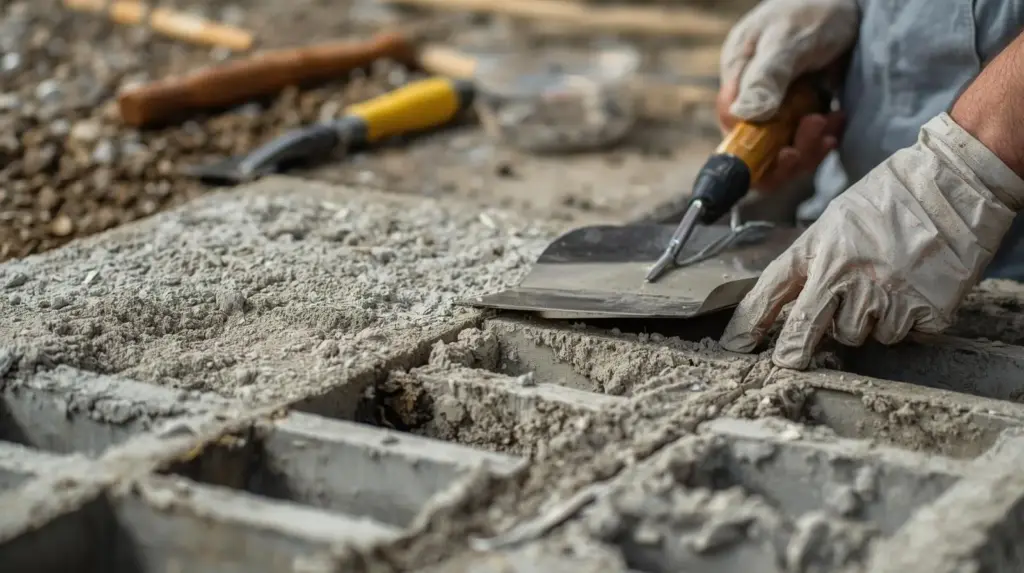
Concrete blocks are naturally porous, meaning water can pass through them when the surrounding soil holds moisture. Poor drainage, heavy rainfall, or rising groundwater levels make this worse. Over time, small amounts of moisture can seep through the block faces or mortar joints, leading to damp walls, efflorescence (white mineral deposits), or even puddles in the basement.
Stair-Step Cracks
These zigzag cracks usually appear in the mortar between blocks and indicate differential settlement—meaning one part of the foundation has moved more than another. Weather plays a major role here: extended dry spells cause soil shrinkage and voids, while rapid wetting causes swelling and shifting. This uneven movement shows up as stair-step cracks, a sign that the foundation is settling or rotating in an uneven pattern.
How block foundation Repairs Are Determined Based on Weather & Soil Damage
Depending on what weather and soil conditions have caused, contractors may recommend:
- Carbon fiber straps
- Wall anchors
- Grouting
- Exterior drainage solutions
- Soil stabilization
- Block replacement
- Full foundation reinforcement
If your home is older or built on shifting soil, you may also consider reading about house leveling service Rosenberg to understand leveling options in structural repair.
Maintenance Tips to Prevent Weather-Related Block Foundation repair Damage
1. Maintain Consistent Soil Moisture
Extreme drought causes the soil to shrink and pull away from the foundation, leading to settlement and cracking. During long dry spells, lightly water the soil around your home to keep moisture levels consistent. This doesn’t mean soaking the ground—just enough to prevent excessive drying and contraction. Using mulch around the perimeter can also help retain moisture and reduce temperature extremes in the soil.
2. Improve Drainage Around the Home
Proper drainage is essential for reducing hydrostatic pressure on block walls. Make sure your gutters are clear and functioning, and ensure downspouts release water at least 6–10 feet away from the foundation. Consider installing a French drain or perimeter drain system if water tends to pool near the home. Effective drainage keeps the soil from becoming oversaturated and expanding against the walls.
3. Monitor Cracks Early and Often
Even small cracks can be early indicators of shifting or weakening structural conditions. Check your basement or crawlspace walls regularly especially after major weather events like heavy rain or long dry periods. Address minor cracks promptly with professional evaluation or reinforcement before they widen and cause more serious problems such as bowing, displacement, or water infiltration.
4. Regrade Your Landscape for Proper Soil Slope
Over time, soil settles naturally and can begin to slope toward your foundation instead of away from it. Regrading ensures rainwater flows away from the structure, reducing moisture buildup and soil expansion. A proper slope should drop about 6 inches over 10 feet. Adding topsoil and compacting it gently can restore the correct grade and keep water from collecting near foundation walls.
5. Seal Block Walls to Reduce Moisture Penetration
Concrete blocks are porous, and moisture can seep through—especially during wet seasons. Applying a high-quality, moisture-resistant coating or masonry sealer helps protect against water intrusion, mold growth, and efflorescence. For basements that already have moisture issues, consider combining a waterproof coating with interior drainage solutions for added protection.
Final Thoughts
Weather and soil conditions are two powerful forces constantly battling your block foundation repair. The more you understand them, the better prepared you are to protect your home. Whether you’re dealing with clay soil, heavy rainfall, drought cycles, or freeze–thaw conditions, timely Block Foundation Repair is your best defense.
Homeowners with crawlspace or pier foundations often explore pier and beam foundation repair Rosenberg when moisture-related issues affect wooden beams.
And remember:
Foundations don’t fix themselves. Catch problems early, and your home stays safe for decades.
FAQs
1. How much does it cost for a block foundation repair?
Typical costs range from $2,000 to $10,000, depending on the damage, soil conditions, and repair method. Major structural reinforcement may cost more.
2. Can concrete block foundations be repaired?
Absolutely. Techniques like carbon fiber straps, wall anchors, epoxy injections, block replacement, and drainage correction are commonly used.
3. What is the life expectancy of a cinder block foundation?
A well-maintained block foundation repair can last 70–100 years. Moisture control and soil stability matter more than the blocks themselves.
4. What are the disadvantages of cinder block homes?
- Porous → absorbs moisture
- Prone to cracking under soil pressure
- Lower insulation value
- Requires consistent maintenance
5. How do you repair a crumbling cinder block wall?
Repairs may include:
- Removing damaged blocks
- Applying waterproof sealants
- Injecting epoxy
- Replacing mortar
- Reinforcing with carbon fiber
6. Can you replace a foundation without lifting the house?
No. Foundation replacement requires lifting the structure to safely remove and rebuild the base.
7. Is a block foundation repair cheaper or its Replacement?
Repairing is almost always cheaper. Replacement is only recommended when the foundation has failed entirely, which is rare.