Your home represents one of life’s most significant investments, and its structural integrity forms the foundation of safety, comfort, and value. When structural problems develop, understanding home structure repair becomes essential for every homeowner. Structural issues don’t improve with time they worsen, often exponentially, making early detection and professional intervention critical. Whether you’re noticing subtle warning signs or dealing with obvious structural damage, knowing when and how to approach home structure repair can save thousands of dollars and prevent catastrophic failures that compromise your home’s safety and value.
Understanding Home Structural Systems
Before exploring home structure repair solutions, understanding how structural systems work helps homeowners recognize problems early. Every home relies on integrated structural components working together to support loads, resist environmental forces, and maintain stability.
Foundation Systems
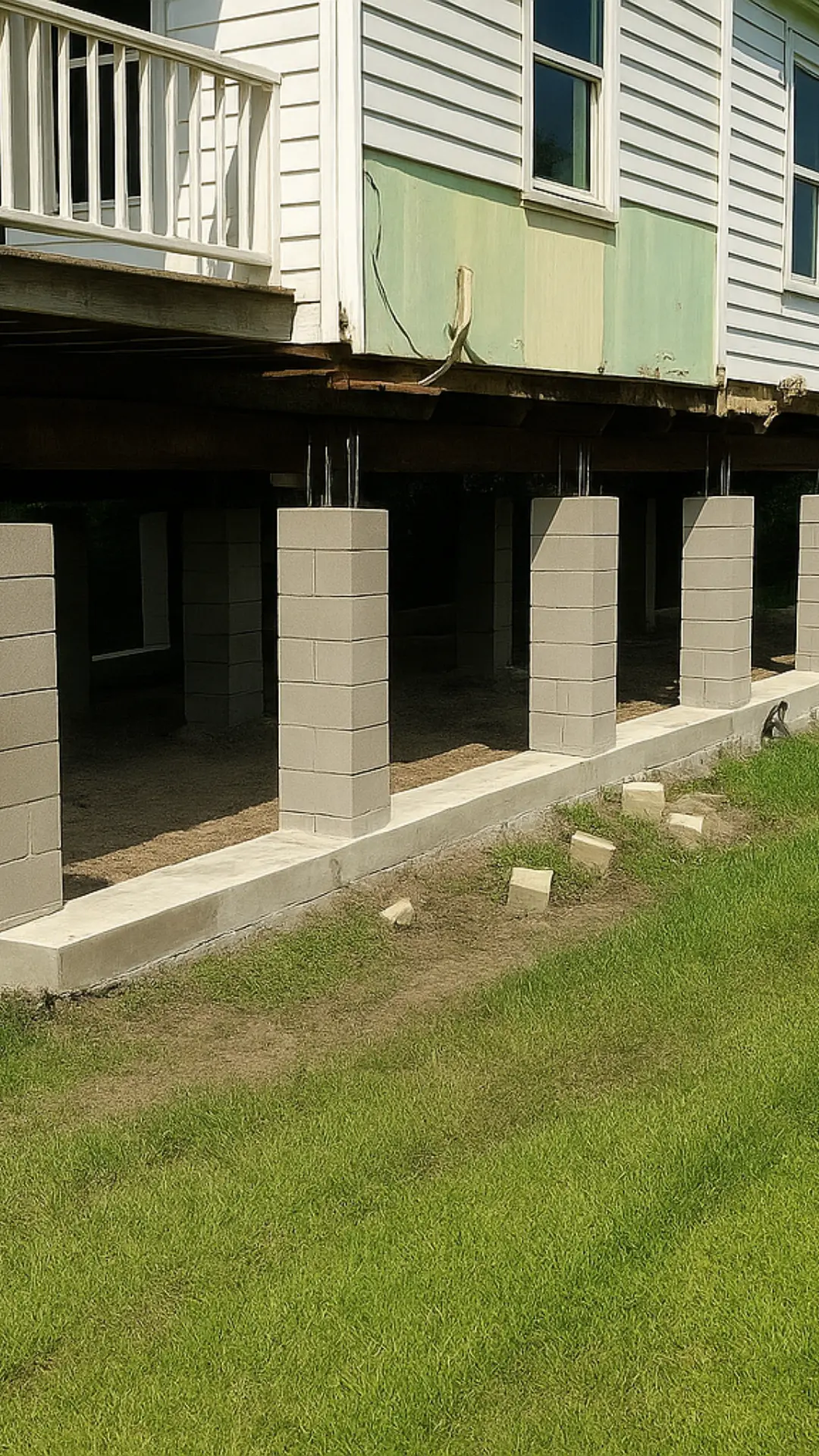
According to the U.S. Department of Housing and Urban Development, the foundation system bears the entire weight of your home and transfers loads to the soil beneath. Whether slab-on-grade, crawl space, or basement, foundation integrity directly impacts every other structural element. Foundation problems requiring home structure repair typically stem from soil movement, poor drainage, or construction defects.
Load-Bearing Walls and Beams
Load-bearing walls and beams transfer weight from the roof and upper floors to the foundation. When these elements fail or deteriorate, structural compromise occurs throughout your home. Home structure repair involving load-bearing elements requires careful engineering to ensure repairs don’t create new problems elsewhere in the structure.
Roof Structure and Framing
Your roof structure—including trusses, rafters, and sheathing—must withstand wind loads, snow loads, and its own weight. Roof structural problems often manifest as sagging, visible damage, or interior water infiltration. Comprehensive home structure repair evaluates how roof issues may relate to or cause problems in other structural systems.
Common Signs You Need Home Structure Repair
Recognizing warning signs early gives homeowners the best chance to address problems before they become severe. Here are the critical indicators that professional home structure repair may be necessary:
Foundation-Related Warning Signs
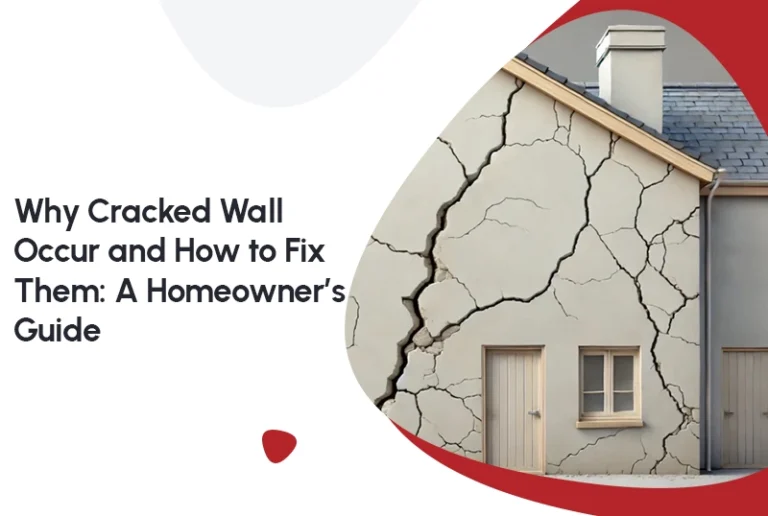
Cracks in foundation walls, particularly horizontal or stair-step patterns, indicate serious structural stress requiring immediate home structure repair attention. Foundation settlement causes floors to slope, doors to stick, and gaps to form between walls and ceilings. These symptoms suggest the entire structural system is shifting, demanding comprehensive evaluation and repair.
Wall and Ceiling Indicators
Interior and exterior wall cracks wider than 1/4 inch, especially those that continue growing, signal structural movement. Walls separating from ceilings or floors, bowing walls, or walls pulling away from adjacent walls all indicate serious problems requiring professional home structure repair. Don’t dismiss these signs as cosmetic issues; they represent structural failure in progress.
Floor Problems
Sagging, bouncing, or sloping floors indicate foundation settlement, deteriorated floor joists, or inadequate structural support. Floors that feel spongy or soft suggest wood rot or structural decay requiring immediate home structure repair. These problems worsen rapidly and can lead to complete floor system failure if ignored.
Exterior Signs
Exterior brick or siding showing cracks, separation, or bulging indicates underlying structural movement. Chimneys tilting away from the house, gaps around windows and doors, or separation between different building materials all point to structural problems demanding home structure repair evaluation.
Roof and Attic Warning Signals
Sagging rooflines, visible from the street or attic, indicate serious structural problems. Cracked or broken roof rafters, water-damaged wood, or improper previous repairs all necessitate professional structural evaluation and potential home structure repair.
Types of Home Structure Repair Solutions
Professional home structure repair encompasses various specialized techniques, each addressing specific structural problems. Understanding available solutions helps homeowners make informed decisions about their property’s needs.
Foundation Repair Methods
Foundation problems represent the most common reason homeowners seek home structure repair services. Modern foundation repair includes steel pier underpinning, helical pier systems, slab jacking, and drainage solutions. The American Society of Civil Engineers provides guidelines for foundation repair ensuring methods meet engineering standards. For homeowners in the Rosenberg area, professional foundation repair Rosenberg services offer specialized expertise in local soil conditions and structural challenges.
Beam and Joist Repair or Replacement
Floor systems suffering from rot, insect damage, or structural overload require beam and joist repair or replacement. This type of home structure repair involves temporary support installation, removal of damaged members, and installation of properly sized replacement components. Sister joists, steel beam reinforcement, or complete joist replacement restore structural integrity to compromised floor systems. Properties with crawl space foundations particularly benefit from specialized pier and beam foundation repair Rosenberg techniques that address both foundation and floor framing issues simultaneously.
Wall Reinforcement and Repair
Bowing, cracking, or failing walls require reinforcement through carbon fiber straps, steel I-beams, or wall anchors. These home structure repair methods stabilize walls preventing further movement while restoring structural strength. Basement walls facing hydrostatic pressure particularly benefit from comprehensive reinforcement systems.
Roof Structure Repair
Sagging or damaged roof structures require repair ranging from individual rafter replacement to complete truss system reinforcement. Professional home structure repair contractors evaluate load-bearing capacity, assess damage extent, and implement repairs meeting current building codes.
Comprehensive Structural Solutions
Many structural problems involve multiple systems requiring comprehensive home structure repair approaches. Foundation settlement may necessitate both underpinning and subsequent floor leveling. Houses experiencing severe structural distress might require staged repairs addressing foundation issues first, followed by frame straightening, wall repair, and finishing work.
The Home Structure Repair Process
Professional home structure repair follows a systematic approach ensuring problems are properly diagnosed and effectively resolved:
Professional Inspection and Assessment
Qualified contractors begin every home structure repair project with thorough inspection. They examine foundations, framing, roofs, and other structural elements using laser levels, moisture meters, and visual assessment. This inspection identifies all problems, not just obvious symptoms, ensuring comprehensive repair planning.
Structural Engineering Evaluation
Significant structural problems require professional engineering evaluation. Licensed structural engineers assess damage severity, determine appropriate repair methods, and provide specifications ensuring home structure repair meets safety standards and building codes. Engineering reports also provide documentation valuable for insurance claims and future home sales.
Repair Planning and Permits
Based on inspection and engineering findings, contractors develop detailed home structure repair plans. These plans specify methods, materials, timelines, and costs. Most structural repairs require building permits ensuring work meets the International Residential Code standards. Professional contractors handle permitting, working with local building departments to ensure compliance.
Implementation Phases
Complex home structure repair often proceeds in phases. Foundation repairs typically come first, followed by framing corrections, then finish work. This staged approach allows structures to settle and stabilize between phases, ensuring repairs achieve intended results.
Quality Verification
After completing repairs, contractors verify work quality through measurement, inspection, and testing. Building inspectors review permitted work ensuring it meets code requirements. Final home structure repair documentation includes warranties, inspection reports, and maintenance recommendations.
Cost Factors for Home Structure Repair
Understanding what influences home structure repair costs helps homeowners budget appropriately and evaluate contractor estimates:
What Affects Pricing
Damage severity directly impacts costs. Minor repairs might cost $3,000-$8,000, while extensive structural work can reach $30,000-$100,000 or more.
Home size and accessibility affect labor requirements and material quantities for home structure repair.
Repair methods vary in cost. Foundation underpinning costs more than crack repair, but provides permanent stabilization.
Local labor and material costs influence final pricing. Regional differences in construction costs affect home structure repair pricing significantly.
Insurance Considerations
Most homeowner insurance policies exclude coverage for structural problems caused by maintenance neglect or normal wear. However, damage from covered perils like storms, fires, or plumbing failures may qualify for coverage. Document all damage thoroughly and consult your insurance provider before beginning home structure repair work.
ROI and Property Value Impact
Completed home structure repair protects and restores property value. Unrepaired structural problems cause homes to lose 15-30% of market value, while professional repairs with warranties restore full marketability. The investment in structural repairs pays dividends in safety, livability, and eventual sale proceeds.
Choosing a Home Structure Repair Contractor
Selecting qualified professionals for home structure repair is crucial for successful outcomes:
Required Qualifications
Structural repair contractors should hold proper state licenses, maintain comprehensive insurance including general liability and workers’ compensation, and demonstrate experience with structural repairs specifically. For homes requiring foundation leveling, specialized house leveling service Rosenberg providers offer expertise ensuring precise, lasting results.
Experience and Specialization
Choose contractors specializing in home structure repair rather than general contractors. Structural work requires specialized knowledge, equipment, and techniques that general contractors typically lack.
Warranties and Guarantees
Quality home structure repair companies provide substantial warranties covering both materials and workmanship. Warranties should be transferable to future owners, adding value to your home. Review warranty terms carefully, understanding what’s covered, for how long, and under what conditions.
Preventing Future Structural Problems
After investing in home structure repair, protecting your home from future problems makes financial sense:
- Schedule annual professional inspections to catch problems early
- Maintain proper drainage directing water away from foundations
- Monitor soil moisture levels, especially during drought periods
- Address plumbing leaks immediately to prevent foundation damage
- Keep gutters clean and functional
- Document your home’s condition with photos and notes
Conclusion: Protecting Your Home Through Professional Structure Repair
Home structure repair represents one of the most critical investments homeowners can make in their property’s long-term stability and value. Structural problems never improve on their own—they worsen, often rapidly, until professional intervention becomes necessary. Whether you’re noticing initial warning signs or dealing with obvious structural damage, acting quickly protects your home and minimizes repair costs.
Professional home structure repair combines specialized knowledge, proven techniques, and quality materials to restore structural integrity. From foundation problems to roof structure issues, qualified contractors diagnose problems accurately and implement solutions that last. The investment in professional structural repair pays dividends in safety, livability, and property value protection.
Don’t ignore structural warning signs or delay necessary repairs. Contact experienced home structure repair professionals who can evaluate your situation, explain your options, and implement repairs that protect your home for decades to come. Your home’s structural integrity is too important to risk—make home structure repair a priority today.
FAQs (Frequently Asked Questions)
1. Can structural damage to a house be fixed?
Yes, in most cases structural damage can be fixed, especially when it is identified early. Common issues like foundation settlement, wall cracks, sagging floors, or framing problems are often repairable using proven methods such as foundation stabilization, pier installation, beam replacement, or structural reinforcement. The key factor is addressing the root cause, not just the visible damage. Ignoring the issue usually makes repairs more complex and expensive over time.
2. What counts as structural damage in a home?
Structural damage affects the parts of a house that support its weight and stability. This includes the foundation, load-bearing walls, beams, columns, roof framing, and floor joists. Signs of structural damage may include large or stair-step cracks in walls, uneven or sloping floors, doors and windows that stick, gaps around frames, or visible foundation movement. Cosmetic issues are different; structural damage impacts safety and integrity.
3. How much does it cost to fix a structural issue?
The cost to fix a structural issue varies widely based on the severity, location, and type of repair needed. Minor structural repairs may cost a few thousand dollars, while major foundation or framing repairs can range much higher. Factors such as soil conditions, home size, and accessibility also influence pricing. A professional inspection is the only way to get an accurate estimate and determine the most cost-effective repair plan.
4. What is the most expensive thing to repair in a house?
Foundation repairs are often the most expensive structural repairs in a home. This is because the foundation supports the entire structure and repairs may involve excavation, pier systems, or extensive stabilization work. Other costly repairs can include major framing replacement or roof structural repairs, but foundation issues typically carry the highest financial and structural impact if left untreated.
5. Will homeowners insurance pay for foundation or structural repairs?
In most cases, homeowners insurance does not cover foundation or structural damage caused by normal wear, soil movement, or settling. However, insurance may cover structural damage if it results from a covered event such as a burst pipe, fire, or sudden accidental damage. Coverage depends on your policy, so it is important to review the details and speak with your insurance provider before assuming repairs are covered.
6. What are the biggest red flags of structural damage during a home inspection?
Major red flags include wide or growing cracks in walls or ceilings, uneven or sloping floors, separation between walls and ceilings, doors or windows that no longer close properly, visible foundation cracks, and rooflines that appear bowed or sagging. These signs often indicate underlying structural movement and should be evaluated by a professional as soon as possible.
7. At what point is a house not worth fixing?
A house is usually not worth fixing only when repair costs exceed the home’s market value or when damage is so extensive that repairs are not technically feasible. In reality, most structural issues are repairable, and fixing them often restores or even increases property value. A professional assessment helps homeowners weigh repair costs against long-term value, safety, and resale potential before making a decision.