Foundation damage threatens structural integrity, property value, and occupant safety, making professional concrete foundation repair essential for protecting residential and commercial buildings. Modern concrete foundation repair encompasses diverse techniques addressing various damage types—from minor settlement to severe structural compromise. Understanding available repair methods enables property owners to make informed decisions when foundation problems emerge. This comprehensive guide examines the most effective concrete foundation repair techniques, from traditional piering systems to advanced polyjacking technology, helping homeowners and contractors select appropriate solutions based on specific damage patterns, soil conditions, and structural requirements.
Understanding When Concrete Foundation Repair Is Needed
Recognizing foundation damage early enables timely concrete foundation repair before minor issues escalate into major structural problems requiring extensive intervention.
Warning Signs Requiring Professional Evaluation
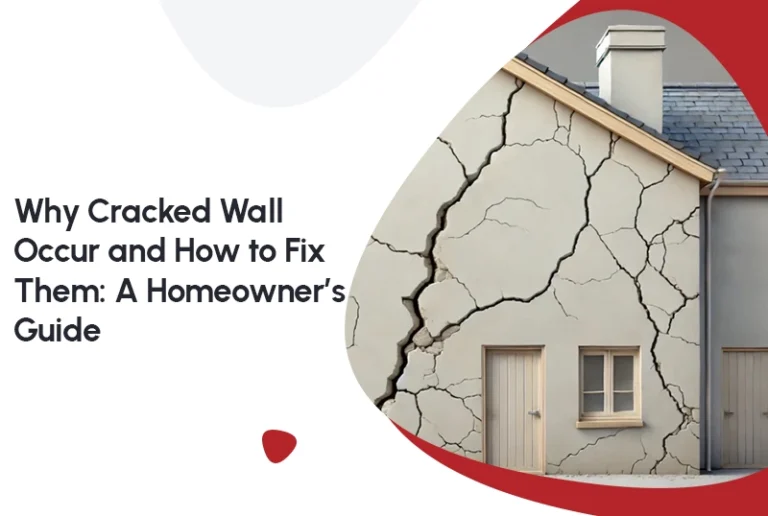
Interior indicators include cracks in walls or ceilings (especially those wider than 1/4 inch), uneven or sloping floors, doors and windows that stick or won’t close properly, and gaps between walls and ceilings or floors.
Exterior warning signs encompass visible foundation cracks, bowing or bulging foundation walls, separating chimney structures, and moisture accumulation around foundation perimeters. According to the U.S. Department of Housing and Urban Development, promptly addressing these symptoms prevents progressive damage and reduces overall concrete foundation repair costs. Understanding crack types and their implications helps determine appropriate repair approaches—learn more in our detailed article on Foundation Crack Filler.
Common Foundation Problems Requiring Repair
Settlement and sinking occur when soil beneath foundations compresses or erodes, causing differential movement. This represents one of the most common reasons for concrete foundation repair.
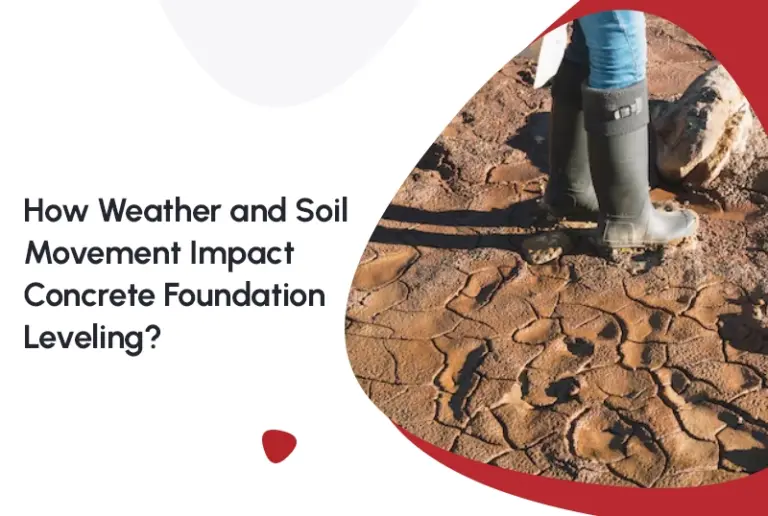
Soil expansion and contraction from moisture changes create continuous stress on foundations, particularly in areas with expansive clay soils.
Structural cracking from excessive loads, poor construction, or inadequate reinforcement compromises foundation integrity and demands professional intervention.
Piering Methods for Concrete Foundation Repair
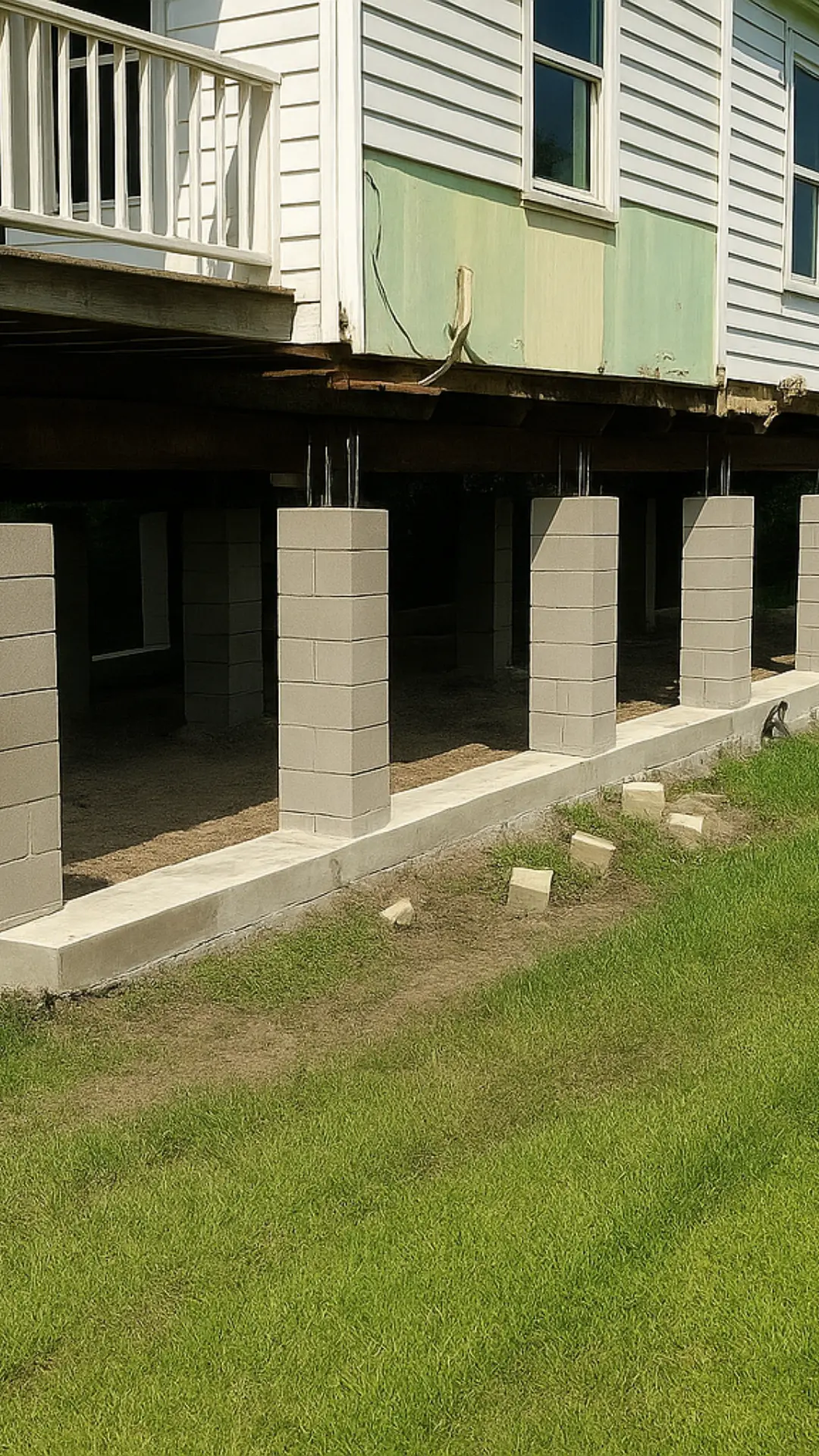
Piering systems represent the most effective concrete foundation repair solution for severe settlement and structural movement, providing permanent stabilization by transferring foundation loads to competent soil or bedrock layers.
Steel Push Piers
Steel push piers utilize hydraulic pressure to drive galvanized steel sections through unstable soil until reaching load-bearing strata. Once installed, these piers transfer structural loads away from compromised soil to stable depths, effectively halting settlement and often enabling foundation lifting to restore proper elevation. Steel push piers excel for concrete foundation repair in areas with deep unstable soils where surface soil lacks adequate bearing capacity. The system’s adjustability allows precise lifting control, gradually returning foundations to original positions while minimizing structural stress. Property owners in Missouri City experiencing settlement can access professional foundation repair Missouri City services providing expert piering solutions.
Helical Piers
Helical piers feature spiral blades that mechanically screw into soil, providing immediate load-bearing capacity without requiring cure time or settling periods. According to the American Concrete Institute, helical pier installations create minimal disturbance, making them ideal for concrete foundation repair in tight access areas or where landscaping preservation proves important. These systems work exceptionally well for lighter structures, additions, or applications requiring precise load control. Installation monitoring through torque measurement ensures piers reach adequate bearing capacity before transferring structural loads.
Drilled Concrete Piers
Drilled concrete piers (also called drilled shafts or caissons) involve excavating deep holes, installing steel reinforcement, and filling with concrete to create massive support columns extending to bedrock or very stable soil layers. This method provides maximum load capacity for heavy structures or severe settlement scenarios. While more invasive and costly than other piering options, drilled piers deliver unmatched stability for critical concrete foundation repair applications where permanent, high-capacity support proves essential.
Polyjacking (Polyurethane Foam Injection)
Polyjacking represents a revolutionary advancement in concrete foundation repair, utilizing expanding polyurethane foam to lift and stabilize settled concrete slabs with minimal disruption and superior results compared to traditional methods.
How Polyjacking Works
The polyjacking process involves drilling small injection ports (typically 5/8 inch diameter) through concrete slabs, then pumping expanding polyurethane foam beneath settled areas. The foam expands within minutes, filling voids, compacting loose soil, and lifting concrete to desired elevations. This modern concrete foundation repair technique offers remarkable precision, allowing contractors to lift slabs in increments as small as 1/16 inch. The lightweight foam (approximately 4 pounds per cubic foot) adds negligible weight to underlying soil, preventing future settlement from material loading. Properties with pier and beam configurations may also benefit from specialized approaches—professional pier and beam foundation repair Missouri City services address both slab and crawl space foundation issues.
Benefits Over Traditional Mudjacking
Polyjacking surpasses traditional mudjacking in multiple ways. The cured foam weighs 95% less than concrete slurry, dramatically reducing soil stress. Installation requires much smaller injection holes (5/8 inch vs. 2+ inches), minimizing surface damage. Cure times prove almost instantaneous—surfaces can bear traffic within 15 minutes versus 24-48 hours for mudjacking. The foam’s water resistance prevents washout or erosion, while its permanence ensures lasting results. These advantages make polyjacking increasingly preferred for modern concrete foundation repair applications. For comprehensive information about foam injection technology, read our detailed article on Polyurethane Foundation Repair.
Epoxy Injection for Crack Repair
Epoxy injection provides superior concrete foundation repair for structural cracks, restoring concrete’s original strength and preventing progressive damage.
When Epoxy Is Appropriate
Epoxy injection works best for non-moving cracks in structurally sound foundations where settlement has stabilized. This method excels for repairing stress cracks, impact damage, or construction defects where restoring structural integrity proves essential. Epoxy’s exceptional bonding strength often makes repaired sections stronger than surrounding concrete. However, epoxy proves unsuitable for actively moving cracks or foundations continuing to settle—such situations require addressing underlying causes before crack repair. Understanding when epoxy injection provides appropriate concrete foundation repair versus when structural stabilization becomes necessary ensures effective, lasting solutions. Learn more about epoxy applications in our comprehensive guide on Epoxy Foundation Crack Repair.
Application Process and Longevity
Professional epoxy injection involves drilling entry ports along crack lengths, installing injection packers, and pumping epoxy under controlled pressure to completely fill crack voids from bottom to top. The two-part epoxy cures within 24-48 hours, achieving full strength within one week. Properly executed epoxy repairs last indefinitely, providing permanent concrete foundation repair for static cracks. The method’s effectiveness depends on thorough crack cleaning, appropriate epoxy selection, and proper injection technique—factors requiring professional expertise and specialized equipment.
Slabjacking and Mudjacking Techniques
Traditional slabjacking methods continue serving as viable concrete foundation repair options for certain applications, particularly when budget constraints make newer technologies prohibitive.
Traditional Mudjacking Process
Mudjacking pumps cement-based slurry beneath settled slabs through 2-inch diameter holes drilled in strategic locations. The slurry fills voids and generates hydraulic pressure lifting concrete to proper elevations. Once desired lift achieves, holes receive patching and surface finishing. The International Concrete Repair Institute recognizes mudjacking as proven concrete foundation repair technology with decades of successful applications. Material costs prove lower than polyjacking, though labor intensity and larger injection holes offset some savings.
Best Use Cases for Slabjacking
Mudjacking works well for large area lifting where precision proves less critical and budget constraints exist. Driveways, walkways, and garage floors frequently benefit from this economical approach. However, the method’s limitations—including heavy material weight, longer cure times, and potential for slurry washout—make it less ideal than polyjacking for sensitive applications or premium concrete foundation repair projects.
Carbon Fiber Reinforcement Systems
Carbon fiber reinforcement provides innovative concrete foundation repair solutions for bowing or cracked basement walls, offering superior strength-to-weight ratios compared to traditional steel reinforcement.
Wall Stabilization Applications
Carbon fiber strips bonded to interior foundation wall surfaces provide exceptional tensile strength preventing further inward movement from soil pressure. These lightweight, corrosion-proof materials prove ideal for arresting wall deflection in early stages before structural compromise becomes severe. Installation proceeds quickly with minimal disruption—walls typically remain usable throughout repair. The system’s low profile preserves usable space while delivering engineering-certified concrete foundation repair meeting building code requirements. When foundation settlement creates structural levelness issues, property owners benefit from professional house leveling service Missouri City providers offering comprehensive solutions.
Advantages Over Steel Reinforcement
Carbon fiber’s superior properties include seven times greater tensile strength than steel, complete corrosion immunity, minimal thickness (1/8 inch vs. several inches for steel I-beams), and significantly lower installation costs from reduced labor and material handling. These advantages make carbon fiber increasingly preferred for modern concrete foundation repair applications requiring wall reinforcement.
Underpinning and Excavation Methods
Underpinning represents the most invasive concrete foundation repair approach, reserved for severe structural compromise requiring foundation depth extension or complete replacement.
When Excavation Becomes Necessary
Underpinning proves necessary when foundations lack adequate depth, bear on unsuitable soils throughout their profile, or experience catastrophic structural failure. The process involves excavating beneath existing foundations in controlled sections, pouring new deeper footings, and connecting them to original structures. This labor-intensive concrete foundation repair method requires extensive engineering, permits, and structural shoring. Costs typically exceed other repair approaches significantly, though situations demanding underpinning leave few alternatives.
Modern Underpinning Techniques
Contemporary underpinning utilizes mini-piles, grout injection, or mass concrete pours creating new load-bearing elements beneath compromised foundations. Advanced methods minimize excavation through targeted reinforcement rather than complete foundation replacement. While complex and expensive, properly executed underpinning provides permanent structural restoration for the most severely damaged foundations. Understanding various cement-based repair approaches helps in selecting appropriate solutions—learn more in our article on Cement Foundation Repair.
Selecting the Right Concrete Foundation Repair Method
Choosing appropriate concrete foundation repair techniques depends on multiple factors requiring professional engineering assessment:
Damage severity and type
Minor settlement may require only slabjacking, while severe structural movement demands piering systems. Crack repairs suit stable foundations, whereas continuing settlement necessitates stabilization before cosmetic repairs.
Soil conditions
Depth to stable soil layers, expansive soil presence, and groundwater levels influence method selection. Deep unstable soils favor push piers, while shallow competent layers may accommodate helical piers or simpler solutions.
Building usage and loading
Residential structures typically require less robust concrete foundation repair than commercial buildings or heavy industrial facilities. Loading requirements guide capacity specifications for piering or reinforcement systems.
Budget constraints
While cost shouldn’t override structural necessity, available budgets influence whether premium methods like polyjacking prove feasible or traditional approaches better suit financial limitations.
Access and site conditions
Tight spaces, landscaping concerns, or underground utilities may eliminate certain repair options. Helical piers and polyjacking offer advantages in restricted access scenarios.
Conclusion: Investing in Professional Concrete Foundation Repair
Modern concrete foundation repair technologies provide effective solutions for virtually any foundation problem, from minor settlement to catastrophic structural failure. Understanding available methods—ranging from traditional piering and mudjacking to advanced polyjacking and carbon fiber reinforcement—enables informed decision-making when foundation issues emerge.
The most effective concrete foundation repair approach depends on specific damage patterns, soil conditions, structural requirements, and project budgets. No single method suits all applications—successful repairs match techniques to problems through professional engineering assessment. Whether addressing minor cosmetic cracks or severe structural settlement, selecting appropriate repair methods ensures lasting solutions protecting property value and structural integrity.
Don’t delay addressing foundation problems or attempt complex repairs without professional guidance. Contact qualified concrete foundation repair specialists who can evaluate your foundation, recommend appropriate methods based on precise assessment, and execute repairs delivering engineered, warrantied results. Your foundation literally supports your entire structure—protect it with expert repair solutions ensuring stability and safety for generations.
FAQs (Frequently Asked Questions)
1. Can a concrete foundation be repaired?
Yes, most concrete foundations can be repaired. Common repair methods include crack injection (epoxy or polyurethane), pier installation, slab lifting, and structural reinforcement. The right solution depends on whether the issue is cosmetic, structural, or caused by soil movement.
2. Is it cheaper to repair or replace a concrete foundation?
Repairing a foundation is almost always cheaper than replacing it. Foundation repairs typically range from a few thousand dollars, while full replacement can cost tens of thousands. Replacement is usually only considered when damage is severe and widespread.
3. Will new concrete adhere to old concrete?
New concrete does not naturally bond well to old concrete without preparation. To ensure proper adhesion, the old surface must be cleaned, roughened, and treated with a bonding agent. Without this step, the new concrete may crack or separate over time.
4. Can you pour new concrete over old cracked concrete?
You can pour new concrete over old concrete only if the existing slab is structurally sound. Cracks caused by soil movement or foundation issues must be fixed first. Otherwise, the cracks will transfer to the new layer and cause failure.
5. Can you fix foundation problems yourself?
Minor cosmetic issues, like small non-structural cracks, can sometimes be handled DIY. However, structural foundation problems should never be fixed without professional help. Incorrect repairs can worsen damage and increase long-term costs.
6. Is foundation repair worth the cost?
Yes, foundation repair is usually worth it. It protects the structural integrity of the home, prevents further damage, improves safety, and preserves property value. Ignoring foundation issues often leads to much higher repair costs later.
7. Does homeowner insurance cover foundation repair?
In most cases, homeowner insurance does not cover foundation repair caused by soil movement, settling, or wear and tear. Coverage may apply only if damage results from a covered event, such as a sudden plumbing leak or certain natural disasters.