Concrete surfaces inevitably develop cracks, holes, and damage over time from weathering, settlement, thermal expansion, and structural stress. Addressing these problems promptly through professional concrete patching prevents minor issues from escalating into expensive structural repairs while restoring both function and appearance. Concrete patching involves more than simply filling cracks it requires proper surface preparation, appropriate material selection, and correct application techniques ensuring repairs bond permanently to existing concrete.
Whether dealing with foundation cracks, driveway damage, or deteriorating slabs, understanding concrete patching fundamentals empowers homeowners and contractors to execute lasting repairs protecting property value and safety. This comprehensive guide examines everything you need to know about concrete patching, from damage assessment and material selection to step-by-step repair procedures and professional best practices.
Understanding When Concrete Patching Is Needed
Recognizing damage requiring concrete patching enables timely intervention before problems worsen. Different damage types demand specific repair approaches ranging from simple surface treatments to comprehensive structural repairs.
Types of Concrete Damage Requiring Patching
Surface cracks measuring less than 1/4 inch width typically result from shrinkage, thermal stress, or minor settlement. These cracks often remain cosmetic issues but should receive concrete patching preventing water infiltration that accelerates deterioration.
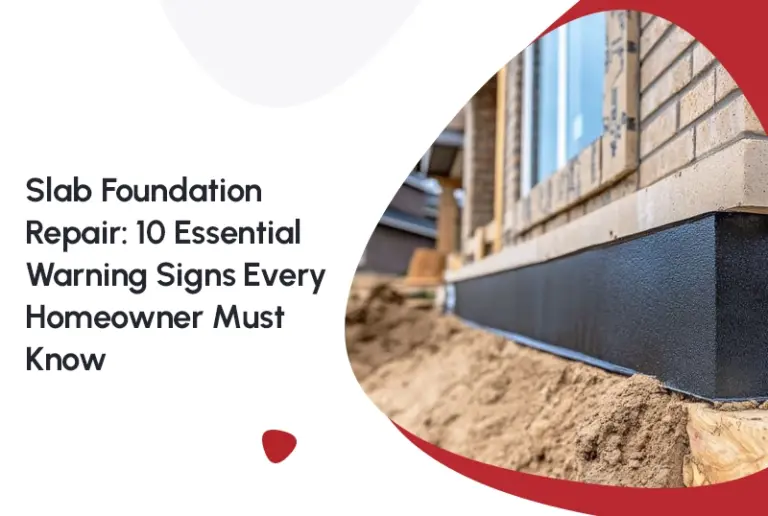
Structural cracks exceeding 1/4 inch width or exhibiting vertical displacement indicate foundation movement or excessive loading requiring immediate attention. According to the U.S. Department of Housing and Urban Development, structural cracks demand professional evaluation determining whether simple patching suffices or more extensive foundation repair becomes necessary.
Spalling and surface damage occur when concrete surfaces flake, pit, or crumble from freeze-thaw cycles, salt exposure, or poor-quality concrete. This damage requires concrete patching with resurfacing products restoring protective concrete cover.
Holes and deep damage from impact, erosion, or removed fixtures need substantial patching with structural repair mortars.
Understanding crack types and repair requirements helps property owners determine appropriate solutions—learn more in our detailed article on Concrete Foundation Crack Repair.
Types of Concrete Damage and Patching Solutions
Different damage patterns require specific concrete patching approaches and materials:
Hairline Cracks and Surface Crazing
Fine surface cracks less than 1/16 inch wide respond well to concrete patching using liquid crack fillers or thin overlay products. These low-viscosity materials penetrate narrow openings, sealing against moisture while remaining virtually invisible. For crazing patterns (networks of fine surface cracks), concrete resurfacers provide uniform coverage restoring smooth appearances. While often cosmetic, addressing these cracks through proper concrete patching prevents water penetration that could cause more serious damage over time.
Moderate to Deep Cracks
Cracks ranging from 1/4 to 1 inch width require concrete patching with thicker consistency repair mortars or polyurethane sealants. These products bridge wider gaps while maintaining flexibility accommodating minor movement. For foundation cracks, property owners in Fresno can access professional foundation repair Fresno services determining whether simple patching suffices or structural stabilization becomes necessary. The American Concrete Institute provides technical guidance on appropriate concrete patching materials and methods based on crack characteristics.
Spalling, Scaling, and Surface Deterioration
When concrete surfaces flake away exposing aggregates, concrete patching requires removing loose material and applying specialized resurfacing products. These polymer-modified repair mortars bond tenaciously to sound concrete while providing weather-resistant protection. Severe spalling often indicates underlying problems like poor concrete quality or inadequate drainage requiring comprehensive solutions beyond basic patching.
Large Holes and Missing Sections
Substantial damage from removed posts, broken chunks, or deep erosion demands concrete patching with high-strength structural repair mortars. These products often require formwork containing fresh material during curing. For foundation holes or significant structural damage, contractors may recommend more extensive repairs including reinforcement installation or complete section replacement.
Essential Materials and Tools for Concrete Patching
Successful concrete patching depends on selecting appropriate materials and having proper tools:
Patching Compounds and Repair Mortars
Vinyl concrete patchers provide economical solutions for shallow repairs up to 1/4 inch deep. These pre-mixed products apply easily and cure quickly, making them ideal for minor concrete patching projects. However, they lack strength for structural applications or deep repairs.
Hydraulic cement sets rapidly even in wet conditions, perfect for concrete patching in active water leaks or damp environments. Its quick setting prevents washout but limits working time, requiring fast application. Properties with pier and beam foundations often benefit from hydraulic cement for moisture-related repairs—professional pier and beam foundation repair Fresno services address both structural issues and moisture problems.
Polymer-modified repair mortars offer superior bonding strength and durability for demanding concrete patching applications. These engineered products resist weathering, chemicals, and freeze-thaw cycles while accommodating slight movement without cracking.
Epoxy-Based Products
Epoxy injection systems provide exceptional strength for structural crack repairs, essentially welding concrete back together. While expensive, epoxy creates permanent repairs often stronger than surrounding concrete.
For comprehensive information about epoxy repair applications and techniques, read our detailed article on Epoxy Foundation Crack Repair.
Necessary Tools and Equipment
Professional concrete patching requires chisel and hammer for crack preparation, wire brush for cleaning, concrete bonding agent for adhesion, trowels and floats for application, mixing tools and containers, and safety equipment including gloves and eye protection. Having proper tools ensures quality results and safe working conditions.
Step-by-Step Concrete Patching Process
Following systematic procedures ensures successful concrete patching that lasts:
Step 1: Surface Preparation
Thorough surface preparation proves absolutely critical for successful concrete patching. Remove all loose concrete, dirt, oil, and contaminants from repair areas using wire brushes, grinders, or pressure washers. Sound concrete must remain clean and slightly roughened providing mechanical bonding. According to the Portland Cement Association, inadequate surface preparation causes most concrete patching failures—proper prep determines repair longevity more than any other factor.
Step 2: Crack Preparation
For narrow cracks, use chisels creating V-shaped grooves wider at bottom than surface—this “keyway” locks patching material preventing pop-outs. Remove all debris using shop vacuums or compressed air. For dormant cracks (no active movement), this mechanical preparation suffices. Active cracks moving with temperature or settlement require flexible sealants rather than rigid concrete patching materials. Properties experiencing ongoing foundation movement may require structural stabilization—professional house leveling service Fresno providers address underlying foundation issues before permanent patching.
Step 3: Applying Bonding Agents
Concrete bonding agents dramatically improve adhesion between old concrete and new concrete patching materials. Brush or spray bonding agent onto prepared surfaces following manufacturer instructions regarding drying time. Some products require applying while still tacky, others need complete drying. For critical structural repairs, acrylic or epoxy bonding agents provide superior performance compared to basic latex products.
Step 4: Material Application
Mix concrete patching compounds according to package directions, achieving consistency appropriate for repair depth. For deep repairs, place material in lifts no thicker than 2 inches, allowing partial cure between layers. Press material firmly into prepared areas eliminating air pockets. Overfill slightly allowing finishing flush with surrounding surfaces. Work quickly—most repair materials offer limited working time before setting begins.
Step 5: Finishing and Texturing
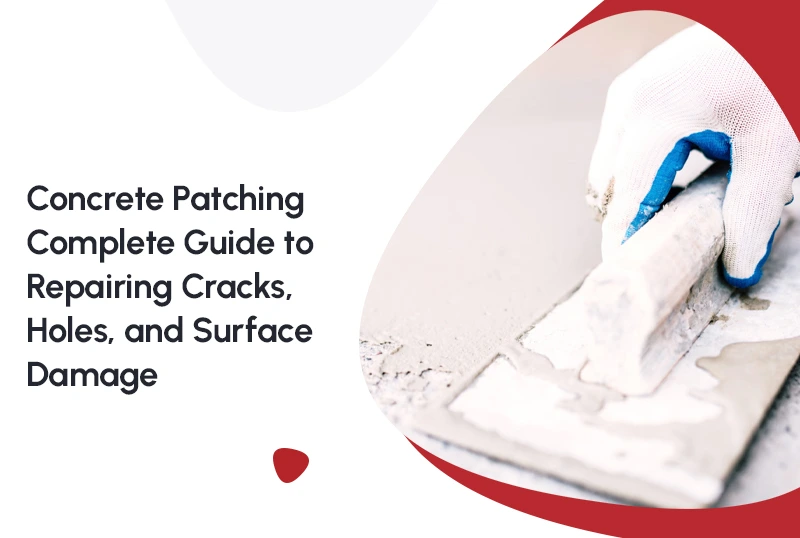
Use trowels, floats, or brushes matching patch texture to surrounding concrete. For visible areas, careful finishing makes repairs virtually invisible. Avoid overworking surfaces—excessive troweling brings water to the surface weakening concrete patching materials. Allow initial set before final finishing passes.
Step 6: Proper Curing
Proper curing ensures concrete patching achieves full strength and durability. Keep repairs moist for at least 3-7 days using wet burlap, plastic sheeting, or curing compounds. Prevent rapid drying from sun or wind causing surface cracking. Most products specify minimum curing periods before exposing repairs to traffic or loading.
Best Practices for Long-Lasting Concrete Patching
Following professional best practices maximizes concrete patching success:
Match repair materials to conditions – Select concrete patching products appropriate for exposure conditions. Exterior repairs need freeze-thaw resistant materials. High-traffic areas require high-strength products. Vertical surfaces need non-sagging formulations.
Consider weather conditions – Avoid concrete patching in extreme temperatures. Most products require temperatures between 40-90°F during application and initial cure. Hot weather accelerates setting, reducing working time. Cold weather slows curing, potentially preventing adequate strength development.
Address underlying causes – Successful repairs require eliminating damage causes. Poor drainage causing cracking needs correction. Settlement from foundation issues requires stabilization. Without addressing root causes, patches fail prematurely requiring repeated repairs.
Understanding comprehensive foundation solutions helps property owners maintain structural integrity—for more information, read our article on Cement Foundation Repair.
Use proper mixing ratios – Follow manufacturer specifications exactly. Too much water weakens repairs. Insufficient water prevents proper hydration and bonding. Measure components accurately ensuring consistent concrete patching quality.
Common Concrete Patching Mistakes to Avoid
Avoiding common errors improves concrete patching results:
Inadequate surface preparation – Skipping cleaning, failing to remove loose material, or insufficient roughening causes bonding failures. Proper preparation takes time but determines repair success. This represents the single most common concrete patching mistake.
Wrong product selection – Using vinyl patchers for structural repairs, or rigid materials on active cracks causes premature failure. Match products to damage types and exposure conditions.
Improper mixing – Adding excessive water creates weak repairs. Inadequate mixing leaves lumps or inconsistent material. Follow instructions carefully achieving specified consistency.
Inadequate curing – Allowing concrete patching materials to dry too quickly prevents proper strength development. Maintain moisture during specified curing periods ensuring durability.
When to Call Professional Contractors
While homeowners can handle simple concrete patching projects, certain situations demand professional expertise:
Structural concerns – Wide cracks, vertical displacement, or damage indicating foundation movement require professional evaluation. Simple concrete patching won’t solve structural problems—underlying foundation issues need addressing first.
Extensive damage – Large areas requiring patching, severe spalling, or multiple problem zones benefit from professional equipment and expertise. Contractors complete work faster with superior results.
Foundation-related damage – Cracks originating from foundation settlement or movement require stabilization before permanent patching. Professional foundation contractors determine whether structural repairs precede cosmetic fixes.
Conclusion: Investing in Quality Concrete Patching
Concrete patching represents essential maintenance protecting property value and preventing costly future repairs. Whether addressing minor surface cracks or substantial structural damage, successful repairs depend on proper assessment, appropriate material selection, thorough preparation, and correct application techniques. Understanding concrete patching fundamentals empowers homeowners to execute quality repairs or make informed decisions when hiring professionals.
The relatively modest investment in quality concrete patching materials and proper application pays dividends through lasting repairs and prevented deterioration. Taking time to prepare surfaces correctly, select appropriate products, and follow proven procedures ensures patches perform reliably for years. For damage indicating deeper structural problems, don’t hesitate seeking professional evaluation—early intervention prevents minor issues from becoming major expenses.
When concrete patching projects exceed your capabilities or damage suggests foundation problems, contact qualified contractors who can assess situations accurately and recommend appropriate solutions. Your concrete surfaces deserve repairs that truly last—invest in proper techniques and materials ensuring your concrete patching efforts deliver permanent results protecting your property for decades.
FAQs (Frequently Asked Questions)
What is the best product for patching concrete?
The best product for patching concrete depends on the specific application and the severity of the crack. For minor cracks, products like Quikrete Concrete Repair or Sakrete Concrete Patch work well. For larger repairs, you may need a cement-based patching compound like Rapid Set Cement All, which is durable and sets quickly.
Can new concrete bond to old concrete?
Yes, new concrete can bond to old concrete. However, the bonding strength depends on the surface preparation. To ensure a strong bond, clean the old concrete surface thoroughly and apply a bonding adhesive or bonding agent like Quikrete Concrete Bonding Adhesive before applying the new layer of concrete.
How to make new concrete adhere to old concrete?
To make new concrete adhere to old concrete, you need to clean the surface of the old concrete and remove dirt, dust, or debris. After that, use a bonding agent like Quikrete Concrete Bonding Adhesive to create a strong bond between the old and new layers of concrete. Apply the bonding agent and let it dry before pouring the new concrete.
Can you use Quikrete to patch concrete?
Yes, Quikrete is an excellent choice for patching concrete. Its range of patching products, such as Quikrete Concrete Repair or Quikrete FastSet Repair Mortar, provides fast-drying, durable solutions for filling cracks and repairing damaged concrete surfaces.
What is the best bonding agent for old concrete?
The best bonding agent for old concrete is a latex-based bonding adhesive. Products like Quikrete Concrete Bonding Adhesive or Sakrete Concrete Bonding Adhesive provide strong adhesion between old and new concrete, ensuring long-lasting repairs.
What is poor man’s concrete?
“Poor man’s concrete” refers to a homemade or inexpensive alternative to traditional concrete. It is usually made with basic materials like sand, gravel, lime, and sometimes water. While it may not be as strong as commercial-grade concrete, it can be used for small projects like garden paths or non-load-bearing structures.
Is Quikrete good for patching concrete?
Yes, Quikrete is highly regarded for patching concrete. Their Concrete Repair and FastSet Concrete Mix are specifically designed for repairing cracks, holes, and other concrete damages. Quikrete offers a variety of products tailored to different patching needs, making it one of the most reliable brands for concrete repairs.