Your pier and beam crawl space represents a critical yet often overlooked component of home foundation systems. This accessible area beneath elevated homes requires regular attention preventing costly structural damage, moisture problems, and health hazards. Unlike slab foundations where problems remain hidden until severe, pier and beam crawl space construction allows inspection and maintenance advantages homeowners should leverage through proactive care. Understanding common problems, recognizing warning signs, and implementing proper maintenance strategies protects structural integrity while avoiding expensive repairs. This comprehensive guide provides essential knowledge every pier and beam homeowner needs for maintaining healthy, stable foundations ensuring long-term property value and safety.
Understanding Pier and Beam Crawl Space Construction
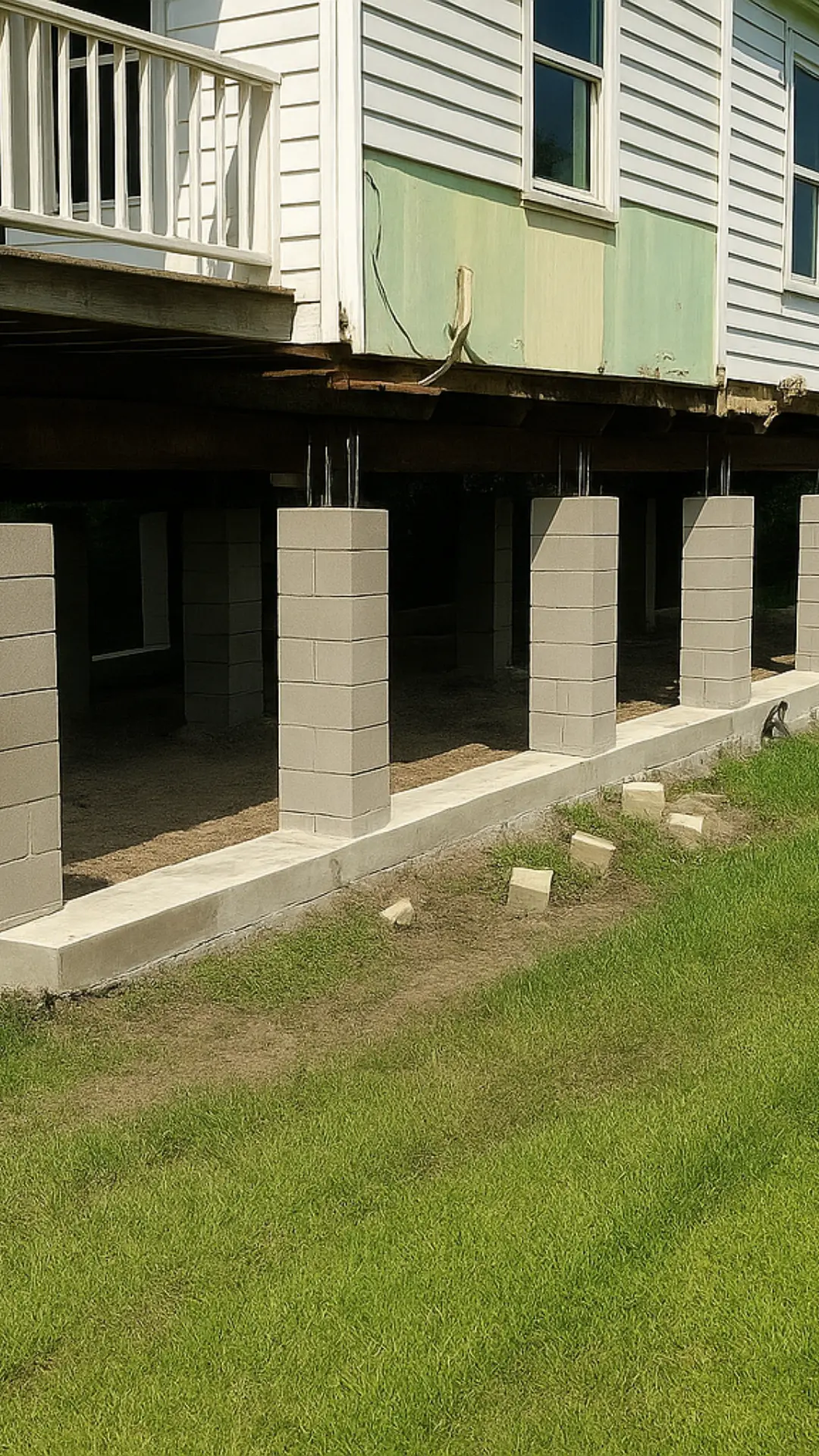
Pier and beam crawl space foundations elevate homes above ground level using vertical supports (piers) and horizontal members (beams) creating accessible spaces typically 18-48 inches high. This construction method, prevalent in areas with expansive clay soils, flood zones, or older homes, offers distinct advantages over slab foundations including easier access to plumbing and electrical systems, natural ventilation, and superior performance on challenging soils.
Key Components
A typical pier and beam crawl space system consists of concrete piers or blocks supporting wooden or steel beams, which in turn support floor joists and subfloor. According to the U.S. Department of Housing and Urban Development, proper pier spacing typically ranges from 6-10 feet depending on beam size and floor loads. The crawl space itself provides ventilation and access while keeping living spaces elevated from ground moisture.
Understanding various pier foundation types helps homeowners appreciate their specific system—for comprehensive information about different pier options, read our detailed article on Post and Pier Foundations: Key Benefits.
Advantages of Elevated Construction
Pier and beam crawl space foundations provide accessibility for maintenance, repairs, and modifications. Plumbers and electricians appreciate the ability to access utilities without breaking concrete. Natural ventilation helps manage moisture—when properly designed and maintained. The elevation protects homes from minor flooding and provides buffer space between living areas and potentially contaminated soil. These benefits, however, require active maintenance ensuring crawl space conditions remain healthy and structural components stay sound.
Common Pier and Beam Crawl Space Problems
Pier and beam crawl space environments create unique challenges requiring attention:
Moisture and Humidity Issues
The most prevalent problem affecting pier and beam crawl space areas involves excessive moisture. Ground moisture evaporates into crawl spaces, creating high humidity levels. The Environmental Protection Agency recommends maintaining crawl space relative humidity below 60% preventing mold growth and wood decay. Poor drainage, inadequate vapor barriers, or insufficient ventilation exacerbate moisture problems. Standing water in crawl spaces indicates serious drainage issues requiring immediate attention before structural damage occurs.
Wood Rot and Fungal Decay
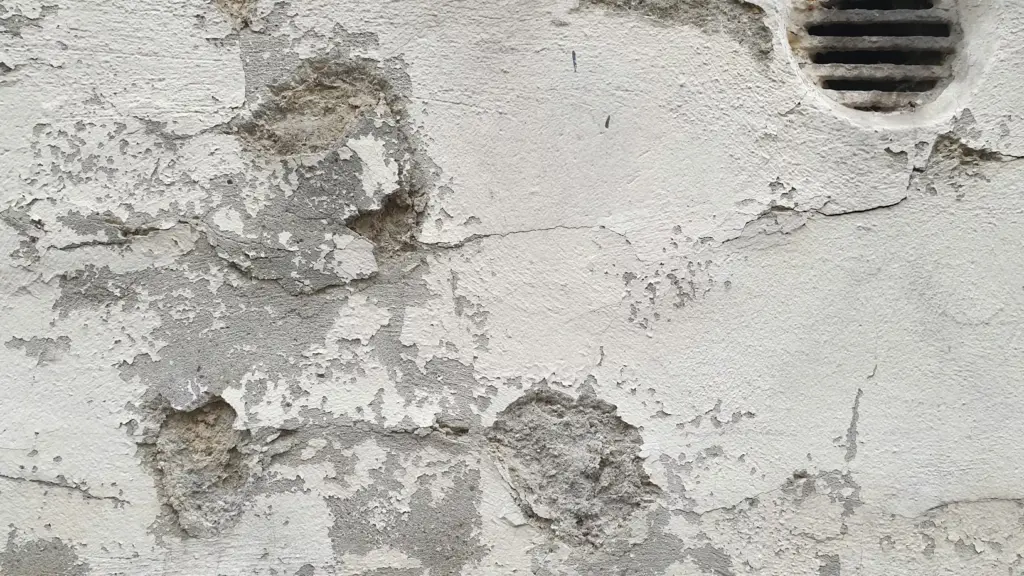
Elevated moisture levels in pier and beam crawl space environments promote wood-destroying fungi. When wood moisture content exceeds 20%, decay fungi actively digest wood fibers, compromising structural integrity. Floor joists, beams, and subflooring all risk rot damage from sustained high humidity. Visual inspection may reveal discolored, soft, or crumbling wood indicating advanced decay requiring replacement. Properties experiencing foundation issues should seek professional evaluation—Sugar Land homeowners can access expert foundation repair Sugar Land services addressing both moisture sources and structural damage.
Pest Infestations
Pier and beam crawl space areas attract various pests seeking shelter and food. Termites find ideal conditions in damp crawl spaces with wood-to-soil contact. Rodents nest in insulation and chew through wiring. Snakes, insects, and other creatures establish homes in neglected crawl spaces. Regular inspection and proper maintenance discourage pest activity while early detection prevents extensive damage. Addressing moisture issues simultaneously reduces pest attraction since many insects thrive in humid environments.
Settling and Structural Movement
Pier foundations naturally experience some settling as soil consolidates under loads. Excessive or differential settlement in pier and beam crawl space systems causes sagging floors, cracked walls, and sticking doors. Pier deterioration, inadequate footing size, or poor soil conditions contribute to settlement problems. Modern pier systems using engineered solutions provide superior stability—understanding concrete pier options helps homeowners evaluate repair strategies.
For comprehensive information about pier foundation systems, read our guide on Concrete Pier Foundation.
Signs Your Pier and Beam Crawl Space Needs Attention
Recognizing problems early enables less expensive repairs. Watch for these indicators your pier and beam crawl space requires professional evaluation:
Sagging or bouncy floors
Noticeable floor deflection when walking indicates weakened support structures. Joists may be damaged from moisture or piers may have settled. This symptom requires immediate attention preventing progressive failure.
Cracks in walls and ceilings
Foundation movement stresses wall and ceiling materials creating cracks. Diagonal cracks from door and window corners particularly indicate foundation problems requiring professional assessment.
Musty odors and poor air quality
Moldy or musty smells indicate moisture and possible mold growth in pier and beam crawl space areas. Since air from crawl spaces migrates into living spaces, this affects indoor air quality and occupant health.
Visible crawl space damage
Direct observation of standing water, deteriorated wood, shifted piers, or other damage confirms problems requiring intervention. Regular crawl space inspection enables early problem detection.
Doors and windows that stick
Foundation movement alters building geometry causing doors and windows to bind in frames. This common symptom indicates structural shifting potentially requiring foundation repairs. Professional pier and beam foundation repair Sugar Land services can evaluate severity and recommend appropriate solutions.
Proper Pier and Beam Crawl Space Ventilation
Adequate ventilation proves critical for healthy pier and beam crawl space environments. Building codes typically require 1 square foot of ventilation per 150 square feet of crawl space area when vapor barriers are installed, or 1:300 without barriers. The International Residential Code provides specific requirements ensuring adequate air circulation preventing moisture accumulation.
Ventilation Strategies
Traditional pier and beam crawl space ventilation relies on foundation vents allowing natural air circulation. Position vents on opposite walls creating cross-ventilation. Some situations benefit from powered ventilation fans improving air exchange in difficult conditions. However, humid climates may experience problems with traditional venting—bringing humid outdoor air into crawl spaces can increase rather than decrease moisture levels. Modern encapsulation approaches seal crawl spaces from outside air, controlling humidity through dehumidification. Each strategy offers advantages depending on climate and specific conditions.
Vapor Barriers and Moisture Control
Installing proper vapor barriers dramatically reduces ground moisture entering pier and beam crawl space environments. Six-mil polyethylene sheeting minimum—preferably 10-20 mil reinforced material—covers crawl space floors extending up foundation walls. Seal seams and penetrations creating continuous moisture barriers. This simple improvement often resolves chronic humidity problems protecting structural components and improving indoor air quality. Properties with persistent moisture challenges may require professional solutions including drainage improvements and foundation repairs—house leveling service Sugar Land contractors can evaluate comprehensive moisture management strategies.
Inspection and Maintenance Best Practices
Proactive pier and beam crawl space maintenance prevents expensive problems:
Regular Inspection Schedule
Inspect your pier and beam crawl space at least twice yearly—spring and fall transitions when seasonal changes stress foundations. Additional inspections after heavy rains, droughts, or when symptoms appear provide early problem detection. Many homeowners neglect crawl space inspection due to access difficulty or unpleasant conditions, yet regular monitoring prevents minor issues from escalating into major structural failures requiring extensive repairs.
What to Look For
During pier and beam crawl space inspections, examine:
- Wood condition – Check joists, beams, and subfloor for discoloration, soft spots, or visible decay
- Pier integrity – Look for cracked, shifted, or settling piers requiring stabilization
- Moisture signs – Note standing water, damp soil, or high humidity levels
- Pest activity – Identify termite tubes, rodent droppings, or insect damage
- Ventilation function – Verify vents remain unobstructed and vapor barriers stay intact
- Plumbing condition – Check for leaks contributing to moisture problems
Professional vs. DIY Inspection
Homeowners can perform basic visual inspections identifying obvious problems. However, professional structural engineers and foundation specialists possess expertise recognizing subtle warning signs predicting future failures. Consider professional inspection annually or when purchasing property, after natural disasters, or when symptoms suggest structural problems. Advanced pier systems like push piers provide superior foundation stabilization for severe settlement understanding these options helps homeowners make informed repair decisions.
For detailed information about modern pier solutions, read our article on Push Pier Foundation Repair.
Moisture Control Solutions
Controlling moisture in pier and beam crawl space environments requires multi-faceted approaches:
Vapor barriers
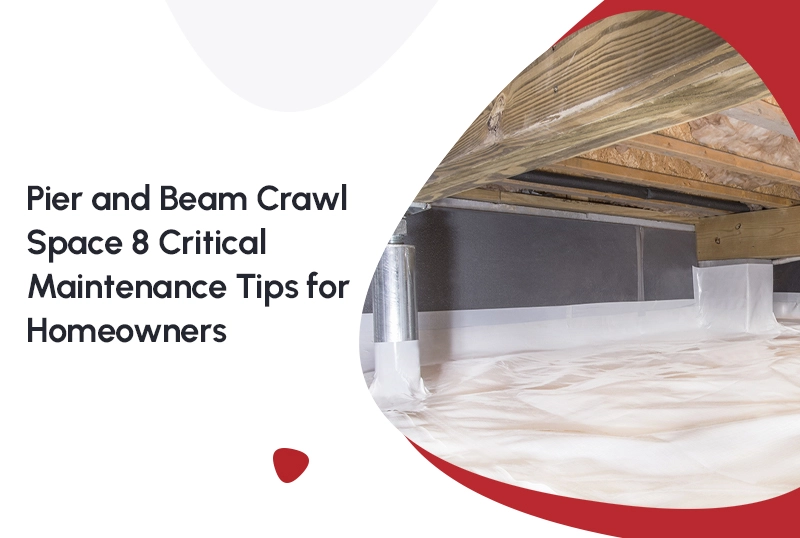
Install heavy-duty polyethylene sheeting covering all exposed soil. Overlap seams by 12 inches and seal with specialized tape. Extend material 6 inches up foundation walls securing with mechanical fasteners. This creates ground moisture barriers preventing evaporation into crawl space air.
Dehumidification
In humid climates or problem spaces, crawl space dehumidifiers actively remove moisture maintaining humidity below 60%. Size equipment appropriately for space volume and expected moisture loads. Modern units with built-in condensate pumps and automatic controls provide hands-off operation.
Drainage improvements
Address water collecting in or around pier and beam crawl space areas through proper grading, gutters and downspouts, French drains, or sump pumps. Preventing water accumulation eliminates moisture sources protecting foundations and structural components.
Encapsulation benefits
Full crawl space encapsulation seals spaces from outside environment, installs vapor barriers, insulates foundation walls, and conditions air. This comprehensive approach often provides superior moisture control compared to traditional ventilation, particularly in humid climates. While more expensive initially, encapsulation reduces energy costs while protecting foundations.
When to Call Professional Help
While homeowners can perform basic pier and beam crawl space maintenance, certain situations require professional expertise:
Structural damage – Rotted beams, joists, or subfloors require professional replacement ensuring proper support restoration. Structural repairs demand expertise preventing inadequate fixes that could fail catastrophically.
Foundation settlement – Sagging floors, large cracks, or obvious settling indicate foundation problems beyond homeowner capabilities. Professional foundation contractors evaluate soil conditions, determine repair requirements, and implement appropriate pier systems stabilizing structures.
Persistent moisture – If moisture problems continue despite ventilation improvements and vapor barriers, professional assessment identifies hidden sources and recommends comprehensive solutions. Complex drainage issues or high water tables may require specialized engineering.
Extensive pest damage – Widespread termite or carpenter ant damage in pier and beam crawl space structures necessitates both pest control and structural repairs. Professional contractors coordinate extermination and reconstruction ensuring complete problem resolution.
Conclusion: Protecting Your Foundation Investment
Your pier and beam crawl space requires regular attention preventing moisture damage, structural deterioration, and expensive repairs. The accessible nature of these foundations provides advantages—leverage this accessibility through consistent inspection and proactive maintenance. Addressing minor problems immediately prevents escalation into major structural failures threatening home safety and value.
Understanding common pier and beam crawl space problems, implementing proper moisture control, maintaining adequate ventilation, and recognizing when professional help becomes necessary empowers homeowners to protect foundation investments. Whether installing vapor barriers, improving drainage, or addressing settlement issues, each maintenance action contributes to long-term structural integrity.
Don’t wait until serious problems develop—establish regular inspection routines and address issues promptly. Your pier and beam crawl space serves as your home’s foundation literally supporting everything above. Treat it with appropriate care ensuring it continues providing stable, reliable support for generations. When problems exceed homeowner capabilities, don’t hesitate contacting qualified foundation professionals who possess expertise ensuring repairs meet engineering standards protecting your most valuable asset.
FAQs (Frequently Asked Questions)
1. What is the difference between a crawl space and a pier and beam foundation?
A crawl space is the open area beneath your home that provides access to plumbing, wiring, and structural components. A pier and beam foundation is the structural system that creates this crawl space. It uses vertical piers (concrete or steel) and horizontal beams to elevate the home above ground.
2. What are the downsides of a pier and beam foundation?
While pier and beam systems offer flexibility and easy access, they also come with challenges such as:
- Moisture buildup leading to mold or wood rot
- Sagging or bouncy floors when beams weaken
- Pest intrusion in poorly sealed crawl spaces
- Higher maintenance in wet or clay-heavy regions
Regular inspections and proper ventilation reduce most of these issues.
3. What are common pier and beam problems?
Typical issues include:
- Rotting or deteriorating wooden beams
- Settling or shifting support piers
- Moisture accumulation or standing water in the crawl space
- Sagging floors due to failing joists
- Mold, mildew, or pests in damp crawl spaces
These problems usually require pier and beam foundation repair to restore stability.
4. How long do pier and beam foundations last?
A well-built pier and beam foundation can last 75–100 years or more with proper maintenance. However, wood components in humid or moisture-prone climates may require repairs or replacement every 20–30 years. Regular crawl space inspections extend the foundation’s lifespan significantly.
5. What type of flooring is best for a pier and beam house?
The most suitable flooring options are:
- Hardwood or engineered wood (flexible and breathable)
- Luxury vinyl plank (LVP) (water-resistant and stable)
- Laminate flooring (durable and cost-effective)
Avoid stone tile or natural tile unless the subfloor is reinforced—these materials can crack due to foundation movement.
6. Is a pier and beam foundation worth the money?
Yes. Pier and beam foundations offer several benefits:
- Easy access for plumbing and electrical repairs
- Better ventilation for homes in wet climates
- Flexibility on uneven terrain
- Less risk of slab cracking compared to concrete slabs
They often cost more upfront than slab foundations but offer long-term maintenance advantages.
7. How do I hide my pier and beam foundation and create a crawl space?
You can enclose and improve your crawl space by:
- Adding skirting or lattice around the perimeter
- Installing vent covers or insulated panels
- Using crawl space encapsulation for moisture control
- Adding access doors for plumbing or maintenance
These steps improve curb appeal while protecting the foundation from pests, moisture, and weather.