Slab foundation repair represents one of the most critical investments homeowners face when foundation problems emerge. Unlike pier and beam foundations with accessible crawl spaces, slab-on-grade foundations sit directly on soil, making problems less visible until symptoms become severe. Recognizing early warning signs enables timely slab foundation repair intervention preventing minor issues from escalating into catastrophic structural failures costing tens of thousands of dollars.
This comprehensive guide examines ten essential warning signs indicating your home needs professional foundation attention, explores common problems affecting slab foundations, and explains repair processes protecting your property investment. Understanding these indicators empowers homeowners to act decisively, securing structural integrity and preserving property value.
Understanding Slab Foundations and Why They Need Repair
Slab foundations consist of concrete pads poured directly on prepared ground, typically 4-6 inches thick with reinforcing steel. This construction method, prevalent in areas with high water tables or expansive clay soils, eliminates crawl spaces and basements. According to the U.S. Department of Housing and Urban Development, slab foundations offer advantages including lower construction costs, reduced pest access, and energy efficiency. However, these benefits come with unique challenges when problems develop, slab foundation repair becomes complex since accessing beneath slabs requires specialized techniques.
The primary vulnerability of slab foundations involves soil movement beneath concrete. Expansive clay soils swell when saturated and shrink when dry, creating uplift and settlement stresses. Poor drainage concentrates water against foundations, accelerating soil expansion. Plumbing leaks beneath slabs saturate soil causing localized swelling. These factors combine creating conditions necessitating professional slab foundation repair to stabilize structures and prevent progressive damage.
Common Problems Requiring Slab Foundation Repair
Several issues commonly necessitate slab foundation repair:
Soil Movement and Foundation Settlement
Expansive clay soils create the most prevalent problem requiring slab foundation repair. The U.S. Geological Survey estimates expansive soils affect property in every state, causing more annual damage than earthquakes, floods, and hurricanes combined. These soils expand up to 10% when saturated, generating pressures exceeding 5,000 pounds per square foot sufficient to crack concrete and lift entire structures. Conversely, during droughts, soil shrinks away from foundations creating voids and differential settlement.
Plumbing Leaks Beneath Slabs
Water and sewer lines embedded in or beneath slabs eventually develop leaks from corrosion, ground movement, or material failure. These hidden leaks saturate soil directly beneath foundations, creating localized heaving and settlement patterns. Professional slab foundation repair often requires addressing plumbing issues simultaneously—repairing foundations without fixing leaks ensures problems recur. Properties experiencing persistent foundation movement should investigate plumbing integrity before proceeding with structural repairs.
Poor Drainage and Moisture Control
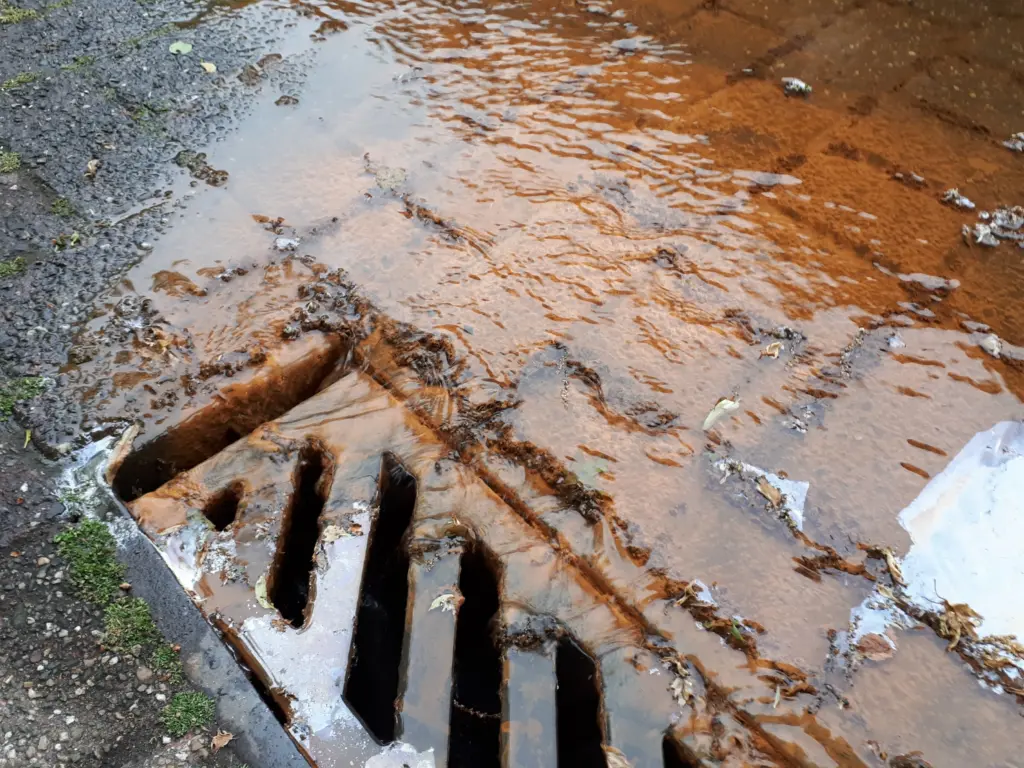
Inadequate drainage directing water toward rather than away from foundations accelerates soil movement requiring slab foundation repair. Negative grading, malfunctioning gutters, and concentrated downspout discharge create conditions promoting foundation problems. Spring residents can access professional foundation repair Spring services addressing both drainage issues and structural repairs ensuring comprehensive solutions.
10 Essential Warning Signs You Need Slab Foundation Repair
Recognizing these indicators enables timely slab foundation repair intervention:
Cracks in interior walls and ceilings
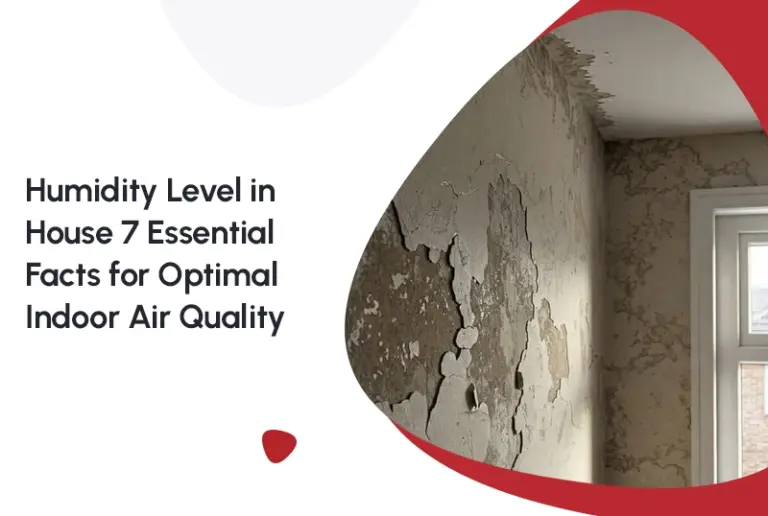
Diagonal cracks extending from door and window corners indicate foundation movement. Horizontal cracks along wall-ceiling junctions demonstrate settlement or heaving. While minor hairline cracks prove cosmetic, cracks exceeding 1/4 inch width or continuing to widen signal serious problems requiring slab foundation repair evaluation.
Uneven or sloping floors
Noticeable floor slopes where objects roll or furniture appears unlevel indicate differential settlement. Foundation sections sinking or heaving create these conditions. Properties experiencing significant floor slopes should consider professional house leveling service Spring contractors who can assess severity and recommend appropriate slab foundation repair methods.
Doors and windows sticking or not closing properly
Foundation movement alters building geometry causing door and window frames to shift. Doors that previously operated smoothly now stick, or gaps appear when closed. This common symptom indicates foundation problems potentially requiring repair intervention.
Cracks in exterior brick or foundation
Stair-step cracks in brick veneer, horizontal cracks in foundation concrete, or vertical cracks wider than 1/4 inch signal movement requiring slab foundation repair. These exterior signs often prove more serious than interior symptoms, indicating substantial structural stress.
Separation between walls and ceilings or floors
Visible gaps where walls meet ceilings or where walls connect to floors demonstrate significant foundation displacement. According to the American Society of Civil Engineers, gaps exceeding 1/2 inch typically require structural engineering evaluation determining appropriate repair strategies.
Cracked or broken floor tiles
Ceramic or porcelain floor tiles crack when underlying slabs settle or heave. Multiple cracked tiles in patterns or concentrated areas indicate localized foundation movement necessitating slab foundation repair attention.
Plumbing problems and water pressure issues
Slab foundation movement can crack embedded plumbing lines. Unexplained water pressure drops, hot water running out quickly, or sounds of running water when fixtures are off suggest slab leaks requiring immediate attention. These leaks often contribute to foundation problems, making simultaneous plumbing and structural repairs necessary.
Moisture or dampness on floors
Unexplained damp spots, standing water, or persistent moisture on concrete floors indicate plumbing leaks beneath slabs. This moisture saturates soil causing heaving that may require slab foundation repair once leaks are addressed.
Gaps between moldings and walls
Crown molding, baseboards, or door trim separating from walls indicates structural movement. While minor gaps prove normal in new construction, widening gaps or sudden separation suggests foundation settlement requiring evaluation.
Cabinets or countertops pulling away from walls
Kitchen or bathroom cabinets detaching from walls demonstrate significant structural movement. This symptom typically indicates advanced foundation problems requiring comprehensive slab foundation repair intervention.
The Professional Slab Foundation Repair Process
Professional slab foundation repair follows systematic procedures ensuring lasting results:
Comprehensive Foundation Inspection
Every slab foundation repair project begins with thorough structural assessment. Licensed professionals conduct elevation surveys mapping foundation positions, identify settlement and heaving patterns, evaluate soil conditions, assess drainage and moisture issues, and determine underlying problem causes. This engineering analysis ensures repair strategies address root causes rather than merely treating symptoms.
Repair Method Selection
Based on assessment findings, contractors recommend appropriate slab foundation repair techniques. Steel pier systems provide permanent stabilization for severe settlement, hydraulically driven deep into stable soil supporting foundations. Pressed concrete piers offer similar support for substantial problems. Polyurethane foam injection lifts settled slabs through controlled expansion. Mudjacking pumps cement slurry beneath slabs raising them to proper elevations. Each method suits specific conditions professionals select approaches maximizing effectiveness while minimizing costs.
Installation and Structural Correction
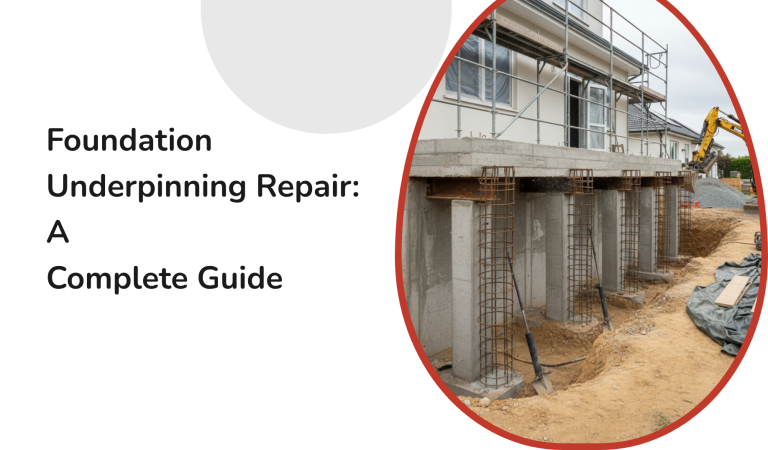
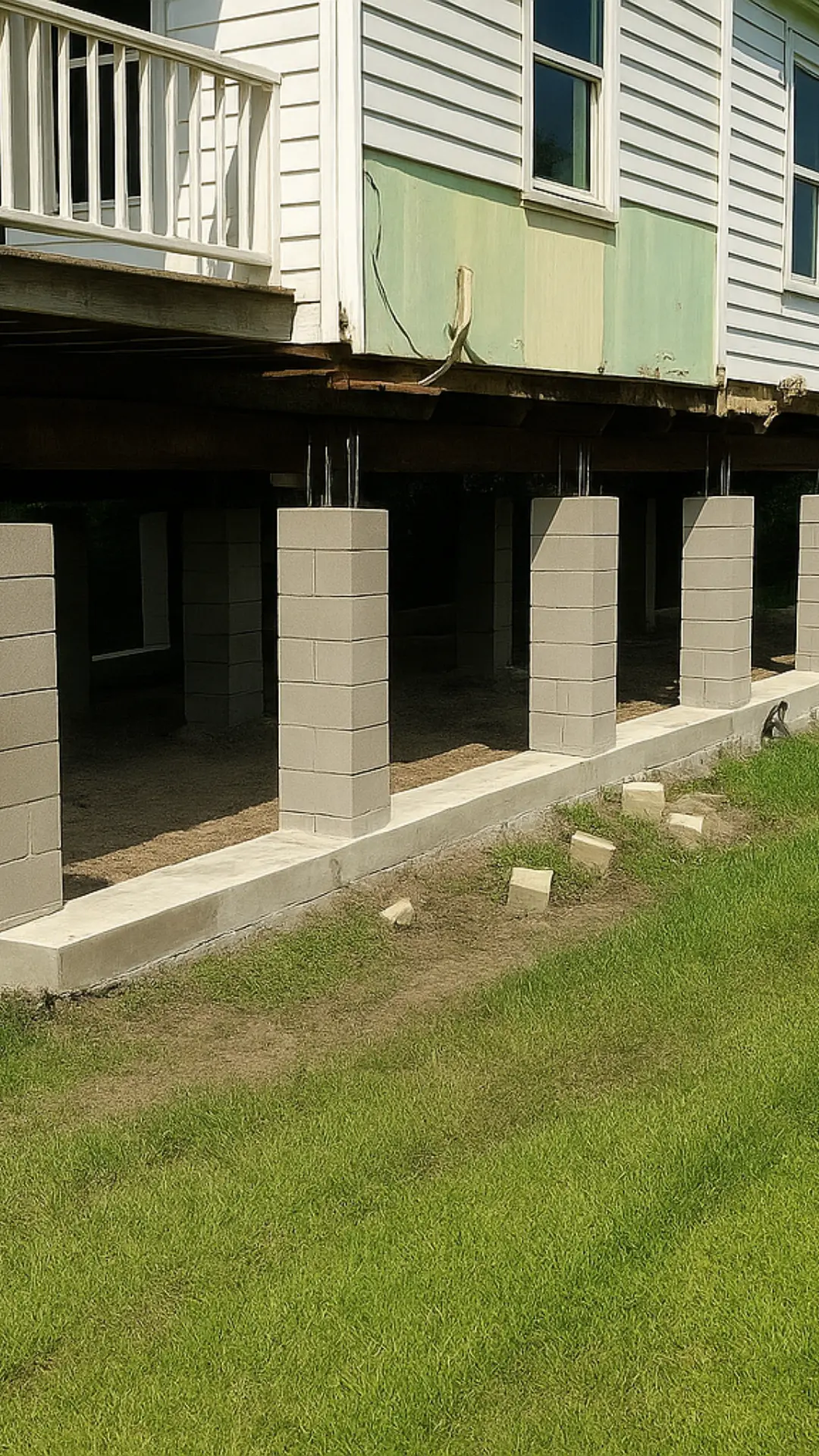
During slab foundation repair implementation, contractors install chosen support systems at strategic locations beneath foundations. Steel or concrete piers extend through unstable surface soils reaching competent bearing strata, permanently transferring structural loads. Lifting processes gradually raise foundations to proper elevations, closing cracks and releveling floors. Properties with multiple foundation types may require specialized approaches—professional pier and beam foundation repair Spring contractors adapt techniques ensuring comprehensive solutions for complex situations.
Quality Verification and Documentation
After completing slab foundation repair work, contractors verify results through precision measurement confirming foundations meet elevation specifications. Professional documentation includes engineering reports, repair records, and warranty information. This documentation proves valuable for future property sales, demonstrating foundation issues received appropriate professional attention.
Cost Factors for Slab Foundation Repair
Understanding variables affecting slab foundation repair costs helps homeowners budget appropriately:
Severity and extent of damage
Minor settlement affecting small areas costs significantly less than extensive foundation problems requiring numerous support piers. Slab foundation repair projects range from $4,000-$8,000 for moderate issues to $15,000-$30,000+ for severe widespread problems.
Repair method selected
Steel pier systems cost more than polyurethane foam injection but provide superior long-term stability for severe problems. Contractors recommend methods balancing effectiveness with budget constraints, ensuring slab foundation repair delivers lasting value.
Home size and accessibility
Larger homes require more piers or greater material quantities increasing costs. Difficult access, underground utilities, or landscaping obstacles complicate work raising labor expenses.
Regional factors
Local soil conditions, labor rates, and material costs vary by region. Areas with particularly challenging expansive soils may require more extensive slab foundation repair systems increasing project costs.
Preventing Future Slab Foundation Problems
After investing in slab foundation repair, protecting foundations from future problems makes economic sense:
Maintain proper drainage
Ensure gutters and downspouts direct water at least 10 feet from foundations. Maintain proper grading sloping away from homes. Install French drains or surface drainage systems if needed preventing water accumulation near foundations.
Control soil moisture
In areas with expansive clay soils, maintain relatively consistent soil moisture through controlled irrigation during dry periods. Prevent extreme moisture fluctuations that stress foundations requiring eventual slab foundation repair.
Schedule regular inspections
Annual foundation inspections identify emerging problems before they require expensive repairs. Professional contractors detect subtle warning signs homeowners might miss, enabling proactive intervention.
Address plumbing issues promptly
Investigate unusual water bills, pressure changes, or moisture problems immediately. Hidden plumbing leaks cause significant foundation damage over time, making early detection critical for preventing costly structural repairs.
Choosing the Right Slab Foundation Repair Contractor
Selecting qualified contractors ensures successful slab foundation repair outcomes:
Verify credentials and experience
Confirm contractors hold appropriate state licenses, bonding, and comprehensive insurance. Verify specific experience with slab foundations rather than just general foundation work. Slab foundation repair requires specialized expertise and equipment.
Request engineering documentation
Professional repairs require engineering analysis and specifications. Contractors should employ licensed structural engineers or work with independent engineering firms providing sealed plans ensuring repairs meet building code requirements.
Review warranty coverage
Comprehensive warranties covering materials and workmanship for 20+ years demonstrate contractor confidence. Transferable warranties add value should you sell your property, assuring buyers that foundation issues received professional, warranted attention.
Conclusion: Protecting Your Home Through Timely Slab Foundation Repair
Slab foundation repair represents essential investment protecting structural integrity, safety, and property value. The ten warning signs outlined above enable early problem detection recognizing symptoms like floor slopes, wall cracks, and sticking doors empowers homeowners to seek professional help before minor issues escalate into catastrophic failures. Unlike pier and beam systems where problems remain visible, slab foundation issues hide until symptoms become severe, making vigilant monitoring critical.
Professional slab foundation repair provides lasting solutions addressing root causes rather than merely treating symptoms. Modern repair techniques including steel pier systems, polyurethane foam injection, and advanced engineering ensure foundations receive appropriate stabilization protecting homes for decades. While costs seem substantial initially, they pale compared to progressive structural damage from ignored foundation problems.
Don’t delay when foundation warning signs appear. Contact qualified slab foundation repair contractors who can assess your situation accurately, explain available solutions, and provide detailed proposals outlining recommended approaches, timelines, and costs. Your home’s structural stability depends on sound foundations invest in professional slab foundation repair ensuring lasting protection for your most valuable asset.
FAQs (Frequently Asked Questions)
1. Can a slab foundation be repaired?
Yes, most slab foundations can be repaired. Common techniques include slab leveling with polyurethane foam, mudjacking, installing steel or concrete piers, and tunneling to access plumbing beneath the slab. Repairs depend on identifying what caused the damage soil movement, moisture imbalance, or structural stress but in most cases, the foundation can be stabilized and restored.
2. When can a foundation NOT be repaired?
A foundation may be beyond repair when the concrete is severely deteriorated, crumbling, or structurally collapsing. It may also be unrepairable if there is extreme soil erosion, massive plumbing destruction under the slab, or if the house cannot be safely lifted or stabilized. These cases are rare most slab issues can be fixed with the right methods.
3. How long does a slab foundation last?
A well-built slab foundation can last 80–100 years or more with proper maintenance. Factors that affect lifespan include soil type, moisture levels, drainage quality, and whether plumbing leaks are addressed quickly. In regions with expansive clay soil, monitoring moisture around the foundation is especially important to maintain longevity.
4. How to tell if a slab foundation is bad?
Signs of slab foundation problems include:
- Cracks in interior walls, floors, or ceilings
- Sloping or uneven floors
- Doors and windows sticking or not aligning
- Gaps between walls and floors
- Cracks in exterior brickwork
- Separation around window/door frames
- Water pooling around the foundation
If multiple symptoms appear, a professional evaluation is needed.
5. When is a foundation considered major repair?
A foundation issue is considered major when it affects structural stability such as severe settling, large cracks, significant slab movement, bowing walls, or widespread soil shifting beneath the home. Major repairs often require piers, underpinning, tunneling, or advanced structural corrections.
6. Is it okay to buy a house on a slab?
Yes. Slab foundations are strong, low-maintenance, and ideal for warm climates. They eliminate crawl space moisture issues, termites, and water intrusion from below. The key is ensuring good drainage, consistent soil moisture, and routine inspections especially in clay-heavy areas where soil expansion and contraction are common.
7. Can a house foundation last 200 years?
A slab foundation can last over 100 years, but reaching 200 years is uncommon. Lifespan depends on construction quality, soil stability, moisture control, and environmental conditions. Historic homes that last centuries typically have stone, pier, or reinforced foundations not modern slabs. Still, with excellent maintenance, a slab can remain stable for many decades.