Your home’s foundation is literally what stands between you and disaster. While most homeowners don’t think about what’s beneath their feet until problems arise, understanding foundation systems particularly pier foundations can save you thousands of dollars and countless headaches. In Humble, Texas, where soil conditions can be challenging due to expansive clay and shifting ground, a pier foundation system often provides the stability that traditional foundations struggle to maintain.
Whether you’re building a new home, dealing with foundation issues, or simply want to understand what supports your most significant investment, this comprehensive guide will walk you through everything you need to know about pier foundation systems, their benefits, and when they’re the right solution for your home.
What is a Pier Foundation?
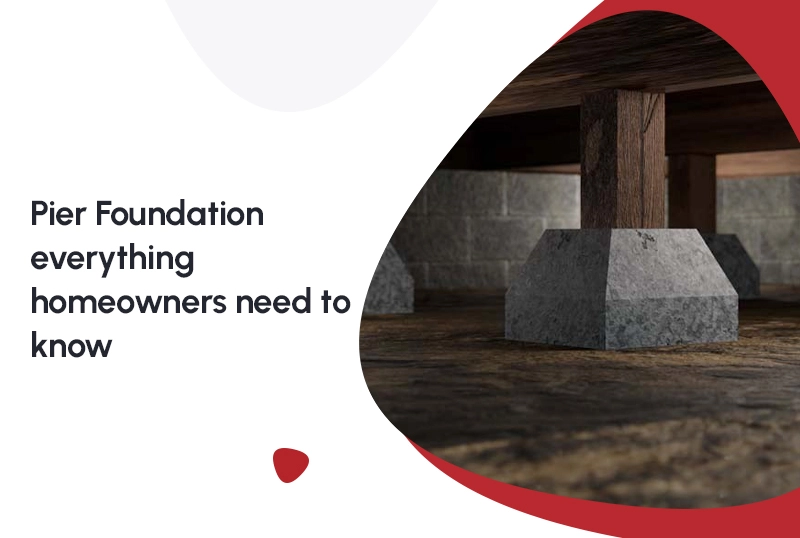
A pier foundation is a deep foundation system that transfers the weight of a structure through weak or unstable soil layers down to more stable soil or bedrock beneath. Unlike shallow foundations that rely on surface-level soil support, a pier foundation uses vertical columns called piers or piles that extend deep into the ground to anchor your home securely.
Think of it like planting fence posts. A shallow post might wobble in loose soil, but one driven deep into firm ground stands solid. The same principle applies to pier foundation systems. These piers act as anchors, bypassing problematic soil layers and reaching down to stable ground that can properly support your home’s weight.
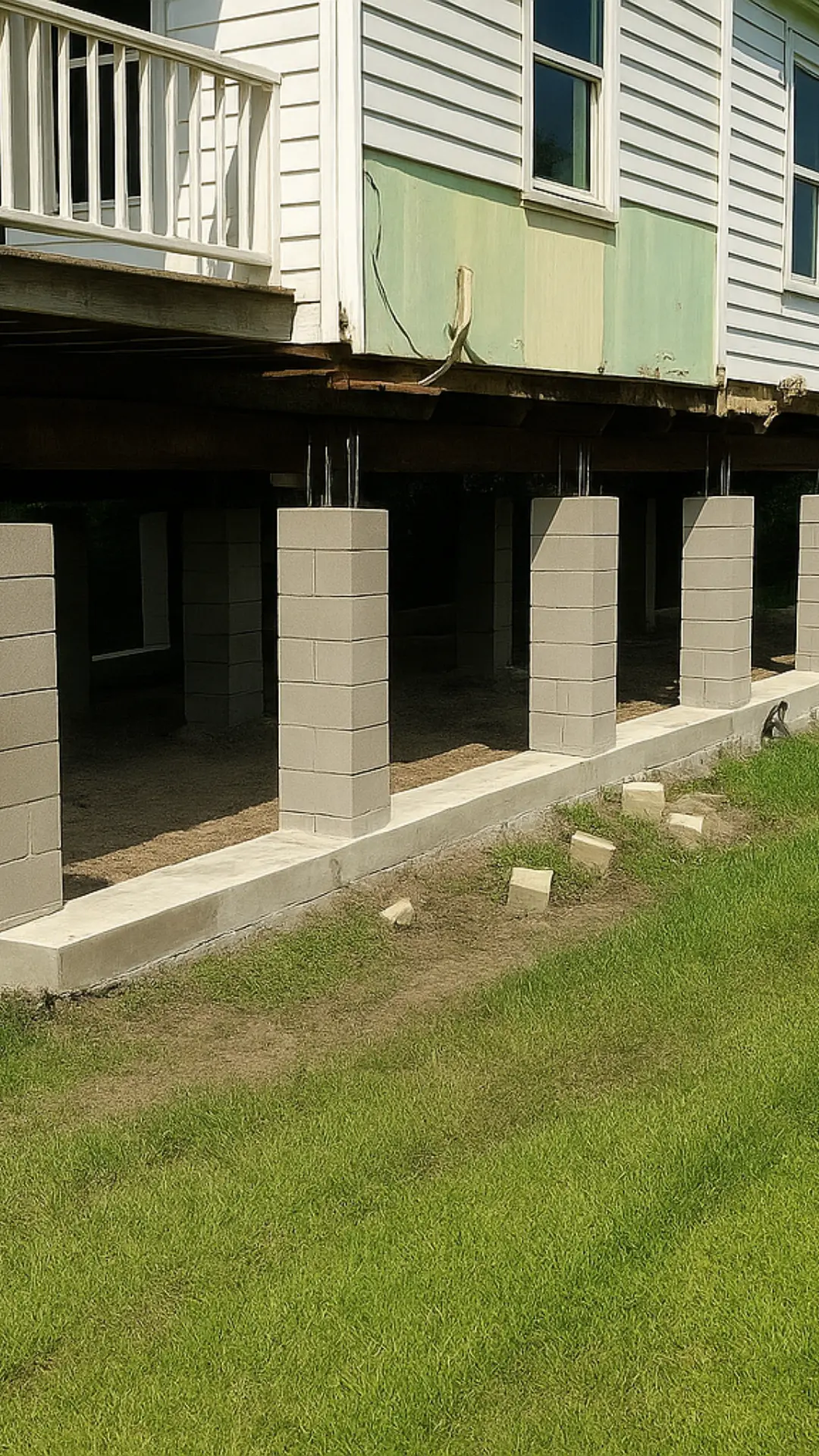
The basic anatomy of a pier foundation includes:
- Piers/Piles: Vertical support columns made from concrete, steel, or other materials
- Pier Caps: The connection point between piers and the structure
- Grade Beams: Horizontal beams that distribute weight across multiple piers
- Footings: The base where piers rest on stable soil or bedrock
Pier foundation systems are particularly valuable in areas with expansive clay soils, high water tables, or regions prone to soil movement conditions frequently found in Humble and throughout the Houston area.
For more information: Understanding pier footing design is crucial for proper foundation support. Learn more about the technical aspects in our comprehensive guide on Pier Footing Design and Installation.
Types of Pier Foundations
Not all pier foundation systems are created equal. Different situations call for different solutions, and understanding the various types can help you make informed decisions about your home’s foundation needs.
Concrete Piers
Concrete piers are among the most traditional and widely used pier foundation types. These solid concrete cylinders are either poured in place or installed as precast units. According to the Federal Emergency Management Agency (FEMA), concrete piers provide excellent load-bearing capacity and work well in most soil conditions.
Advantages:
- Exceptional compressive strength
- Long lifespan (50+ years with proper installation)
- Resistant to moisture and insects
- Cost-effective for many applications
Steel Piers
Steel piers, also called pressed pilings or push piers, are driven deep into the soil until they reach bedrock or load-bearing strata. These pier foundation elements consist of steel tubes or channels that are hydraulically driven into the ground.
Advantages:
- Can reach very deep stable soils
- Minimal excavation required
- Quick installation process
- Ideal for heavy structures
- Excellent for foundation repair in Humble
For more information: Steel piers, also known as push piers, offer exceptional stability for foundation repairs.
To learn more about this specific technique, read our detailed article on Push Pier Foundation Repair.
Helical Piers
Helical piers feature screw like blades that allow them to be ‘screwed’ into the ground. The U.S. Department of Housing and Urban Development (HUD) recognizes helical piers as an effective deep foundation system for various applications.
Advantages:
- Immediate load-bearing capacity
- Minimal soil disturbance
- Adjustable depth
- Suitable for areas with limited access
- Can be installed in any weather
Drilled Shafts (Caissons)
These are large-diameter pier foundation elements created by drilling deep holes and filling them with reinforced concrete. They’re typically used for larger structures or when massive load-bearing capacity is required.
Advantages:
- Handles enormous loads
- Excellent in difficult soil conditions
- Can be installed to great depths
- Provides lateral stability
The choice of pier foundation type depends on several factors including soil conditions, structural loads, budget, and specific site constraints. A professional foundation contractor can assess your situation and recommend the most appropriate pier foundation solution.
Signs You Need Pier Foundation Repair
Recognizing foundation problems early can prevent minor issues from becoming major disasters. Here are the telltale signs that your home might need pier foundation intervention:
Structural Cracks
Cracks are often the first visible sign of foundation problems. Look for:
- Diagonal cracks extending from corners of doors and windows
- Stair-step cracks in brick or masonry
- Horizontal cracks in foundation walls
- Gaps between walls and ceiling or walls and floors
Not all cracks indicate serious problems, but they want professional inspection. The U.S. Geological Survey (USGS) notes that foundation settlement can manifest through various crack patterns.
Doors and Windows That Stick
When your pier foundation settles unevenly, it can cause door and window frames to shift out of square. You might notice:
- Doors that suddenly stick or won’t latch properly
- Windows that are difficult to open or close
- Gaps around door and window frames
- Doors that swing open or closed on their own
Uneven or Sloping Floors
Walk around your home and pay attention to how the floors feel. Warning signs include:
- Visible slopes or dips in flooring
- Marbles or balls rolling to one side of the room
- Gaps between baseboards and floors
- Creaking or bouncing floors
These issues often indicate that your pier foundation needs adjustment or that additional piers are required. Professional house leveling service in Humble can address these concerns.
Exterior Warning Signs
Don’t forget to inspect the outside of your home:
- Foundation walls that are bowing or leaning
- Gaps between the foundation and the ground
- Cracks in exterior brick or siding
- Chimneys leaning or separating from the house
- Wet or damp crawl spaces
If you notice any of these signs, it’s time to contact a foundation specialist. Early intervention can often prevent more extensive and expensive repairs down the line.
The Pier Foundation Installation Process
Understanding how a pier foundation system is installed can help you know what to expect if you need foundation work. While the exact process varies depending on the type of piers and specific site conditions, here’s a general overview:
Step 1: Comprehensive Inspection and Assessment
A qualified foundation engineer evaluates your property to determine:
- Soil composition and bearing capacity
- Extent of foundation damage or settlement
- Required number and placement of piers
- Most appropriate pier foundation type for your situation
- Load calculations and structural requirements
Step 2: Site Preparation
Before installing the pier foundation system:
- The work area is cleared and marked
- Utility lines are located and marked
- Access points are created to foundation areas
- Excavation is performed if necessary (minimal for some pier types)
Step 3: Pier Installation
The installation method varies by pier type:
For Steel Piers:
- Piers are hydraulically driven into the ground
- Installation continues until adequate bearing capacity is reached
- Depth typically ranges from 15 to 30 feet, sometimes deeper
- No curing time required
For Concrete Piers:
- Holes are drilled or excavated
- Forms are placed and reinforcement added
- Concrete is poured
- Curing period of several days required
For Helical Piers:
- Piers are mechanically screwed into the ground
- Torque is monitored to ensure proper installation
- Multiple sections may be added to reach stable soil
Step 4: Foundation Lifting and Stabilization
Once pier foundation elements are installed:
- Hydraulic jacks lift the foundation to the proper level
- The structure is carefully monitored during lifting
- Adjustments are made to achieve proper elevation
- Piers are secured to the foundation with brackets
Step 5: Final Inspection and Restoration
The project concludes with:
- Professional inspection of the completed work
- Backfilling and site restoration
- Cleanup of the work area
- Final walk-through with the homeowner
- Documentation and warranty information
The entire pier foundation installation typically takes 2-7 days, depending on the scope of work, number of piers, and weather conditions. For homes requiring pier and beam foundation repair in Humble, the timeline may vary based on the specific repair needs.
Benefits of Pier Foundation Systems
Why do foundation professionals often recommend pier foundation solutions? The advantages are numerous and compelling:
Superior Stability
A properly installed pier foundation system provides exceptional stability by:
- Transferring loads to competent soil or bedrock
- Bypassing problematic surface soils
- Resisting settlement and movement
- Maintaining structural integrity during soil changes
Adaptability to Challenging Soil Conditions
Humble’s clay rich soil expands when wet and contracts when dry, creating challenging conditions for foundations. A pier foundation system excels in these conditions because it anchors deep beneath the active soil zone where moisture fluctuations have minimal impact.
Cost-Effective Long-Term Solution
While the initial investment in a pier foundation repair or installation might seem significant, it’s actually cost-effective because:
- It addresses the root cause of foundation problems
- It prevents recurring issues and repeated repairs
- It protects your home’s structural integrity
- It maintains or increases property value
- Most systems come with transferable warranties
Minimal Disruption
Modern pier foundation installation techniques cause minimal disruption to your property:
- Limited excavation required
- Landscaping impacts are minimized
- Most work occurs at foundation level
- Installation is relatively quick
- Normal home activities can often continue
Versatility
Pier foundation systems aren’t just for repairs they’re also ideal for:
- New construction on challenging sites
- Home additions and expansions
- Supporting heavy structures like brick chimneys
- Addressing localized settlement issues
- Commercial and residential applications
Pier Foundation vs. Other Foundation Types
Understanding how pier foundation systems compare to other foundation types can help you make informed decisions about your home.
Pier Foundation vs. Slab Foundation
Slab foundations are concrete pads poured directly on the ground. While popular and economical for new construction, they have limitations:
Slab Foundations:
- Less expensive initially
- Faster to install
- Vulnerable to soil movement
- Difficult to repair when problems occur
- No access to plumbing underneath
Pier Foundations:
- More resistant to soil movement
- Can be adjusted if settlement occurs
- Better for expansive clay soils
- Higher initial cost but better long-term value
For more information: If you’re experiencing issues with a slab foundation, learn about warning signs and repair options in our comprehensive article on Slab Foundation Repair.
Pier Foundation vs. Pier and Beam Foundation
This comparison can be confusing because pier foundation elements are actually used in pier and beam systems. However, there’s a distinction:
Traditional Pier and Beam:
- Uses short piers (18-24 inches) supporting wooden beams
- Creates crawl space under home
- Easier access to plumbing and electrical
- Requires more maintenance than modern systems
Modern Pier Foundation Systems:
- Uses deeper piers reaching stable soil
- Can support various foundation types
- More stable in problematic soils
- Often combined with modern engineering techniques
For comprehensive information about pier and beam systems, consider exploring resources about pier and beam foundation repair in Humble.
Additionally, proper maintenance of the crawl space is essential for pier and beam foundations read our guide on Pier and Beam Crawl Space Maintenance for critical maintenance tips.
When Pier Foundations Are Ideal
A pier foundation system is often the best choice when:
- Building on slopes or hillsides
- Dealing with expansive clay soils
- Facing high water table conditions
- Requiring deep foundation support
- Repairing existing foundation problems
- Adding significant weight to a structure
Maintaining Your Pier Foundation
While pier foundation systems are designed for longevity, proper maintenance ensures they continue performing optimally:
Regular Visual Inspections
Conduct seasonal walk-throughs of your home:
- Check for new cracks in walls or floors
- Monitor doors and windows for changes
- Inspect foundation walls for signs of movement
- Look for standing water around the foundation
- Check crawl spaces for moisture issues
Proper Drainage Management
According to the National Association of Home Builders (NAHB), proper drainage is crucial for foundation health:
- Keep gutters clean and functional
- Ensure downspouts direct water at least 6 feet from the foundation
- Maintain positive grading around your home
- Address standing water promptly
- Consider French drains in problem areas
Moisture Control
- Maintain consistent soil moisture around your foundation
- Water foundation during drought conditions
- Use soaker hoses during extended dry periods
- Avoid oversaturation during wet seasons
- Monitor and control indoor humidity levels
Professional Inspections
Schedule professional pier foundation inspections:
- Every 2-3 years as preventive maintenance
- Annually if you’ve had previous foundation issues
- After major weather events (floods, droughts)
- Before buying or selling a home
- If you notice any warning signs
What Not to Do
Protect your pier foundation by avoiding:
- Planting large trees too close to the foundation
- Allowing water to pool near foundation walls
- Making unauthorized structural modifications
- Ignoring minor cracks or settling signs
- Attempting DIY foundation repairs
Conclusion
A pier foundation system represents one of the most reliable solutions for ensuring your home’s stability, particularly in areas like Humble where soil conditions can be challenging. Whether you’re dealing with an existing foundation problem, planning new construction, or simply want to understand your home’s support structure, knowing about pier foundation systems empowers you to make informed decisions.
The key takeaways include understanding that a pier foundation transfers loads to stable soil deep underground, that different pier types serve different purposes, and that early intervention prevents small problems from becoming major expenses. Regular maintenance and professional inspections help ensure your pier foundation system continues protecting your home for decades to come.
If you notice any signs of foundation problems cracks, sticking doors, uneven floors, or other warning signs don’t wait. Contact a qualified foundation repair specialist who can assess your situation and recommend the appropriate pier foundation solution. For homeowners in Humble, Texas, professional foundation repair in Humble services can evaluate your foundation and provide expert recommendations tailored to your specific needs.
Your home is your largest investment. Protecting it with a properly installed and maintained pier foundation system ensures it remains safe, stable, and valuable for years to come. Don’t hesitate to reach out to foundation professionals who can answer your questions and provide the expert guidance you need to keep your home on solid ground.
FAQs (Frequently Asked Questions)
1. What is a pier in a foundation?
A pier in a foundation is a vertical support structure made of concrete, steel, or other materials, designed to support and stabilize a building’s foundation. Piers are usually installed deep into the ground to reach stable soil or bedrock, providing support to the structure above, especially in areas with unstable soil conditions.
2. What are the disadvantages of a pier foundation?
Pier foundations can be expensive to install and may require ongoing maintenance, especially in areas with shifting soil. They also require excavation, which can disrupt the surrounding landscape and create a longer installation time. Additionally, pier foundations may be less effective in areas with certain soil conditions, such as expansive clay.
3. How deep should pier foundations be?
Pier foundations should typically be installed at least 10-20 feet deep, depending on the soil conditions and local building codes. In areas with unstable or expansive soils, the piers may need to go even deeper to reach stable ground that can adequately support the structure.
4. Is a pier foundation a shallow foundation?
No, a pier foundation is not considered a shallow foundation. It is a deep foundation system because it reaches deep into the ground to anchor the structure on stable soil or bedrock, making it suitable for areas with unstable or shifting soils.
5. What is the difference between a pile and a pier foundation?
The main difference between pile and pier foundations is the method of installation and their depth. Pile foundations are typically driven deep into the ground using a piling rig, whereas pier foundations are usually drilled or excavated to a specified depth. Piles are generally used for areas with extremely soft or loose soil, while piers are used for more stable soil conditions.
6. What is the strongest foundation for a house?
The strongest foundation for a house is typically one that is designed for the specific soil conditions and climate of the area. Pier and beam foundations or slab foundations reinforced with steel or concrete piers are often considered strong options, depending on the type of soil. Piles and piers are often used for heavier structures, providing the most reliable long-term support.
7. How deep should a foundation pier be?
A foundation pier should typically be at least 10-20 feet deep, depending on local soil conditions. In areas with soft or unstable soils, the pier may need to go deeper to reach solid ground or bedrock for proper support. The depth of the pier ensures that the foundation is stable and won’t settle or shift over time.