Your concrete slab foundation literally holds up everything you own—when it fails, you’re facing devastating damage that threatens your safety, destroys your property value, and costs tens of thousands to fix. Concrete slab foundation repair addresses the critical damage threatening Richmond homes, from dangerous cracks and severe settlement to complete structural failure. For Richmond homeowners, expansive clay soils, plumbing complications beneath slabs, and dramatic weather swings create perfect conditions for foundation disasters demanding immediate professional attention.
Every day you delay concrete slab foundation repair, the problem gets worse and more expensive. What starts as a small crack becomes catastrophic failure. This essential guide reveals everything Richmond property owners must know about concrete slab foundation repair—recognizing the warning signs before disaster strikes, understanding proven repair methods, navigating costs intelligently, and choosing contractors who actually deliver results that last.
Understanding Concrete Slab Foundations
Concrete slab foundation repair begins with understanding what makes slab foundations unique. A concrete slab foundation consists of a thick concrete pad, typically 4-6 inches deep, poured directly on compacted soil with thickened edges and steel reinforcement. Unlike raised pier and beam foundations that create crawl spaces, slab foundations sit flush with the ground, supporting homes directly without air space beneath.
According to the American Concrete Institute, slab foundations offer significant advantages including lower construction costs, faster installation, reduced pest problems, and elimination of crawl space moisture issues. These benefits explain why slab foundations dominate residential construction in Richmond and throughout Texas. The direct ground contact that makes slabs cost-effective, however, also creates vulnerability—when soil moves, water infiltrates, or construction quality proves inadequate, concrete slab foundation repair becomes necessary.
Professional concrete slab foundation repair specialists recognize that slab foundations behave differently than other foundation types. Settlement creates different stress patterns, repairs require different techniques, and prevention strategies differ fundamentally from pier and beam approaches. Richmond’s challenging soil conditions make understanding these differences critical for effective concrete slab foundation repair.
Common Concrete Slab Foundation Problems
Understanding typical problems helps homeowners recognize when concrete slab foundation repair becomes essential:
Foundation Settlement and Sinking
Settlement represents the most common problem demanding concrete slab foundation repair. When supporting soil consolidates, shrinks from moisture loss, or proves inadequately compacted, slabs gradually sink. While minor uniform settlement affecting entire slabs equally causes minimal damage, differential settlement where sections sink at different rates creates devastating stress. Differential settlement cracks walls, slopes floors, jams doors and windows, and can lead to catastrophic structural failure without proper concrete slab foundation repair intervention.
Slab Cracking (Types and Severity)
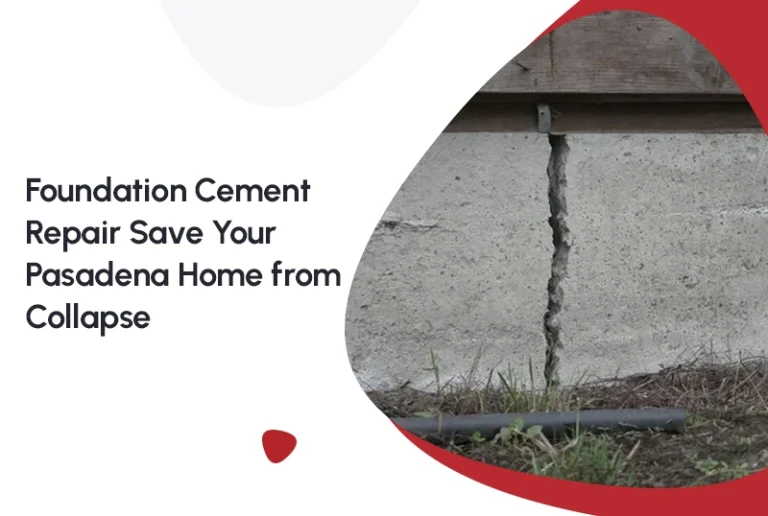
Not all concrete cracks demand immediate concrete slab foundation repair, but certain characteristics signal serious problems. According to the U.S. Geological Survey, soil characteristics dramatically impact foundation performance, with expansive soils causing substantial cracking. Hairline cracks under 1/16 inch wide often result from normal concrete curing, posing minimal risk. However, cracks exceeding 1/4 inch width, cracks continuing to widen, horizontal cracks, and multiple cracks in concentrated areas all indicate problems requiring professional concrete slab foundation repair evaluation.
Heaving and Upheaval
Heaving occurs when expansive clay soils beneath slab centers swell more than perimeter areas, creating dome-like foundation elevation. This condition, extremely common with Richmond’s clay soils during wet seasons, produces floor cracking, wall stress, and structural misalignment demanding concrete slab foundation repair. Addressing upheaval requires moisture control, sometimes soil treatment, and foundation releveling—complex concrete slab foundation repair challenges requiring expert solutions.
Soil Erosion Beneath Slabs
Water flow, plumbing leaks, or inadequate drainage can erode soil beneath slabs, creating voids. These voids eliminate support, causing slabs to crack and sink into the empty space. Erosion-related damage often progresses rapidly once started, making prompt concrete slab foundation repair critical. For comprehensive solutions addressing both stabilization and leveling, professional house leveling service Richmond specialists coordinate void-filling with slab lifting for optimal results.
Plumbing Leaks Causing Damage
Slab foundations house plumbing lines within or beneath concrete, making leaks particularly devastating. Undetected leaks erode soil, saturate clay causing swelling, and create voids—all producing foundation damage. Unexplained water bills, persistent dampness, warm floor spots, or running water sounds when fixtures are off all suggest slab leaks necessitating both plumbing repair and concrete slab foundation repair.
Warning Signs You Need Concrete Slab Foundation Repair
Recognizing symptoms indicating concrete slab foundation repair needs helps homeowners act before disaster strikes. Interior warning signs include visible floor cracks, sloping or uneven floors, diagonal cracks from door and window corners, doors and windows sticking or refusing to close, gaps between walls and ceilings or floors, and tile floor damage. Multiple simultaneous symptoms strongly suggest concrete slab foundation repair requirements.
Exterior indicators demanding attention include foundation edge cracks wider than 1/4 inch, gaps between slabs and walls, visible foundation displacement, and water pooling near foundations. Any exterior symptoms warrant professional concrete slab foundation repair evaluation, as exterior damage often indicates advanced problems.
Progressive damage patterns prove particularly concerning. Cracks that continue widening, settlement that accelerates, or new symptoms appearing indicate active problems demanding immediate concrete slab foundation repair consultations. Early intervention prevents minor issues from becoming catastrophic failures requiring far more extensive corrections.
Concrete Slab Foundation Repair Methods
Professional concrete slab foundation repair employs proven techniques addressing specific problem types:
Slab Jacking/Mudjacking
Traditional slab jacking, also called mudjacking, represents the most common concrete slab foundation repair method for settlement. Contractors drill strategic holes through slabs, pump cement-based slurry beneath surfaces filling voids, hydraulically lift concrete to proper elevations, then patch holes. This concrete slab foundation repair technique works excellently when slabs remain structurally sound but have settled. The process typically costs significantly less than replacement while delivering effective results.
Polyurethane Foam Injection
Modern polyurethane foam injection represents cutting-edge concrete slab foundation repair technology. According to the Federal Emergency Management Agency, advanced foundation stabilization methods like foam injection provide reliable solutions for settled structures. This method injects expanding polyurethane foam beneath slabs, filling voids and lifting concrete with lightweight, strong material. Polyurethane offers compelling advantages over traditional mudjacking including rapid 15-30 minute curing versus 24-48 hours, lightweight properties preventing additional soil compression, superior void-filling capability reaching areas cement slurry cannot, and waterproof characteristics protecting against future moisture damage.
Piering and Underpinning
Severe settlement or unstable soil conditions often require piering systems providing deep foundation support for slabs. Steel push piers or helical piers installed at strategic locations transfer building loads through unstable surface soil to stable strata or bedrock, permanently stabilizing structures. This concrete slab foundation repair approach proves essential when soil cannot adequately support structures. Installation involves excavating beside foundations, installing pier brackets beneath slab edges, hydraulically driving or screwing piers to depth, transferring loads, and backfilling. For detailed information about push pier systems and their application to slab foundations, read our comprehensive push pier foundation repair guide.
Drainage Correction
Proper drainage proves essential for both immediate concrete slab foundation repair and preventing future problems. Professional foundation repair Richmond services combine structural repairs with drainage solutions including French drain installation, grading corrections, downspout extensions, and foundation waterproofing. This comprehensive approach addresses both existing damage and underlying moisture problems causing settlement.
The Concrete Slab Foundation Repair Process
Professional concrete slab foundation repair follows systematic procedures ensuring permanent solutions. Every concrete slab foundation repair project begins with comprehensive evaluation, engineering analysis, soil testing, detailed repair planning, professional implementation, and post-repair inspection. Quality concrete slab foundation repair contractors provide comprehensive warranties covering work for 10-25 years, protecting homeowners financially while demonstrating confidence in quality.
Cost of Concrete Slab Foundation Repair
Understanding concrete slab foundation repair costs helps homeowners budget realistically. Concrete slab foundation repair costs vary dramatically based on damage severity and required methods. Minor repairs addressing isolated settlement through slab jacking might cost $3,000-$6,000. Moderate concrete slab foundation repair involving multiple areas, drainage improvements, and crack sealing typically runs $6,000-$12,000. Extensive repairs requiring piering systems, major leveling, or partial slab replacement can exceed $15,000-$35,000+. While substantial, these investments prove far less than new home construction costs or losses from catastrophic structural failure.
While concrete slab foundation repair requires significant investment, costs pale compared to losses from neglected problems. Foundation failure destroys property values making homes unmarketable, creates safety hazards exposing owners to liability, prevents insurance coverage renewals, and eventually necessitates even more expensive emergency repairs. Timely concrete slab foundation repair protects property values, maintains habitability, prevents progressive damage, and provides peace of mind impossible to quantify financially.
Why Richmond Homes Need Concrete Slab Foundation Repair
Richmond’s unique environmental conditions create frequent concrete slab foundation repair needs homeowners cannot ignore. Richmond sits atop highly expansive clay soils that dramatically swell when saturated and shrink when dry. This constant expansion-contraction cycle stresses foundations relentlessly year after year, eventually causing damage requiring professional concrete slab foundation repair. According to the National Association of Home Builders, expansive soils cause more annual foundation damage than earthquakes and floods combined, making Richmond particularly vulnerable.
Weather patterns bring dramatic extremes from severe droughts causing clay soil shrinkage to intense rainfall saturating soils. These moisture swings drive the expansion-contraction cycles devastating foundations. Common local issues Richmond foundation specialists regularly encounter include settlement from clay soil shrinkage, heaving from soil swelling, plumbing leaks beneath slabs, and aging foundations showing cumulative stress. Understanding these patterns helps homeowners recognize when concrete slab foundation repair becomes necessary.
Choosing a Concrete Slab Foundation Repair Contractor
Selecting qualified contractors proves absolutely essential for successful concrete slab foundation repair outcomes. Verify contractors hold appropriate Texas state licenses, maintain bonding protecting clients financially, carry comprehensive liability and workers’ compensation insurance, and possess documented experience specifically with concrete slab foundation repair—not just general foundation work. Concrete slab foundation repair demands specialized knowledge of slab-specific issues, repair methods, and local soil behavior.
Review warranty terms meticulously. Comprehensive warranties covering materials, workmanship, and performance for 10+ years demonstrate contractor confidence in concrete slab foundation repair quality. Transferable warranties add significant value should you sell your property, reassuring buyers that foundation issues received proper professional resolution.
Preventing Future Slab Foundation Damage
Proactive maintenance following concrete slab foundation repair minimizes future problems and extends foundation life. Maintain functional gutters and downspouts directing water at least 10 feet from foundations. Ensure grading slopes away from homes. Install drainage systems where water accumulates. Monitor plumbing carefully for leaks. Schedule professional inspections every 3-5 years as preventive maintenance catching problems early before requiring extensive concrete slab foundation repair.
Properties with pier and beam foundations face different challenges requiring specialized attention. For more information about pier and beam systems and their unique repair requirements, read our detailed article on pier and beam foundation repair Richmond.
Conclusion: Protect Your Home Through Professional Concrete Slab Foundation Repair
Concrete slab foundation repair represents critical investment protecting your home’s structural integrity, your family’s safety, and your property’s value. Unlike cosmetic repairs affecting only appearance, foundation problems threaten your home’s fundamental soundness—problems that worsen inevitably and exponentially without professional intervention.
For Richmond homeowners facing challenging expansive clay soils and climate extremes that stress foundations relentlessly, understanding concrete slab foundation repair options, recognizing warning signs early, and acting decisively when problems arise proves absolutely essential. The manageable costs of early concrete slab foundation repair pale dramatically compared to catastrophic failure expenses, complete home loss, or financial devastation from neglected deterioration.
Don’t gamble with your home’s structural integrity, your family’s safety, or your financial security. If you’ve noticed any concerning symptoms—cracks widening, floors sloping, doors sticking—or simply want peace of mind about your foundation’s condition, contact qualified concrete slab foundation repair specialists who understand Richmond’s unique challenges intimately. Professional assessment costs little, provides invaluable information, and often reveals problems still very manageable through reasonable concrete slab foundation repair interventions.
Your home deserves the stability and permanent protection that only professional concrete slab foundation repair provides. Schedule your comprehensive evaluation today and ensure your foundation continues supporting your home safely, solidly, and securely for decades to come. Don’t wait for disaster—act now while repairs remain affordable and effective.
FAQs (Frequently Asked Questions)
1. How do you repair a concrete slab foundation?
Repairing a concrete slab foundation typically involves methods like slab jacking or polyurethane foam injection. Slab jacking involves injecting a material under the foundation to lift and level it, while polyurethane foam expands beneath the slab to fill voids and provide stabilization. Depending on the extent of the damage, further repairs like crack sealing or underpinning may be necessary to ensure long-term stability.
2. Can a slab foundation be repaired?
Yes, a slab foundation can be repaired. Techniques such as slab jacking, epoxy injection, and the installation of helical piers can address issues such as settling, cracks, or shifting in the foundation. The method chosen depends on the severity of the problem and the specific conditions of the foundation.
3. Is it cheaper to replace or repair concrete?
Repairing concrete is generally less expensive than replacing it entirely. Concrete repairs, like crack filling or leveling, cost significantly less compared to removing and installing a new concrete slab. However, if the damage is extensive and the structural integrity is compromised, replacement may be necessary, which would incur a higher cost.
4. Can I put new concrete on top of old concrete?
Yes, you can put new concrete on top of old concrete, but there are a few important steps to ensure proper bonding and durability. The old surface must be properly prepared by cleaning it thoroughly, removing debris, and roughening the surface to create a better bond for the new layer. Depending on the condition of the old concrete, you might also need to apply a bonding agent or primer before pouring the new concrete. This method is commonly used for repairs, resurfacing, or creating a new slab, but it’s important to ensure that theunderlying concrete is stable to avoid further issues.
5. How much does it cost to repair concrete?
The cost of repairing concrete can vary greatly depending on the size of the area, the severity of the damage, and the type of repair needed. For minor cracks or surface issues, you might expect to pay between $200 and $600 for basic patching or crack filling. More extensive repairs, such as slab leveling or foundation repair, can range from $2,000 to $7,000 or more, depending on the techniques used, such as polyurethane foam injection or slabjacking. It’s essential to get an accurate estimate from a professional contractor after an assessment of the damage to determine the most cost-effective repair method.
6. Will home insurance pay for foundation repair?
Home insurance generally does not cover foundation repair unless the damage is caused by a covered event such as a plumbing leak, burst pipes, or a natural disaster like an earthquake or flood. Most standard homeowners insurance policies exclude coverage for damage caused by soil movement, settling, or gradual foundation issues. It’s important to review your policy or speak directly with your insurance agent to understand your specific coverage and any additional riders that may apply to foundation repairs.
7. Does home insurance pay for a slab leak?
In many cases, home insurance may cover the costs of repairing a slab leak if the damage is caused by a sudden and accidental event, such as a burst pipe or an unforeseen plumbing failure. However, insurance typically doesn’t cover damage from gradual leaks, poor maintenance, or wear and tear over time. To ensure that you are covered, it’s essential to check your specific homeowner’s policy, as coverage for slab leaks can vary depending on the provider and the circumstances surrounding the leak.