Foundation cracks aren’t just unsightly they’re doorways for water infiltration, pest invasion, and progressive structural damage that can destroy your home’s value and safety. Sealing foundation cracks represents one of the most cost-effective preventive measures homeowners can take to protect their properties from catastrophic water damage and expensive structural repairs. For Katy homeowners, where expansive clay soils and dramatic weather swings constantly stress foundations, understanding when and how sealing foundation cracks provides adequate protection versus when professional repair becomes necessary can save thousands of dollars and prevent devastating damage.
Every unsealed crack, no matter how small, invites moisture penetration that erodes soil beneath foundations, promotes mold growth, damages interior finishes, and accelerates structural deterioration. This essential guide reveals everything Katy property owners need to know about sealing foundation cracks recognizing which cracks you can seal yourself, understanding the best sealing methods and materials, knowing when professional intervention proves necessary, and implementing strategies preventing future cracks from forming.
Why Sealing Foundation Cracks Is Critical
Understanding why sealing foundation cracks matters helps homeowners prioritize this essential maintenance task before minor problems become major disasters.
Water Infiltration and Damage
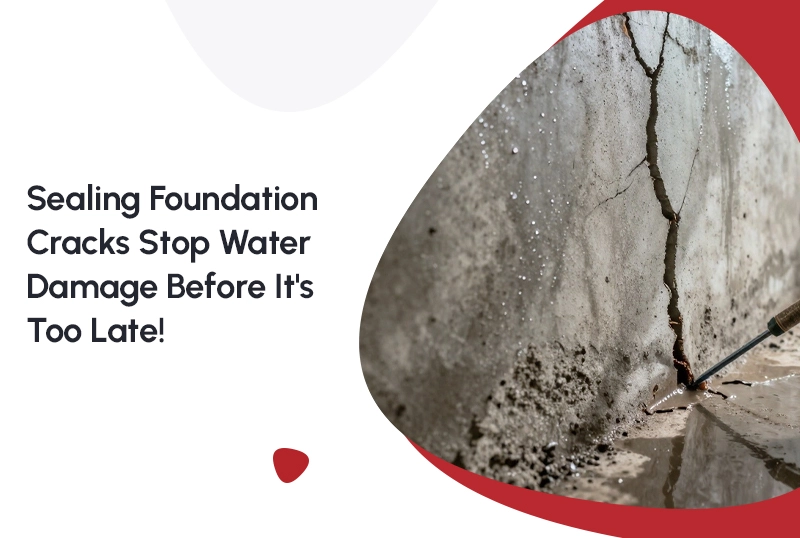
Unsealed foundation cracks create pathways for water entering homes during Katy’s intense rainfall events. According to the U.S. Department of Housing and Urban Development, water infiltration through foundation cracks causes billions in annual property damage nationwide. Even hairline cracks allow moisture penetration that saturates walls, damages insulation, ruins flooring, and creates persistent dampness problems. Proper sealing foundation cracks eliminates these water entry points, protecting interiors from moisture damage while preventing the soil erosion that causes settlement and structural instability.
Structural Integrity Concerns
While sealing foundation cracks addresses non-structural cracks effectively, it also prevents minor cracks from progressing into serious structural problems. Water entering through cracks freezes during rare Texas cold snaps, expanding and widening cracks through freeze-thaw cycles. Moisture also corrodes steel reinforcement within concrete, weakening structural capacity over time. Strategic sealing foundation cracks prevents this progressive deterioration, maintaining structural integrity and preventing the need for expensive foundation repair later.
Pest Entry Points
Foundation cracks provide convenient entry points for termites, ants, rodents, and other pests seeking shelter and moisture. These unwanted invaders cause additional damage while creating health hazards and requiring expensive pest control services. Effective sealing foundation cracks eliminates these access routes, complementing pest prevention strategies and protecting homes from infestation.
Energy Efficiency and Comfort
Unsealed cracks allow conditioned air to escape while letting outdoor air infiltrate, forcing HVAC systems to work harder maintaining comfortable temperatures. This air leakage increases energy bills substantially, particularly during Katy’s hot, humid summers. Professional sealing foundation cracks improves home energy efficiency, reduces utility costs, and enhances indoor comfort by eliminating drafts and temperature fluctuations.
Types of Foundation Cracks to Seal
Not all foundation cracks prove equally concerning, and understanding different crack types helps homeowners determine when sealing foundation cracks provides sufficient protection versus when professional foundation repair becomes necessary.
Hairline Cracks
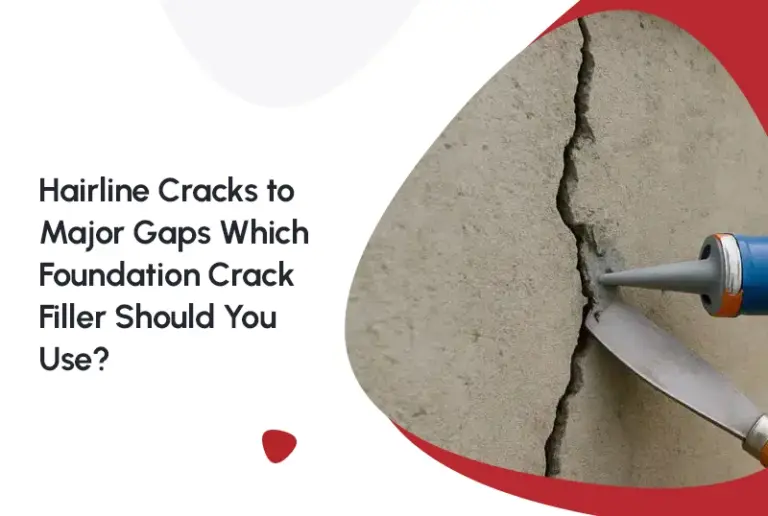
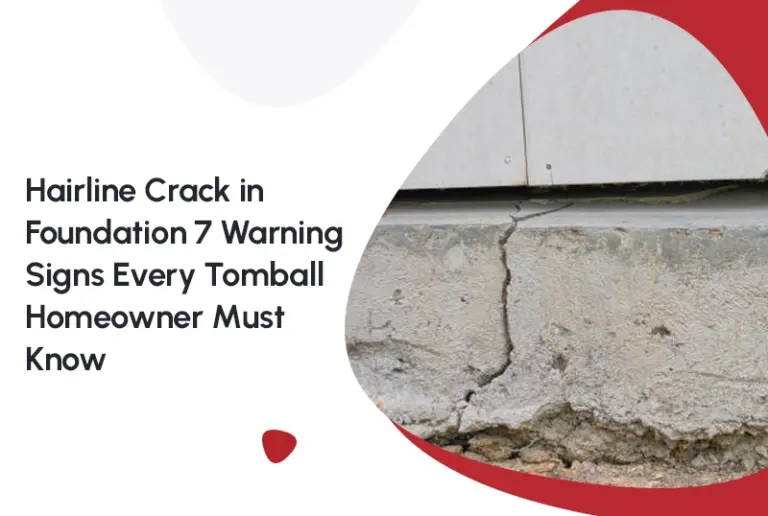
Hairline cracks measuring less than 1/16 inch wide typically result from normal concrete curing and settlement. These minor cracks rarely indicate structural problems but still benefit from sealing foundation cracks to prevent water infiltration and crack progression. Elastomeric sealants or hydraulic cement work excellently for these superficial cracks, providing waterproof protection without requiring extensive preparation.
Vertical Cracks
Vertical cracks running perpendicular to the ground often result from concrete shrinkage during curing or minor settlement. While generally non-structural, these cracks still warrant sealing foundation cracks to prevent water entry. According to the American Concrete Institute, vertical cracks under 1/4 inch wide can typically be sealed effectively without structural concerns, though wider cracks may indicate settlement requiring professional evaluation.
Horizontal Cracks
Horizontal cracks demand immediate professional attention as they often indicate serious structural problems from lateral soil pressure or foundation wall failure. Sealing foundation cracks of this type provides temporary waterproofing but doesn’t address underlying structural issues. Homeowners discovering horizontal cracks should contact qualified foundation repair Katy specialists for comprehensive evaluation and appropriate structural repairs beyond simple crack sealing.
Diagonal and Stair-Step Cracks
Diagonal cracks, particularly those wider at one end, suggest differential settlement where foundation sections sink at different rates. Stair step cracks following mortar joints in masonry foundations also indicate settlement. While sealing foundation cracks of these types prevents water infiltration temporarily, addressing the underlying settlement through professional foundation stabilization proves essential for permanent solutions.
Settlement Cracks
Settlement cracks develop when foundations sink into supporting soil unevenly. Small settlement cracks may be addressed through sealing foundation cracks if settlement has stabilized, but active settlement requires foundation underpinning or other structural repairs. Professional assessment determines whether simple crack sealing suffices or whether comprehensive foundation correction becomes necessary.
Best Methods for Sealing Foundation Cracks
Professional sealing foundation cracks employs various materials and techniques depending on crack characteristics, structural concerns, and waterproofing requirements.
Epoxy Injection
Epoxy injection represents the gold standard for sealing foundation cracks in poured concrete foundations. This method involves injecting two-part epoxy resin under pressure, filling cracks completely and creating structural bonds actually stronger than surrounding concrete. According to the International Code Council, properly executed epoxy injection restores full structural capacity while providing permanent waterproofing. Epoxy works excellently for dormant cracks not subject to movement, delivering long-lasting results that prevent crack reopening.
The epoxy injection process begins with surface preparation, installing injection ports along cracks, sealing crack surfaces, and pumping epoxy through ports until completely filling voids. Professional contractors ensure proper epoxy selection, mixing, and injection techniques achieving optimal results. While DIY epoxy injection kits exist, professional application typically delivers superior outcomes for critical applications.
Polyurethane Injection
Polyurethane foam injection provides excellent solutions for sealing foundation cracks where active water infiltration occurs. Unlike rigid epoxy, flexible polyurethane expands upon contact with moisture, filling voids and creating waterproof barriers even in wet conditions. This expansion property makes polyurethane ideal for sealing foundation cracks with active leaks impossible to dry before treatment.
Polyurethane injection follows similar procedures to epoxy but accommodates minor crack movement without bond failure. This flexibility proves valuable for cracks subject to seasonal expansion and contraction from temperature changes or soil movement. For comprehensive foundation waterproofing combining crack sealing with broader moisture protection, professional foundation repair Katy services coordinate polyurethane injection with exterior waterproofing and drainage improvements.
Hydraulic Cement
Hydraulic cement provides quick, cost-effective solutions for sealing foundation cracks from the interior, particularly for basement or crawl space applications. This specialized cement sets rapidly even in damp conditions, expanding slightly during curing to create tight waterproof seals. Hydraulic cement works well for wider cracks and larger voids, though it doesn’t restore structural capacity like epoxy injection.
Elastomeric Sealants
Flexible elastomeric sealants offer excellent solutions for sealing foundation cracks subject to minor movement. These rubber-like compounds remain flexible after curing, accommodating crack expansion and contraction without cracking or losing adhesion. Elastomeric sealants work excellently for hairline cracks and surface applications where structural restoration isn’t required.
The Sealing Foundation Cracks Process
Professional sealing foundation cracks follows systematic procedures ensuring permanent, effective results. Successful sealing foundation cracks begins with thorough crack assessment determining crack type, severity, activity, and appropriate sealing method. Professionals examine crack patterns, measure widths, assess structural implications, and identify underlying causes. This evaluation determines whether simple sealing suffices or whether addressing settlement, drainage, or structural issues becomes necessary before crack sealing.
Proper surface preparation proves critical for effective sealing foundation cracks. Contractors remove loose material, clean cracks thoroughly eliminating dirt, debris, and contaminants, and prepare surfaces ensuring optimal sealant adhesion. Professional application techniques vary by sealing method but generally ensure complete crack filling without voids, proper coverage and penetration, and adherence to manufacturer specifications for optimal effectiveness.
When to Call Professionals for Sealing Foundation Cracks
While some crack sealing projects suit DIY approaches, many situations demand professional expertise ensuring proper outcomes. Homeowners should contact professional foundation repair Katy services when cracks exceed 1/4 inch width indicating potential structural concerns, cracks continue widening suggesting active movement, horizontal cracks appear indicating lateral pressure problems, multiple cracks develop simultaneously throughout foundations, water actively infiltrates requiring immediate waterproofing, or uncertainty exists about crack causes or appropriate repairs. Professional assessment provides accurate diagnosis, appropriate repair recommendations, and peace of mind that sealing foundation cracks addresses problems effectively.
For properties experiencing foundation settlement or structural movement beyond simple crack sealing capacity, comprehensive solutions may involve house leveling service Katy specialists coordinating foundation stabilization with crack sealing for optimal results. This integrated approach addresses both underlying structural issues and crack waterproofing, delivering permanent solutions rather than temporary fixes.
Cost of Sealing Foundation Cracks
Understanding sealing foundation cracks costs helps homeowners budget appropriately and appreciate long-term value. DIY material costs for sealing foundation cracks range from $20-$100 for basic elastomeric sealants and hydraulic cement to $200-$500 for epoxy or polyurethane injection kits. However, DIY approaches risk improper application, inadequate crack filling, and failure to address underlying problems.
Professional sealing foundation cracks costs vary based on crack severity, sealing method, and project scope. Minor crack sealing might cost $300-$800, while comprehensive epoxy or polyurethane injection for multiple cracks typically runs $800-$2,500. While professional services cost more than DIY materials, they deliver superior results with warranties protecting homeowners’ investments.
Compared to foundation repair costs ranging from $3,000-$15,000+ for settlement or structural damage, preventive sealing foundation cracks provides exceptional value. Early crack sealing prevents water infiltration that erodes soil causing settlement, protects foundations from progressive deterioration, and maintains property values by preventing major structural problems. The modest investment in professional crack sealing often prevents repair expenses orders of magnitude larger.
Sealing Foundation Cracks in Katy Homes
Katy’s unique environmental conditions create specific challenges requiring strategic sealing foundation cracks approaches. Expansive clay soils throughout Katy dramatically swell when saturated and shrink during droughts. This constant expansion-contraction cycle stresses foundations, creating cracks that benefit from flexible sealing methods accommodating minor movement. According to the National Association of Home Builders, foundation maintenance in expansive soil areas demands particular attention to crack sealing preventing moisture infiltration that exacerbates soil movement.
Seasonal weather patterns bring intense summer heat causing soil shrinkage followed by heavy autumn rains saturating soils. These moisture extremes drive crack development while creating conditions where sealing foundation cracks proves essential for preventing water infiltration during storms. Understanding local patterns helps homeowners schedule crack sealing during dry periods allowing proper sealant curing before rainstorms test waterproofing effectiveness.
Preventing Foundation Cracks
While sealing foundation cracks addresses existing damage, preventive measures minimize future crack development. Maintain proper drainage through functional gutters, downspouts extending 10+ feet from foundations, and grading sloping away from homes. Install drainage systems where water naturally accumulates. Manage soil moisture through strategic foundation watering during droughts maintaining relatively consistent conditions preventing extreme shrinkage.
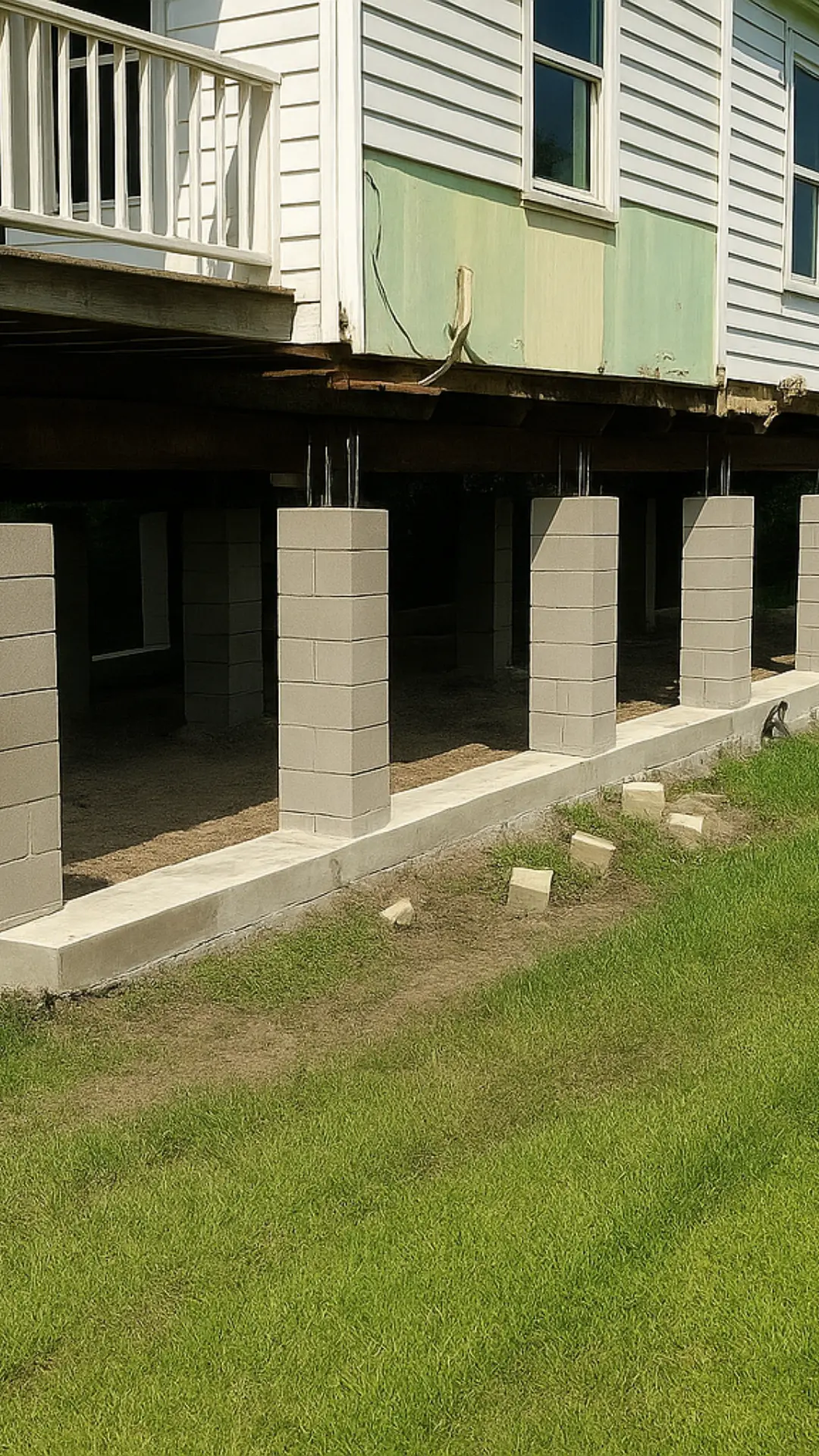
Properties with pier and beam foundations face different crack challenges in foundation walls and floor systems. For more information about pier and beam foundation issues and repairs, read our detailed article on pier and beam foundation repair Katy solutions.
Sealing Foundation Cracks vs. Foundation Repair
Understanding when sealing foundation cracks provides sufficient solutions versus when comprehensive foundation repair becomes necessary helps homeowners make appropriate decisions. Sealing foundation cracks works excellently for dormant cracks no longer widening, non-structural cracks from shrinkage or minor settlement, waterproofing needs preventing moisture infiltration, and preventive maintenance protecting foundations from progressive damage. This cost-effective approach addresses many common crack problems without extensive intervention.
However, foundation repair beyond crack sealing becomes necessary when cracks indicate active settlement or structural movement, horizontal cracks suggest lateral pressure problems, multiple widening cracks throughout foundations signal systematic issues, or foundation sections visibly sink, shift, or separate. These situations demand comprehensive foundation repair addressing underlying structural problems rather than merely sealing resulting cracks.
Conclusion: Protect Your Home Through Professional Sealing Foundation Cracks
Sealing foundation cracks represents essential preventive maintenance protecting homes from water damage, pest infiltration, and progressive structural deterioration. Unlike major foundation repairs addressing severe settlement or structural failure, crack sealing provides cost-effective solutions preventing minor problems from becoming catastrophic disasters.
For Katy homeowners facing challenging expansive clay soils and weather extremes that stress foundations relentlessly, understanding sealing foundation cracks methods, recognizing when professional intervention proves necessary, and implementing preventive strategies proves essential for long-term foundation health. The modest investment in professional crack sealing pales compared to repair expenses from neglected cracks allowing water infiltration, soil erosion, and structural damage.
Don’t wait for minor cracks to become major disasters. If you’ve noticed foundation cracks whether hairline fissures or concerning wider cracks or simply want professional assessment ensuring your foundation remains protected, contact qualified sealing foundation cracks specialists understanding Katy’s unique challenges. Professional evaluation costs little, provides invaluable information about crack severity and appropriate solutions, and often reveals problems manageable through reasonable interventions preventing expensive repairs later.
Your home deserves the protection that only professional sealing foundation cracks provides. Schedule your comprehensive foundation inspection today, address existing cracks before water infiltration causes damage, and implement preventive measures ensuring your foundation remains sound, dry, and stable for decades to come. Don’t gamble with your largest investment act now while sealing foundation cracks remains simple and affordable.
FAQs (Frequently Asked Questions)
1. Can you seal a foundation crack yourself?
Yes, it is possible to seal minor foundation cracks yourself. If the crack is small and non-structural, you can use concrete crack fillers or epoxy to fill it in. However, it’s essential to properly clean the crack and make sure it is dry before applying the filler. For larger or structural cracks, it is recommended to consult a professional to ensure a proper and durable repair.
2. What is the best material to seal foundation cracks?
The best material for sealing foundation cracks depends on the type and size of the crack. For minor cracks, polyurethane or silicone-based sealants work well as they remain flexible and help prevent water seepage. For larger cracks or those that require structural repair, epoxy or polyurea injections are ideal as they bond strongly with the concrete and prevent further movement.
3. Can I seal my foundation myself?
You can seal your foundation yourself if the cracks are small and non-structural. You would typically use sealants or concrete patching compounds to fill the cracks. However, if the cracks are wide, deep, or show signs of foundation movement, it’s best to hire a professional. DIY solutions might not address underlying issues effectively and could lead to further damage if not done properly.
4. What does a concerning foundation crack look like?
Concerning foundation cracks are typically wider than 1/4 inch and may appear in stair-step patterns in brick or drywall. Diagonal or horizontal cracks in the walls are often a sign of more serious foundation issues. These cracks may be accompanied by uneven floors or doors and windows that stick. If you notice these signs, it’s crucial to have a professional evaluate the foundation immediately.
5. What is the best foundation crack repair method?
The best method for repairing foundation cracks depends on the size and cause of the crack. For small, non-structural cracks, polyurethane or epoxy injections can fill and seal the crack effectively. For more significant or structural issues, a professional might need to install piers or underpinning systems to stabilize the foundation and address the underlying soil movement.
6. Does home insurance cover slab foundation repair?
Homeowners insurance typically does not cover foundation repairs unless the damage is caused by a covered peril, such as a burst pipe or a natural disaster like an earthquake. Standard insurance policies generally exclude coverage for foundation issues due to normal settling or poor drainage. It’s important to check your specific policy and speak with your insurance provider for details.
7. How do I stop water from seeping through my foundation?
To prevent water from seeping through your foundation, ensure proper drainage around your home. This includes maintaining gutters and downspouts, grading the soil to slope away from the foundation, and installing a French drain system to divert water. Additionally, sealing foundation cracks and applying waterproof coatings to the exterior of your foundation can also help prevent moisture intrusion.