Discovering hairline cracks in foundation walls sends most homeowners into immediate panic mode are these innocent settling marks or catastrophic structural failures requiring tens of thousands in repairs? The truth about hairline cracks in foundation lies somewhere between these extremes, and understanding the difference protects both your wallet and your home’s structural integrity. For Katy homeowners battling expansive clay soils that constantly stress foundations through swelling-shrinking cycles, distinguishing between harmless hairline cracks in foundation and serious structural warnings becomes absolutely critical.
This comprehensive guide examines everything Katy property owners need to know about hairline cracks in foundation identifying crack types, understanding causes, recognizing when professional intervention becomes necessary, exploring repair options, and implementing preventive strategies. Whether you’ve just spotted your first tiny crack or you’re monitoring existing fissures wondering if they’re worsening, this guide provides the knowledge making informed decisions protecting your home and budget.
Understanding Hairline Cracks in Foundation
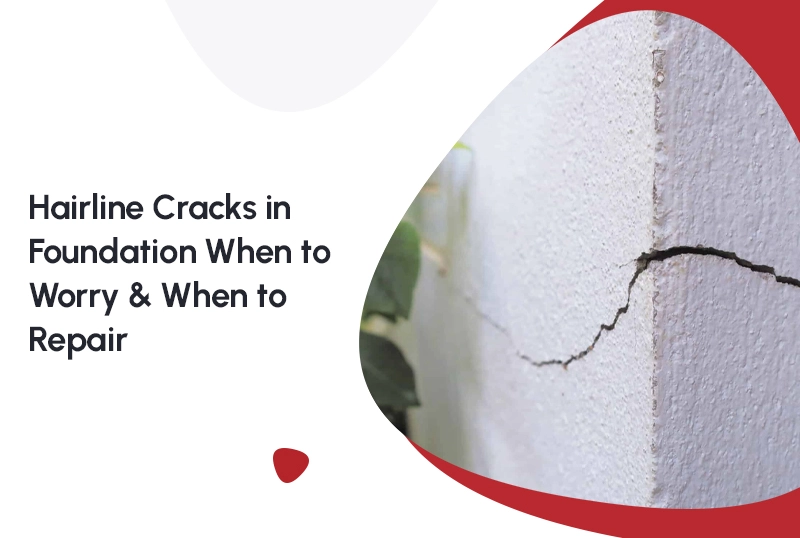
Hairline cracks in foundation represent thin fissures typically measuring 1/16 inch (1.5mm) or less in width—about the thickness of a credit card edge. These fine cracks often appear as barely visible lines running through concrete or masonry foundations. Unlike wider structural cracks that clearly indicate serious problems, hairline cracks in foundation frequently develop from normal concrete curing processes or minor settling, posing minimal structural threat.
According to the American Concrete Institute, concrete naturally develops some cracking during the curing process as it loses moisture and shrinks. Many hairline cracks in foundation result from this phenomenon rather than structural failure. However, understanding crack characteristics, patterns, and progression separates benign cosmetic issues from warnings demanding immediate professional attention.
Common locations where hairline cracks in foundation appear include basement walls, crawl space walls, slab foundations, and foundation walls at grade level. These cracks may run vertically, horizontally, diagonally, or in random patterns depending on their underlying causes. The key to managing hairline cracks in foundation lies in accurate assessment determining whether they’re stable minor imperfections or active indicators of foundation movement requiring intervention.
Causes of Hairline Cracks in Foundation
Multiple factors produce hairline cracks in foundation, ranging from normal concrete behavior to serious structural problems:
Concrete curing and shrinkage represents the most common cause of hairline cracks in foundation. As newly poured concrete hardens and loses moisture, it undergoes volumetric shrinkage creating tensile stress. This stress often produces fine cracks appearing within the first year after construction. These shrinkage-related hairline cracks in foundation typically remain stable and pose minimal structural concern.
Settlement—both normal and differential—frequently causes hairline cracks in foundation. All foundations settle somewhat as soil consolidates beneath them. Uniform settlement affecting entire foundations equally produces minimal problems. However, differential settlement where foundation sections sink at different rates generates stress causing cracks. According to the U.S. Geological Survey, soil characteristics dramatically influence settlement patterns, making some locations more prone to cracking than others.
Soil movement from Katy’s expansive clay creates particularly challenging conditions. These soils dramatically swell when wet and shrink when dry, creating constant stress producing hairline cracks in foundation. Seasonal moisture variations drive expansion-contraction cycles that progressively stress foundations, often manifesting as fine cracks before developing into more serious problems.
Temperature changes and freeze-thaw cycles, though less common in Katy than northern climates, occasionally contribute to hairline cracks in foundation. Hydrostatic pressure from water accumulating around foundations pushes against walls creating stress. Poor construction practices including inadequate reinforcement or improper curing can make foundations more susceptible to developing cracks. Tree roots extracting moisture from soil beneath foundations cause shrinkage producing settlement and associated cracking.
Types of Hairline Cracks in Foundation
Not all hairline cracks in foundation prove equally concerning. Crack orientation and pattern provide crucial clues about underlying causes and severity:
Vertical Hairline Cracks
Vertical hairline cracks in foundation running perpendicular to the ground typically indicate normal shrinkage or minor uniform settlement. These cracks generally pose minimal structural concern unless they widen significantly or extend the full height of foundation walls. Monitoring vertical cracks for progression proves important, but most remain stable cosmetic imperfections.
Horizontal Hairline Cracks
Horizontal hairline cracks in foundation demand closer attention as they may indicate lateral soil pressure or foundation wall bowing—potentially serious structural problems. While truly hairline horizontal cracks might not require immediate intervention, any horizontal crack warrants professional evaluation ensuring it doesn’t progress. Professional foundation repair Katy specialists can assess horizontal crack severity and recommend appropriate monitoring or repair.
Diagonal Hairline Cracks
Diagonal hairline cracks in foundation, particularly those wider at one end, frequently signal differential settlement where foundation portions sink unevenly. These cracks merit professional assessment even when hairline width, as they may indicate active settlement requiring stabilization beyond simple crack sealing.
When Hairline Cracks in Foundation Are Serious
Determining when hairline cracks in foundation require professional intervention versus simple monitoring involves evaluating multiple factors:
Width progression proves critical. True hairline cracks measuring 1/16 inch or less typically don’t demand immediate repair. However, any crack exceeding 1/4 inch width indicates more serious problems. More importantly, hairline cracks in foundation that progressively widen signal active foundation movement requiring professional assessment regardless of current width.
Accompanying symptoms transform hairline cracks in foundation from cosmetic concerns to structural warnings. Doors and windows that suddenly stick or won’t close properly, floors developing noticeable slopes, gaps appearing between walls and ceilings, or chimney tilting all indicate serious foundation movement often accompanied by cracking.
Water infiltration through cracks signals problems even with hairline cracks in foundation. While hairline cracks might not allow immediate water entry, their presence indicates foundation compromise. Water following cracks erodes soil beneath foundations, accelerating settlement and crack progression. For comprehensive information about sealing cracks preventing water damage, read our detailed article on sealing foundation cracks.
Multiple cracks appearing simultaneously throughout foundations suggest systematic problems beyond normal shrinkage. When numerous hairline cracks in foundation develop in patterns or clusters, professional evaluation determines whether foundation stabilization becomes necessary before addressing visible cracks.
How to Inspect Hairline Cracks in Foundation
Properly inspecting hairline cracks in foundation helps homeowners monitor progression and determine when professional intervention becomes necessary. Begin visual inspections noting crack locations, orientations, and approximate widths. Measure crack widths using a crack width gauge or simple ruler—cracks under 1/16 inch qualify as hairline while those exceeding 1/4 inch indicate more serious problems.
Monitor hairline cracks in foundation for progression by marking crack endpoints with pencil and dating them. Check monthly initially, then quarterly if cracks appear stable. Photograph cracks with rulers visible for accurate documentation. Note any changes in crack width, length, or the appearance of new cracks.
Professional inspection proves valuable even for apparent hairline cracks in foundation. Qualified inspectors assess crack significance considering foundation type, soil conditions, building age, and local climate factors. They identify whether cracks indicate active settlement, determine if structural repairs beyond crack sealing prove necessary, and provide monitoring recommendations. According to the National Association of Home Builders, professional foundation inspections should occur every 3-5 years even without visible problems, ensuring early detection of issues like hairline cracks in foundation before they escalate.
Repair Methods for Hairline Cracks in Foundation
Repairing hairline cracks in foundation ranges from simple DIY surface treatments to comprehensive professional interventions depending on crack severity and underlying causes:
DIY Surface Repairs
For stable, non-structural hairline cracks in foundation, several DIY repair options exist. Epoxy injection fills cracks creating waterproof seals while bonding separated concrete. Hydraulic cement works well for basement wall cracks, expanding during curing to fill voids completely. Masonry crack fillers provide flexible seals accommodating minor movement without re-cracking.
These DIY approaches work when hairline cracks in foundation have stabilized and show no progression, result from normal shrinkage rather than settlement, don’t accompany other foundation problems, and homeowners seek cosmetic improvement or moisture prevention rather than structural repair. For detailed information about crack repair costs and when to choose professional versus DIY approaches, read our comprehensive guide on foundation crack repair cost.
Professional Repairs
Professional repair of hairline cracks in foundation becomes necessary when cracks indicate active settlement, accompany foundation movement symptoms, progress despite surface sealing, or appear in patterns suggesting systematic problems. Professional interventions include structural crack injection using commercial-grade epoxies or polyurethanes, foundation stabilization through piering or underpinning when settlement causes cracking, and comprehensive waterproofing systems addressing moisture intrusion.
For properties experiencing foundation settlement producing hairline cracks in foundation as early warning signs, comprehensive solutions may involve house leveling service Katy specialists stabilizing foundations before addressing resulting cracks. This approach fixes underlying problems preventing crack recurrence rather than merely patching symptoms.
Hairline Cracks in Foundation in Katy Homes
Katy’s unique environmental conditions create specific challenges with hairline cracks in foundation. The area’s highly expansive clay soils rank among America’s most problematic for foundations. These soils dramatically expand when saturated and contract during droughts, subjecting foundations to constant stress that frequently manifests as cracking.
Seasonal moisture variations prove particularly dramatic in Katy—intense summer heat desiccates soil causing shrinkage while autumn and spring rains saturate soil causing expansion. This perpetual swelling-shrinking cycle progressively stresses foundations, often producing hairline cracks in foundation that worsen annually without proper moisture management.
Common patterns of hairline cracks in foundation in Katy include vertical cracks appearing during droughts as soil shrinks beneath slab centers, diagonal cracks near corners where differential settlement concentrates stress, and horizontal cracks in basement or crawl space walls from lateral soil pressure. Professional foundation repair Katy contractors understand these local patterns and provide repairs addressing both visible cracks and underlying soil-related causes.
Properties with pier and beam foundations experience different hairline cracks in foundation patterns than slab foundations, often showing cracking in foundation walls or piers rather than floor slabs. For more information about elevated foundation systems and their unique crack patterns and repair requirements, read our comprehensive guide on pier and beam foundation repair Katy solutions.
Preventing Hairline Cracks in Foundation
While some hairline cracks in foundation prove inevitable as concrete ages and settles, preventive measures minimize both crack frequency and severity. Maintain proper drainage through functional gutters, downspouts extending 10+ feet from foundations, and grading sloping away from homes. Water pooling near foundations saturates soil promoting both settlement and frost heaving—primary causes of cracking.
Manage soil moisture through strategic foundation watering during Katy’s intense summer droughts. Maintaining relatively consistent soil moisture prevents extreme shrinkage reducing stress that produces hairline cracks in foundation. Water foundations when soil pulls away from foundation perimeters or when extended dry periods occur.
Control vegetation keeping large trees at appropriate distances—generally equal to their mature height. Tree roots extract enormous moisture from soil beneath foundations causing shrinkage and settlement manifesting as hairline cracks in foundation. Monitor plumbing carefully, addressing leaks immediately before they erode soil and cause settlement. Schedule professional inspections every 3-5 years catching developing problems like early-stage hairline cracks in foundation before they escalate into expensive structural failures.
When to Call Professionals
While minor, stable hairline cracks in foundation may not require immediate professional intervention, several warning signs indicate expert assessment becomes necessary:
Contact qualified foundation repair Katy specialists when hairline cracks in foundation progressively widen or lengthen, horizontal cracks appear regardless of width, multiple cracks develop simultaneously throughout foundations, doors and windows suddenly stick or gaps appear, floors become noticeably uneven or sloped, or water infiltrates through cracks during rains.
When selecting contractors to evaluate hairline cracks in foundation, verify they possess specific foundation repair experience rather than general construction backgrounds. Seek contractors offering comprehensive warranties covering repairs for 10+ years. Ask about their experience with Katy’s expansive clay soils and local foundation challenges. Request references from recent projects and verify completion quality. Professional evaluation provides invaluable peace of mind distinguishing harmless hairline cracks in foundation from serious structural warnings requiring intervention.
Conclusion: Don’t Ignore Hairline Cracks in Foundation
While not every instance of hairline cracks in foundation signals catastrophic structural failure, dismissing all cracks as harmless invites disaster. Understanding crack characteristics, monitoring for progression, recognizing warning signs, and knowing when professional intervention becomes necessary protects both your home’s structural integrity and your financial investment.
For Katy homeowners, where expansive clay soils create particularly challenging foundation conditions, hairline cracks in foundation merit closer attention than in areas with more stable soils. The same environmental factors producing cracks—soil movement, moisture variations, and settlement—progressively worsen without proper management, transforming today’s minor cosmetic cracks into tomorrow’s expensive structural repairs.
Don’t gamble with your home’s structural integrity. If you’ve discovered hairline cracks in foundation and uncertainty exists about their significance, professional evaluation provides definitive answers at minimal cost compared to delayed intervention allowing problems to escalate. Qualified foundation repair Katy specialists can assess crack severity, identify underlying causes, recommend appropriate interventions, and provide monitoring guidance.
Your home deserves the protection that early detection and prompt intervention provide. Whether your hairline cracks in foundation prove harmless shrinkage marks or early warnings of developing settlement, professional assessment delivers peace of mind and actionable guidance. Schedule your comprehensive foundation inspection today—the modest investment in expert evaluation often prevents repair expenses orders of magnitude larger by catching problems while they remain manageable.
FAQs (Frequently Asked Questions)
1. Are hairline cracks in a foundation normal?
Yes, hairline cracks are a normal outcome of how concrete behaves as a material. Concrete gains strength through a chemical hydration process that also causes it to shrink slightly as moisture evaporates and temperature changes after placement. Because concrete is strong in compression but weak in tension, it cannot accommodate these internal stresses without cracking. Even in properly engineered foundations, cracking is anticipated and managed rather than eliminated. In this sense, hairline cracks are not a sign of poor construction but evidence of stress redistribution within the concrete as it transitions from a fluid state to a hardened structural element.
2. Should I worry about hairline cracks in my foundation?
From a theoretical standpoint, worry should be based on whether a crack represents a completed event or an ongoing process. Hairline cracks formed during curing or early settlement typically stabilize once the structure and soil reach equilibrium. These cracks do not compromise the foundation’s ability to carry loads or transfer forces into the ground. Concern becomes justified only if cracking reflects continuous movement, which suggests that the foundation-soil system has not stabilized. The distinction is therefore temporal rather than visual: static cracks are benign, while dynamic cracks may signal deeper structural or geotechnical issues.
3. Do most homes have foundation cracks?
Most homes develop foundation cracks because buildings are rigid systems resting on soil, which is inherently variable and responsive to environmental change. Soil expands and contracts with moisture fluctuations, consolidates under sustained load, and responds unevenly to temperature gradients. Foundations, particularly residential ones, are designed within economic constraints that tolerate small movements without structural failure. Cracking is the physical expression of this tolerance. As a result, cracks are not an exception but a predictable outcome of long-term interaction between structure, soil, and climate.
4. Should you fill hairline cracks in concrete?
The decision to fill hairline cracks is less about structural necessity and more about durability and control of secondary effects. While a hairline crack may not reduce load-bearing capacity, it can serve as a pathway for moisture, air, or chemicals that accelerate deterioration over time. From a materials science perspective, sealing a crack limits ingress that could lead to corrosion of reinforcement or freeze-thaw damage. Therefore, filling hairline cracks is a preventive measure that manages future risk rather than correcting an existing structural deficiency.
5. How do you fix a hairline crack in a foundation?
Repairing a hairline crack is essentially an exercise in restoring continuity and controlling movement. Theoretical repair methods aim either to bond the crack faces together or to accommodate minor movement while preventing water intrusion. Epoxy-based repairs treat the crack as a fracture that can be structurally reconnected, while flexible fillers treat it as a joint that may experience slight future motion. The appropriate approach depends on whether the crack is assumed to be inactive or potentially responsive to environmental changes.
6. How do you tell if a foundation crack is cosmetic or structural?
The distinction between cosmetic and structural cracks lies in whether the crack alters the foundation’s load path. Cosmetic cracks occur when stresses exceed the tensile capacity of concrete but do not interfere with how loads are transferred to the soil. Structural cracks, by contrast, indicate that forces are causing displacement, rotation, or separation significant enough to affect stability. In theory, this is evaluated by crack orientation, width progression, and associated deformation in surrounding elements rather than by the crack alone.
7. When should I worry about a crack in my foundation?
A crack warrants concern when it reflects instability in the structure–soil system rather than material behavior alone. This typically occurs when soil movement, hydrostatic pressure, or uneven loading exceeds what the foundation was designed to accommodate. In such cases, cracking is not simply stress relief but a symptom of redistribution of forces that may continue over time. Theoretical concern arises when cracks are accompanied by measurable deformation, water pressure effects, or progressive change, as these indicate that equilibrium has not yet been achieved.c