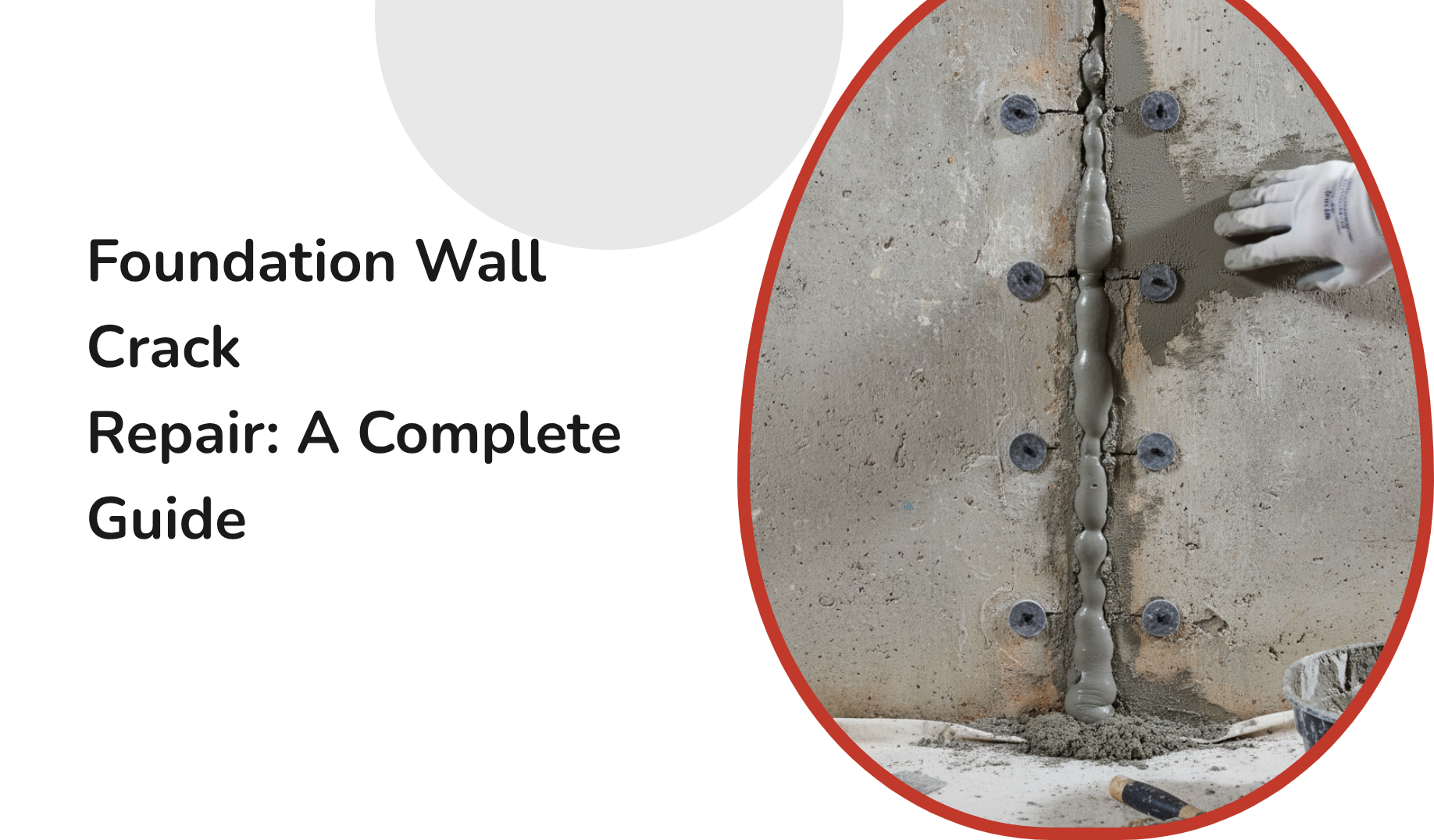
Foundation wall crack repair requires immediate attention when homeowners notice structural damage in their basement or crawl space walls. These cracks can indicate serious underlying issues that threaten your home’s stability and safety. Understanding the different types of foundation cracks, their causes, and appropriate repair methods helps property owners make informed decisions about protecting their investment and maintaining structural integrity.
Professional foundation wall crack repair involves comprehensive assessment techniques to determine crack severity, underlying causes, and optimal repair strategies. Experienced contractors use specialized tools and materials to ensure long-lasting solutions that address both visible damage and potential future problems. Early intervention through proper foundation wall crack repair prevents costly structural damage and protects your home’s value over time.
Understanding Different Types of Foundation Wall Crack Repair Needs
Horizontal cracks typically indicate significant structural pressure and require immediate professional foundation wall crack repair intervention. These cracks often result from soil expansion, hydrostatic pressure, or inadequate drainage systems around the foundation perimeter. Horizontal cracking patterns suggest that external forces are pushing against the foundation wall, potentially compromising the entire structure’s stability and requiring comprehensive repair approaches.
Vertical cracks are generally less concerning but still require proper foundation wall crack repair evaluation and treatment. These cracks commonly develop due to normal settling, temperature fluctuations, or minor soil movement around the foundation. While vertical cracks may seem cosmetic, they can allow water infiltration and gradually worsen without appropriate repair methods, making professional assessment essential for long-term structural health.
Diagonal cracks indicate differential settling and require specialized foundation wall crack repair techniques that address underlying soil issues. These cracks typically form at 30-45 degree angles and suggest uneven foundation support or soil movement beneath specific areas. Professional contractors must evaluate soil conditions and comply with FEMA building science and structural standards when developing comprehensive repair strategies for diagonal crack patterns in foundation walls.
Essential Foundation Wall Crack Repair Assessment Techniques
Crack measurement and monitoring represent crucial first steps in effective foundation wall crack repair planning and implementation. Professional contractors use precise measuring tools to document crack width, length, and depth variations over time. This systematic monitoring helps determine whether cracks are actively expanding or have stabilized, influencing repair method selection and urgency levels for intervention.
Moisture detection plays a vital role in comprehensive foundation wall crack repair assessment and planning processes. Water infiltration through cracks can cause additional structural damage, mold growth, and basement flooding issues. Professional inspectors use moisture meters and thermal imaging equipment to identify hidden water damage and ensure repair methods address both structural and moisture-related concerns effectively.
Soil analysis around the foundation perimeter helps determine root causes requiring specific foundation wall crack repair approaches. Professional geotechnical evaluation identifies soil composition, drainage issues, and expansion characteristics that contribute to crack development. Understanding soil conditions enables contractors to implement appropriate repair methods and preventive measures that address underlying causes rather than just visible symptoms.
Foundation wall crack repair often requires structural engineering evaluation for major crack patterns or extensive damage. Licensed engineers assess load-bearing capacity, structural integrity, and safety factors before recommending repair methods. Engineering analysis ensures that foundation wall crack repair solutions meet building codes and provide long-term structural stability for the entire building system.
Professional Foundation Wall Crack Repair Methods and Techniques
Epoxy injection represents a popular foundation wall crack repair method for stable, non-moving cracks in concrete foundations. This technique involves injecting specialized epoxy resin into cracks under controlled pressure to create strong, waterproof bonds. Professional contractors select appropriate epoxy formulations based on crack characteristics and environmental conditions to ensure lasting foundation wall crack repair results that restore structural integrity.
Polyurethane injection offers flexible foundation wall crack repair solutions for cracks that may experience slight movement or thermal expansion. This method provides excellent waterproofing properties while maintaining elasticity that accommodates minor structural movements. Professional application of polyurethane injection requires proper surface preparation and pressure control to achieve effective foundation wall crack repair that prevents water infiltration and structural deterioration.
Carbon fiber reinforcement provides advanced foundation wall crack repair solutions for structurally compromised walls requiring additional strength. This method involves applying high-strength carbon fiber strips or fabrics with specialized adhesives to reinforce damaged areas. Many contractors utilize HUD housing rehabilitation and repair programs to help homeowners access funding for these advanced foundation wall crack repair techniques that significantly enhance structural capacity.
Foundation Wall Crack Repair: Steel Reinforcement and Underpinning Solutions
Foundation wall crack repair represents a critical investment in property protection and structural safety that requires professional expertise for optimal results. Property owners who address foundation issues promptly through proper foundation wall crack repair methods protect their investments and ensure long-term structural stability. Professional contractors provide comprehensive solutions that combine immediate repairs with preventive measures, ensuring foundation wall crack repair effectiveness and lasting structural integrity for residential and commercial properties.
More on foundation wall crack repair
Steel pier installation offers permanent foundation wall crack repair solutions for structures experiencing significant settling or soil-related issues. This method involves driving steel piers deep into stable soil layers to transfer structural loads away from compromised foundation areas. Professional contractors use hydraulic equipment to install piers that provide reliable support and prevent further crack development in foundation walls.
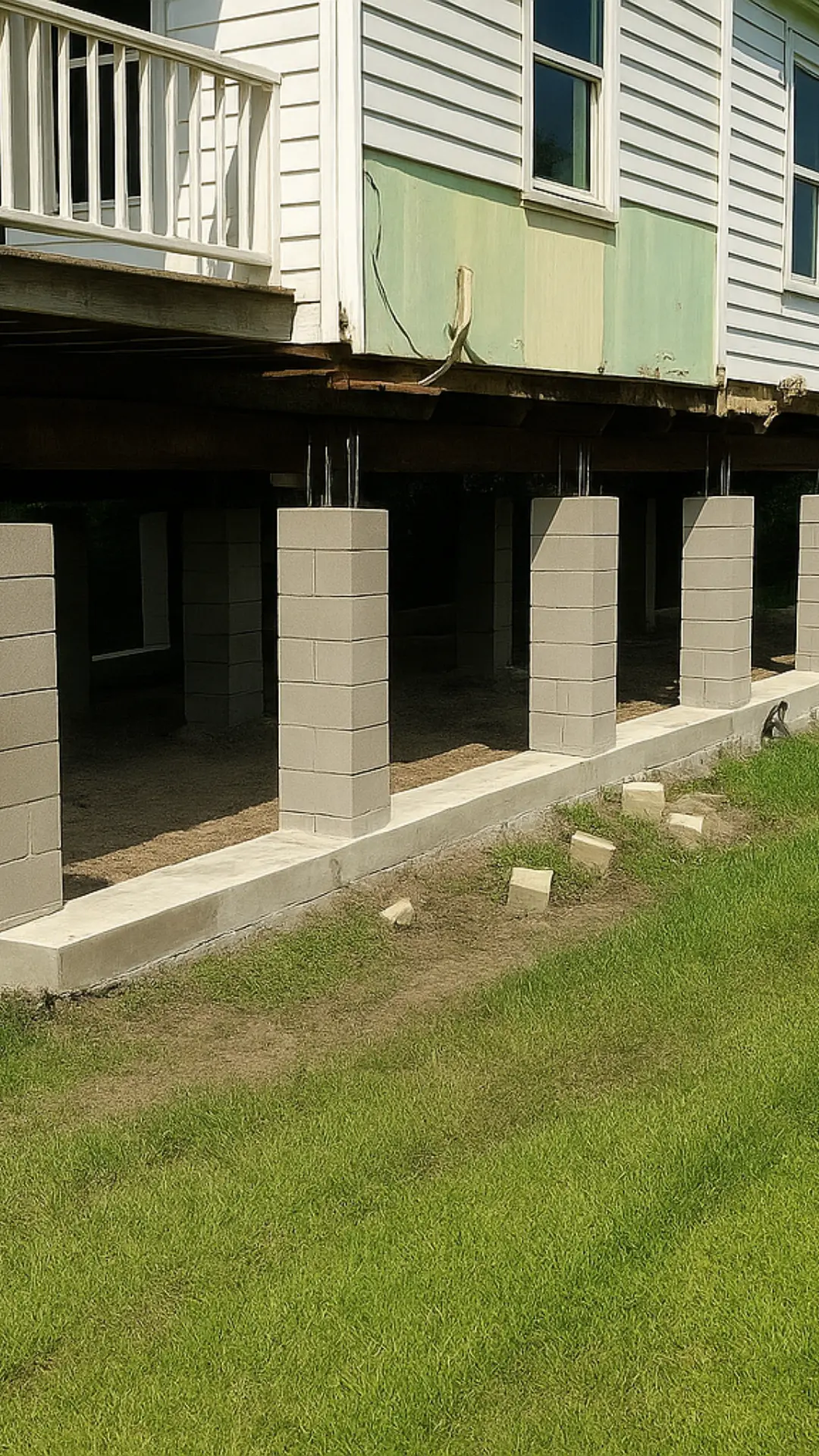
Underpinning techniques provide comprehensive foundation wall crack repair solutions for severely damaged or inadequate foundations requiring complete reinforcement. This complex process involves excavating around existing foundations and installing new support systems that transfer loads to deeper, more stable soil layers. Underpinning requires extensive planning and professional expertise to ensure successful foundation wall crack repair outcomes.
Wall anchors and tie-backs offer effective foundation wall crack repair solutions for walls experiencing horizontal pressure from soil expansion or water infiltration. These systems use external anchors connected to internal wall plates through steel rods that counteract outward pressure. Professional installation of wall anchor systems provides reliable foundation wall crack repair that stabilizes walls and prevents further crack development or structural movement.
Foundation Wall Crack Repair: Waterproofing and Drainage Solutions
Exterior waterproofing systems complement foundation wall crack repair efforts by addressing water infiltration that contributes to crack development and structural deterioration. Professional contractors excavate around foundation perimeters to install waterproof membranes, drainage systems, and protective barriers. These comprehensive systems work in conjunction with foundation wall crack repair methods to prevent future water-related damage and maintain structural integrity long-term.
Interior drainage systems provide essential support for foundation wall crack repair projects by managing groundwater and preventing hydrostatic pressure buildup. These systems include perimeter drains, sump pumps, and vapor barriers that control moisture levels in basement and crawl space areas. Proper drainage installation ensures that foundation wall crack repair efforts remain effective by eliminating conditions that contribute to crack development.
More on foundation wall crack repair
French drain installation represents a crucial component of comprehensive foundation wall crack repair projects that address water management around building perimeters. Professional contractors must follow OSHA construction safety standards and regulations during excavation and installation processes to ensure worker safety and project success. French drains effectively redirect surface water away from foundations, reducing pressure that causes cracks and structural damage.
Foundation wall crack repair projects often require comprehensive moisture control solutions that address both interior and exterior water sources. Professional contractors evaluate basement humidity levels, groundwater conditions, and surface drainage patterns to develop integrated approaches. These moisture control systems work synergistically with structural foundation wall crack repair methods to ensure long-lasting results and prevent recurring damage from water infiltration.
Specialized tunneling techniques enable foundation wall crack repair access in challenging situations where traditional excavation methods are impractical or costly. Professional contractors utilize advanced Under Slab Tunneling Spring methods to reach foundation areas beneath existing structures or in confined spaces. These innovative approaches allow comprehensive foundation wall crack repair without disrupting surrounding structures, landscaping, or utility systems that complicate traditional repair methods.
Foundation wall crack repair success depends heavily on proper soil stabilization techniques that address underlying causes of structural movement and crack development. Professional contractors use various soil improvement methods including compaction, chemical stabilization, and moisture control systems. These techniques create stable conditions that support foundation wall crack repair efforts and prevent future crack development from soil-related issues.
Foundation Wall Crack Repair: Cost Factors and Financial Planning
Foundation wall crack repair costs vary significantly based on crack severity, repair method selection, accessibility challenges, and local market conditions. Minor crack repairs using injection methods typically cost less than comprehensive structural reinforcement projects requiring excavation and specialized materials. Property owners should obtain multiple professional estimates to understand foundation wall crack repair costs and financing options for their specific situations and structural requirements.
Insurance coverage for foundation wall crack repair depends on damage causes and policy specifications that vary among different insurance providers and coverage types. Many homeowners discover that gradual settling damage isn’t covered, while sudden events may qualify for benefits. Professional contractors experienced in Foundation Repair Spring projects can help homeowners navigate insurance claims and documentation requirements for foundation wall crack repair coverage and reimbursement possibilities.
Foundation Wall Crack Repair: Maintenance and Prevention Strategies
Financing options for foundation wall crack repair include specialized home improvement loans, contractor financing programs, and government assistance programs for qualified homeowners. Many professional contractors offer flexible payment plans that make essential foundation wall crack repair projects more affordable for property owners facing budget constraints. Early intervention through accessible financing prevents more expensive structural damage that could occur without timely repair.
Regular foundation inspection schedules help identify issues requiring foundation wall crack repair before they become major structural problems requiring extensive interventions. Professional contractors recommend annual foundation assessments that evaluate crack development, drainage effectiveness, and structural integrity. Early detection through systematic monitoring enables timely foundation wall crack repair that prevents costly damage and maintains property values over time.
Foundation Wall Crack Repair: Professional vs DIY Considerations
Professional foundation wall crack repair ensures proper diagnosis, appropriate method selection, and code compliance that DIY approaches often cannot achieve safely or effectively. Licensed contractors bring specialized knowledge about Pier and Beam Foundation Repair Spring techniques, structural engineering principles, and safety protocols essential for successful outcomes. Professional foundation wall crack repair includes warranties and insurance coverage that protect property owners from liability and future repair costs.
DIY foundation wall crack repair attempts often fail because homeowners lack specialized tools, materials, and technical expertise required for permanent structural solutions. Improper repair methods can worsen existing problems and create additional safety hazards that endanger occupants and neighboring properties. Professional foundation wall crack repair ensures compliance with building codes and engineering standards that protect structural integrity and property values long-term.
Foundation wall crack repair warranties provided by professional contractors offer valuable protection and peace of mind for property owners investing in structural improvements. These warranties typically cover materials, workmanship, and performance guarantees that ensure repair effectiveness over specified time periods. Professional foundation wall crack repair warranties demonstrate contractor confidence in their methods and provide recourse if repairs fail to perform as expected.
Emergency foundation wall crack repair services provide immediate response for urgent structural situations that threaten safety or property damage. Professional contractors maintain emergency response capabilities including specialized equipment, materials, and personnel trained for urgent repair situations. Emergency foundation wall crack repair prevents catastrophic structural failure and protects occupants while permanent repair solutions are planned and implemented systematically.
Frequently Asked Questions
What causes cracks in foundation walls?
Foundation wall cracks typically result from several factors including soil settlement, hydrostatic pressure from water buildup, freeze-thaw cycles, poor construction practices, or natural house settling. Expansive clay soils that swell and shrink with moisture changes are particularly problematic. Tree roots growing too close to foundations can also cause movement and cracking. Additionally, poor drainage around the home allows water to accumulate against foundation walls, creating pressure that leads to cracks. Age is another factor, as concrete naturally develops minor cracks over time due to curing and thermal expansion. Understanding the root cause is essential for choosing the appropriate repair method and preventing future damage.
When should I be concerned about foundation cracks?
You should be concerned about foundation cracks that are wider than 1/4 inch, horizontal cracks, stair-step cracks in block walls, or any crack that’s actively growing. Cracks accompanied by water leakage, doors and windows that stick or won’t close properly, or visible wall bowing require immediate attention. Multiple cracks appearing suddenly or cracks with displacement where one side is higher than the other indicate serious structural issues. Basement floor cracks that run wall-to-wall or connect to wall cracks are also warning signs. While hairline cracks are often cosmetic, any crack allowing water penetration should be addressed to prevent moisture damage and mold growth.
Can I repair foundation wall cracks myself?
Minor hairline cracks can often be repaired by homeowners using hydraulic cement, polyurethane caulk, or concrete crack filler. These DIY solutions work well for non-structural cracks less than 1/8 inch wide that aren’t actively leaking. However, structural cracks, horizontal cracks, or any crack wider than 1/4 inch should be evaluated by professionals. DIY repairs are typically temporary solutions for minor issues. For permanent repairs and warranty coverage, professional contractors use specialized equipment like injection systems and structural reinforcement methods. Attempting major repairs without proper expertise can worsen the problem and void insurance claims, so it’s often more cost-effective to hire professionals for significant crack repairs.
What are the most effective methods for repairing foundation cracks?
The most effective repair methods depend on crack type and severity. Epoxy injection is excellent for structural repairs of narrow cracks, providing strength equal to surrounding concrete. Polyurethane injection works best for active leaks and moving cracks as it remains flexible. Carbon fiber reinforcement strips strengthen walls with horizontal or stair-step cracks. Hydraulic cement provides quick fixes for active leaks but isn’t suitable for moving cracks. Steel piers or helical piers address settlement issues causing cracks. Exterior waterproofing combined with proper drainage prevents future cracking. Professional contractors often combine methods, such as crack injection followed by exterior waterproofing, for comprehensive repairs that address both the symptom and underlying cause.
How much does foundation wall crack repair cost?
Foundation crack repair costs vary significantly based on crack severity, repair method, and accessibility. Minor DIY repairs using store-bought materials cost $50-200. Professional injection repairs for single cracks typically range from $300-800. Extensive crack repair involving multiple cracks or structural reinforcement can cost $1,500-5,000. Major foundation issues requiring underpinning or extensive reinforcement may cost $10,000-30,000 or more. Exterior excavation and waterproofing add $3,000-10,000 to repair costs. Factors affecting price include crack length, wall height, soil conditions, and local labor rates. While professional repairs seem expensive initially, they often include warranties and prevent costlier future damage. Emergency repairs during active flooding typically cost 25-50% more than scheduled repairs.
How long do foundation crack repairs typically last?
Professional foundation crack repairs can last 10-25 years or more when properly executed and underlying causes are addressed. Epoxy injection repairs often last the lifetime of the structure for stable, non-moving cracks. Polyurethane injection repairs typically last 10-15 years and may require maintenance if foundation movement continues. Carbon fiber reinforcement systems can last 50+ years when properly installed. However, repair longevity depends heavily on addressing root causes like poor drainage, soil issues, or structural problems. DIY repairs using store-bought materials typically last 1-3 years. Repairs come with varying warranty periods – professional injection repairs often carry 5-10 year warranties, while comprehensive solutions may include lifetime warranties. Regular maintenance and monitoring extend repair life significantly.
What preventive measures can help avoid future foundation cracks?
Preventing foundation cracks requires proper water management and soil stabilization. Install and maintain gutters with downspouts directing water at least 6 feet from foundations. Grade soil to slope away from the house at 6 inches per 10 feet. Seal basement walls and apply waterproof coatings. Install French drains or foundation drainage systems in problematic areas. Maintain consistent soil moisture to prevent expansive clay movement. Remove large trees within 20 feet of foundations or install root barriers. Avoid overwatering landscaping near foundations. Regularly inspect and seal minor cracks before they worsen. Install proper vapor barriers during construction. Monitor and repair plumbing leaks promptly. Consider installing a sump pump in areas with high water tables. Professional foundation inspections every 3-5 years help identify potential issues early.