Drilled pier and grade beam system represents one of the most reliable foundation solutions for challenging soil conditions and heavy structural loads. This engineered foundation method combines the deep load-bearing capacity of drilled concrete piers with the structural continuity of reinforced grade beams. The drilled pier and grade beam system effectively transfers building loads through unstable surface soils to competent bearing strata below, making it ideal for commercial buildings, residential structures, and industrial facilities requiring superior foundation performance.
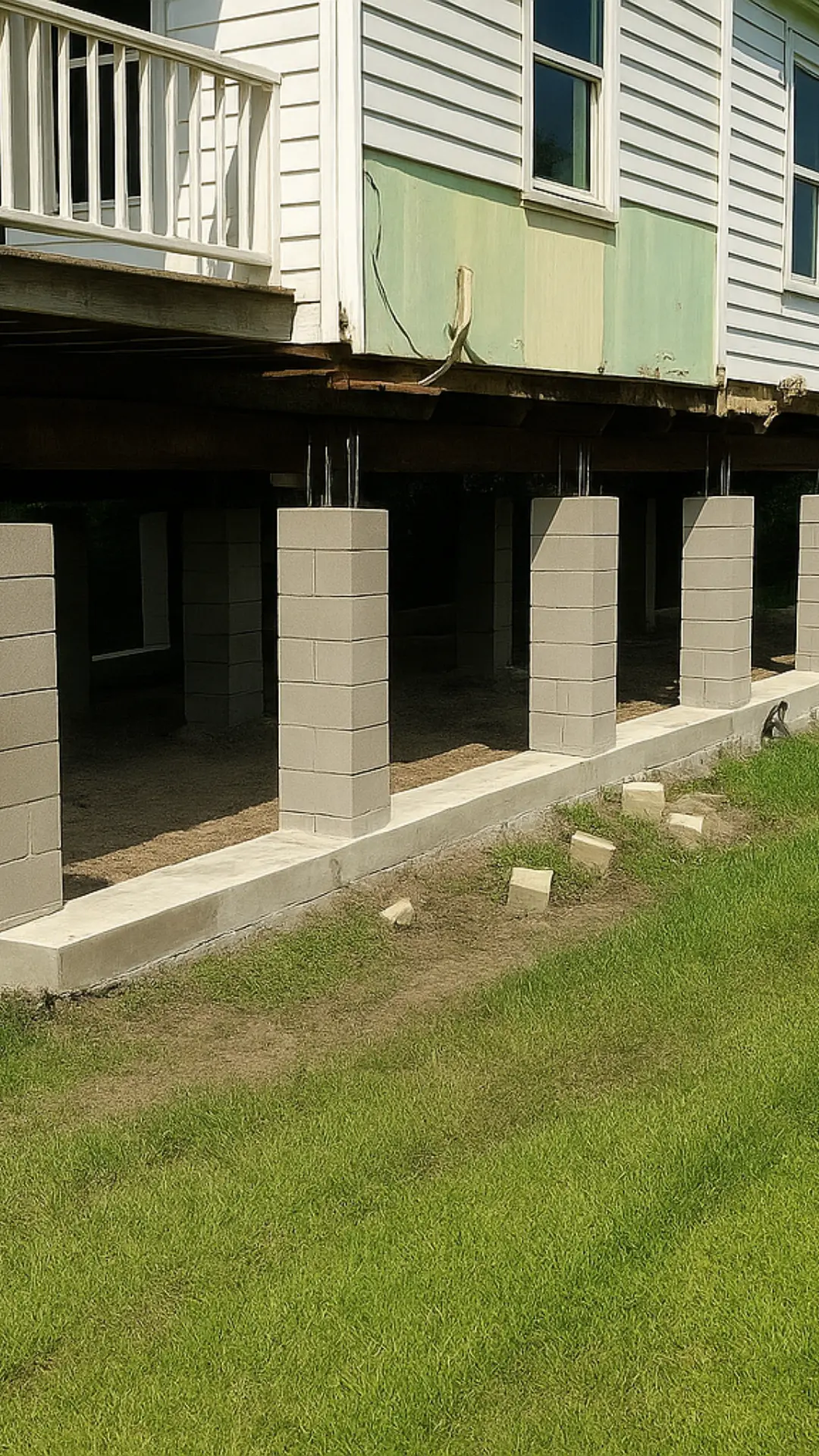
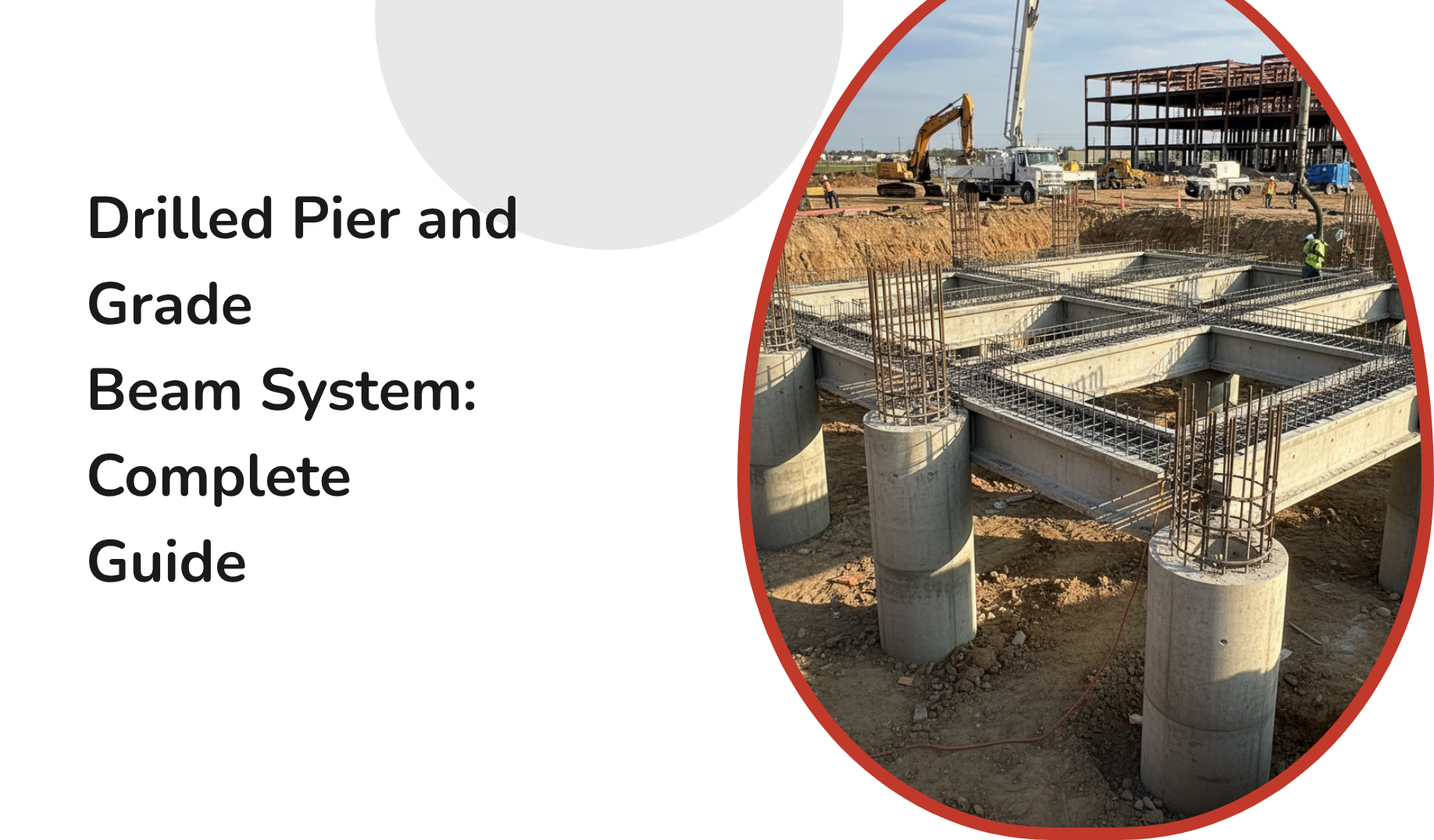
The fundamental principle behind this foundation approach involves drilling cylindrical shafts into the ground until reaching stable soil or bedrock, then filling these shafts with reinforced concrete to create load-bearing piers. These piers connect through reinforced concrete grade beams that distribute loads evenly across the foundation system. The drilled pier and grade beam system provides exceptional stability in expansive clay soils, areas with high water tables, or locations where traditional spread footings would be inadequate.
Key Components of a Drilled Pier and Grade Beam System
The primary elements of this foundation system work together to create a robust structural base. Drilled piers, also called drilled shafts or caissons, consist of reinforced concrete columns extending from grade level down to stable bearing material. These piers typically range from 12 to 48 inches in diameter, depending on load requirements and soil conditions. The drilled pier and grade beam system relies on proper pier spacing and sizing to ensure adequate load distribution throughout the foundation network.
Grade beams serve as the connecting elements between individual piers, creating a unified foundation system that resists differential settlement and lateral forces. These reinforced concrete beams typically measure 12 to 24 inches wide and extend 18 to 36 inches below grade, depending on frost line requirements and structural loads. The drilled pier and grade beam system achieves optimal performance when grade beams maintain proper reinforcement continuity and concrete quality throughout the entire foundation perimeter.
Engineering specifications for foundation systems must comply with local building codes and FEMA building science and structural standards to ensure structural integrity and safety. Professional structural engineers calculate pier depths, diameters, and spacing based on geotechnical soil reports and anticipated building loads. The drilled pier and grade beam system requires careful attention to reinforcement placement, concrete mix design, and construction sequencing to achieve design performance standards and long-term durability.
Design Considerations for Drilled Pier and Grade Beam System Applications
Soil analysis forms the foundation of proper system design, requiring comprehensive geotechnical investigation to determine bearing capacity, soil composition, and groundwater conditions. Engineers evaluate soil boring data to establish pier depths necessary to reach adequate bearing strata while avoiding problematic soil layers. The drilled pier and grade beam system design process incorporates safety factors and load combinations specified by applicable building codes and structural engineering standards.
Load calculations encompass dead loads from structural elements, live loads from occupancy and equipment, and environmental loads including wind and seismic forces. Structural engineers determine individual pier capacities based on allowable soil bearing pressures and concrete strength parameters. The drilled pier and grade beam system must accommodate all anticipated loads while maintaining adequate safety margins against settlement, structural failure, and long-term performance degradation.
Environmental factors significantly influence design parameters, including freeze-thaw cycles, groundwater fluctuations, and soil chemistry that could affect concrete durability. Proper pier depth extends below the frost line to prevent heave damage, while grade beam elevation accounts for surface drainage and moisture control. The drilled pier and grade beam system design incorporates appropriate concrete admixtures and protective measures to resist environmental degradation and ensure extended service life.
Construction sequencing affects system performance, requiring careful coordination between excavation, pier drilling, concrete placement, and grade beam construction activities. Quality control measures ensure proper concrete consolidation, adequate reinforcement coverage, and dimensional accuracy throughout the installation process. The drilled pier and grade beam system achieves optimal performance when construction follows approved plans and specifications under qualified supervision and inspection protocols.
Installation Process and Construction Methods
Site preparation begins with surveying and layout to establish precise pier locations according to structural plans and specifications. Construction crews clear vegetation, remove topsoil, and establish access routes for drilling equipment and concrete trucks. The drilled pier and grade beam system installation requires adequate working space around each pier location and proper staging areas for materials and equipment storage.
Pier drilling utilizes specialized equipment including truck-mounted augers, rotary drill rigs, or crane-mounted drilling tools capable of advancing through various soil conditions. Drilling operators maintain vertical alignment while advancing to specified depths, using drilling fluid or casing systems when necessary to maintain hole stability. The drilled pier and grade beam system construction process includes continuous monitoring of drilling progress and soil conditions to ensure proper pier placement and dimensional accuracy.
Moisture control during construction prevents contamination that could compromise concrete quality and structural performance, following guidelines established by the EPA mold and moisture control guide for construction environments. Proper excavation dewatering and protection from precipitation maintain optimal conditions for concrete placement and curing. The drilled pier and grade beam system requires immediate concrete placement after drilling completion to prevent hole collapse or contamination from groundwater infiltration.
Advantages of the Drilled Pier and Grade Beam System
The drilled pier and grade beam system represents a proven foundation solution combining engineering excellence with practical construction methods to deliver superior structural performance. This comprehensive approach to foundation design and installation provides property owners with reliable, long-lasting structural support capable of meeting diverse project requirements and challenging site conditions. Investment in quality foundation systems like the drilled pier and grade beam system ensures structural integrity, protects property values, and provides peace of mind for decades of reliable service.
More on drilled pier and grade beam system
Superior load-bearing capacity represents the primary advantage of this foundation approach, enabling support of heavy structural loads through unstable surface soils to competent bearing materials below. Deep pier penetration bypasses problematic soil layers including expansive clays, loose sands, and organic materials that could cause settlement issues with shallow foundations. The drilled pier and grade beam system provides reliable performance in challenging soil conditions where traditional foundation methods would be inadequate or require extensive soil modification.
Minimal site disturbance during construction reduces environmental impact and preserves existing site features including mature vegetation, utilities, and adjacent structures. The drilling process produces relatively small amounts of spoil material compared to extensive excavation required for basement or crawl space foundations. The drilled pier and grade beam system installation can proceed efficiently with minimal disruption to surrounding areas and existing site improvements.
Design flexibility accommodates various architectural layouts and structural configurations, allowing engineers to optimize pier placement for specific building requirements and site constraints. Variable pier depths and diameters enable customized solutions for different load zones within the same structure. The drilled pier and grade beam system adapts to irregular building footprints, providing consistent foundation performance regardless of architectural complexity or site-specific challenges.
Common Applications of Drilled Pier and Grade Beam System Solutions
Commercial construction projects frequently utilize this foundation method for office buildings, retail centers, and institutional facilities requiring large open spaces and heavy floor loads. The system supports multi-story structures while accommodating parking areas, mechanical equipment, and architectural features that demand reliable foundation performance. The drilled pier and grade beam system enables efficient construction scheduling and reduces overall project costs through streamlined foundation installation and reduced site preparation requirements.
Residential applications include custom homes, multi-family developments, and housing projects in areas with challenging soil conditions or strict settlement criteria. Homeowners benefit from enhanced structural stability, reduced maintenance requirements, and improved long-term property values. The drilled pier and grade beam system provides peace of mind for residential construction in expansive clay soils, coastal areas, or locations with variable groundwater conditions.
More on drilled pier and grade beam system
Industrial facilities require robust foundation systems capable of supporting heavy machinery, storage tanks, and manufacturing equipment while maintaining precise elevation tolerances and minimizing vibration transmission. Worker safety protocols during construction include proper protective equipment and adherence to CDC NIOSH silica dust safety for concrete workers guidelines for concrete cutting and drilling operations. The drilled pier and grade beam system delivers the structural performance and durability required for demanding industrial applications and specialized equipment installations.
Infrastructure projects including bridges, retaining walls, and utility structures benefit from the deep foundation support and lateral resistance provided by this system. Transportation facilities utilize drilled pier foundations for roadway structures, airport terminals, and rail infrastructure requiring superior load capacity and settlement control. The drilled pier and grade beam system meets the stringent performance requirements of public infrastructure while providing long-term reliability and minimal maintenance needs.
Rehabilitation projects often require specialized foundation solutions when existing structures experience settlement, structural distress, or inadequate bearing capacity for building modifications or additions. Foundation repair specialists employ various techniques to address these challenges, and when extensive tunneling work is needed to access foundation elements, Under Slab Tunneling Baytown services provide safe access for foundation improvements. The drilled pier and grade beam system can effectively supplement existing foundations or provide complete replacement solutions for structures requiring enhanced performance.
Slope stabilization and hillside construction projects utilize drilled pier foundations to provide structural support in areas with steep topography or unstable soil conditions. These applications require specialized design considerations for lateral earth pressures and potential slope movement. The drilled pier and grade beam system anchors structures to stable bearing materials while providing resistance against gravitational and seismic forces that could compromise hillside stability.
Maintenance and Long-Term Performance
Regular inspection protocols ensure continued performance and early detection of potential issues that could affect structural integrity or safety. Property owners should schedule periodic foundation assessments by qualified professionals to evaluate settlement, cracking, or other signs of distress. The drilled pier and grade beam system typically requires minimal maintenance when properly constructed, but routine monitoring helps identify any developing problems before they become costly repair situations.
Foundation drainage systems require ongoing maintenance to prevent water accumulation around grade beams and pier connections, which could lead to soil instability or concrete deterioration. Professional foundation contractors provide comprehensive evaluation and repair services when issues arise, and property owners experiencing foundation problems can access Foundation Repair Baytown expertise for proper diagnosis and remediation. The drilled pier and grade beam system benefits from proper surface grading and drainage to maintain long-term performance and prevent moisture-related complications.
Cost Considerations and Economic Benefits
Initial construction costs for drilled pier foundations typically exceed traditional shallow foundation systems but provide significant long-term value through enhanced performance and reduced maintenance requirements. The investment in superior foundation engineering prevents costly repairs, structural modifications, and property damage associated with foundation settlement or failure. The drilled pier and grade beam system delivers economic benefits through improved building performance, extended service life, and higher property values.
Life-cycle cost analysis demonstrates the economic advantages of investing in quality foundation systems that provide reliable performance over decades of service. Reduced insurance premiums, lower maintenance costs, and enhanced property marketability offset higher initial construction expenses. The drilled pier and grade beam system represents sound financial planning for property owners seeking long-term structural reliability and protection of their investment.
Professional Installation and Quality Assurance
Qualified contractors with specialized equipment and experience ensure proper installation according to engineering specifications and industry standards, and when dealing with existing pier and beam structures requiring repair or modification, Pier and Beam Foundation Repair Baytown specialists provide expert services for these specific foundation types. Professional installation includes comprehensive quality control measures, material testing, and documentation throughout the construction process. The drilled pier and grade beam system requires skilled craftsmanship and attention to detail to achieve design performance and long-term reliability.
Quality assurance programs encompass materials testing, construction inspection, and performance verification to ensure compliance with project specifications and building codes. Independent testing laboratories verify concrete strength, reinforcement placement, and dimensional accuracy throughout the installation process. The drilled pier and grade beam system benefits from rigorous quality control that confirms structural adequacy and provides documentation for future reference and maintenance planning.
Professional engineering oversight ensures proper design, construction sequencing, and problem resolution when unexpected conditions arise during installation. Structural engineers provide field observation, testing coordination, and certification of completed work according to applicable standards and regulations. The drilled pier and grade beam system requires professional expertise throughout the design and construction process to achieve optimal performance and regulatory compliance.
Documentation and record-keeping provide essential information for future maintenance, modifications, or property transfers, including as-built drawings, material test reports, and installation photographs. Complete project records support warranty claims, insurance coverage, and future engineering evaluations of foundation performance. The drilled pier and grade beam system documentation serves as valuable reference material for property owners and maintenance professionals throughout the structure’s service life.
Frequently Asked Questions
What is a drilled pier and grade beam system?
A drilled pier and grade beam system is a deep foundation method consisting of cylindrical concrete shafts (drilled piers) that extend deep into the ground to reach stable soil or rock layers, connected by horizontal reinforced concrete beams (grade beams) at or near ground level. The drilled piers, also called drilled shafts or caissons, transfer structural loads through end bearing and side friction to competent bearing strata. Grade beams distribute loads between piers and provide lateral stability while supporting the building’s superstructure. This system is ideal for sites with poor surface soils, high water tables, or where deep excavation for conventional spread footings would be impractical or costly.
When should a drilled pier and grade beam system be used?
This system is recommended when surface soils are unsuitable for shallow foundations, such as expansive clays, loose sands, or organic soils. It’s ideal for sites with high water tables where dewatering would be expensive, locations requiring minimal vibration during construction, projects on sloped terrain, or when building near existing structures. The system works well for heavy structural loads, seismic zones requiring deep foundations, and areas with limited access where large equipment for driven piles cannot operate. It’s also preferred when construction noise must be minimized, making it suitable for urban environments. Geotechnical investigations typically reveal the need for this system when adequate bearing capacity cannot be achieved within reasonable depths using conventional footings.
What are the main advantages of drilled pier and grade beam systems?
Key advantages include minimal noise and vibration during installation, making it suitable for urban construction near sensitive structures. The system provides excellent load-bearing capacity through both end bearing and side friction, with precise diameter and depth control. It can penetrate through various soil conditions and reach rock if needed. Grade beams allow for efficient load distribution and can span over utilities or poor soil areas. The system accommodates irregular pier spacing and varying loads effectively. Construction doesn’t require extensive dewatering, and the process produces minimal soil displacement. Quality control is excellent since pier construction can be visually inspected before concrete placement. The system also provides good resistance to lateral loads and uplift forces when properly designed.
How deep are drilled piers typically installed?
Drilled pier depths vary significantly based on site conditions, structural loads, and geotechnical requirements. Typical depths range from 15 to 100 feet, though they can extend deeper when necessary. Minimum depths usually start around 10-15 feet to get below the frost line and surface soil variations. For residential construction, depths of 15-30 feet are common, while commercial and industrial projects may require 30-80 feet or more. The final depth depends on reaching adequate bearing strata, achieving required capacity through side friction, or hitting bedrock. Geotechnical engineers determine optimal depth through soil borings and load calculations. In some cases, piers may extend 150+ feet in deep soft soil deposits to reach suitable bearing layers.
What is the typical construction process for this system?
Construction begins with surveying and marking pier locations, followed by drilling using specialized equipment like bucket augers or continuous flight augers. The drilling process advances through various soil layers until reaching the design depth and bearing stratum. Temporary casing may be used in unstable soils or when encountering groundwater. Once at proper depth, the hole is cleaned of loose debris and inspected for quality. Steel reinforcement cages are then lowered into the drilled shaft, followed by concrete placement using tremie methods for wet holes or direct placement for dry conditions. After concrete cures sufficiently, grade beam excavation and formwork installation occurs. Grade beam reinforcement is placed and connected to pier steel, then concrete is poured to complete the foundation system.
How are drilled piers sized and what factors influence their design?
Pier sizing depends on structural loads, soil conditions, and safety factors. Diameters typically range from 18 inches to 10+ feet, with 24-48 inches being common for most applications. Design considerations include dead and live loads, wind and seismic forces, soil bearing capacity, and allowable settlement limits. Engineers evaluate end bearing capacity of the bearing stratum and side friction along the shaft length. Groundwater conditions, soil corrosivity, and construction constraints also influence design. Reinforcement requirements depend on structural loads and connection details to grade beams. Load testing may be performed on test piers to verify design assumptions. The final design must satisfy both geotechnical capacity requirements and structural adequacy for load transfer from the superstructure through the grade beam system.
What are common challenges and limitations of this foundation system?
Major challenges include higher initial costs compared to shallow foundations and the need for specialized drilling equipment and experienced contractors. Groundwater can complicate construction, requiring casing or dewatering techniques. Soil caving during drilling may necessitate temporary casing or drilling fluid. Access limitations can restrict equipment mobility on tight sites. Quality control requires careful inspection of drilled holes and proper concrete placement techniques. Obstructions like boulders, old foundations, or utilities can impede drilling progress. Grade beam construction requires careful coordination with utilities and proper drainage considerations. Weather conditions can affect concrete placement and curing. The system also requires more complex design analysis and may have longer construction schedules compared to conventional spread footings, though these challenges are typically manageable with proper planning and execution.