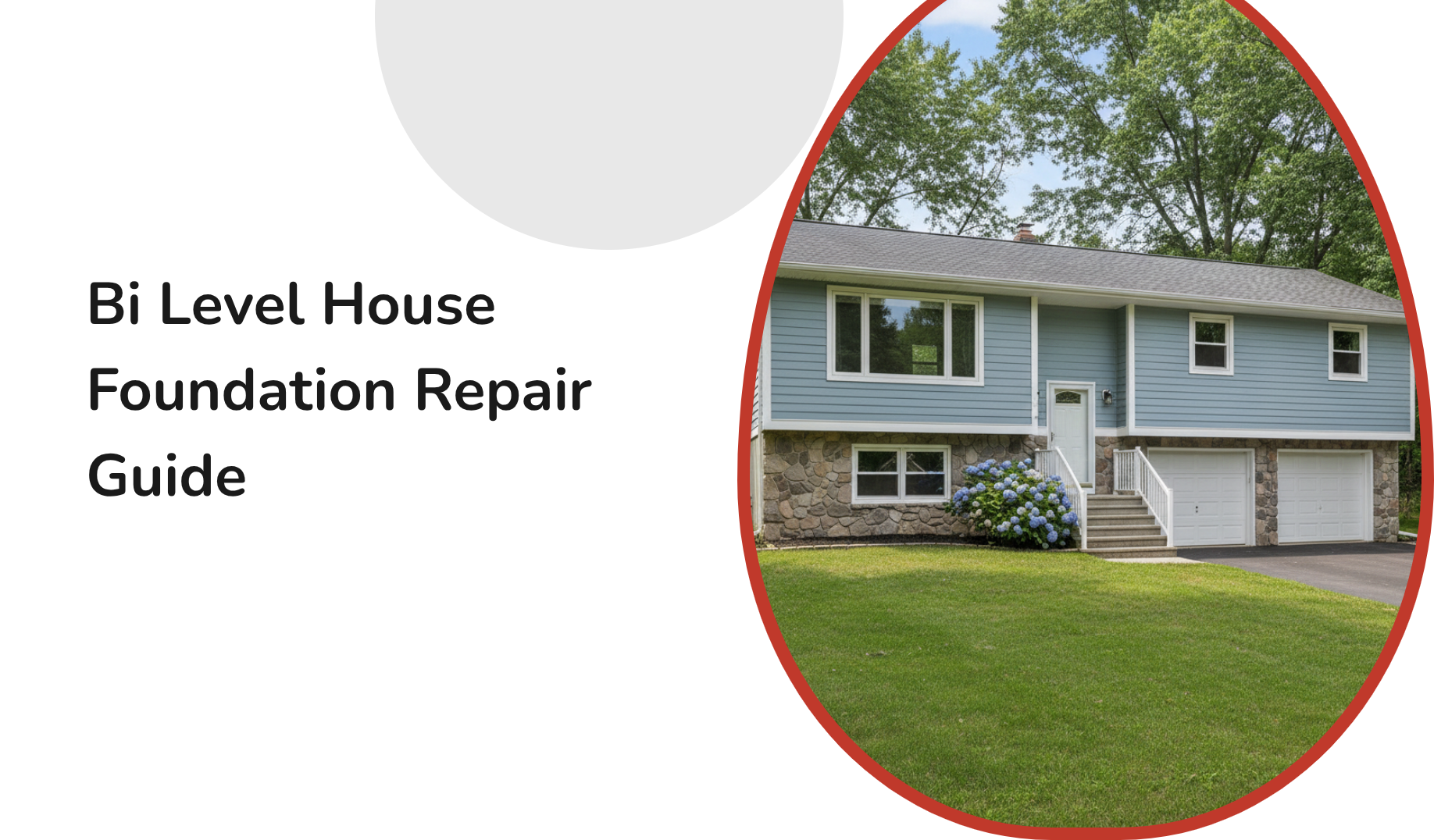
Bi level house designs have become increasingly popular among homeowners seeking functional and affordable housing solutions. This architectural style, also known as split-level homes, offers unique advantages that make them attractive to families of various sizes. The bi level house concept maximizes living space while maintaining a compact footprint, making it an excellent choice for modern suburban developments. Understanding the fundamentals of this home style can help potential buyers make informed decisions about their housing investments.
The architectural concept of split-level homes emerged in the 1950s as a response to changing family needs and suburban development patterns. These homes typically feature multiple levels that are offset by half-flights of stairs, creating distinct living zones within a single structure. The design philosophy behind this housing style emphasizes efficiency and functionality while providing clear separation between different areas of the home. This innovative approach to residential architecture has stood the test of time and continues to influence modern home design. Scheduling bi level house with a professional ensures lasting results.
Understanding Bi Level House Architecture and Layout
The typical bi level house features three distinct levels connected by short flights of stairs, usually consisting of four to eight steps between floors. The main entrance typically opens to a landing area that provides access to both upper and lower levels. The upper level commonly houses bedrooms and bathrooms, while the lower level contains family rooms, additional bedrooms, or recreational spaces. This vertical arrangement creates natural zones for different family activities and provides excellent privacy between living areas.
Design flexibility represents one of the most significant advantages of the split-level home configuration. The multi-level layout allows homeowners to customize spaces according to their specific needs and lifestyle preferences. Common variations include raised ranch styles, where the main living areas are elevated above ground level, and traditional split-entries with living spaces distributed across multiple floors. The architectural versatility of these homes makes them suitable for various lot sizes and topographical conditions, adapting well to sloped or irregular terrain. Scheduling bi level house with a professional ensures lasting results.
Structural integrity remains paramount when evaluating any residential property, and bi level house construction must meet stringent safety requirements. The multi-level design requires careful attention to foundation systems, load-bearing walls, and stair construction to ensure long term stability. Professional inspections should verify compliance with FEMA building science and structural standards to guarantee the home meets current safety codes. Proper structural assessment helps identify potential issues before they become costly problems, protecting both the investment and the occupants.
bi level house Methods
The interior flow of a bi level house creates unique opportunities for family living arrangements and entertaining spaces. The staggered floor plan naturally separates public and private areas, with common spaces typically located on the main level and bedrooms positioned for maximum privacy. This configuration works particularly well for families with teenagers or multi-generational households where different age groups need distinct living areas. The design also facilitates easy supervision of children while maintaining adult spaces for relaxation and entertainment.
Exterior aesthetics of split-level homes can vary significantly depending on architectural style and regional preferences. Many homeowners appreciate the distinctive silhouette these homes create in neighborhood streetscapes, with their characteristic rooflines and multi-level facades. Modern renovations often update the exterior appearance with contemporary materials, colors, and landscaping to enhance curb appeal. The unique profile of these homes allows for creative architectural elements that distinguish them from traditional single-story or two-story residences. Scheduling bi level house with a professional ensures lasting results.
Natural lighting optimization presents both challenges and opportunities in bi level house design. The multi-level configuration can sometimes limit light penetration to lower levels, requiring strategic placement of windows and skylights. However, the staggered floor plan also creates opportunities for clerestory windows and other innovative lighting solutions. Proper window placement and size selection can dramatically improve the interior ambiance and reduce dependence on artificial lighting during daylight hours.
Energy efficiency considerations play an increasingly important role in modern split-level home ownership and renovation planning. The multi-level design can present unique challenges for heating and cooling systems, as temperature control may vary between floors. Strategic insulation placement, efficient HVAC system design, and proper air sealing can significantly improve energy performance. Many homeowners find that targeted improvements to their split-level homes result in substantial utility cost savings and improved year-round comfort. Scheduling bi level house with a professional ensures lasting results.
Advantages of Bi Level House Living
Privacy and noise control represent significant benefits of the bi level house layout for families with diverse schedules and activities. The vertical separation of living spaces naturally reduces noise transmission between different areas of the home, allowing family members to pursue different activities simultaneously. Parents can watch television or entertain guests on the main level while children sleep or study in upper-level bedrooms. This acoustic separation enhances the quality of life for all occupants and reduces household stress.
Cost-effectiveness makes split-level homes an attractive option for first-time buyers and growing families seeking maximum value for their housing investment. The efficient use of vertical space allows these homes to provide substantial square footage on smaller lots compared to single-story alternatives. Construction costs per square foot often prove lower than traditional two-story homes due to simplified foundation and roofing requirements. This economic advantage extends to ongoing maintenance costs, as many components remain easily accessible for routine service and repairs. Scheduling bi level house with a professional ensures lasting results.
Renovation potential in bi level house structures offers homeowners excellent opportunities for customization and modernization without major structural modifications. The flexible floor plan accommodates various renovation projects, from kitchen updates to bathroom additions, while maintaining the home’s essential character. Government assistance programs may help finance major improvements, including HUD housing rehabilitation and repair programs that support qualifying homeowners. These resources can make significant upgrades more affordable and help maintain property values over time.
Common Challenges in Bi Level House Maintenance
Investment in a bi level house represents both a housing solution and an opportunity for long-term wealth building through property ownership and improvement. The combination of affordability, functionality, and renovation potential makes these homes attractive to diverse buyer segments in today’s real estate market. Success with split-level home ownership depends on understanding the unique characteristics of this architectural style and committing to proper maintenance and strategic improvements over time. With informed ownership and professional support when needed, these homes continue to provide excellent value and comfortable living for their occupants.
More on bi level house
Moisture management requires special attention in bi level house construction due to the interaction between different floor levels and ground contact areas. Lower levels, particularly those partially below grade, may experience higher humidity levels and potential water infiltration issues. Proper drainage systems, waterproofing, and ventilation become crucial for maintaining healthy indoor environments. Regular inspection of basement or lower-level areas helps identify moisture problems before they lead to more serious structural or health issues.
Stairway safety and maintenance demand ongoing attention in split-level homes where stairs serve as primary circulation routes between living areas. Regular inspection of handrails, treads, and lighting ensures safe passage for all family members, particularly children and elderly residents. Proper lighting at all stair locations reduces accident risk and improves overall home safety. Upgrading stair components may be necessary over time to maintain both safety standards and aesthetic appeal throughout the home. Scheduling bi level house with a professional ensures lasting results.
HVAC system challenges often arise in bi level house configurations due to the need to effectively condition multiple levels with potentially different heating and cooling requirements. The staggered floor plan can create uneven temperature distribution, requiring careful system design and possibly zone controls. Regular maintenance of ductwork, filters, and mechanical components ensures efficient operation and consistent comfort throughout all living areas. Professional HVAC evaluation can identify opportunities for system improvements and energy savings.
Bi Level House Renovation and Improvement Strategies
Kitchen renovation projects in split-level homes often focus on opening up spaces and improving flow between the kitchen and adjacent living areas. The multi-level layout may present unique opportunities for creating kitchen peninsulas or islands that serve multiple floors. Updating appliances, cabinets, and countertops can dramatically transform the functionality and appearance of these important spaces. Careful planning ensures that kitchen improvements complement the overall architectural style while meeting modern family needs.
Bathroom upgrades in bi level house layouts can significantly impact both functionality and home value, particularly when addressing the needs of multiple family members across different floors. Adding bathrooms or expanding existing ones may require creative solutions due to plumbing and structural considerations. Modern fixtures, improved lighting, and better ventilation can transform outdated bathrooms into comfortable, efficient spaces. Strategic bathroom placement serves all levels effectively while maintaining privacy and convenience.
More on bi level house
Basement finishing represents a major opportunity for expanding livable space in split-level homes with lower levels suitable for conversion. Proper moisture control becomes essential for successful basement renovations, requiring attention to waterproofing, insulation, and ventilation systems. Following established guidelines from the EPA mold and moisture control guide helps ensure healthy indoor environments in below-grade spaces. Professional assessment determines the feasibility and requirements for creating additional bedrooms, family rooms, or recreational areas.
Exterior improvements can dramatically enhance the curb appeal and market value of any bi level house while addressing functional needs such as drainage and access. Landscaping projects should complement the multi-level architecture while directing water away from foundation areas. Deck and patio additions can extend outdoor living spaces and take advantage of the natural level changes in split-level designs. These exterior enhancements often provide excellent return on investment while improving the overall property appeal.
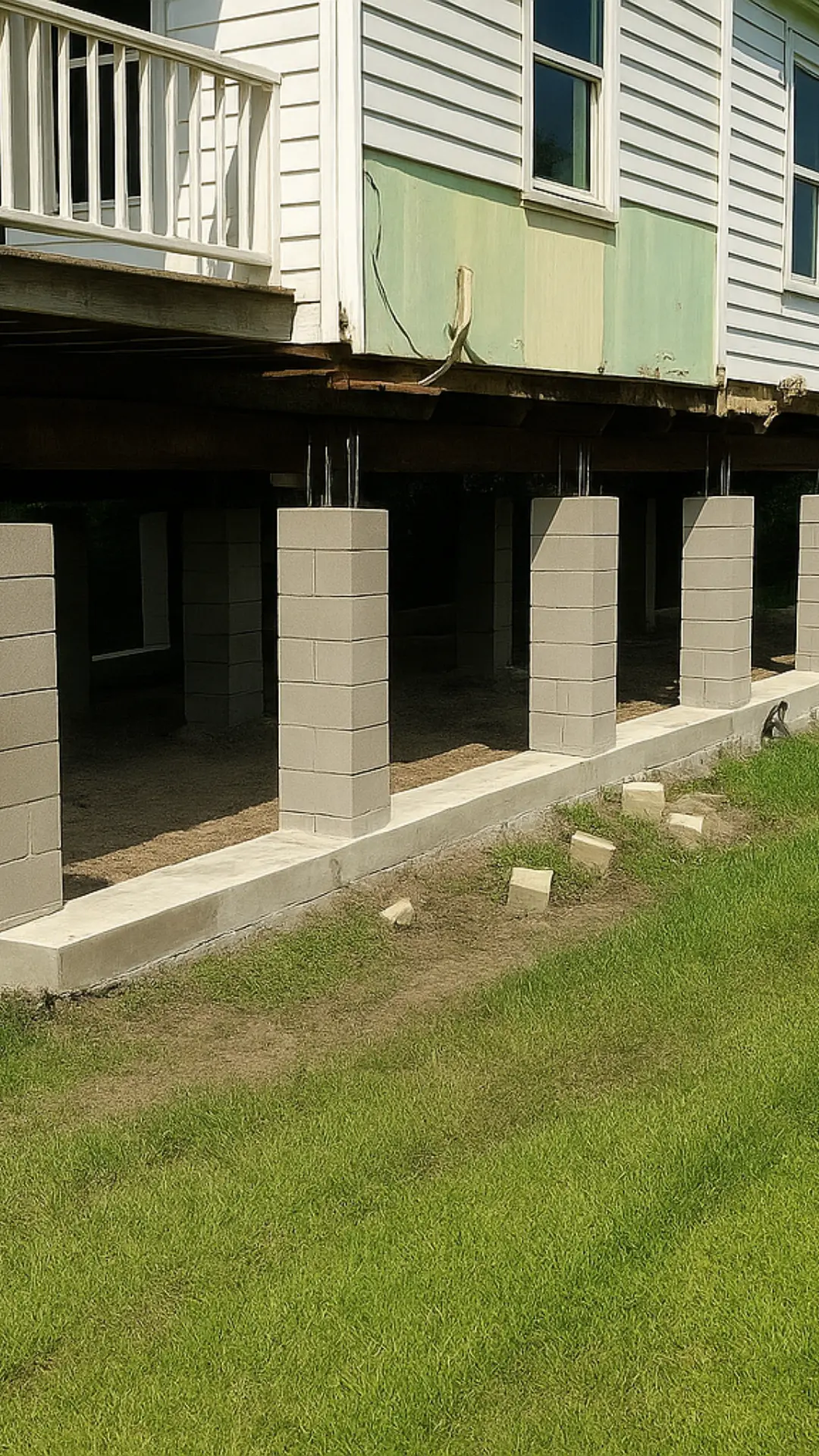
Foundation issues in split-level homes require prompt attention from qualified professionals who understand the unique structural requirements of multi-level construction. Signs of foundation problems include cracks in walls, uneven floors, or doors and windows that don’t operate properly. Professional services like Foundation Repair Humble can provide expert assessment and repair solutions tailored to split-level home foundations. Early intervention prevents minor issues from developing into major structural problems that could compromise the entire home.
Flooring selection and installation in bi level house designs must account for traffic patterns, moisture levels, and acoustic considerations between floors. Different flooring materials may be appropriate for various levels, with moisture-resistant options essential for lower levels and sound-dampening materials beneficial for upper floors. Consistent flooring choices can create visual flow throughout the home, while strategic variations can define different functional areas. Professional installation ensures proper subfloor preparation and long-lasting performance across all living levels.
Market Trends and Property Values
Real estate market trends show continued interest in bi level house properties among buyers seeking functional family homes with character and affordability. These homes often represent excellent value propositions in established neighborhoods with mature landscaping and convenient locations. Market appreciation rates for well-maintained split-level homes typically track closely with overall neighborhood trends while offering potential for value enhancement through strategic improvements. Understanding local market conditions helps homeowners make informed decisions about timing for purchases, sales, or major renovations.
Appraisal considerations for split-level homes focus on functional obsolescence, condition, and comparability to other properties in the market area. Professional appraisers evaluate the effectiveness of the floor plan, quality of construction, and overall maintenance condition when determining property values. Structural issues such as foundation problems can significantly impact appraised values, making services like Pier and Beam Foundation Repair Humble essential for maintaining property investments. Regular maintenance and strategic improvements help ensure that these homes retain their market appeal and value over time.
Professional Services and Maintenance
Regular professional inspections help bi level house owners identify potential issues before they become expensive problems requiring emergency repairs. Qualified inspectors understand the unique characteristics of split-level construction and can assess structural integrity, mechanical systems, and building envelope performance. Annual or bi-annual inspections provide peace of mind and help prioritize maintenance tasks and improvement projects. Professional documentation of home condition also proves valuable for insurance claims and property transfer situations.
Contractor selection for split-level home projects requires careful evaluation of experience with multi-level construction and renovation challenges. Qualified contractors understand the structural requirements, code compliance issues, and practical considerations unique to these homes. References from previous split-level projects and proper licensing and insurance coverage are essential qualifications for any contractor consideration. Clear communication about project scope, timeline, and budget expectations helps ensure successful completion of improvement projects.
Long-term Investment Considerations
Property maintenance planning for bi level house ownership should include regular attention to roofing, foundation, and mechanical systems that serve multiple levels effectively. Preventive maintenance schedules help avoid costly emergency repairs and extend the useful life of major home components. Professional services such as House Leveling Service Humble can address structural settling issues that may develop over time in multi-level homes. Proactive maintenance approaches protect the long-term value and livability of split-level properties while minimizing unexpected repair costs.
Insurance considerations for split-level homes may involve special attention to multi-level risks such as stair accidents, water damage to lower levels, and structural issues unique to this construction type. Adequate coverage should address replacement cost considerations for the entire structure, including finished basement or lower-level areas. Regular policy reviews ensure that coverage keeps pace with home improvements and current replacement costs. Working with insurance professionals familiar with split-level homes helps secure appropriate protection for these unique properties.
Future resale planning involves maintaining and improving bi level house properties to appeal to the next generation of buyers while preserving the architectural character that makes these homes distinctive. Strategic updates to kitchens, bathrooms, and mechanical systems help ensure continued market appeal without compromising the essential split-level design. Energy efficiency improvements and modern conveniences can be integrated while respecting the original architectural intent. Planning ahead for eventual resale helps guide improvement decisions and maintenance priorities throughout ownership.
The enduring appeal of bi level house design lies in its practical approach to family living, efficient use of space, and potential for personalization through renovation and improvement projects. These homes continue to serve families well when properly maintained and thoughtfully updated to meet contemporary needs. Understanding the unique characteristics, challenges, and opportunities of split-level homes empowers owners to make informed decisions about their properties. With proper care and strategic improvements, these distinctive homes provide comfortable, functional living spaces for generations of families.
Frequently Asked Questions
What is a bi-level house?
A bi-level house, also known as a split-entry or raised ranch, is a two-story home design where the main entrance is located between floors. When you enter through the front door, you’ll find a landing with stairs going up to the main living areas and stairs going down to the lower level. The upper level typically contains the kitchen, living room, dining room, and bedrooms, while the lower level often houses a family room, additional bedrooms, laundry room, and storage space. This design became popular in the 1960s and 1970s as an affordable housing option that maximizes living space on smaller lots while providing separation between formal and casual living areas.
What are the main advantages of bi-level houses?
Bi-level houses offer several key advantages including cost-effective construction due to their simple rectangular design and shared foundation walls. They maximize living space on smaller lots by utilizing both upper and lower levels efficiently. The design provides natural separation between formal entertaining areas upstairs and casual family spaces downstairs. Lower levels often stay cooler in summer, reducing energy costs. These homes typically offer good privacy with bedrooms separated from main living areas. The split-entry design also provides excellent potential for rental income by converting the lower level into a separate apartment. Additionally, bi-level homes often feature large windows that bring in plenty of natural light to both levels.
What are the disadvantages of bi-level houses?
Bi-level houses have several drawbacks that potential buyers should consider. The split-entry design can feel outdated and may limit curb appeal compared to other architectural styles. Lower levels can be prone to moisture issues, flooding, and may feel dark or cramped despite windows. The design creates challenges for accessibility, as you must use stairs immediately upon entering. Heating and cooling can be inefficient due to the multi-level layout, with heat rising to upper levels. The architectural style may limit resale appeal in some markets. Additionally, the lower level ceiling height is often limited, and the overall design can feel compartmentalized rather than offering the open floor plans that many modern buyers prefer.
How much do bi-level houses typically cost?
Bi-level house costs vary significantly based on location, size, age, and condition. Generally, bi-level homes are more affordable than traditional two-story or ranch homes of similar square footage due to their efficient construction and the fact that lower-level space is often valued less than above-grade living space. In most markets, you can expect to pay 10-20% less than comparable single-level ranch homes. Construction costs for new bi-level homes are typically lower due to the simple design and shared foundation walls. However, renovation costs can be higher due to potential moisture issues in lower levels and the need to update the dated design elements. The lower cost makes bi-level homes attractive to first-time buyers and investors.
Can you renovate a bi-level house to look more modern?
Yes, bi-level houses can be successfully renovated to achieve a more modern appearance and improved functionality. Popular exterior updates include adding stone or brick veneer, updating siding, installing larger windows, and creating a more prominent front entrance with landscaping or portico additions. Interior renovations often focus on opening up the floor plan by removing non-load-bearing walls, updating the kitchen with modern appliances and finishes, and improving lighting throughout. Lower level improvements might include waterproofing, adding egress windows, installing luxury vinyl plank flooring, and creating more functional family spaces. Many homeowners also add decks or patios to extend outdoor living space. While renovations require investment, they can significantly increase both the home’s value and appeal to modern buyers.
Are bi-level houses good for families with children?
Bi-level houses can work well for families with children, offering both advantages and considerations. The design provides excellent separation between adult and children’s spaces, with kids often enjoying the lower level family room for play and entertainment while parents use the upper level for formal activities. The layout naturally creates quiet zones for homework and study. However, parents should consider safety aspects, as young children will need to navigate stairs immediately upon entering the home. The lower level provides great space for playrooms, teen hangouts, and sleepovers. Storage space is typically abundant throughout both levels. The main concern is supervision, as children playing in the lower level may be less visible from the main living areas upstairs.
What should I look for when buying a bi-level house?
When buying a bi-level house, focus on several key areas that are common concern points. Thoroughly inspect the lower level for any signs of water damage, moisture issues, or flooding history, including checking walls, floors, and ceilings for stains or mold. Evaluate the heating and cooling systems’ efficiency across both levels. Examine the roof and foundation carefully, as these are critical for preventing water intrusion. Check that lower level bedrooms have proper egress windows for safety. Assess the electrical and plumbing systems, which may need updates in older bi-level homes. Consider the home’s potential for renovation and whether the layout meets your family’s needs. Finally, research the neighborhood’s market trends for bi-level homes to ensure good resale potential and compare prices with other home styles in the area.