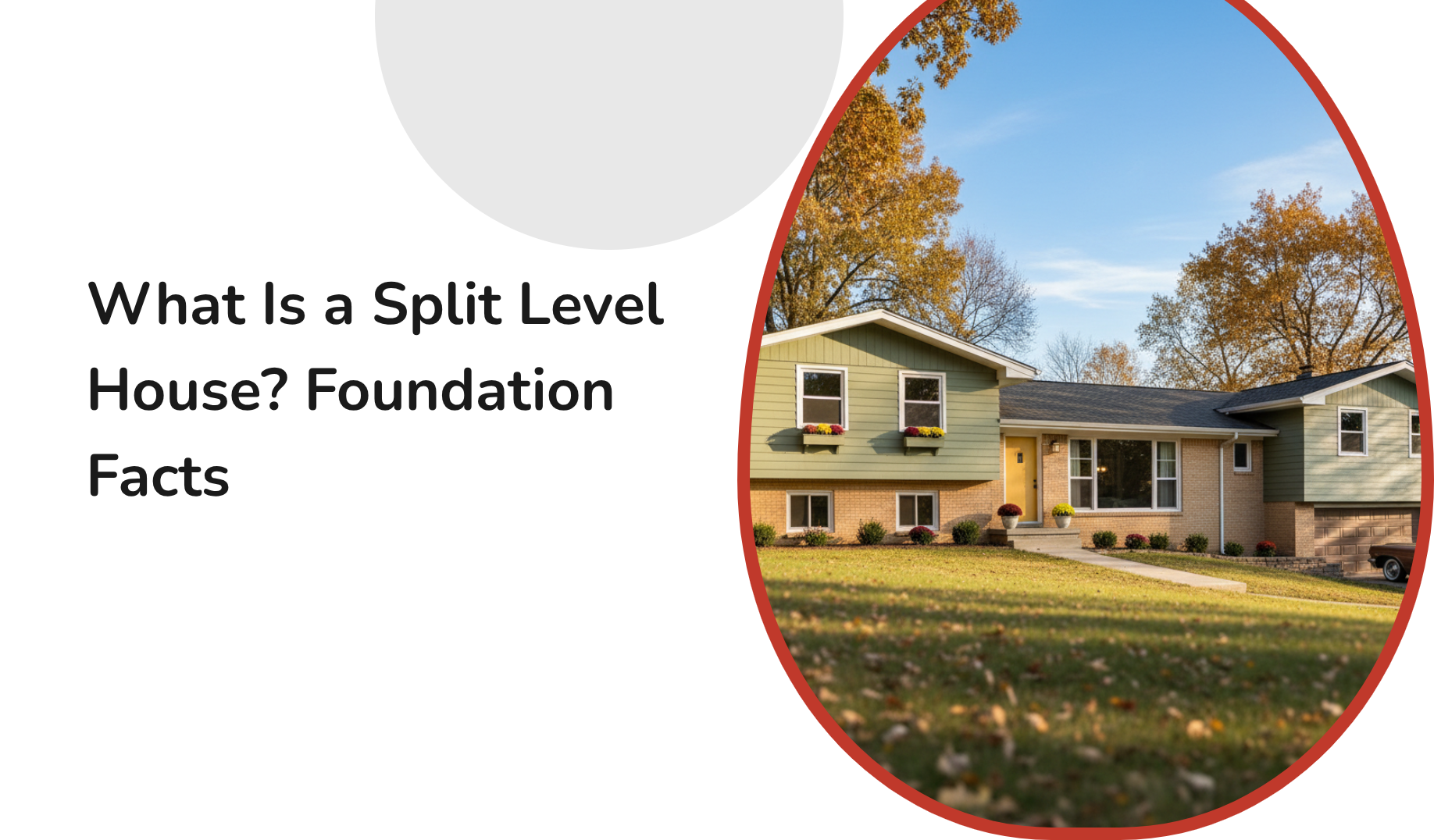
What is split level house architecture and why has it remained popular for decades? A split level house is a distinctive multi-level home design where different floors are separated by half-flights of stairs rather than full stories. This unique architectural style emerged in the 1950s and gained widespread popularity throughout the 1960s and 1970s, offering homeowners an innovative approach to residential living that maximizes space utilization while creating distinct functional zones within the home structure.
The defining characteristic that answers what is split level house design lies in its staggered floor arrangement. Unlike traditional two-story homes with complete floor separations, split level houses feature interconnected levels that are offset by approximately four to eight feet. This creates multiple living zones including a main level for common areas, an upper level for bedrooms, and a lower level for recreation or utility spaces. The strategic placement of these levels allows for natural light penetration throughout the home while maintaining privacy between different functional areas.
What Is Split Level House: Key Architectural Features and Design Elements
Understanding what is split level house construction reveals several distinctive architectural elements. The front entrance typically opens to a landing with stairs leading both up and down, creating an immediate sense of the home’s multi-level nature. Large windows are strategically placed to maximize natural light across all levels, while open floor plans on the main level create seamless flow between living, dining, and kitchen areas. The exterior often features a combination of materials and varying rooflines that reflect the interior’s staggered design.
When examining what is split level house layout, the functional separation becomes apparent. The main level houses primary living spaces including the living room, dining room, and kitchen, positioned at ground level for easy access. The upper level contains bedrooms and bathrooms, providing privacy and quiet sleeping areas. The lower level typically includes recreational spaces, additional bedrooms, storage areas, or utility rooms, making efficient use of the home’s footprint while providing diverse living spaces for different activities.
Structural integrity is crucial when considering what is split level house construction standards. These homes require specialized engineering to ensure proper load distribution across multiple levels and varying foundation heights. Building codes and FEMA building science and structural standards provide guidelines for multi-level construction, ensuring that split level homes meet safety requirements for foundation stability, structural support, and seismic resistance where applicable.
What Is Split Level House: Different Types and Variations
Exploring what is split level house variations reveals several distinct subtypes. The standard split level features three main levels with the entrance on the middle level. Bi-level homes, sometimes confused with split levels, have just two levels with the entrance between them. Tri-level houses extend the concept with additional levels, creating even more distinct living zones. Each variation maintains the core principle of staggered floors connected by short flights of stairs rather than full-height separations.
Side-split and back-split configurations represent regional variations in what is split level house design. Side-split homes have the garage and entrance on one side with levels extending perpendicular to the street, while back-split designs feature levels that step back from the street frontage. These variations allow architects to adapt the split level concept to different lot sizes, topographies, and neighborhood requirements while maintaining the fundamental multi-level living approach that defines this architectural style.
Contemporary interpretations of what is split level house design incorporate modern materials and energy-efficient features. Updated versions may include larger windows, open concept layouts, sustainable building materials, and smart home technology integration. These modern split levels maintain the functional benefits of separated living zones while addressing contemporary lifestyle needs and environmental considerations, proving the adaptability and enduring appeal of this architectural concept.
The evolution of what is split level house design reflects changing family dynamics and lifestyle preferences. Original 1950s designs emphasized formal separation between public and private spaces, while contemporary versions often blur these boundaries with more open layouts. Modern split levels may feature home offices, multi-generational living spaces, or flexible rooms that can adapt to changing needs, demonstrating how this architectural style continues to evolve with societal trends.
Advantages and Benefits of Split Level House Design
The primary advantage in what is split level house living is the natural separation of functional areas without complete isolation. This design allows families to maintain privacy in bedrooms and quiet study areas while keeping common spaces open for gathering and entertainment. The multi-level approach also provides excellent opportunities for hosting guests, as the lower level can serve as an independent entertainment zone while upper levels remain private family spaces.
Cost efficiency represents another significant benefit when considering what is split level house construction offers. The staggered design maximizes usable space within a smaller footprint compared to sprawling ranch homes, reducing land requirements and construction costs. The partially below-grade lower level provides additional square footage at a fraction of the cost of above-ground construction, making split levels an economical choice for families seeking maximum space within budget constraints.
Energy efficiency advantages explain why what is split level house design remains attractive to environmentally conscious homeowners. The partially underground lower level maintains more consistent temperatures year-round, reducing heating and cooling costs. Many split level owners benefit from HUD housing rehabilitation and repair programs when upgrading insulation and mechanical systems, further improving energy performance and reducing utility expenses while maintaining comfortable living conditions.
What Is Split Level House: Common Challenges and Considerations
Understanding what is split level house architecture, benefits, and challenges empowers potential buyers to make informed housing decisions. These distinctive homes offer unique advantages including functional space separation, cost-effective construction, and renovation potential, while requiring consideration of accessibility, maintenance, and market factors. Whether you’re attracted to their mid-century modern appeal or practical multi-level living benefits, split level houses continue to provide viable housing solutions for diverse family needs and lifestyles.
Renovation and Modernization Opportunities
Understanding what is split level house drawbacks helps potential buyers make informed decisions. The multiple levels can be challenging for individuals with mobility issues, as daily activities require frequent stair navigation. The lower level’s below-grade position may experience moisture issues, limited natural light, and potential flooding concerns depending on local climate and drainage conditions. These factors require careful consideration during the home selection process.
Resale considerations impact what is split level house market value in different regions. While some areas maintain strong demand for split level homes, others have seen declining interest as open-concept ranch and two-story homes gain popularity. The dated appearance of some 1960s and 1970s split levels may require significant updates to appeal to modern buyers, potentially affecting return on investment for renovation projects.
Maintenance challenges specific to what is split level house construction include managing multiple HVAC zones, addressing moisture control in lower levels, and maintaining proper drainage around varying foundation heights. The complex rooflines common in split level designs may require more frequent inspection and maintenance, while the multiple entry points and level changes can complicate security system installation and general upkeep routines.
What Is Split Level House: Ideal Buyers and Lifestyle Fit
Renovation potential makes what is split level house properties attractive to buyers seeking customization opportunities. The separated levels provide natural zones for different renovation projects, allowing homeowners to update one area while living comfortably in others. Popular modifications include opening walls between levels for better flow, updating kitchens and bathrooms, finishing lower levels for additional living space, and improving exterior curb appeal with modern materials and landscaping.
Kitchen renovations in what is split level house designs often focus on creating better connection with adjacent living areas while maintaining the home’s natural flow between levels. Many homeowners remove walls between kitchen and dining areas, install kitchen islands for additional workspace and seating, and update appliances and finishes to reflect contemporary design preferences while respecting the home’s architectural character.
Location and Climate Considerations
Lower level improvements address common concerns about what is split level house basement areas. Proper moisture control becomes essential, following EPA mold and moisture control guide recommendations for humidity management and ventilation. Successful lower level renovations include adding egress windows for safety and natural light, installing moisture barriers, upgrading flooring to water-resistant materials, and creating comfortable recreational or bedroom spaces.
Exterior updates significantly impact what is split level house curb appeal and market value. Common improvements include updating siding materials, replacing windows with energy-efficient models, redesigning entryways for better visual impact, and landscaping to complement the home’s multi-level profile. These exterior renovations can dramatically transform a dated split level into a contemporary, attractive home that appeals to modern buyers while maintaining its distinctive architectural character.
Foundation concerns in what is split level house maintenance require professional attention when problems arise. The varying foundation heights and multiple entry points can create unique challenges for foundation repair specialists. Professional services like Under Slab Tunneling Pasadena provide specialized solutions for foundation access and repair in complex multi-level structures, ensuring long-term structural integrity and home safety.
Interior design strategies for what is split level house spaces focus on creating cohesive flow between levels while respecting each area’s distinct function. Consistent flooring materials, coordinated color schemes, and strategic lighting placement help unify the multi-level space. Open staircases with attractive railings can become focal points, while careful furniture placement maximizes the functionality of each level’s unique layout and proportions.
Investment Potential and Market Trends
The ideal buyer profile for what is split level house living includes families seeking functional space separation without complete isolation. Growing families appreciate the ability to have children’s play areas on lower levels while maintaining quiet adult spaces above. Empty nesters often find split levels perfect for downsizing while retaining separate areas for hobbies, guests, or home offices. The design particularly appeals to those who entertain frequently, as the separated levels allow simultaneous different activities.
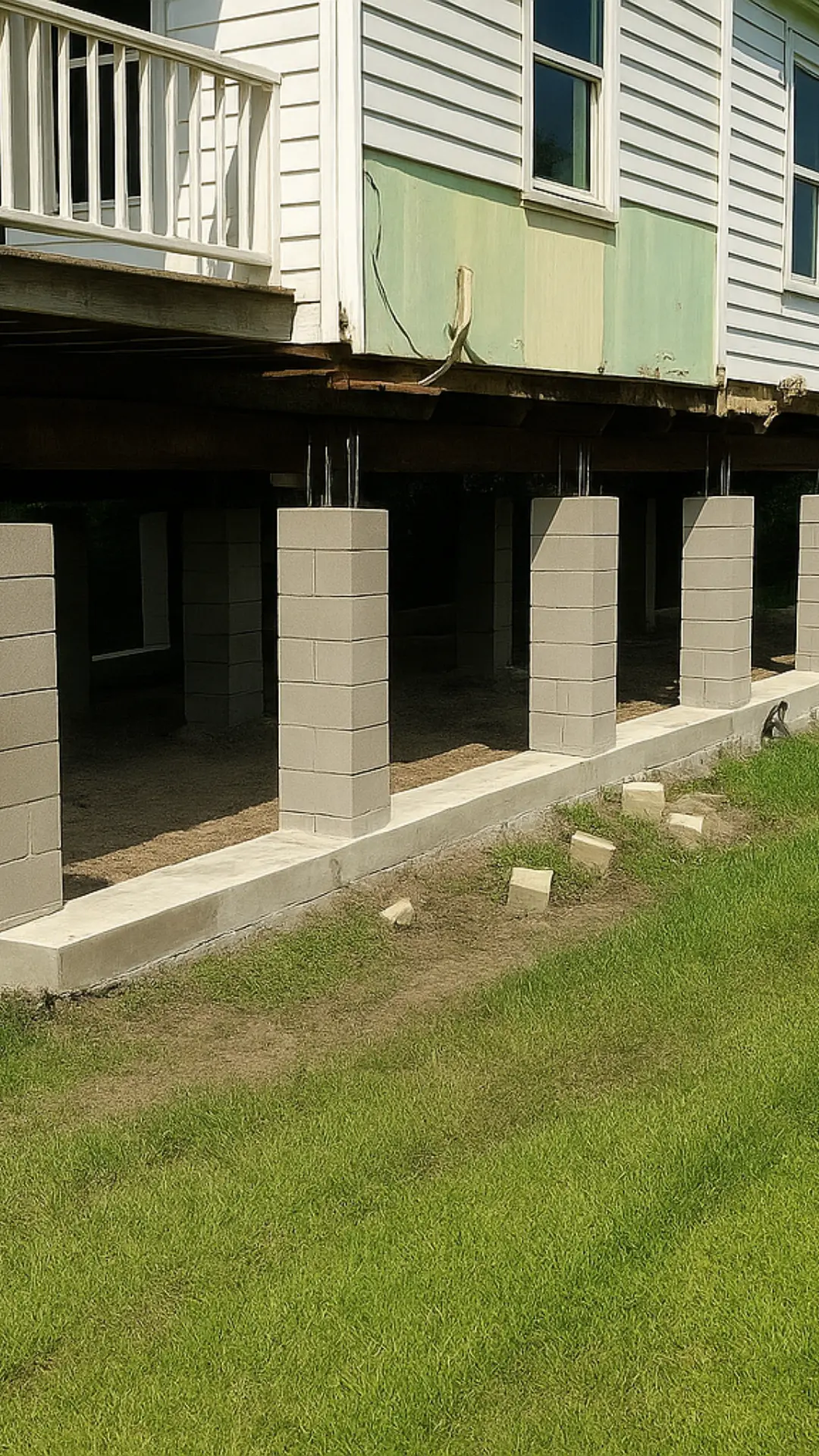
Maintenance requirements make what is split level house ownership suitable for handy homeowners or those willing to invest in professional services. Foundation maintenance becomes particularly important due to varying foundation depths and potential settling issues. Professional services such as Pier and Beam Foundation Repair Pasadena provide specialized expertise for addressing foundation problems specific to multi-level home construction and ensuring long-term structural stability.
Making the Right Decision
Geographic suitability affects what is split level house performance and desirability. These homes work exceptionally well on sloping lots where the natural grade accommodates the multi-level design. Areas with moderate climates benefit from the energy efficiency of partially underground lower levels, while regions with extreme weather may require additional insulation and moisture control measures to maintain comfort and prevent structural issues.
Neighborhood compatibility influences what is split level house market acceptance and value retention. Areas developed during the 1950s-1970s often feature numerous split level homes, creating neighborhood cohesion and strong resale markets. In neighborhoods dominated by other architectural styles, split levels may stand out as unique options but could face different market dynamics depending on local buyer preferences and architectural trends.
Conclusion
Soil conditions and drainage significantly impact what is split level house foundation stability and long-term maintenance requirements. Properties with poor drainage or expansive clay soils may experience foundation movement that affects multiple levels simultaneously. Professional foundation services like House Leveling Service Pasadena provide essential maintenance and repair services to address settling, shifting, or other foundation issues that commonly affect multi-level home construction.
Investment potential for what is split level house properties varies significantly by location and condition. Well-maintained split levels in established neighborhoods often provide excellent value for families seeking maximum space per dollar spent. The renovation potential of these homes appeals to investors and homeowners willing to update dated features, potentially creating significant value appreciation through strategic improvements and modernization projects.
Market trends show renewed interest in what is split level house designs among younger buyers attracted to unique architectural features and renovation opportunities. The distinctive character of these homes appeals to those seeking alternatives to cookie-cutter suburban developments. Social media platforms showcasing successful split level renovations have sparked increased appreciation for this architectural style among design-conscious homebuyers.
Evaluating whether what is split level house living suits your lifestyle requires honest assessment of your family’s needs, mobility requirements, and maintenance capabilities. Consider factors such as family size, entertaining habits, accessibility needs, and long-term housing goals. Professional home inspections become particularly important for split levels due to their complex construction and potential moisture, foundation, and structural considerations that may not be apparent to casual observers.
Frequently Asked Questions
What is a split-level house?
A split-level house is a residential architectural style that features multiple floor levels connected by short flights of stairs, typically 3-8 steps. The design creates distinct living zones without full floor separations. Most commonly, the main entrance opens to a landing with stairs going up to living areas like the kitchen, dining, and bedrooms, while stairs go down to family rooms, recreation areas, or garages. This style became popular in the 1950s-1970s as suburban developments expanded. The design maximizes space efficiency by utilizing different elevations within the same structure, creating separation between public and private spaces while maintaining an open feel throughout the home.
What are the different types of split-level houses?
There are several types of split-level houses: Standard split-level has three levels with the main entrance on the middle level. Raised ranch features the main living area elevated above ground with a partially below-grade lower level. Side split has levels staggered to one side of the house. Back split features levels staggered toward the rear. Bi-level splits the house into two main levels connected by stairs from the entry. Multi-level splits can have four or more levels. Each type offers different advantages for lot conditions, privacy needs, and family lifestyle preferences.
What are the advantages of split-level houses?
Split-level houses offer several advantages: natural separation of living spaces without walls, creating distinct zones for different activities. They maximize lot usage, especially on sloped terrain. The design provides privacy between levels while maintaining family connectivity. Multiple levels often mean more square footage than traditional ranch homes on similar lots. Natural light flows well through different levels. The partially below-grade areas stay cooler in summer. Storage space is typically abundant. The style offers good resale value in many markets and allows for flexible room usage as family needs change over time.
What are the disadvantages of split-level houses?
Split-level houses have notable drawbacks: constant stair climbing can be challenging for elderly residents or those with mobility issues. The segmented layout can feel choppy and disconnected. Heating and cooling multiple levels efficiently can be difficult and expensive. The 1960s-70s aesthetic may feel dated to some buyers. Lower levels can have moisture, lighting, and ventilation issues. Renovations are often more complex and costly due to the structural design. Open floor plan modifications are typically limited. The style may have limited appeal in certain markets, potentially affecting resale value compared to more contemporary designs.
How do split-level houses handle heating and cooling?
Split-level houses present unique HVAC challenges due to their multi-level design. Heat naturally rises, making upper levels warmer while lower levels stay cooler. Many homes use zoned heating systems with separate thermostats for different levels. Forced-air systems require careful ductwork design to ensure proper airflow to all levels. Some homeowners install separate HVAC units for different zones. Ceiling fans help circulate air between levels. Proper insulation is crucial, especially for partially below-grade areas. Modern smart thermostats can help manage temperature differences. Regular maintenance of ductwork and vents ensures efficient operation across all levels.
Are split-level houses suitable for aging in place?
Split-level houses present challenges for aging in place due to their inherent stair-dependent design. Daily activities require navigating between levels, which can become difficult with mobility issues, arthritis, or other age-related conditions. However, modifications can help: installing stair lifts, adding handrails, improving lighting on stairs, and potentially converting lower levels into primary living spaces with bedroom and bathroom access. Some homeowners renovate to create main-floor master suites. The decision depends on individual health expectations, modification budget, and attachment to the home. Many seniors eventually prefer single-level living options like ranch homes or condominiums.
How much do split-level houses typically cost compared to other styles?
Split-level house costs vary significantly by location, size, condition, and local market preferences. Generally, they’re priced competitively with ranch homes and below two-story colonials of similar square footage. In markets where the style is popular, prices align with neighborhood averages. However, in areas where split-levels are considered dated, they may sell for 5-15% less than contemporary styles. Renovation costs tend to be higher due to structural complexity. Maintenance costs can be elevated due to multiple levels and potential moisture issues in lower areas. Energy costs may be higher due to heating/cooling challenges. Overall value depends heavily on local market conditions and buyer preferences.