When it comes to maintaining the structural integrity of your home, the foundation is undoubtedly the most important component. A sturdy, well-maintained foundation ensures the stability of your property, supports the weight of your structure, and protects you from water damage, uneven floors, and cracks in your walls. The type of foundation your home has can significantly influence its long-term durability, as well as the costs involved in repairs and maintenance.
In this guide, we’ll explore the two most common types of foundations used in homes today: brick foundation repair and concrete foundations. Both of these foundation types have distinct benefits, drawbacks, and challenges. As a homeowner, understanding the key differences between the two can help you make an informed decision on which one is better for your property, whether you are considering a new build, tackling foundation issues, or simply want to maintain your home’s current structure.
In this guide, we’ll explore the pros and cons of brick foundation repairs and concrete foundations repairs, discuss their differences, and provide insights on the most effective ways to maintain these foundations, including the role of foundation repair and other essential services. Whether you own an older home with a brick foundation or a modern property with concrete, understanding these key foundation types will help you make more informed decisions when it comes to repairs and maintenance.
What Is a Brick Foundation?
A brick foundation has been a traditional choice for many homes, particularly in older houses built before the mid-20th century. Brick foundations consist of bricks or masonry stacked in a wall system, often resting on a concrete footing. In some cases, this foundation is constructed with a brick veneer, providing both stability and an aesthetically pleasing exterior.
Historically, brick foundation repair has been a common need for homeowners dealing with older properties. Over time, bricks may deteriorate due to moisture exposure or age, leading to weakened structures that require attention. While brick foundations have their charm, they are not as resistant to water and moisture damage as concrete foundations.
What Is a Concrete Foundation?
On the other hand, a concrete foundation is the modern standard for most homes today. Poured directly into a mold and often reinforced with steel rebar, concrete foundations offer superior strength and durability. These foundations can be customized to suit various home designs, including slab foundations, crawl spaces, or full basements. Concrete is generally more resistant to moisture and temperature fluctuations, making it a favored choice in areas where the ground is prone to movement or high water tables.
However, even concrete foundations are not immune to issues. Over time, concrete can crack, especially if there is shifting or settling in the soil beneath it. In such cases, foundation repair becomes essential to maintain the integrity of the structure and prevent further damage.
Common Problems with Brick Foundations
While brick foundations can be durable, they come with specific challenges that modern concrete foundations generally do not face. Here are some common problems that homeowners may encounter with brick foundation repairs:
1. Moisture Absorption and Crumbling Mortar
Bricks, while solid, can absorb moisture from the surrounding soil or atmosphere. Over time, this moisture can seep into the brick and mortar, weakening the foundation. Freeze-thaw cycles, where water freezes inside the brick and then expands, can cause the mortar to crack and crumble, leading to significant structural issues.
2. Settling and Shifting
Like any foundation, brick foundations can settle over time due to changes in the soil beneath the foundation. Settling can cause the foundation to shift unevenly, leading to sagging floors, cracks in walls, and even bowing of the foundation walls. In these cases, house leveling Humble services are often needed to lift and stabilize the structure.
3. Structural Instability
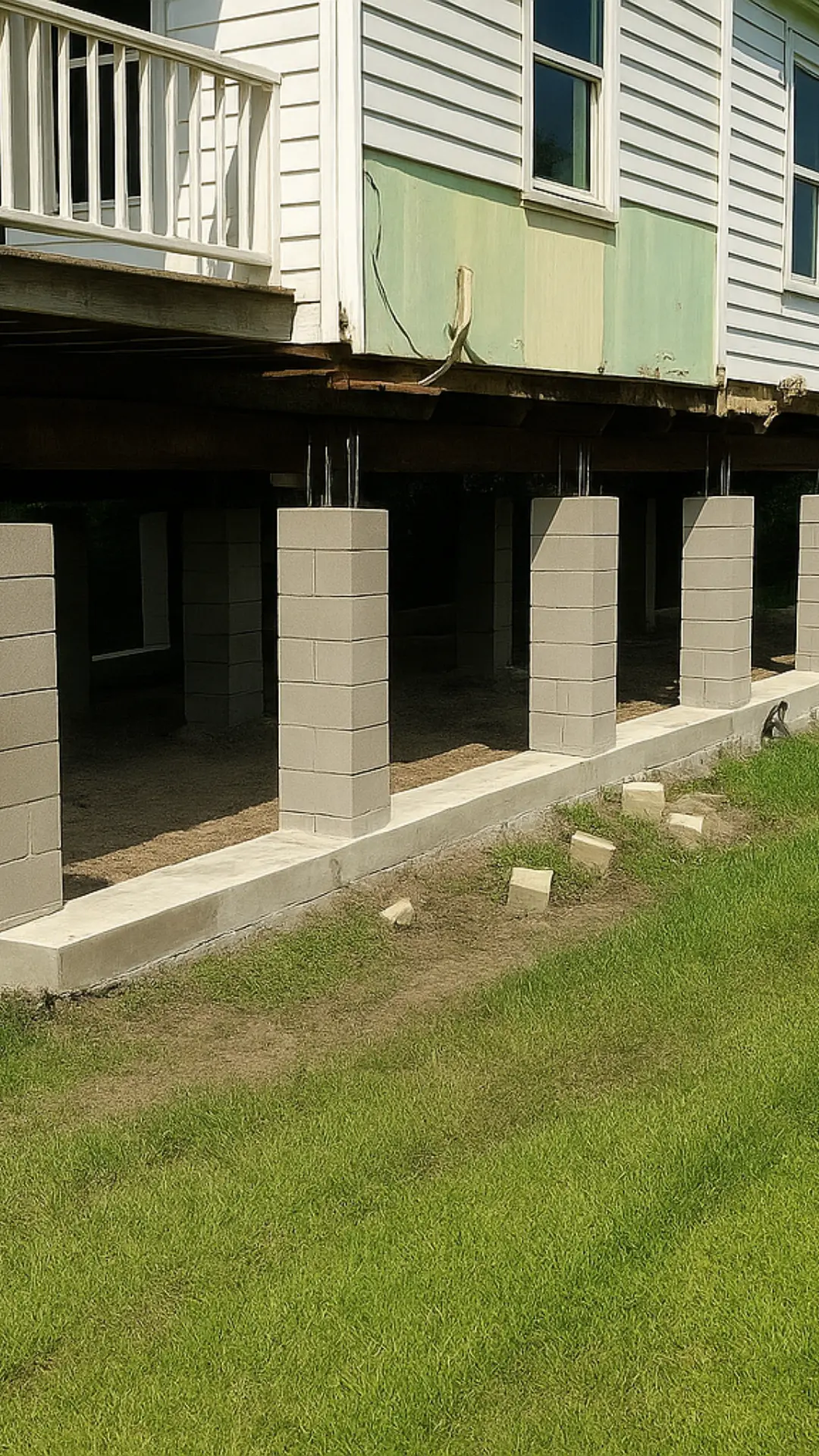
When the brick foundation begins to deteriorate, it can affect the stability of the entire house. This may result in misaligned doors and windows, floors that slope, or more significant structural failures. In these cases, pier and beam foundation repair is often the best option for lifting and reinforcing the structure.
Common Problems with Concrete Foundations
Concrete foundations are more resistant to moisture and environmental stress, but they still face their own set of issues:
1. Cracks Due to Settling
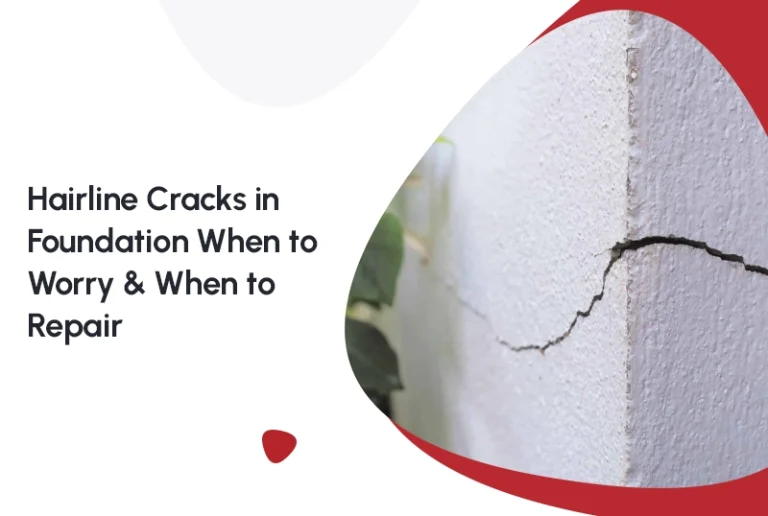
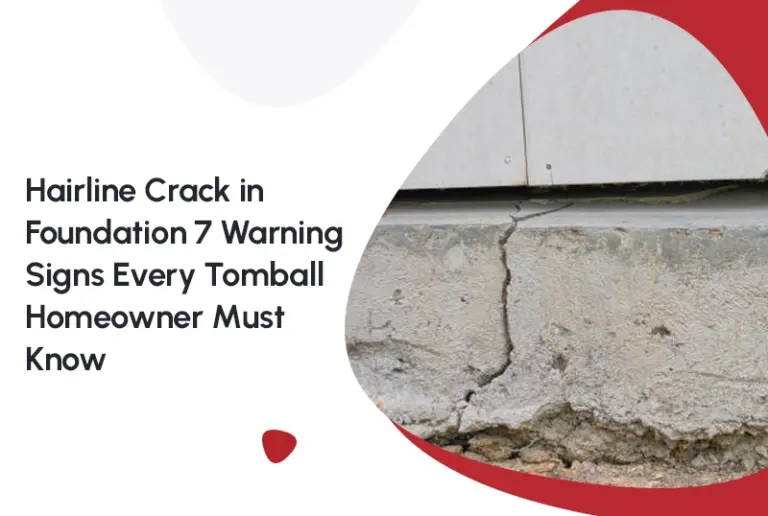
Concrete is a strong material, but it can crack over time due to pressure from shifting soil or natural settlement. These cracks can range from minor to more serious structural issues that compromise the strength of the foundation. When large cracks appear, foundation repair Humble services are often required to seal and stabilize the foundation.
2. Hydrostatic Pressure
One of the biggest issues concrete foundations face is hydrostatic pressure, which occurs when water accumulates in the soil around the foundation. This pressure can push against the concrete walls, leading to cracks or even basement flooding. House leveling services may be necessary to address uneven settling caused by hydrostatic pressure.
3. Poor Drainage
Without proper drainage, water can pool around the concrete foundation, increasing the likelihood of cracking or shifting. This can also lead to water infiltration in the basement, causing dampness or even mold growth. Ensuring good drainage and waterproofing techniques are in place is crucial for maintaining a concrete foundation.
Brick Foundation repair vs. Concrete Foundation repair: Which Is Better for Your Home?
When deciding between brick foundation repair and concrete foundation options, there are several factors to consider.
Durability and Longevity
Concrete foundations are known for their durability and long lifespan. Unlike brick foundation repair, concrete is less susceptible to moisture absorption, making it a more reliable option in areas with high humidity or water tables. Concrete’s resistance to cracking and shifting makes it ideal for long-term use. In contrast, brick foundations are more vulnerable to moisture damage, and brick foundation repairs may be needed more frequently as the mortar deteriorates over time.
Maintenance
In terms of maintenance, concrete foundations are generally easier to maintain than brick foundations. Once the cracks are sealed, concrete foundations require minimal upkeep compared to the constant maintenance of brick foundations and brick foundation repairs. Bricks can suffer from chipping, crumbling mortar, and settling, all of which require regular inspection and repair to ensure that the foundation remains intact.
Cost Considerations
While concrete foundations are often more affordable to install and repair, brick foundation repair can be more costly. Replacing individual bricks, repointing mortar, and addressing moisture damage can drive up the overall repair costs. However, if your home has a brick foundation, these costs can be mitigated with regular inspections and timely repairs.
Aesthetic Appeal
One of the advantages of brick foundation repair is their aesthetic appeal. The classic, timeless look of brick offers character and charm, especially for older homes or those located in historic districts. Concrete foundations, while durable and functional, are generally more utilitarian in appearance.
Addressing Foundation Issues and Ensuring Stability
Regardless of whether your home is built on a brick foundation or a concrete foundation, ensuring the stability of the foundation is crucial. Brick foundation repair services can help maintain the structural integrity of your home by addressing issues early on.
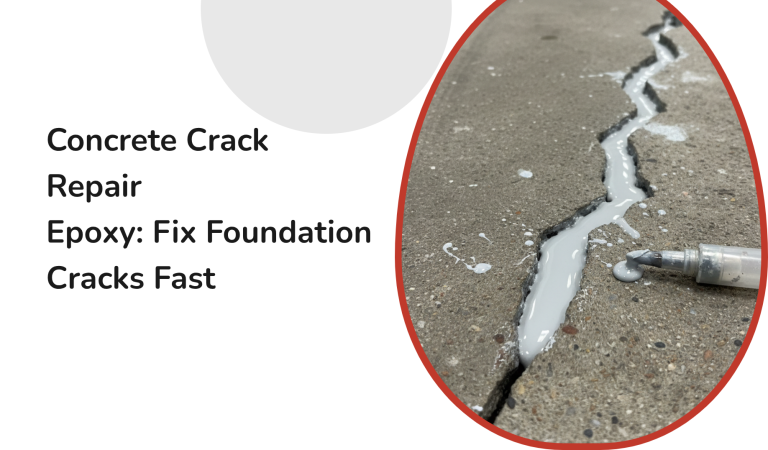
For homes with brick foundation repairs, this might mean addressing moisture damage and replacing damaged bricks. For concrete foundations, pier and beam foundation repair Humble may be required if the foundation is shifting or settling unevenly. If cracks have developed, sealing them quickly with the appropriate techniques is important for preventing water infiltration and further damage.
In cases where your foundation has experienced significant settling, house leveling services can help restore the foundation to its original position, ensuring that the rest of the home remains level and secure.
Preventing Foundation Problems: Key Takeaways
Maintaining the foundation of your home is vital for the safety and longevity of your property. Whether you have a brick foundation or a concrete foundation, regular inspections and prompt repairs are essential to avoid costly damage in the future. Here are some key takeaways to keep in mind:
- Regular Inspections: Having your foundation inspected regularly can help catch issues early, allowing for quick repairs and preventing bigger problems down the road.
- Moisture Control: Proper drainage around your foundation is essential to prevent water from pooling and causing damage. Whether you have a brick or concrete foundation, water is one of the most damaging elements.
- Timely Repairs: If cracks or leaks are identified, it’s important to address them promptly to avoid further damage. Whether it’s sealing cracks in concrete or repointing mortar in brick foundations, acting quickly can save you money and stress.
- Stabilizing the Structure: For homes with significant settling or shifting, services like pier and beam foundation repair or house leveling are vital to restore stability and prevent further damage to the structure.
Both brick foundation repair and concrete foundation repair have their pros and cons, but with proper maintenance, either type can offer long-lasting support for your home. The key is to stay proactive, ensuring that any issues are addressed before they escalate.
Conclusion
Choosing between brick foundation repair and concrete foundations ultimately depends on the age of your home, its location, and your maintenance preferences. While brick foundations offer charm and aesthetic appeal, concrete foundations provide superior durability, strength, and lower maintenance requirements. However, regardless of which type of foundation you have, regular inspections and timely repairs are crucial for preserving the stability and safety of your home.
Whether you’re dealing with cracks, leaks, or uneven settling, Brick foundation repair services, along with house leveling and pier and beam foundation repair, are essential for ensuring your foundation remains in top condition. By taking proactive steps to address foundation issues, you can protect your home from costly repairs down the road and ensure its long-term stability.
If you’re unsure which type of foundation is best for your home, or if you’re already experiencing foundation issues, it’s always a good idea to consult with a professional. They can evaluate the condition of your foundation and recommend the most effective solution to ensure your home remains safe and secure.
FAQs
1. How much does a brick foundation repair cost?
The cost for a brick foundation repair depends on the severity of the damage, the repair method, and the extent of work required. On average:
- Minor repairs like fixing small cracks or re-pointing mortar can cost $500 to $1,500.
- Major repairs like stabilizing a sinking foundation, replacing damaged bricks, or underpinning with piers can range from $3,000 to $10,000.
- Complete foundation replacement can cost anywhere from $10,000 to $30,000+, depending on the size of the building and the amount of work needed.
The final cost will depend on the local labor rates, accessibility, and the type of foundation work required.
2. Can a brick foundation be repaired, or does it need replacing?
Yes, a brick foundation repair can happen rather than being replaced. The type of repair depends on the nature of the damage:
- Cracks in brick walls: Small cracks can be repaired by re-pointing the mortar (replacing the mortar between the bricks) or filling the cracks with epoxy or polyurethane injections.
- Sinking foundation: If the foundation is sinking or shifting, it can often be re-stabilized using piers (such as helical piers or steel piers) or underpinning.
- Deterioration: If the brick foundation is deteriorating due to age or water damage, mortar replacement or brick replacement may be needed.
In extreme cases, when the foundation is beyond repair, replacement (brick foundation repair) may be necessary, but this is a last resort.
3. What does a bad brick foundation look like, and how can it be fixed?
A bad brick foundation typically shows signs such as:
- Cracks in the brickwork or mortar: Horizontal cracks in the foundation walls may indicate serious shifting or settling of the foundation.
- Uneven floors or walls: This could be a result of a sinking or shifting foundation.
- Sticking doors or windows: Doors and windows that no longer open or close properly are often signs of foundation movement.
- Water damage or efflorescence: Moisture seeping into the foundation can lead to mold, mildew, or efflorescence (white powdery substance).
Repairs often involve: - Crack sealing and re-pointing the mortar to stop further water infiltration.
- Underpinning or piering to stabilize the foundation.
- Replacing damaged bricks if necessary.
4. Is brick repair expensive, and is it covered by homeowners insurance?
Brick foundation repairs can be expensive, especially for major issues like settling or shifting foundations. The cost will depend on the damage severity, but typical costs for significant repairs range from $3,000 to $10,000.
As for homeowners insurance, it typically does not cover foundation repair unless the damage is caused by a covered peril, such as fire, flood, or an earthquake. Foundation problems due to settling, poor soil conditions, or water damage from leaks are usually excluded. It’s always important to check your policy to understand specific coverage details about brick foundation repair.
5. How long does a brick foundation last before needing repair?
A well-built brick foundation can last 50 to 100 years or more with proper care and maintenance. However, it’s subject to wear and tear from factors such as:
- Water infiltration and freeze-thaw cycles, which can cause the bricks and mortar to deteriorate.
- Soil movement (shifting, settling, or expansive soils) that puts pressure on the foundation.
- Neglect or poor construction.
Regular maintenance, including re-pointing the mortar, addressing drainage issues, and monitoring for cracks, can extend the life of the foundation and you wont need brick foundation repair.
6. Is it better to fix into brick or mortar for foundation repairs and brick foundation repairs?
When brick foundation repair is happening, it’s generally better to fix the mortar rather than the bricks themselves. The mortar is typically the first part to deteriorate, and repairing or replacing the mortar can help stabilize the bricks and prevent further damage.
- Re-pointing the mortar is a common fix for small cracks or gaps in the mortar between the bricks.
- If the bricks themselves are cracked or damaged, replacing individual bricks may be necessary.
For structural repairs (such as underpinning or stabilization), the focus will likely be on addressing the foundation’s load-bearing capacity, which may involve the brickwork and soil stabilization rather than the mortar alone.
7. What should you do with an old brick foundation that is deteriorating?
If an old brick foundation is deteriorating, the first step is to assess the extent of the damage with the help of a professional, such as a foundation repair expert or structural engineer. Based on the assessment, you may need to take one or more of these actions:
- Re-point the mortar: If the mortar is simply worn or cracked, re-pointing can restore strength and prevent further water intrusion.
- Stabilize the foundation: If the foundation is settling or shifting, underpinning with piers or soil stabilization may be necessary to prevent future movement.
- Replace damaged bricks: If bricks are severely cracked or crumbling, brick replacement may be required to restore structural integrity.
- Install exterior or interior waterproofing: If water infiltration is a problem, addressing drainage, improving waterproofing, or installing a sump pump can prevent future moisture damage.
In cases where the foundation is severely damaged and cannot be repaired cost-effectively, it may be necessary to consider brick foundation repair or foundation replacement.