Foundation cracks represent one of the most serious threats to residential and commercial property integrity, potentially compromising structural stability, enabling water intrusion, and diminishing property value. When concrete foundations develop cracks, swift and effective action becomes essential to prevent escalating damage and costly repairs. Concrete foundation crack repair serves as a critical maintenance function protecting buildings from progressive deterioration while preserving long-term structural soundness. Understanding proper repair techniques, knowing when professional intervention becomes necessary, and implementing preventive measures ensures foundations remain stable and functional for decades. This comprehensive guide examines everything property owners need to know about concrete foundation crack repair—from identifying crack types to executing repairs and preventing future damage.
Understanding Concrete Foundation Cracks
Before undertaking concrete foundation crack repair, understanding crack classifications and underlying causes proves essential. Not all cracks present equal concern, and repair approaches vary significantly based on crack characteristics.
Types of Foundation Cracks
Hairline cracks (less than 1/16 inch wide) typically result from concrete curing shrinkage and generally pose minimal structural concern. These often require only cosmetic sealing to prevent moisture infiltration.
Structural cracks (wider than 1/4 inch) indicate serious foundation movement or soil settlement issues demanding immediate professional concrete foundation crack repair. These cracks compromise load-bearing capacity and warrant expert evaluation.
Settlement cracks appear as vertical or diagonal fissures indicating differential foundation settlement. These require structural repair methods addressing both visible damage and underlying soil conditions.
Common Causes of Concrete Foundation Damage
According to the U.S. Department of Housing and Urban Development, foundation damage stems from multiple factors including soil movement, poor drainage, hydrostatic pressure, and structural overload. Expansive clay soils prove particularly problematic, swelling with moisture and shrinking during dry periods, creating continuous stress on concrete foundations. Understanding these causes guides appropriate concrete foundation crack repair strategies and preventive measures.
For comprehensive information about foundation crack assessment and repair options, read our detailed article on Foundation Crack Filler.
Signs Your Concrete Foundation Needs Repair
Recognizing warning signs early enables timely concrete foundation crack repair before minor issues escalate into major structural problems:
Interior Warning Signs
Wall cracks appearing as horizontal, vertical, or stair-step patterns indicate foundation movement. Cracks wider than 1/4 inch or those showing progressive widening require immediate professional evaluation.
Uneven or sloping floors signal differential settlement where foundation sections settle at varying rates. This creates structural stress demanding comprehensive repair.
Sticking doors and windows result from foundation movement causing frame distortion. This common symptom often accompanies cracks requiring professional attention.
Gaps between walls and ceilings/floors demonstrate significant foundation displacement necessitating structural intervention.
Exterior Indicators
Visible foundation cracks observable from outside signal deterioration requiring assessment and potential repair.
Bowing or bulging foundation walls indicate soil pressure problems demanding immediate professional intervention.
Water stains or moisture around foundation suggest drainage deficiencies contributing to foundation damage. Property owners in Rosenberg experiencing these symptoms can access professional foundation repair Rosenberg services for expert evaluation and solutions.
Essential Steps for Concrete Foundation Crack Repair
Professional concrete foundation crack repair follows a systematic process ensuring effective, lasting results:
Step 1: Thorough Inspection and Assessment
Every successful concrete foundation crack repair project begins with comprehensive evaluation. Qualified inspectors examine crack patterns, measure widths and depths, assess structural stability, and identify root causes. This assessment determines whether cracks result from normal settling, soil movement, water damage, or structural overload. Engineers may utilize laser measurement systems for precise crack mapping and settlement analysis, providing detailed documentation supporting repair recommendations.
Step 2: Cleaning and Preparing the Crack
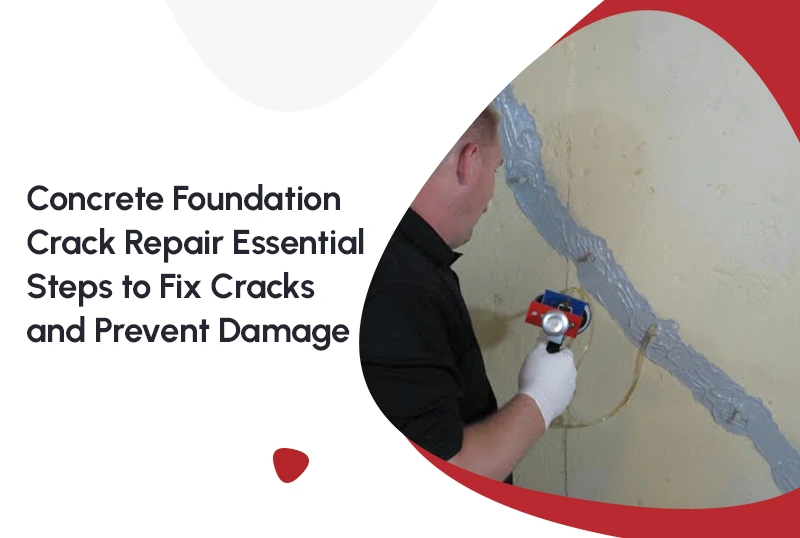
Proper preparation proves crucial for effective concrete foundation crack repair. Contractors remove loose concrete, debris, and contaminants using wire brushes, grinders, or high-pressure air. For injection repairs, technicians drill entry ports at intervals along cracks, creating access points for repair materials. Clean, properly prepared surfaces ensure optimal adhesion and material penetration, maximizing repair effectiveness and longevity.
Step 3: Selecting Appropriate Repair Materials
Material selection depends on crack characteristics and repair objectives. The American Concrete Institute provides technical standards for concrete foundation crack repair materials ensuring repairs meet structural requirements. Epoxy resins offer exceptional bonding strength for structural cracks, polyurethane foams provide flexibility and waterproofing for active cracks, and hydraulic cements deliver rapid-setting solutions for emergency repairs.
Understanding specific crack repair materials helps homeowners make informed decisions, learn more in our comprehensive guide on Epoxy Foundation Crack Repair.
Step 4: Applying the Repair Solution
Application methods vary by material and crack type. Epoxy injections utilize low-pressure pumps forcing material deep into cracks, completely filling voids and bonding separated concrete. Polyurethane foams expand upon injection, sealing cracks while providing flexibility accommodating minor foundation movement. Surface sealants applied with caulking guns or trowels provide protective barriers against moisture for non-structural cracks. Professional contractors monitor application ensuring complete crack filling and proper material distribution.
Step 5: Curing and Monitoring
Following application, repair materials require proper curing for optimal performance. Epoxies typically cure within 24-48 hours, achieving full strength within seven days. During curing, contractors monitor repairs for proper adhesion and material performance. Post-repair monitoring tracks crack behavior, confirming repairs remain stable and effective. Documentation including before-and-after measurements provides valuable records for future reference and potential insurance claims.
Professional Repair Methods and Techniques
Modern concrete foundation crack repair utilizes advanced technologies delivering superior, long-lasting results:
Epoxy Injection for Structural Cracks
Epoxy injection represents the gold standard for concrete foundation crack repair addressing structural damage. Two-component epoxy resins bond concrete sections together, restoring original structural capacity. The material’s high compressive and tensile strength makes repaired areas often stronger than surrounding concrete. This method proves ideal for static cracks in stable foundations where movement has ceased.
Polyurethane Foam for Waterproofing
Polyurethane foam injection excels for waterproofing applications and cracks experiencing minor movement. The material expands during injection, completely filling voids and creating watertight seals. Unlike rigid epoxies, polyurethane maintains flexibility, accommodating seasonal foundation movement without cracking. This makes it optimal for basement wall cracks and foundations subject to ongoing soil pressure.
For detailed information about modern foam injection techniques, explore our article on Polyurethane Foundation Repair.
Hydraulic Cement for Active Leaks
Hydraulic cement provides rapid-setting solutions for emergency repairs and active water leaks. This material sets quickly even underwater, making it ideal for stopping flowing water. However, hydraulic cement offers lower bonding strength than epoxy and doesn’t constitute permanent structural repair. It serves best as temporary measure or supplementary treatment alongside more comprehensive repair methods.
Carbon Fiber Reinforcement
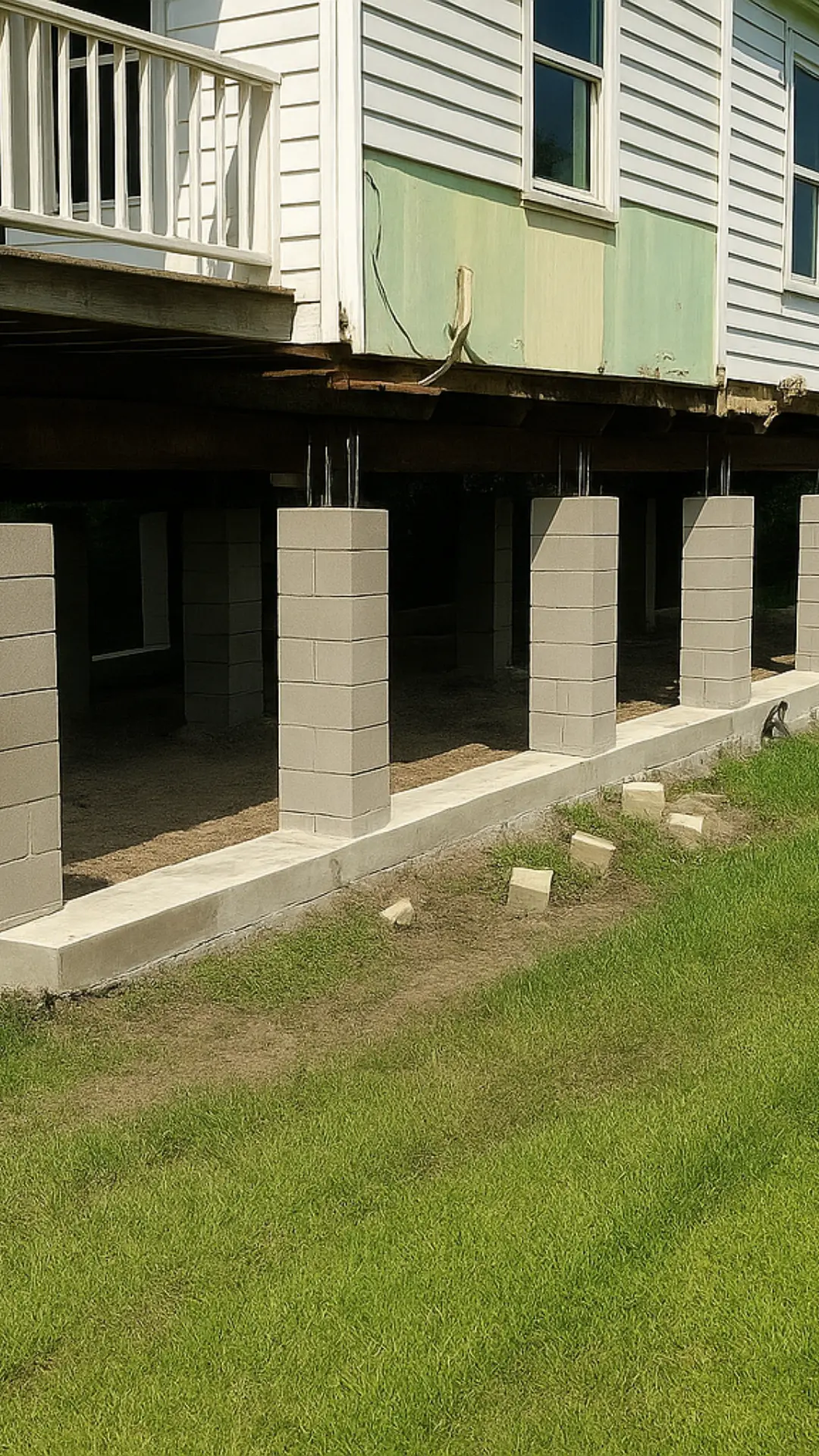
For bowing or cracked foundation walls, carbon fiber strips provide exceptional tensile reinforcement. The International Code Council recognizes carbon fiber as approved structural reinforcement meeting building code requirements. These lightweight, high-strength materials bond to concrete surfaces, preventing further wall movement while allowing continued building occupancy during installation. Properties with pier and beam foundations may require specialized approaches—professional pier and beam foundation repair Rosenberg services address both foundation cracks and underlying support issues.
DIY vs. Professional Concrete Foundation Crack Repair
Determining whether to attempt DIY concrete foundation crack repair or engage professionals depends on several factors:
When DIY Is Appropriate
Homeowners can safely address hairline cracks (less than 1/16 inch) using concrete caulk or surface sealants. These cosmetic repairs prevent moisture intrusion without requiring specialized equipment or expertise. DIY repairs suit stable cracks showing no progressive widening and occurring in non-load-bearing areas. However, even minor cracks warrant monitoring to detect potential progression requiring professional intervention.
When Professional Help Is Essential
Professional concrete foundation crack repair becomes necessary for structural cracks wider than 1/4 inch, horizontal cracks indicating soil pressure, actively widening cracks, or cracks accompanied by foundation settlement symptoms. Professional contractors possess specialized equipment, engineering knowledge, and experience ensuring repairs address both visible damage and underlying causes. Attempting DIY repairs on significant structural cracks risks inadequate fixes that allow continued deterioration. When foundation settlement creates uneven floors or structural issues, professional house leveling service Rosenberg providers offer expertise ensuring comprehensive solutions.
Cost Considerations
While DIY repairs minimize immediate costs, inadequate repairs often lead to greater expenses later. Professional repairs typically cost $300-$1,500 per crack for standard epoxy or polyurethane injection, whereas comprehensive structural repairs may reach $3,000-$15,000 depending on damage extent. However, proper professional repairs prevent progressive damage that could ultimately cost tens of thousands in structural reconstruction. The investment in quality repairs protects property value and prevents escalating damage.
Preventing Future Foundation Cracks
Following professional concrete foundation crack repair, implementing preventive measures protects investments and maintains foundation integrity:
Drainage Improvements
Proper drainage ranks as the most critical factor preventing foundation damage. Extend downspouts 5-10 feet from foundations, install French drains around property perimeters, and maintain proper grading sloping away from structures. These measures prevent water accumulation that saturates soil and creates hydrostatic pressure against foundations. Regular gutter cleaning ensures drainage systems function effectively year-round.
Soil Moisture Control
Maintaining consistent soil moisture prevents expansion-contraction cycles damaging foundations. During dry periods, soaker hoses placed 12-18 inches from foundations provide consistent moisture preventing excessive soil shrinkage. Avoid overwatering that saturates soil and creates swelling pressure. This balanced approach minimizes soil movement reducing foundation stress.
Regular Maintenance and Monitoring
Annual foundation inspections by qualified professionals detect developing issues before they require major concrete foundation crack repair. Homeowners should monitor existing cracks using crack gauges or simple measurements, documenting any widening. Address plumbing leaks immediately as underground water pipe failures create soil saturation and erosion undermining foundations. Maintaining trees and large shrubs appropriate distances from structures prevents root intrusion and soil moisture depletion. For comprehensive structural maintenance guidance, read our detailed article on Home Structure Repair.
Cost Factors and Budgeting for Concrete Foundation Crack Repair
Understanding variables influencing concrete foundation crack repair costs helps property owners budget appropriately:
Crack severity and extent – Simple hairline cracks cost $200-$500 to seal, while structural cracks requiring epoxy injection range $300-$1,500 per crack. Extensive damage involving multiple cracks or foundation sections can reach $5,000-$15,000.
Foundation type and accessibility – Basement wall repairs typically cost less than crawl space repairs requiring excavation. Difficult access increases labor costs and project duration.
Repair method selected – Epoxy injection costs more than surface sealants but provides superior structural restoration. Carbon fiber reinforcement for bowing walls ranges $600-$1,200 per strap.
Additional structural work – If concrete foundation crack repair reveals underlying settlement or soil issues, comprehensive solutions including underpinning or drainage systems increase costs to $10,000-$30,000 or more.
Geographic location – Labor rates and material costs vary regionally. Areas with problematic soils like expansive clay may face higher long-term foundation maintenance costs.
Conclusion: Protecting Your Foundation Through Timely Repair
Concrete foundation crack repair represents one of the most critical investments property owners can make in structural longevity and safety. Foundation cracks never improve without intervention—they invariably worsen, often dramatically and dangerously. Understanding crack types, recognizing warning signs, and knowing when professional concrete foundation crack repair becomes necessary enables property owners to act before minor issues escalate into major catastrophes.
Whether addressing hairline cosmetic cracks or significant structural damage, proper concrete foundation crack repair provides lasting solutions protecting structural integrity, maintaining property value, and ensuring occupant safety. Modern repair technologies including epoxy injection, polyurethane foam, and carbon fiber reinforcement deliver proven results backed by engineering standards and comprehensive warranties.
Don’t ignore foundation cracks or delay necessary repairs. Contact qualified concrete foundation crack repair professionals who can evaluate your foundation, recommend appropriate solutions based on precise assessment, and execute repairs delivering measurable, lasting results. Your foundation literally supports your entire structure—protect it with expert concrete foundation crack repair that ensures stability and safety for generations.
FAQs (Frequently Asked Questions)
What is the best method for foundation crack repair?
The best method for repairing foundation cracks depends on the type and severity of the crack. Common solutions include epoxy injection for hairline cracks, polyurethane foam injection for water leaks, and carbon fiber reinforcement for structural stability. A professional foundation repair contractor can assess the cracks and recommend the most suitable solution.
Can I fix a foundation crack myself?
While small cosmetic cracks may be filled with DIY products like concrete crack fillers, it’s not recommended to attempt major foundation repairs yourself. Structural cracks require professional attention to ensure the foundation is stabilized properly and to avoid future damage.
Is it worth repairing concrete cracks?
Yes, repairing concrete cracks is important to prevent further damage to the foundation. Small cracks can worsen over time, leading to water infiltration, structural instability, and more expensive repairs. Prompt repair helps protect the long-term integrity of the building.
Should foundation cracks be repaired?
Yes, foundation cracks should be repaired as soon as they are noticed. Left untreated, cracks can allow water to seep into the foundation, causing additional damage and leading to more expensive repairs in the future. Repairing cracks early can prevent bigger structural issues.
How much does a concrete overlay cost?
The cost of a concrete overlay can range from $3 to $7 per square foot, depending on factors like the size of the area, the condition of the existing concrete, and the complexity of the work. The price may also vary based on the type of finish and materials used for the overlay.
Is it normal for a 100-year-old house to have cracks?
Yes, it is normal for a 100-year-old house to have some cracks, particularly in the foundation or walls. Over time, natural settling of the house, changes in soil moisture, and temperature fluctuations can cause minor cracking. However, large or structural cracks should be inspected by a professional.
How do you tell if a crack is cosmetic or structural?
Cosmetic cracks are usually small, hairline fractures found in walls, ceilings, or floors that don’t affect the structure. Structural cracks are often wider, deeper, and may show signs of shifting, such as uneven floors, misaligned doors, or gaps. If in doubt, consult a professional to determine the severity and required repair.