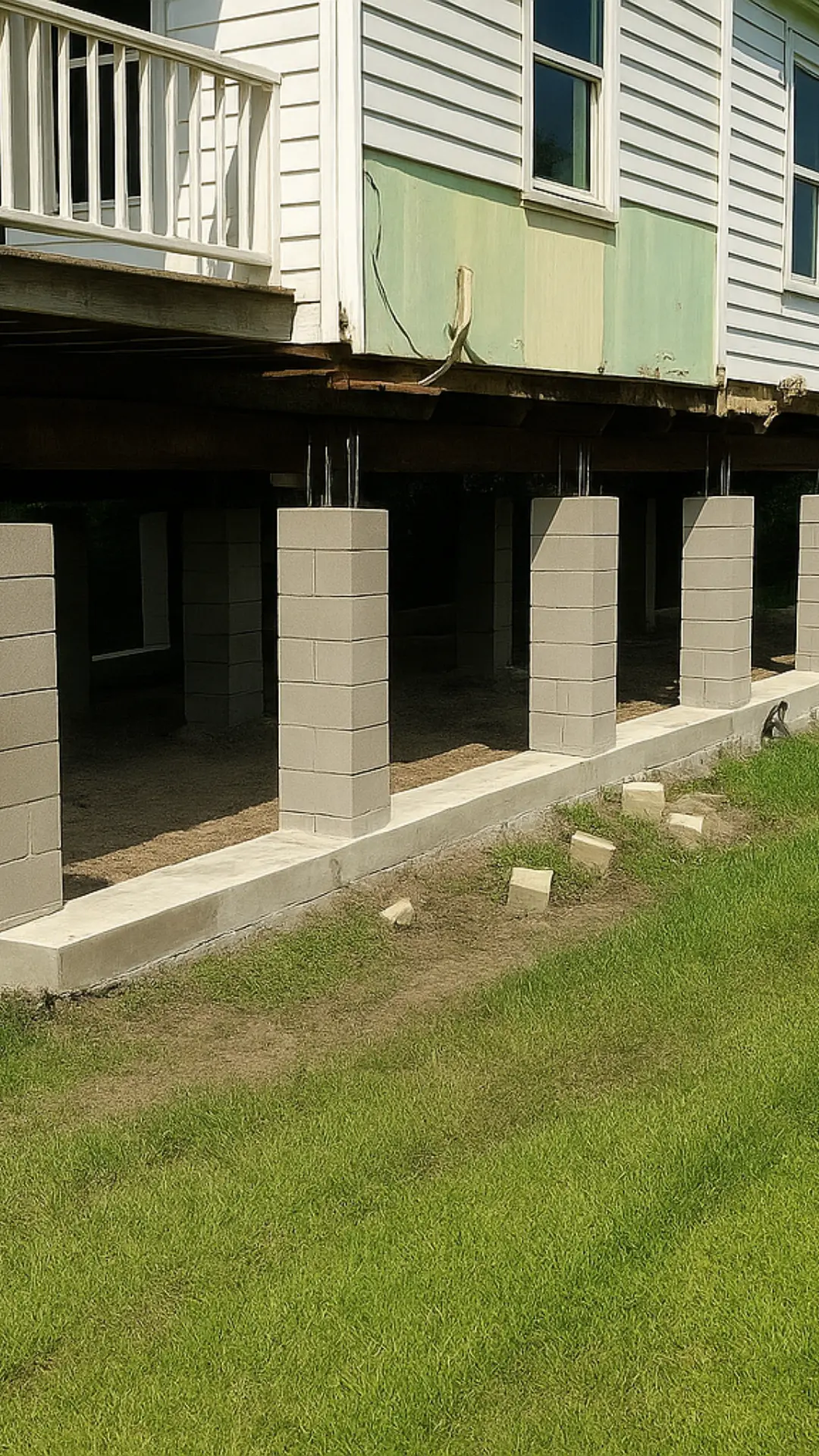
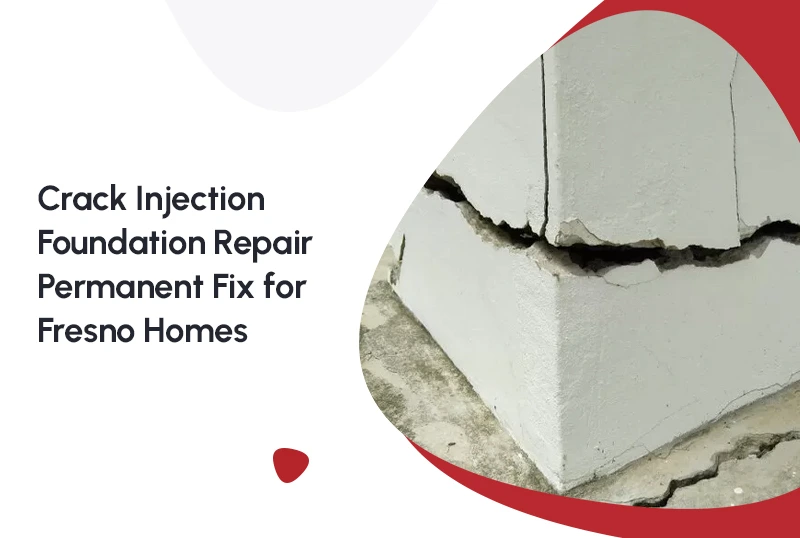
Foundation cracks don’t just compromise your home’s appearance they threaten structural integrity, invite water infiltration, and progressively worsen until requiring expensive repairs or even complete foundation replacement. Crack injection foundation repair represents the most advanced, permanent solution for restoring cracked concrete foundations to full structural capacity while providing superior waterproofing protection.
For Fresno homeowners, where clay soils, seismic activity, and seasonal moisture variations constantly stress foundations, understanding how crack injection repair works and when it provides the optimal solution can mean the difference between a cost-effective permanent fix and recurring problems demanding repeated interventions.
Unlike surface patching or cosmetic crack sealing that merely covers symptoms temporarily, professional injection repair penetrates deep into cracks, completely filling voids and creating structural bonds stronger than surrounding concrete. This comprehensive guide examines everything Fresno property owners need to know about crack injection foundation repair understanding the injection process, recognizing when it provides the best solution, comparing epoxy versus polyurethane injection methods, navigating costs intelligently, and selecting qualified contractors who deliver permanent results rather than temporary fixes.
What Is Crack Injection Foundation Repair?
Crack injection foundation repair constitutes a specialized technique involving pressurized injection of liquid repair materials typically epoxy or polyurethane deep into foundation cracks, completely filling voids and creating permanent bonds. This advanced method addresses cracks from the inside out rather than merely covering surfaces, delivering structural restoration and waterproofing protection impossible to achieve through surface treatments alone.
The crack injection process begins with thorough crack assessment determining appropriate injection material based on crack characteristics, structural requirements, and waterproofing needs. According to the American Concrete Institute, proper injection repair restores full structural capacity when executed correctly with appropriate materials. Contractors prepare crack surfaces, install injection ports at strategic intervals along cracks, seal crack faces preventing material escape, then pump liquid repair compounds through ports under carefully controlled pressure ensuring complete void filling.
Professional crack injection services utilize two primary material types, each offering distinct advantages for specific applications. Epoxy injection employs two-part epoxy resins that cure to extremely high strength, actually bonding cracked concrete sections stronger than original material. This method proves ideal for structural repairs where restoring load-bearing capacity takes priority. Polyurethane injection uses expanding foam materials that cure flexible, accommodating minor movement while providing superior waterproofing.
The superiority of injection repair over surface treatments becomes evident when examining performance characteristics. Surface patching materials bond only to crack faces, creating weak connections easily separated by structural movement or settling. Professional injection methods, conversely, penetrate entirely through foundation thickness, filling every void and creating three-dimensional bonds throughout crack volumes. The International Concrete Repair Institute recognizes crack injection as the gold standard for permanent concrete crack repair when properly executed.
Understanding your foundation type and common issues helps determine when crack injection foundation repair provides optimal solutions. Different foundation systems experience different crack patterns and require specialized assessment. For comprehensive information about cement foundation problems including common crack causes, water damage, and repair approaches, read our detailed article on cement foundation repair and maintenance.
Types of Crack Injection Foundation Repair
Understanding different injection repair methods helps homeowners and contractors select optimal approaches for specific situations:
Epoxy Crack Injection
Epoxy injection repair represents the premier choice for structural crack repair requiring maximum strength restoration. Two-part epoxy resins, when mixed and injected under pressure, penetrate crack volumes completely before curing to compressive and tensile strengths exceeding original concrete. According to the U.S. Army Corps of Engineers, properly executed epoxy crack injection can restore cracked concrete to 100% or greater original structural capacity.
This repair method works excellently for dormant cracks no longer subject to movement, structural cracks requiring strength restoration, narrow cracks where complete penetration proves essential, and situations where rigid permanent bonds serve project requirements. The rigid nature of cured epoxy means this approach works best when crack movement has stabilized.
The epoxy injection process demands precise execution ensuring optimal results. Contractors must select appropriate epoxy formulations, mix components to exact ratios, inject at carefully controlled pressures, and monitor injection progress. Professional crack injection specialists understand these technical requirements and possess equipment delivering consistent, reliable results.
Polyurethane Crack Injection
Polyurethane injection repair provides superior solutions when waterproofing takes priority over maximum structural strength restoration. Single-component polyurethane foams react with moisture, expanding dramatically and filling crack volumes while creating flexible waterproof barriers. This expansion property makes polyurethane injection ideal for actively leaking cracks impossible to dry before treatment.
This waterproofing method works excellently for preventing water infiltration, cracks subject to minor seasonal movement, wider cracks with irregular geometries, and situations where some flexibility benefits long-term performance. The flexible nature of cured polyurethane accommodates minor crack movement without bond failure.
When to Use Each Type
Selecting between epoxy and polyurethane for crack injection depends on multiple factors including structural requirements, crack activity, moisture conditions, and performance priorities. Epoxy injection proves optimal when structural strength restoration takes priority. Polyurethane injection works best when waterproofing represents the primary concern.
Many comprehensive foundation crack repair projects employ both materials strategically—epoxy for structural cracks and polyurethane for waterproofing. This combination approach delivers optimal performance. For properties requiring comprehensive foundation solutions beyond crack repair, professional foundation repair Fresno services coordinate crack injection with broader foundation stabilization and waterproofing improvements.
The Crack Injection Foundation Repair Process
Professional injection repair follows systematic procedures ensuring permanent, effective results. Successful crack repair begins with thorough crack evaluation determining crack type, width, depth, activity level, and underlying causes. Contractors examine crack patterns identifying whether cracks result from settlement, shrinkage, structural overload, or other factors.
Following crack preparation, contractors install injection ports at regular intervals along cracks. Port spacing depends on crack width and injection material viscosity. After port installation, contractors seal crack surfaces between ports. This surface seal prevents injected material from escaping, forcing it to penetrate deep into crack volumes. Proper surface sealing proves essential for effective injection repair work.
Professional crack injection demands careful material selection matching crack characteristics and performance requirements. The injection procedure requires specialized equipment and expertise. Contractors connect injection pumps to ports, monitor pressure and flow, and continue injection until material completely fills crack volumes. Professional specialists understand proper injection techniques ensuring successful outcomes.
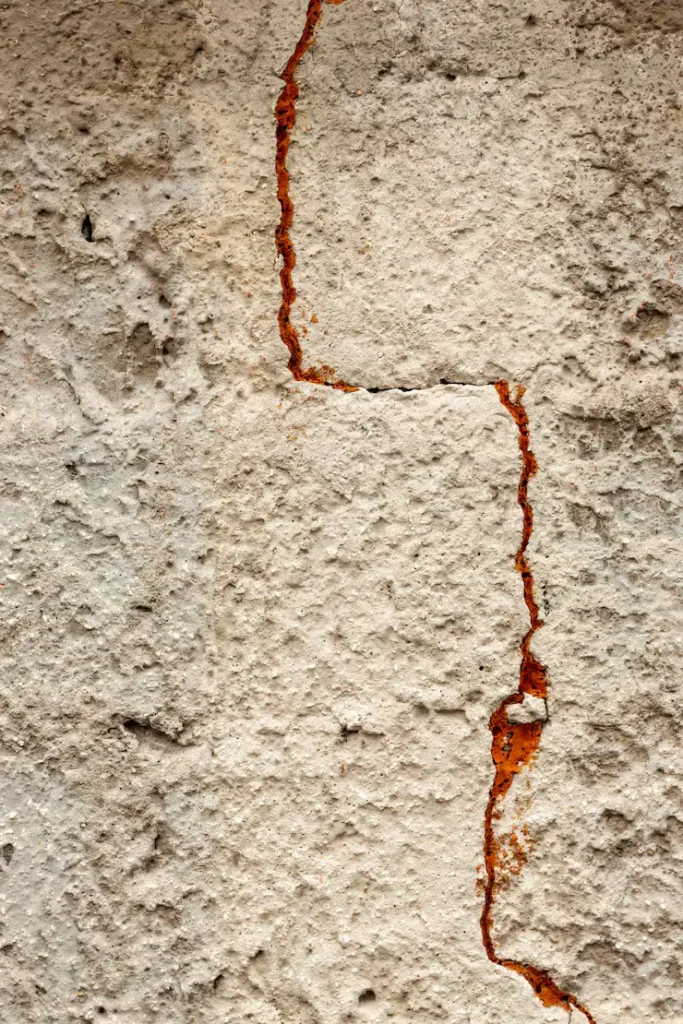
Benefits of Crack Injection Foundation Repair
Understanding advantages of crack injection foundation repair helps homeowners appreciate its value compared to alternative approaches.
Permanent Structural Restoration
Unlike surface patching providing only cosmetic improvement, injection repair delivers genuine structural restoration. Epoxy injection creates bonds stronger than surrounding concrete, literally knitting cracked sections together permanently. This structural capacity restoration proves impossible with surface treatments, making professional crack injection the only truly permanent solution for structural cracks.
Complete Void Filling
Injection methods fill every void throughout crack volumes, eliminating hidden spaces where water accumulates causing freeze-thaw damage, corrosion, or progressive deterioration. This complete void filling provides protection surface treatments cannot match.
Superior Waterproofing Protection
Both epoxy and polyurethane injection repair provide excellent waterproofing. According to the Portland Cement Association, proper crack repair including injection methods significantly extends concrete service life by preventing water-related deterioration. This waterproofing protection proves especially valuable in Fresno where seasonal rains test foundation integrity.
When You Need Crack Injection Foundation Repair
Recognizing situations where crack injection foundation repair provides optimal solutions helps homeowners make informed decisions. This repair method works excellently for structural cracks requiring strength restoration, cracks penetrating completely through foundation thickness, actively leaking cracks demanding waterproofing, cracks in poured concrete foundations, and situations where permanent solutions prove essential.
However, injection repair proves inappropriate when cracks indicate active settlement requiring foundation stabilization, foundations experience ongoing movement, crack patterns suggest systematic structural failure, or underlying problems demand comprehensive repair. For properties experiencing foundation settlement creating cracks, comprehensive solutions may involve house leveling service Fresno specialists stabilizing foundations before addressing resulting cracks through injection methods.
Crack Injection Foundation Repair vs. Other Methods
Comparing crack injection foundation repair with alternative approaches highlights its advantages. Surface patching using hydraulic cement or mortars provides quick, inexpensive cosmetic improvement but doesn’t restore structural capacity. These surface treatments fail when foundations move or cracks reopen, requiring repeated applications. Professional injection repair, conversely, addresses cracks internally, delivering structural restoration and permanent waterproofing surface treatments cannot match.
Understanding when surface patching proves adequate versus when comprehensive injection repair becomes necessary helps homeowners make appropriate repair decisions. For more information about distinguishing between cosmetic patching and structural repair needs, read our comprehensive guide on concrete patch versus repair solutions.
Carbon fiber reinforcement offers excellent solutions for bowing walls or cracks requiring strengthening, but doesn’t fill crack voids. Combining carbon fiber reinforcement with professional injection delivers both strengthening and complete void filling for optimal results.
Cost of Crack Injection Foundation Repair
Understanding crack injection foundation repair costs helps homeowners budget appropriately. Professional injection repair costs vary based on crack characteristics, injection material, project complexity, and accessibility. Minor repairs for limited areas might cost $500-$1,200. Moderate projects involving multiple cracks typically run $1,200-$3,000. Extensive foundation crack injection throughout foundations can exceed $3,000-$6,000+.
While professional injection costs more than surface patching, it delivers permanent results eliminating recurring repair expenses. For comprehensive information about foundation crack repair costs including material expenses, labor rates, and factors affecting pricing, read our detailed article on foundation crack repair cost in 2025. Compared to foundation replacement costs ranging from $15,000-$40,000+, crack injection provides exceptional value when addressing cracking without settlement or major structural failure.
Crack Injection Foundation Repair in Fresno
Fresno’s unique conditions create specific challenges addressed effectively through professional crack injection foundation repair. Clay soils throughout Fresno expand when saturated and shrink during droughts, stressing foundations and creating cracks. These soil movement patterns make flexible polyurethane injection particularly valuable, accommodating minor seasonal movement while maintaining waterproofing integrity.
Fresno’s seismic activity contributes to foundation cracking as ground movement stresses structures. Professional injection repair restores structural capacity compromised by seismic cracks. Properties with pier and beam foundations face different cracking patterns. For more information about addressing foundation issues in elevated structures, read our comprehensive guide on pier and beam foundation repair Fresno solutions.
Choosing a Crack Injection Foundation Repair Contractor
Selecting qualified contractors ensures successful crack injection outcomes. Verify contractors possess specific experience with injection repair techniques not just general concrete work. This specialized method demands understanding of injection materials, equipment, and procedures that general contractors often lack.
Review warranty terms carefully. Comprehensive warranties covering injection repairs for 5-10+ years demonstrate contractor confidence in work quality and material performance. Transferable warranties add value should you sell your property.
Conclusion: Permanent Solutions Through Professional Crack Injection Foundation Repair
Crack injection foundation repair represents the most advanced, permanent solution for foundation cracks when executed professionally with appropriate materials. Unlike surface treatments providing temporary cosmetic improvement, professional injection methods deliver genuine structural restoration and waterproofing protection addressing crack problems at their source.
For Fresno homeowners facing foundation cracks from clay soil movement, seismic activity, or structural stress, understanding crack injection repair options proves essential. The investment in professional injection services delivers permanent results eliminating recurring repair costs while protecting property values and structural integrity.
Don’t settle for temporary fixes when permanent solutions exist. If you’ve discovered foundation cracks, contact qualified crack injection specialists who understand Fresno’s unique challenges. For comprehensive foundation solutions addressing both crack repair and any underlying structural issues, contact experienced foundation repair Fresno professionals who can assess your specific situation and recommend optimal repair strategies.
Your home deserves the permanence and protection that only professional crack injection foundation repair provides. Schedule your evaluation today and ensure your foundation receives the permanent repair it needs for decades of reliable service.
FAQs (Frequently Asked Questions)
1. How long does foundation crack injection last?
Foundation crack injection can last 20 to 30 years or longer when applied correctly and when the underlying foundation movement has been addressed. Epoxy injections harden and permanently bond the concrete, often restoring strength equal to or greater than the original slab. Polyurethane injections remain flexible, allowing them to accommodate minor movement over time while continuing to block water intrusion. The durability largely depends on soil conditions, drainage, and whether the crack is active or dormant.
2. How much does it cost to inject a foundation crack?
The average cost to inject a foundation crack typically ranges between $300 and $800 per crack. Pricing depends on several factors, including the crack’s length, width, location, and whether epoxy or polyurethane is used. Cracks in hard-to-reach areas or those requiring surface preparation and sealing may increase costs. While injection repair is affordable compared to structural repairs, ignoring cracks can lead to much higher expenses later.
3. What is the best foundation crack repair method?
Crack injection is widely considered one of the most effective foundation crack repair methods for both residential and commercial properties. Epoxy injection is best for structural cracks because it restores the concrete’s integrity, while polyurethane injection excels at sealing leaking cracks and preventing moisture damage. The best method depends on whether the crack affects structural strength, allows water intrusion, or shows signs of ongoing movement.
4. Is epoxy or polyurethane better for foundation cracks?
Neither option is universally better — each serves a different purpose. Epoxy is best for structural repairs because it cures into a rigid material that reinforces the concrete. Polyurethane, on the other hand, expands on contact and remains flexible, making it ideal for stopping active leaks and sealing cracks that may experience minor movement. A professional inspection helps determine which material is most appropriate.
5. How long does polyurethane crack injection last?
Polyurethane crack injection typically lasts 10 to 20 years or more, depending on environmental conditions and foundation stability. Its flexibility allows it to move with the foundation during minor soil shifts, reducing the chance of future cracking. While it does not strengthen the concrete structurally, it provides long-term protection against water intrusion when applied correctly.
6. Are foundation cracks expensive to repair?
Foundation cracks are usually not expensive to repair when identified early. Hairline or moderate cracks can often be fixed with injection at a relatively low cost. However, cracks caused by foundation settlement, soil movement, or structural stress can become costly if left untreated, potentially leading to wall movement, water damage, or the need for extensive foundation stabilization.
7. How big of a foundation crack is considered serious?
A foundation crack is generally considered serious if it is wider than 1/4 inch, runs horizontally, forms stair-step patterns in masonry, or shows signs of displacement. Cracks that continue to widen or allow water intrusion may indicate structural issues beneath the foundation. These types of cracks should be evaluated by a foundation professional before attempting any repair.