Foundation cracks can be a homeowner’s worst nightmare, threatening the structural integrity and value of your home. These cracks, if left untreated, can worsen over time, leading to costly repairs and potential safety risks. When it comes to addressing these issues, epoxy foundation crack repair has emerged as the gold standard solution. This comprehensive guide explores why epoxy injection is the preferred method for foundation crack repair and how it can protect your home for decades to come.
Understanding Foundation Cracks and Why They Need Professional Attention
Foundation cracks develop for a variety of reasons, including soil settlement, hydrostatic pressure, thermal expansion, and poor construction practices. According to the U.S. Department of Housing and Urban Development, concrete foundations naturally develop minor cracks, but when these cracks exceed 1/4 inch or show signs of water infiltration, immediate repair becomes essential. Epoxy foundation crack repair addresses both the structural concerns and water intrusion issues simultaneously.
Soil settlement can occur naturally over time, especially if the soil underneath your home shifts or compacts unevenly. Hydrostatic pressure, or the buildup of water in the soil around the foundation, can exacerbate cracks. Additionally, thermal expansion from temperature changes can put stress on concrete, leading to cracks.
If you are facing these issues in Tomball, it’s crucial to take action early before the problem escalates. If left unchecked, these cracks can lead to further structural damage, and in some cases, a complete foundation overhaul. For homeowners dealing with significant foundation problems, foundation repair Tomball services can offer long-term solutions that help prevent future issues.
What Is Epoxy Foundation Crack Repair?
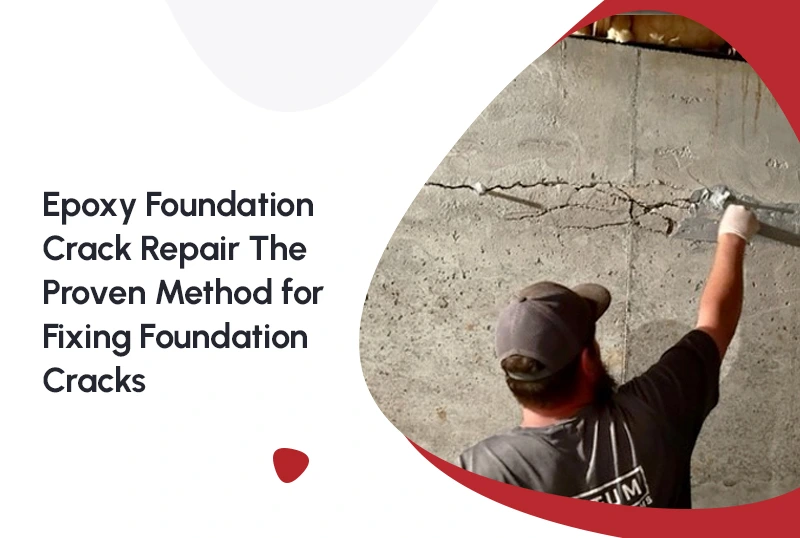
Epoxy foundation crack repair involves injecting a high-strength epoxy resin into foundation cracks under controlled pressure. This two-part polymer system chemically bonds with concrete, creating a repair that’s often stronger than the surrounding foundation material. Unlike surface patching methods, epoxy foundation crack repair penetrates deep into the crack, filling every void and restoring structural integrity from within.
Epoxy is designed to bond to concrete in a way that strengthens the repaired area, preventing further cracking and helping to preserve the structural integrity of the foundation. This is important because foundations are essential for the stability of your entire home.
The Epoxy Injection Process: How It Works
The epoxy injection process involves several crucial steps to ensure that the crack is fully repaired, and the foundation remains intact. These steps include:
- Surface Preparation and Cleaning of the Crack
The first step is to ensure the crack is clean and free of debris. This involves removing any loose concrete, dirt, or contaminants from the crack’s surface. Proper cleaning ensures that the epoxy will bond effectively with the concrete. - Installation of Injection Ports Along the Crack
Special injection ports are placed along the crack. These ports allow the epoxy resin to flow into the crack in a controlled manner, ensuring that the resin fills every part of the crack. - Surface Sealing with Epoxy Paste
Once the ports are installed, the surface of the crack is sealed with an epoxy paste to prevent the resin from leaking out during injection. This ensures that the resin is forced deep into the crack for a more permanent repair. - Low-Pressure Injection of Epoxy Resin
The core of the process is the injection of low-viscosity epoxy resin into the crack. This resin is injected under controlled pressure, ensuring it reaches every void and part of the crack. The resin bonds with the concrete, strengthening it as it cures. - Curing Time and Final Inspection
After the resin has been injected, it requires 24-72 hours to fully cure, depending on temperature and humidity. During this time, contractors will inspect the repair to ensure its integrity. Non-destructive testing methods may also be used to confirm the strength of the repair.
For homeowners in Tomball who are experiencing these issues, house leveling service Tomball is also an essential service to consider for further stabilization if the cracks are a sign of larger foundation movement.
Why Choose Epoxy for Foundation Crack Repair?
The American Concrete Institute recognizes epoxy foundation crack repair as one of the most effective methods for restoring structural integrity to damaged concrete. Here’s why epoxy outperforms other repair methods:
Superior Bonding Strength
Epoxy creates a chemical bond with concrete that achieves tensile strengths exceeding 3,000 psi. This means epoxy foundation crack repair actually makes the repaired area stronger than the original concrete, effectively preventing crack re-opening.
Complete Waterproofing
Unlike polyurethane foam or hydraulic cement, epoxy provides a permanent water barrier. When you invest in epoxy foundation crack repair, you’re ensuring complete protection against water infiltration, mold growth, and further deterioration.
Long-Term Durability
Professional epoxy foundation crack repair carries warranties of 10-25 years, with many repairs lasting the lifetime of the structure. This longevity makes epoxy the most cost-effective solution over time.
The Professional Epoxy Foundation Crack Repair Process
Understanding the epoxy foundation crack repair process helps homeowners appreciate the precision and expertise required for successful repairs. Professional contractors follow these critical steps:
- Comprehensive Foundation Assessment
Before beginning any epoxy foundation crack repair, specialists evaluate crack patterns, width, depth, and underlying causes. This assessment determines whether epoxy injection is appropriate or if additional foundation work is needed. If you’re in Tomball, make sure your contractor performs this thorough evaluation. For more on foundation solutions, check out foundation repair Tomball. - Crack Preparation
Proper preparation is crucial for successful epoxy foundation crack repair. Contractors remove loose concrete, clean the crack of debris and contaminants, and ensure the surface is dry. In cases of active water seepage, special techniques may be employed to stop the water flow before epoxy injection. - Port Installation and Surface Sealing
Injection ports are strategically placed along the crack, and the surface is sealed with epoxy paste to ensure no resin leaks out. - Epoxy Injection
The resin is injected under low pressure into the crack, filling it completely. The low viscosity of the epoxy allows it to penetrate even the finest cracks. - Curing and Quality Verification
After the injection, the epoxy is allowed to cure. Contractors verify the quality of the repair to ensure it meets the required standards.
Cost Factors for Epoxy Foundation Crack Repair
The investment in epoxy foundation crack repair varies based on several factors. According to the National Association of Home Builders, typical costs range from $300 to $1,500 per crack, depending on:
- Crack length and depth
- Accessibility and location
- Foundation wall thickness
- Number of cracks requiring repair
- Geographic location and local labor rates
While epoxy foundation crack repair may seem costly initially, it’s significantly less expensive than full foundation replacement and provides superior long-term value. Homeowners requiring house leveling service Tomball should note that addressing cracks early with epoxy can prevent more extensive foundation problems.
DIY vs. Professional Epoxy Foundation Crack Repair
While DIY epoxy kits are available, structural foundation repairs require professional expertise. DIY efforts often lead to incomplete repairs, which can worsen the damage over time. Professional contractors bring specialized equipment, experience, and warranty-backed services that ensure lasting solutions. For Tomball residents, working with experts in pier and beam foundation repair Tomball can ensure that the job is done right the first time.
When Epoxy Foundation Crack Repair May Not Be Sufficient
While epoxy foundation crack repair is highly effective, certain situations may require additional foundation work. These include:
- Active foundation settlement or movement
- Horizontal cracks indicating structural failure
- Extensive cracking patterns throughout the foundation
- Bowing or leaning foundation walls
- Poor drainage causing ongoing hydrostatic pressure
In these cases, epoxy repair should be combined with stabilization methods like house leveling services Tomball. A comprehensive foundation evaluation identifies all necessary repairs, ensuring long-term stability.
Maintaining Your Foundation After Epoxy Repair
To ensure your foundation remains stable after repairs:
- Maintain consistent soil moisture around the foundation
- Ensure proper grading and drainage
- Monitor for new cracks or signs of movement
- Address plumbing leaks promptly
Conclusion: The Smart Choice for Foundation Protection
Epoxy foundation crack repair represents one of the most reliable methods for fixing cracks in foundations. With its superior bonding strength, waterproofing, and long-term durability, epoxy ensures that your home remains structurally sound and protected from water damage.
If you’re in Tomball, don’t wait until small cracks become major problems. Call a professional foundation repair contractor today to evaluate your foundation and recommend the best solution. For those with more extensive needs, house leveling service Tomball and pier and beam foundation repair Tomball are also available to address structural concerns comprehensively.
FAQS (Frequently Asked Questions)
1. How much does epoxy foundation crack repair cost?
Epoxy foundation crack repair typically costs between $300 and $1,500 per crack, depending on the crack’s size and location. It’s a cost-effective option compared to full foundation replacement.
2. Can I fill concrete cracks with epoxy?
Yes, epoxy is ideal for filling concrete cracks. It bonds with the concrete, sealing the cracks and restoring structural integrity.
3. What is the best foundation crack repair?
Epoxy injection is the best method for concrete cracks, offering strong bonding, waterproofing, and durability. For more severe issues, additional repairs like house leveling may be needed.
4. What are the disadvantages of epoxy injections?
Epoxy is not suitable for cracks caused by active foundation movement or constant water exposure, as it may fail under these conditions.
5. How long does epoxy crack injection last?
Epoxy repairs can last 10-25 years, depending on the crack’s severity and the foundation’s stability.
6. When should you not use epoxy for concrete?
Epoxy should not be used for cracks caused by ongoing foundation movement or for areas with continuous water exposure.