When you discover cracks spreading across your cement foundation, every moment of delay inches your Pasadena home closer to catastrophic structural failure. Foundation cement repair isn’t optional maintenance it’s the emergency intervention standing between your family’s safety and disaster costing tens of thousands of dollars. For Pasadena homeowners battling expansive clay soils, seismic activity, and extreme weather fluctuations that relentlessly attack foundations, understanding when and how professional repair prevents collapse versus merely postpones it separates wise property protection from financial catastrophe.
Every crack ignored, every settling foundation left unaddressed, every moisture problem dismissed accelerates structural degradation requiring increasingly expensive repair interventions. This comprehensive guide reveals everything Pasadena property owners must know about foundation cement repair recognizing warning signs demanding immediate action, understanding repair methods saving versus wasting money, navigating costs intelligently, and selecting contractors delivering permanent solutions rather than temporary patches that fail within months.
Understanding Foundation Cement Repair
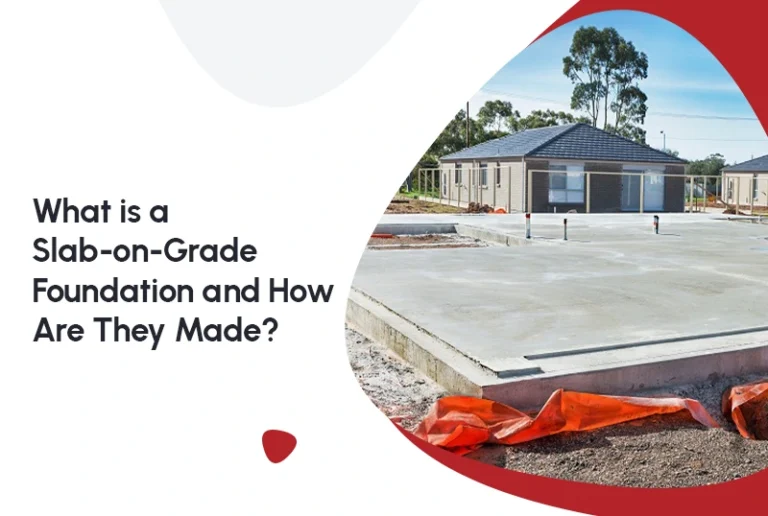
Foundation cement repair encompasses the specialized techniques and materials used to restore structural integrity, prevent water infiltration, and stabilize cement-based foundations suffering from cracks, settlement, deterioration, or structural compromise. Unlike cosmetic patching that merely covers visible damage, professional cement foundation repair addresses underlying problems causing foundation failure, delivering permanent solutions protecting homes for decades.
Cement foundations—whether poured concrete slabs, stem walls, or basement foundations—provide structural support transferring building loads to supporting soil. According to the American Concrete Institute, properly constructed and maintained cement foundations can last indefinitely. However, soil movement, water damage, poor construction, and natural deterioration eventually produce problems demanding professional intervention. Understanding your foundation type and common failure modes helps determine appropriate repair approaches.
For comprehensive information about cement foundation problems including common causes of damage, water infiltration issues, and the importance of maintaining solid cement foundations for your home’s durability, read our detailed article on cement foundation repair and maintenance.
Signs You Need Foundation Cement Repair
Recognizing symptoms indicating serious foundation repair needs helps homeowners act before minor problems become catastrophic failures:
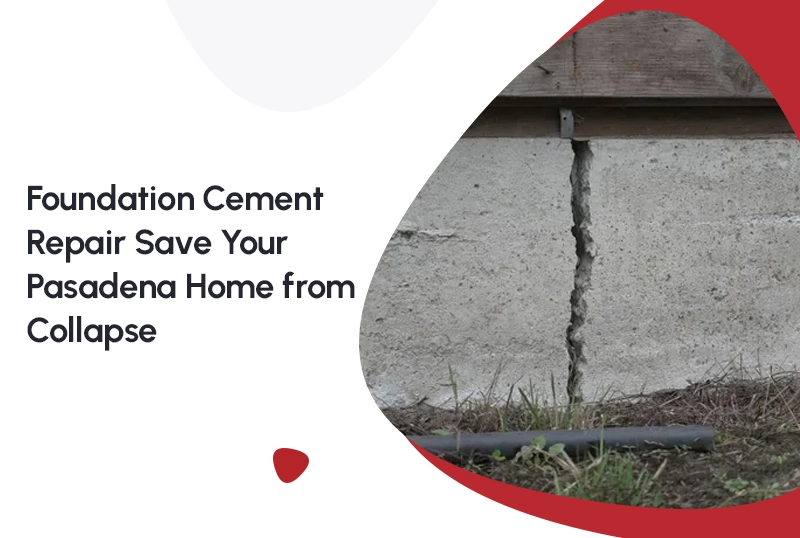
Visible cracks in cement foundations represent the most obvious warning signs. Any crack exceeding 1/4 inch width demands immediate professional evaluation. Horizontal cracks indicate serious lateral pressure problems requiring urgent intervention. Diagonal or stair-step cracks suggest differential settlement where foundation sections sink at different rates. Even hairline cracks merit professional assessment determining whether they indicate active problems or merely cosmetic concerns manageable through preventive foundation cement repair.
Interior symptoms accompanying foundation problems include uneven floors with noticeable slopes or dips, doors and windows that stick or won’t close properly, gaps appearing between walls and ceilings or floors, and cracks in interior drywall particularly near door frames. These indicators suggest foundation movement requiring repair work addressing underlying settlement or structural shifting.
Water infiltration and dampness signal foundation waterproofing failures often requiring cement repair combined with drainage improvements. Exterior foundation damage including visible displacement, crumbling cement, or efflorescence (white mineral deposits) indicates deterioration demanding professional intervention. Chimney tilting or separating from structures signals severe foundation movement requiring immediate foundation cement repair.
Common Causes of Cement Foundation Damage
Understanding what produces damage requiring professional repair helps homeowners prevent future problems. Soil settlement represents the primary cause when supporting soil consolidates from moisture loss, inadequate compaction, or bearing capacity failure. According to the U.S. Geological Survey, soil characteristics dramatically impact foundation performance, with certain soil types creating severe stress requiring extensive restoration work.
Pasadena’s expansive clay soils create particularly challenging conditions. These soils dramatically swell when saturated and shrink during droughts, stressing foundations through constant expansion-contraction cycles. Poor drainage allowing water accumulation near foundations ranks among leading causes necessitating foundation cement repair. Water saturates soil increasing pressure while eroding material creating voids and settlement.
Plumbing leaks beneath or through slabs erode soil, create voids, and cause localized settlement producing damage requiring professional intervention. Tree roots extract moisture causing soil shrinkage while physically pressuring foundations. Age and weathering gradually deteriorate cement through carbonation, sulfate attack, and freeze-thaw cycles. Poor construction quality including inadequate reinforcement or improper curing produces premature failure demanding foundation cement repair.
Types of Foundation Cement Repair
Professional cement foundation repair employs various specialized techniques addressing specific damage types:
Crack Repair and Sealing
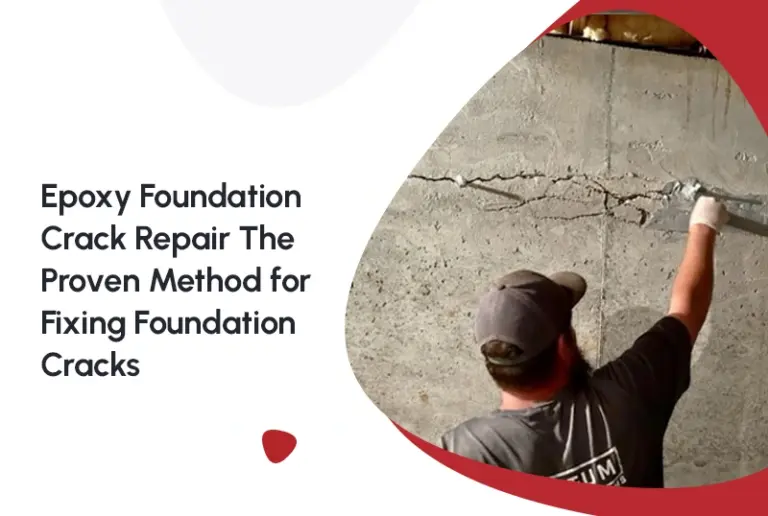
Crack repair represents the most common foundation repair intervention. Epoxy injection delivers structural restoration for dormant cracks, pumping two-part epoxy resin under pressure to completely fill voids and create bonds stronger than surrounding cement. This method works excellently for repairs requiring maximum strength restoration.
Polyurethane injection provides superior waterproofing for foundation cement repair addressing active leaks. Expanding polyurethane foam fills voids and creates flexible waterproof barriers even in wet conditions. For detailed information about crack repair costs, methods, and when each approach proves optimal, read our comprehensive guide on foundation crack repair cost in 2025.
Slab Jacking and Mudjacking
When settlement causes repair needs, slab jacking raises sunken concrete by pumping material beneath surfaces creating hydraulic lift. This repair technique addresses underlying settlement rather than merely patching surface damage. Modern polyurethane foam slab jacking offers advantages over traditional cement-based mudjacking including lighter weight preventing additional settlement and faster curing allowing immediate use.
Piering and Underpinning
Severe settlement producing extensive damage often requires comprehensive foundation cement repair through piering and underpinning. Steel piers driven to stable soil strata or bedrock transfer building loads past unstable surface soils, permanently stabilizing structures. Concrete pressed piers offer similar solutions with different installation methods. This repair approach delivers permanent stabilization preventing future settlement.
Waterproofing Solutions
Comprehensive foundation work often includes waterproofing preventing water damage. Interior waterproofing employs drainage systems, sump pumps, and vapor barriers managing moisture infiltration. Exterior waterproofing applies membranes and drainage systems preventing water from reaching foundations. According to the Portland Cement Association, proper waterproofing significantly extends cement foundation service life, making it essential component of comprehensive repair projects.
Cement Resurfacing
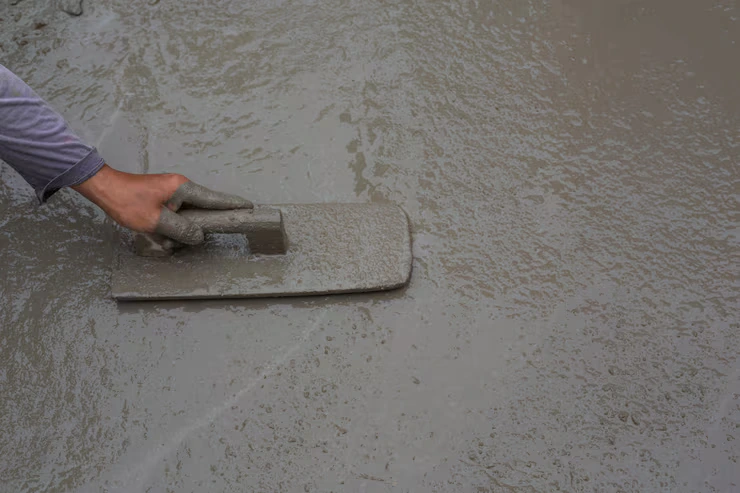
When deterioration damages cement surfaces without compromising structural integrity, resurfacing provides economical solutions. Contractors remove damaged material, prepare surfaces, and apply new cement restoring appearance and protection. This repair method works well for spalling, surface cracking, or cosmetic damage not indicating structural problems.
The Foundation Cement Repair Process
Professional foundation cement repair follows systematic procedures ensuring permanent results. The process begins with comprehensive inspection evaluating damage extent, crack patterns, settlement indicators, and structural implications. Qualified foundation repair Pasadena specialists examine foundation conditions, identify underlying causes, and recommend appropriate repair methods.
Soil testing reveals composition, bearing capacity, expansiveness, and moisture characteristics affecting repair approach selection. Engineering evaluation determines structural significance of observed damage and designs appropriate repair systems. Contractors develop detailed plans specifying repair methods, materials, expected outcomes, timeline, and costs.
Implementation proceeds according to engineered plans with continuous quality monitoring ensuring proper execution. Following completion, engineers inspect installations verifying repairs meet specifications and building codes. Reputable contractors provide comprehensive warranties covering repairs, typically spanning 10-25 years depending on repair type and local conditions.
Cost of Foundation Cement Repair
Understanding foundation cement repair costs helps homeowners budget appropriately. Minor crack repair through epoxy or polyurethane injection might cost $500-$1,500. Moderate repair work involving slab jacking and drainage improvements typically runs $3,000-$8,000. Extensive repairs requiring piering systems can exceed $10,000-$30,000+ depending on home size and damage severity.
Factors affecting repair costs include damage extent and severity, repair method complexity, accessibility and working conditions, local labor and material costs, and soil conditions requiring additional stabilization. While professional foundation cement repair requires significant investment, costs pale compared to foundation replacement ranging from $20,000-$100,000+ or losses from continued deterioration destroying property values and creating safety hazards.
Foundation Cement Repair in Pasadena
Pasadena’s unique conditions create specific challenges demanding specialized foundation cement repair expertise. Expansive clay soils throughout the region create constant stress through swelling-shrinking cycles. Seismic activity from nearby fault lines stresses foundations requiring specialized repairs addressing earthquake damage. Seasonal weather extremes bring intense summer heat causing soil contraction followed by winter rains saturating soils.
Common Pasadena foundation problems include settlement from clay soil shrinkage during droughts, heaving from soil swelling during wet seasons, and cracking from seismic activity. Professional foundation repair Pasadena specialists understand these local challenges and provide repair solutions accounting for regional soil behavior and seismic considerations.
For properties experiencing severe foundation settlement requiring comprehensive leveling beyond standard repair work, professional house leveling service Pasadena specialists coordinate foundation stabilization with repair work delivering comprehensive solutions.
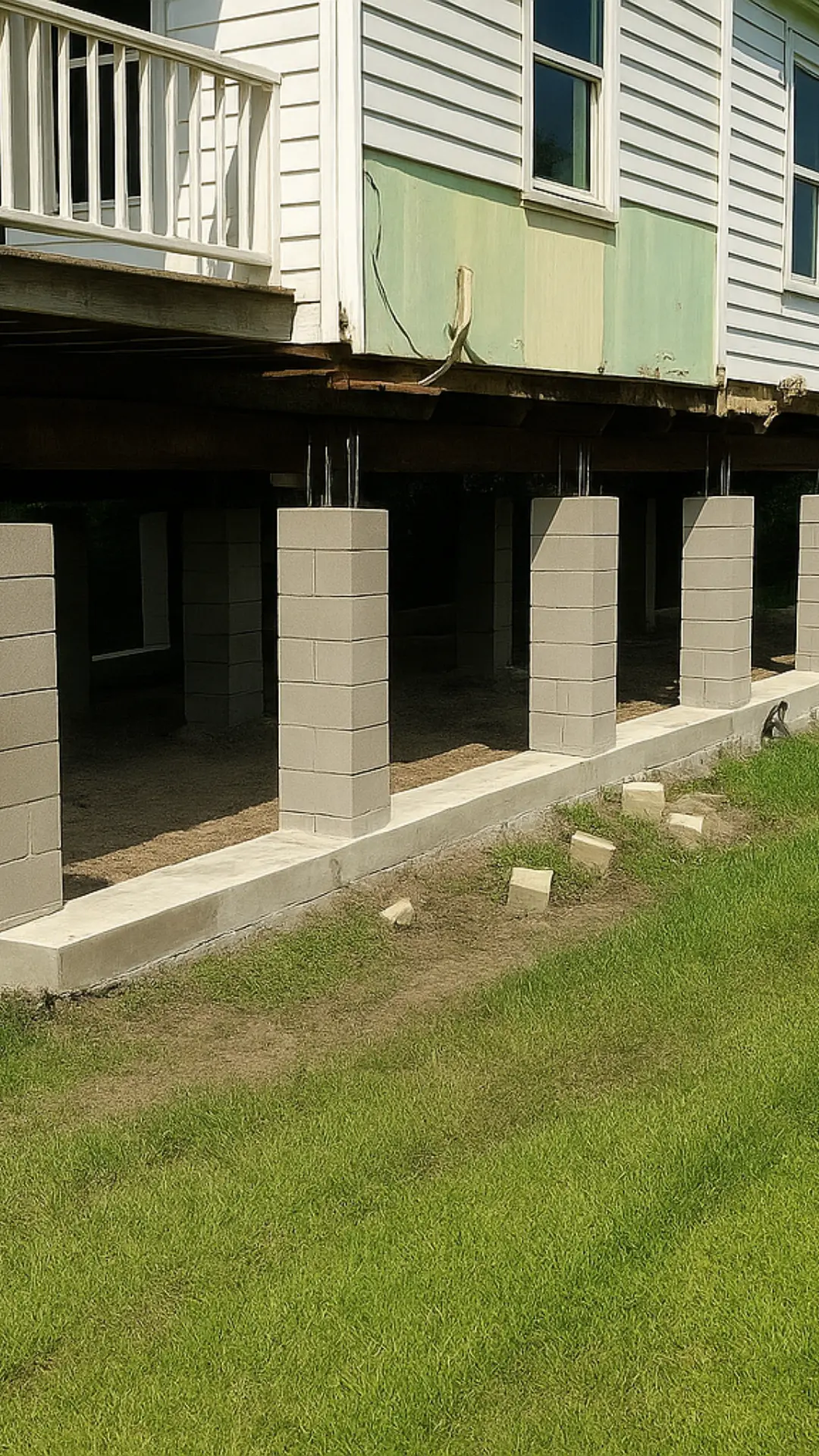
Properties with pier and beam foundations face different challenges than slab foundations and require specialized repair approaches. For more information about elevated foundation systems and their unique repair requirements, read our comprehensive guide on pier and beam foundation repair Pasadena solutions.
Preventing Future Foundation Problems
While professional foundation cement repair addresses existing damage, preventive maintenance minimizes future problems. Maintain proper drainage through functional gutters, downspouts extending 10+ feet from foundations, and grading sloping away from homes. Install drainage systems where water naturally accumulates. Manage soil moisture through strategic foundation watering during droughts maintaining relatively consistent conditions.
Monitor plumbing carefully addressing leaks immediately before they necessitate expensive repairs from soil erosion. Control vegetation keeping large trees at appropriate distances. Schedule professional inspections every 3-5 years catching minor problems early before requiring extensive intervention.
Choosing a Foundation Cement Repair Contractor
Selecting qualified contractors ensures successful repair outcomes. According to the National Association of Home Builders, homeowners should verify contractors possess specific foundation repair experience, proper licensing and insurance, and established track records. Seek contractors offering comprehensive warranties covering foundation cement repair for 10+ years demonstrating confidence in work quality.
Ask contractors about their experience with Pasadena soil conditions and local building codes. Request references from recent repair projects and verify completion quality. Obtain multiple detailed estimates specifying repair methods, materials, timeline, and warranties. Avoid contractors pressuring immediate decisions or offering prices significantly below competitors—quality foundation work costs reflect materials, expertise, and warranties protecting your investment.
Conclusion: Protect Your Pasadena Home Through Professional Foundation Cement Repair
Foundation cement repair represents critical intervention protecting your home’s structural integrity, safety, and value. Unlike cosmetic patches providing temporary appearance improvement, professional cement foundation work addresses underlying problems delivering permanent solutions preventing catastrophic failure.
For Pasadena homeowners facing expansive clay soils, seismic activity, and weather extremes that stress foundations relentlessly, understanding foundation cement repair options and acting promptly when damage appears proves essential. The manageable costs of early intervention pale compared to catastrophic failure expenses from neglected deterioration.
Don’t gamble with your home’s structural integrity or family’s safety. If you’ve discovered foundation damage—whether minor cracks or concerning settlement—contact qualified foundation cement repair specialists understanding Pasadena’s unique challenges. Professional foundation repair Pasadena experts can assess your specific situation and recommend optimal repair strategies.
Your home deserves the permanence and protection that only professional foundation cement repair provides. Schedule your comprehensive evaluation today ensuring your foundation receives the expert care it needs for decades of reliable service. Don’t wait for minor damage to become major disaster requiring emergency intervention—act now while foundation cement repair remains manageable and affordable
FAQs (Frequently Asked Questions)
1. What kind of cement to use for foundation repair?
The most common cement used for foundation repair is Type I Portland cement, ideal for general-purpose applications. For areas with moderate sulfate exposure, Type II cement is preferred as it helps prevent deterioration caused by sulfates. For repairs requiring additional strength or water resistance, hydraulic cement or epoxy-based products are used. These products are ideal for filling cracks, sealing joints, and preventing water infiltration, ensuring lasting repairs and foundation stability.
2. How do you fix a cement foundation?
For minor cracks, hydraulic cement, epoxy injections, or polyurethane foam are used to seal the cracks and prevent water infiltration, strengthening the structure. For more serious damage like settling, methods such as pier and beam stabilization, slab jacking, or push piers are employed. These techniques address foundation shifting by either lifting or stabilizing the structure. Proper assessment by a professional ensures that the most effective repair solution is applied to restore the foundation’s integrity and prevent future damage.
3. Can you pour new concrete over old cracked concrete?
Yes, new concrete can be poured over old cracked concrete, but it must be done correctly to ensure the repair is successful. First, the existing concrete should be cleaned and prepared by removing any debris or loose material. Applying a bonding agent to the old concrete is crucial to ensure the new layer adheres properly. Additionally, it is important to mix the new concrete properly to ensure uniform strength. However, if the old concrete is severely damaged or has structural issues, simply overlaying new concrete may not address the underlying problem, and a more thorough foundation repair may be necessary.
4. How much does it cost to repair a concrete foundation?
The cost of repairing a concrete foundation depends on the extent of the damage and the repair method used. Simple repairs like sealing cracks can range from $500 to $1,500. More extensive repairs, such as stabilizing a settling foundation using push piers, can cost anywhere from $3,000 to $12,000 or more, depending on the size of the home and the number of piers required. Factors like accessibility, soil conditions, and local labor costs also influence the overall cost of foundation repairs. Additionally, the complexity of the repair, including excavation or the need for structural engineering, may further increase costs.
5. What is the lifespan of a concrete foundation?
A well-built concrete foundation can last for 100 years or more. The durability of a concrete foundation is influenced by several factors, including the quality of materials used, the design of the foundation, soil conditions, and the climate in which the house is located. Concrete foundations are highly durable, but they are still susceptible to damage from soil shifts, water infiltration, and poor drainage. Regular maintenance, such as sealing cracks and ensuring proper drainage, can extend the life of a foundation. Additionally, periodic inspections can identify early signs of damage, allowing for timely repairs that prevent more severe issues from developing, ensuring long-term stability and performance.
6. Is foundation repair worth the cost?
Yes, foundation repair is worth the cost if done promptly and correctly. Foundation issues can lead to serious structural damage, causing doors and windows to stick, cracks in the walls, and uneven floors. If left untreated, the problem can worsen, leading to more extensive damage and higher repair costs. Investing in professional foundation repair ensures the long-term stability of the home, preserves its value, and prevents further damage. Additionally, addressing foundation issues early can save homeowners from more costly repairs down the line. Timely repairs also improve the safety of the home, ensuring peace of mind for homeowners and their families.
7. Does foundation repair increase home value?
Yes, foundation repair can increase the value of a home, particularly if the foundation issues were previously a major concern. A properly repaired foundation ensures the structural integrity of the home, which is a key factor for potential buyers. Homes with foundation problems typically sell for less, and many buyers are wary of homes with unresolved structural issues. By addressing foundation problems, homeowners can increase the property’s marketability and potentially receive a higher resale value. It’s essential to have repairs done professionally and ensure that the work is well-documented for future buyers.