Foundation problems often develop gradually, and the earlier they are detected, the easier and more cost-effective they are to repair. As a Houston homeowner, it’s critical to understand the early warning signs of foundation issues before they cause significant structural damage. In this blog, we’ll walk through common signs of foundation problems, how they can affect your home, and why early intervention is essential to preserve the structural integrity of your property.
What Are Foundation Problems?
Foundation problems occur when the base of your home, which provides support to the entire structure, becomes compromised. These issues typically arise due to shifts or changes in the soil beneath the foundation. Houston’s expansive clay soil, known for its ability to expand and contract with moisture levels, is a significant contributor to foundation problems in the area.
Some common causes of foundation problems include:
- Soil movement: Houston’s soil naturally expands when wet and contracts when dry. These changes in soil moisture can push and pull on the foundation.
- Improper drainage: Poor drainage around the home can lead to water pooling near the foundation, causing it to weaken over time.
- Plumbing leaks: Undetected plumbing leaks can saturate the soil under the foundation, leading to shifting and cracking.
If left unchecked, these foundation problems can lead to significant structural damage to your home.
Early Signs of Foundation Problems You Should Watch For
Being able to identify the early signs of foundation problems can save you significant time and money. Here are a few key indicators that you may have foundation issues:
1. Cracks in the Walls and Ceilings
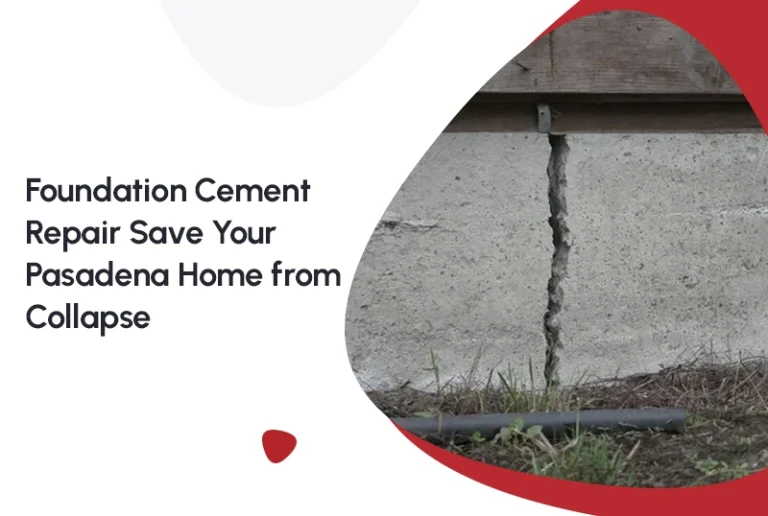
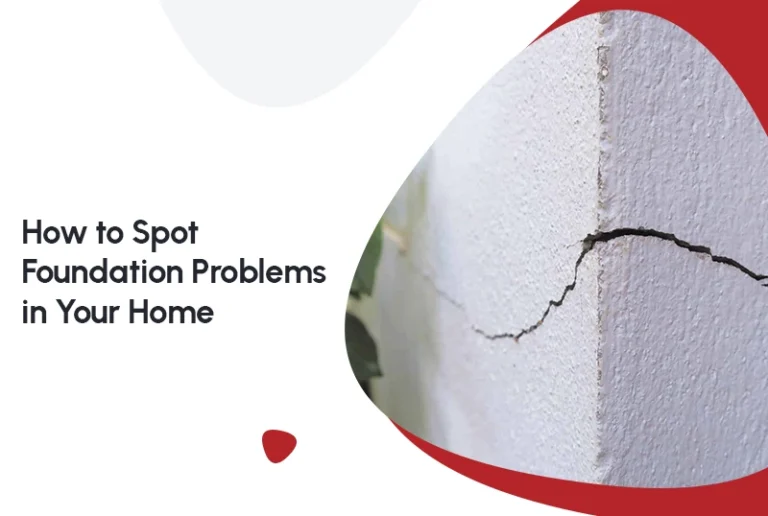
Cracks in the walls, particularly around doors and windows, are often the first sign of foundation problems. These cracks may start small but can grow over time as the foundation continues to shift. If you notice that the cracks are getting bigger or that new cracks are appearing in other areas, it’s a strong indication that your home’s foundation is settling or shifting unevenly.
While minor cracks are common in homes as they settle, larger, widening cracks suggest a deeper issue, particularly in a humid and shifting environment like Houston’s.
2. Uneven Floors and Sloping Surfaces
Another telltale sign of foundation problems is uneven or sloping floors. You may notice that your floors feel bouncy or slanted. This is often due to the foundation sinking or settling in certain areas. The weight of the home shifts, and if the foundation is not properly supported, it can cause floors to become uneven.
If you notice that furniture or objects tend to roll off tables, or if walking across the floor feels uneven, this could be a sign of foundation settlement.
3. Doors and Windows that Stick or Fail to Close
If your doors and windows begin to stick or no longer open and close properly, it could be due to a misaligned foundation. When a foundation settles unevenly, door and window frames can shift, causing them to become out of square.
This is a common issue in areas with expansive soils, like Houston. If the frame of your home is shifting, it may cause the door frames to bend or warp, resulting in doors or windows that no longer fit properly.
4. Visible Gaps Around the Foundation
Gaps between your foundation and the exterior walls or between the floor and the baseboards are a sign of movement. These gaps often appear when the foundation has settled or shifted. The soil beneath your home can shrink or erode, leading to these noticeable gaps.
If you observe significant gaps around your foundation or between the floor and walls, it’s time to call a professional to inspect the foundation.
Why You Should Address Foundation Problems Early
When foundation problems go unchecked, the consequences can be severe. Ignoring early signs can lead to more expensive repairs down the line, as the issue worsens over time. For example, minor cracks can become large gaps, and uneven floors can cause more structural damage if the foundation continues to shift.
Addressing foundation problems early allows you to avoid the need for major repairs and ensures that your home remains safe and stable. If you notice any of the signs mentioned above, it’s important to consult a professional foundation expert as soon as possible.
Professional Solutions for Foundation Problems
Once you’ve identified foundation problems, the next step is to take action to prevent further damage. Here’s how professionals can help address and resolve these issues:
Foundation Repair
In many cases, the best solution to foundation problems is foundation repair. This could involve methods like piering, which stabilizes and lifts the foundation back into place. The type of foundation repair needed depends on the extent of the damage and the type of foundation your home has.
For homeowners in Baytown, foundation repair might be necessary to correct the settlement and prevent further cracking or shifting. A professional will assess the condition of your foundation and recommend the appropriate repair method.
House Leveling
For homes that have settled unevenly, house leveling Baytown is another effective solution. House leveling involves raising the home back to its original position and stabilizing the foundation. This can help correct sloping floors and uneven surfaces, improving the overall structure and comfort of your home.
If you notice that your floors are uneven, house leveling could restore balance and prevent further foundation movement.
Pier and Beam Foundation Repair
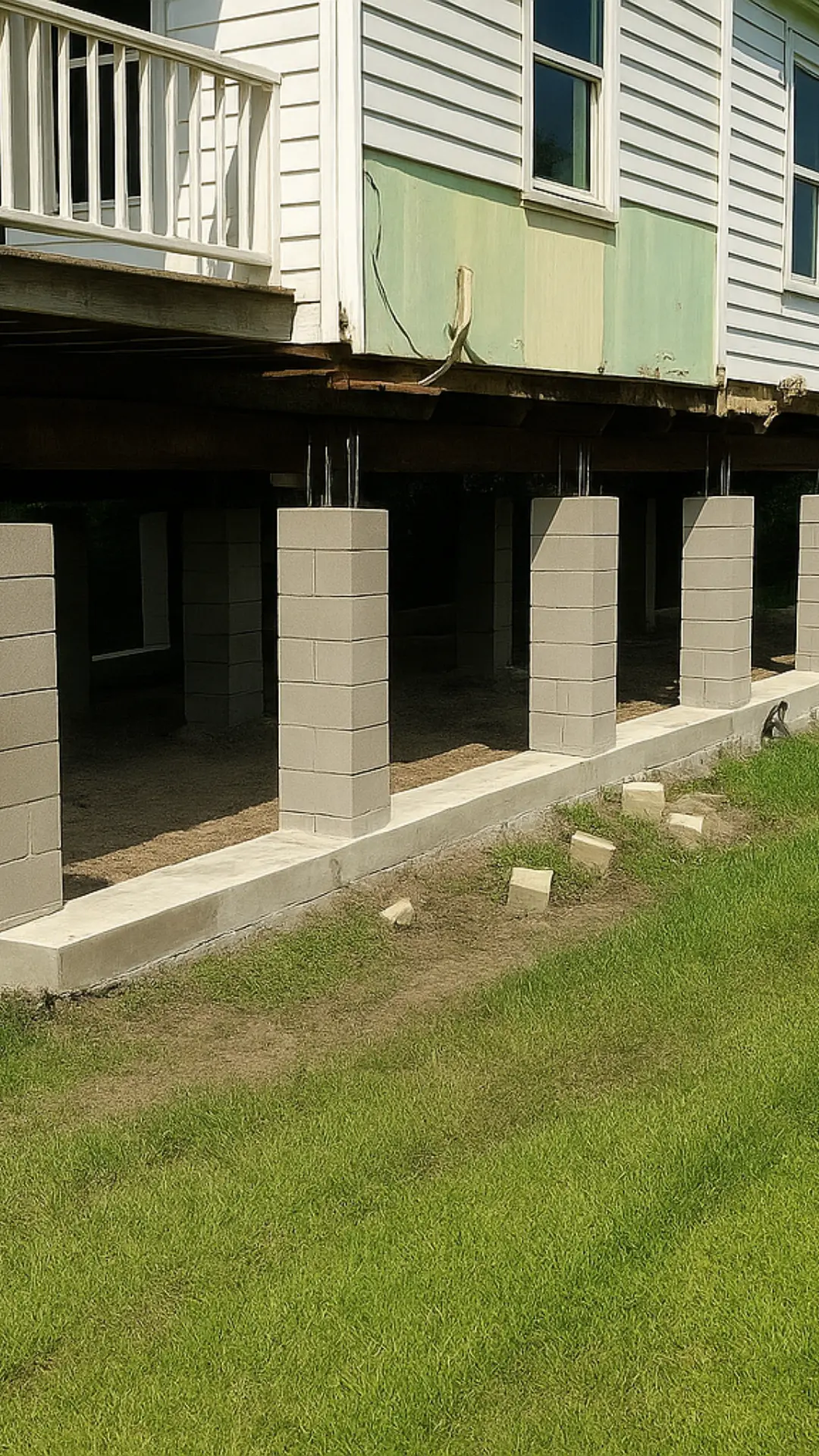
Homes with pier and beam foundations may experience different types of foundation problems. The piers supporting the home can shift, rot, or become unstable, leading to misalignment and structural issues. Pier and beam foundation repair Baytown involves stabilizing or replacing the piers to restore the foundation’s integrity.
It’s important to address any foundation issues as soon as possible to prevent further damage.
Preventing Future Foundation Problems
Once you’ve addressed your foundation problems, it’s important to take steps to prevent future damage. Here are a few tips to maintain your foundation and avoid costly repairs:
- Proper Drainage: Ensure that water flows away from your home’s foundation. Installing gutters, downspouts, and grading your yard can help keep water from pooling near the foundation.
- Install a Moisture Barrier: In humid areas like Houston, moisture control is crucial. Installing a moisture barrier in the crawlspace can help prevent water from damaging the foundation.
- Regular Inspections: Have your foundation inspected regularly to catch any potential issues early. Regular checks can help identify small problems before they become major concerns.
Conclusion
Foundation problems are not always easy to detect, but recognizing the early signs can save you a lot of stress and expense in the future. By paying attention to cracks in the walls, uneven floors, sticking doors, and gaps around the foundation, you can address potential issues before they escalate. If you live in Houston or Baytown and are concerned about foundation problems, it’s important to seek professional help promptly.
FAQs
1. When should I be concerned about foundation problems?
You should be concerned about foundation problems if you notice any of the following signs:
- Cracks in walls or floors (especially horizontal or stair-step cracks in masonry)
- Doors or windows that stick or are hard to open
- Uneven or sloping floors
- Visible gaps around windows, doors, or baseboards
- Cracks in the foundation itself that are wider than ¼ inch
- Water infiltration or moisture problems in the basement or crawl space
- Bowing or leaning walls
If any of these issues are present, it’s important to get a professional foundation inspection to identify the severity of the problem and decide on the right course of action.
2. How do they fix foundation problems?
The method used to fix a foundation problem depends on the type of issue:
- Piering and Underpinning: For settling foundations, steel piers or helical piers are driven deep into the soil to stabilize and lift the foundation.
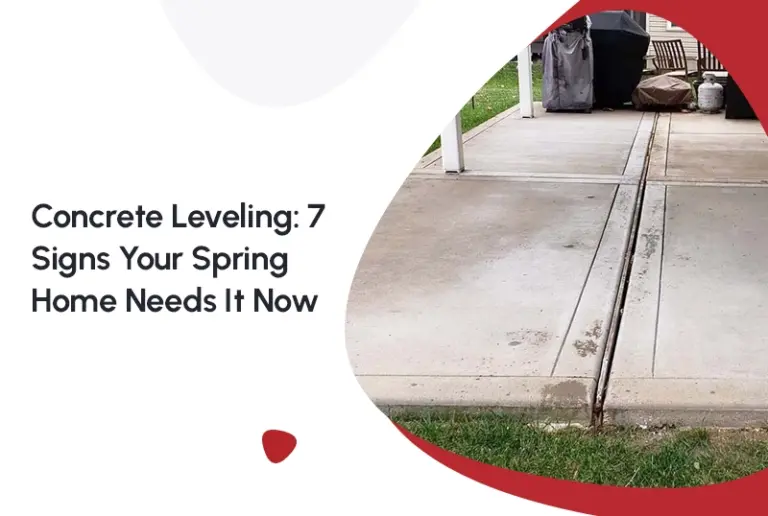
- Slabjacking (Mudjacking): For uneven concrete slabs, a grout mixture is injected underneath to raise the surface.
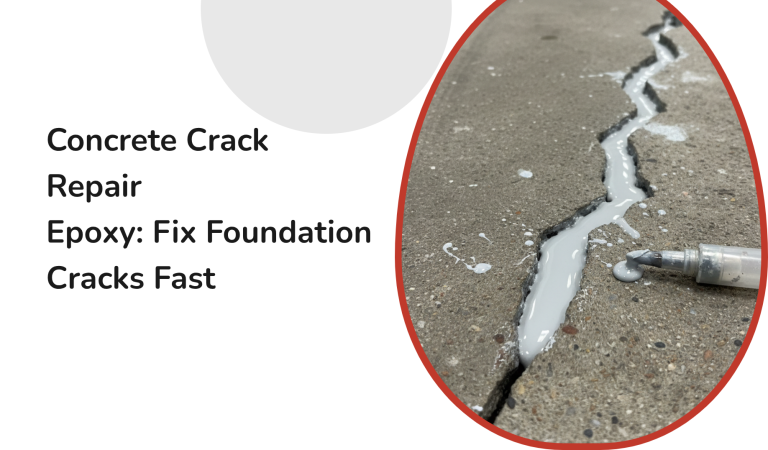
- Epoxy Injection: Cracks in the foundation can be sealed with epoxy injections to restore strength and prevent water seepage.
- Carbon Fiber Straps: These are used to reinforce and stabilize bowed or leaning basement walls.
- Drainage and Waterproofing Solutions: Poor drainage may be addressed by installing a French drain or improving the grading around the foundation to prevent future water damage.
Each method is tailored to the specific cause and severity of the problem.
3. What’s the average cost of fixing a foundation?
The average cost of foundation repair varies depending on the severity of the problem and the repair method. On average:
- Minor crack repairs cost $500 to $1,500
- Piering and underpinning typically costs $3,000 to $10,000
- Slabjacking (mudjacking) ranges from $800 to $2,500 per lift
- Bowing wall repair (via carbon fiber or steel braces) can range from $3,000 to $5,000
Costs can increase if additional drainage or waterproofing work is required. Severe cases of foundation failure may cost $20,000 or more.
4. Can you live in a house while the foundation is being repaired?
In most cases, you can live in the house during foundation repair, especially for minor repairs like crack sealing or slabjacking. However, for more invasive repairs like piering or underpinning, it may be necessary to vacate the house for safety reasons. Contractors will provide guidance on whether you need to vacate, based on the type and scope of the work being done.
5. Will insurance pay for foundation repair?
Foundation repair is typically not covered by standard homeowners insurance unless the damage is caused by a covered peril, such as fire, flooding, or earthquakes. Foundation damage caused by settling, poor soil conditions, or water damage due to neglect (such as inadequate drainage) is usually excluded. In some cases, if the issue is linked to sudden and accidental damage, it may be covered. You should check your insurance policy for specific coverage details or ask about adding a foundation damage rider.
6. Can a house with a bad foundation be saved?
Yes, a house with a bad foundation can often be saved through appropriate repairs. The foundation can usually be stabilized or lifted using techniques such as piering, slabjacking, or underpinning. In some cases, the repairs may take time and significant financial investment, but with the right solutions, most homes can be restored to a safe and livable condition. The extent of damage will determine the approach, but it’s rare for a house to be beyond saving unless there’s catastrophic structural failure.
7. What is considered a severe foundation problem?
A severe foundation problem typically involves:
- Large, widening cracks (especially horizontal or stair-step cracks)
- Significant settling of the foundation, where the home is visibly sinking or the floors are uneven
- Leaning or bowing basement walls, indicating excessive pressure from soil or water
- Severe water intrusion that continuously damages the foundation
- Uneven or sloping floors that make the house unsafe or unlivable
- Severe damage to load-bearing walls or structural beams
These issues often require extensive repair methods such as underpinning, major leveling, or wall stabilization.