Foundation underpinning repair represents one of the most critical structural interventions homeowners may face when dealing with foundation settlement, damage, or inadequate load-bearing capacity. This specialized construction technique involves strengthening or stabilizing existing foundation systems by extending the foundation depth or breadth to transfer structural loads to more stable soil layers. Understanding when foundation underpinning repair becomes necessary can save property owners from catastrophic structural failures and costly emergency repairs down the road.
Structural engineers typically recommend foundation underpinning repair when existing foundations show signs of differential settlement, bearing capacity failure, or when additional loads from home additions exceed original design specifications. Common indicators include visible cracks in foundation walls, uneven floors, doors and windows that stick or won’t close properly, and gaps between walls and ceilings. Early identification of these warning signs allows for proactive foundation underpinning repair planning rather than reactive emergency interventions that often cost significantly more.
Understanding Foundation Underpinning Repair Methods and Techniques
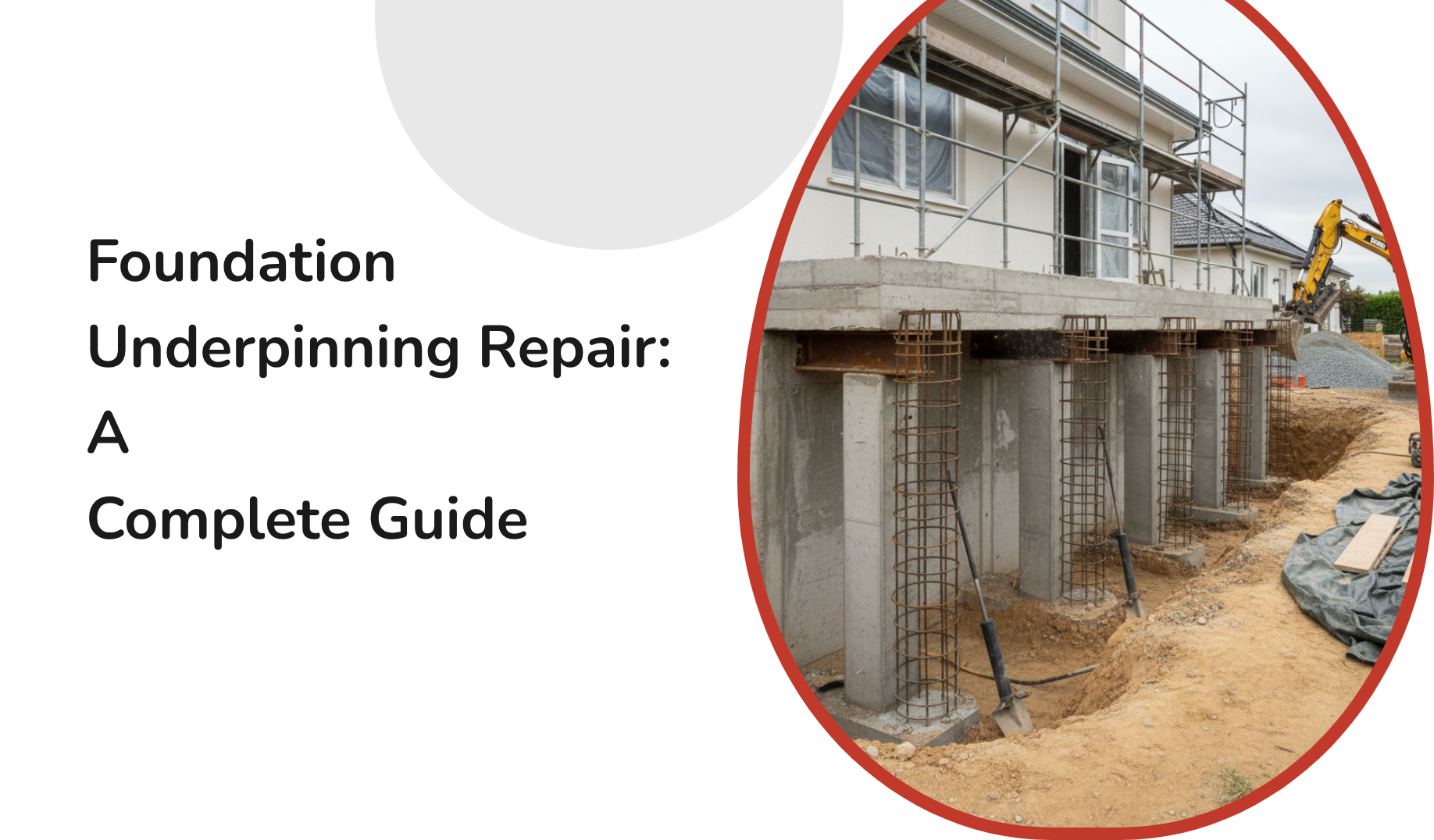
Mass concrete underpinning remains the most traditional method for foundation underpinning repair, involving excavation beneath existing foundations in carefully planned stages to pour new concrete footings. This technique works well for shallow foundations requiring modest depth increases but can be labor-intensive and time-consuming. Modern foundation underpinning repair often employs this method for residential applications where soil conditions are relatively stable and access permits traditional excavation equipment operation.
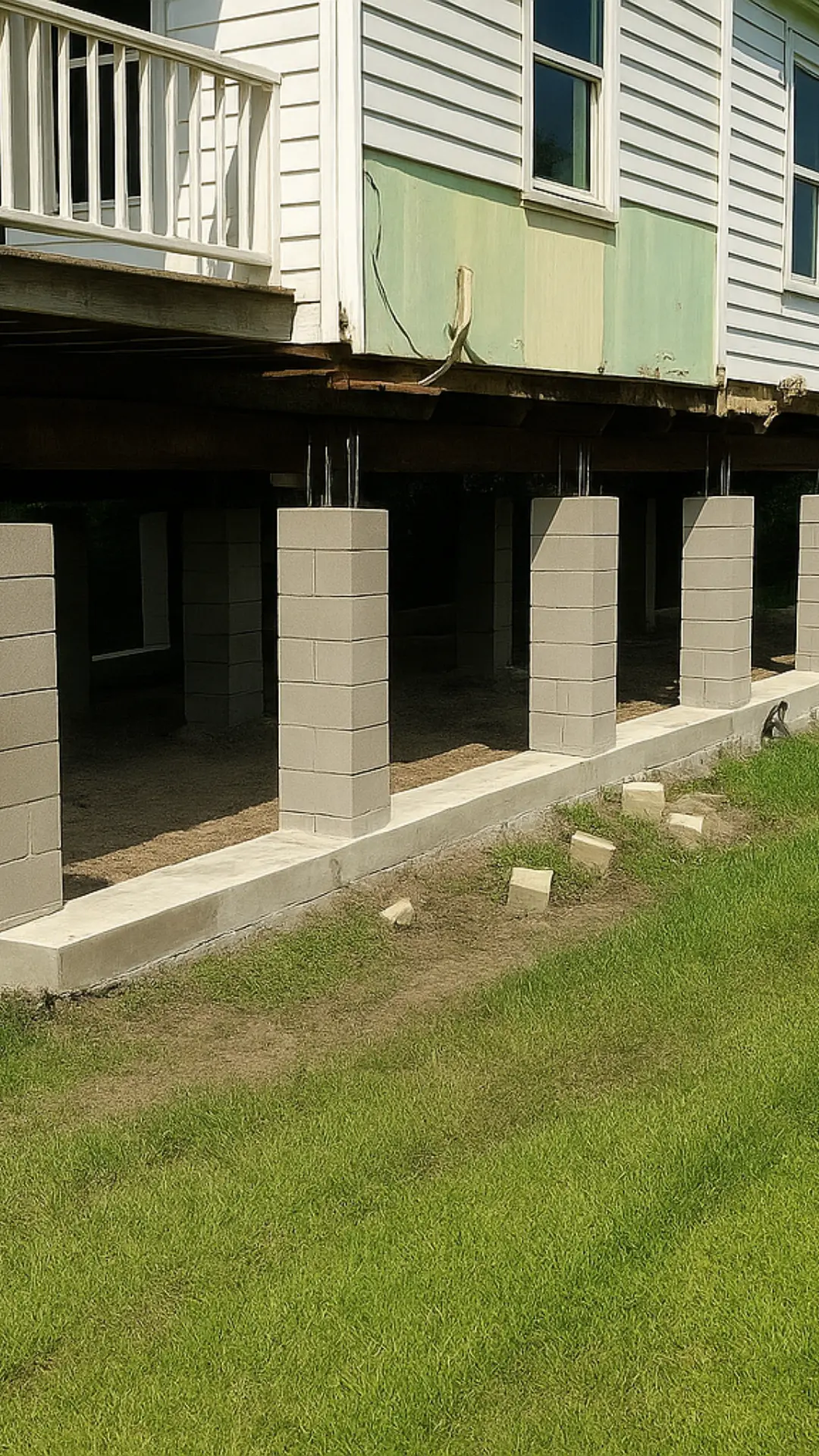
Beam and base underpinning offers another proven approach for foundation underpinning repair, utilizing reinforced concrete beams placed beneath existing foundation walls to distribute loads across wider areas. This method proves particularly effective when foundation underpinning repair must address localized settlement issues or when soil conditions vary significantly across the foundation perimeter. The technique allows for precise load redistribution while maintaining structural integrity throughout the construction process.
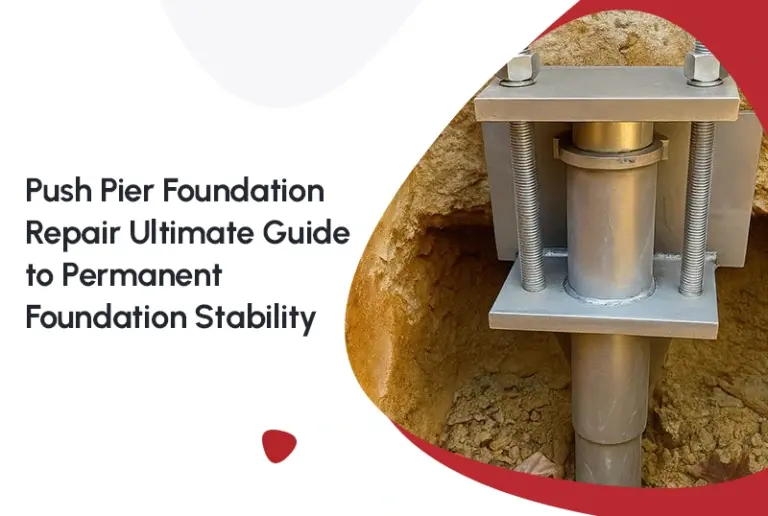
Mini-pile underpinning systems provide advanced solutions for complex foundation underpinning repair projects, especially where deep excavation proves impractical or soil conditions require load transfer to bedrock or stable strata far below surface level. These systems comply with FEMA building science and structural standards and offer superior load-bearing capacity compared to traditional methods. Mini-pile foundation underpinning repair works exceptionally well in urban environments with limited access or when existing structures cannot tolerate significant vibration during construction.
Professional Foundation Underpinning Repair Assessment and Planning
Comprehensive geotechnical investigation forms the cornerstone of successful foundation underpinning repair projects, requiring soil borings, laboratory testing, and detailed analysis of subsurface conditions. Professional engineers must evaluate existing foundation capacity, determine appropriate underpinning depths, and specify materials based on site-specific conditions. This thorough assessment ensures foundation underpinning repair solutions address root causes rather than merely treating symptoms of foundation distress.
Structural analysis during foundation underpinning repair planning involves calculating existing and proposed loads, determining required bearing capacities, and designing temporary support systems to maintain building stability during construction. Engineers must consider seismic requirements, local building codes, and long term performance expectations when developing foundation underpinning repair specifications. Proper planning prevents construction delays and ensures underpinning systems perform reliably throughout the structure’s remaining service life.
Permitting and regulatory compliance represent critical aspects of foundation underpinning repair projects, requiring coordination with local building departments and adherence to current structural codes. Many jurisdictions mandate professional engineering review and inspection during foundation underpinning repair work due to the structural significance of these interventions. Property owners should engage licensed contractors familiar with local permitting requirements to avoid project delays and ensure code compliance.
Timeline development for foundation underpinning repair must account for excavation challenges, weather conditions, concrete curing requirements, and coordination with other trades. Realistic scheduling prevents rushed construction that can compromise foundation underpinning repair quality and long-term performance. Experienced contractors typically require several weeks to months for complete foundation underpinning repair projects, depending on building size and complexity of the chosen underpinning method.
Foundation Underpinning Repair Construction Process and Safety Considerations
Sequential excavation during foundation underpinning repair prevents foundation instability by maintaining adequate support for existing structure loads throughout construction. Contractors typically work in alternating sections, completing underpinning installation in one area before proceeding to adjacent sections. This methodical approach to foundation underpinning repair ensures building stability while providing access for equipment and materials needed to complete the underpinning installation properly.
Temporary shoring systems play crucial roles in foundation underpinning repair safety, supporting existing foundations during excavation and underpinning installation phases. Professional contractors employ hydraulic jacks, steel beams, and adjustable posts to maintain structural loads while permanent underpinning elements cure and achieve design strength. Proper temporary support design prevents foundation movement during foundation underpinning repair and protects both workers and building occupants from structural collapse risks.
Worker safety protocols during foundation underpinning repair include confined space procedures, excavation safety measures, and proper use of personal protective equipment in hazardous conditions. Many foundation underpinning repair projects qualify for financial assistance through HUD home repair and improvement programs that help homeowners address critical structural issues. Contractors must implement comprehensive safety programs addressing unique risks associated with working beneath existing structures during foundation underpinning repair operations.
Cost Factors and Investment Considerations for Foundation Underpinning Repair
Future developments in foundation underpinning repair technology include advanced materials, improved installation techniques, and enhanced monitoring systems that provide better long-term performance and reduced construction impact. Ongoing research in foundation underpinning repair methods focuses on sustainability, constructability improvements, and integration with smart building systems for continuous performance monitoring. These innovations will continue improving foundation underpinning repair effectiveness while reducing costs and environmental impact of future structural reinforcement projects.
More on foundation underpinning repair
Material costs for foundation underpinning repair vary significantly based on chosen methods, with traditional mass concrete underpinning typically representing the most economical option for shallow applications. Steel micro-piles and specialized underpinning systems cost more initially but often provide better value for challenging soil conditions or complex structural requirements. Foundation underpinning repair investment decisions should consider long-term performance and maintenance requirements rather than focusing solely on upfront construction costs.
Labor costs constitute major portions of foundation underpinning repair project budgets due to specialized skills required and challenging working conditions beneath existing structures. Experienced underpinning contractors command premium rates but deliver superior workmanship that ensures foundation underpinning repair longevity and performance. Property owners should prioritize contractor experience and reputation over lowest bid pricing when selecting foundation underpinning repair professionals.
Equipment requirements for foundation underpinning repair include specialized excavation machinery, concrete pumping systems, and precision surveying instruments to monitor foundation movement during construction. Rental costs for this equipment significantly impact foundation underpinning repair project budgets, particularly for complex installations requiring extended construction periods. Contractors with established equipment fleets often provide more competitive pricing and better project control than those relying heavily on rental equipment.
Quality Control and Inspection During Foundation Underpinning Repair Projects
Regular monitoring during foundation underpinning repair construction involves precision surveying to detect any foundation movement that might indicate inadequate temporary support or construction problems. Professional engineers should inspect foundation underpinning repair work at critical stages to verify compliance with design specifications and building code requirements. This quality control process prevents costly mistakes and ensures underpinning systems will perform as designed throughout their service life.
Material testing during foundation underpinning repair includes concrete strength verification, steel reinforcement inspection, and soil compaction testing to ensure all components meet engineering specifications. Independent testing laboratories provide objective verification of material quality and construction compliance. Proper documentation of foundation underpinning repair quality control activities protects property owners and provides valuable records for future maintenance or modification needs.
Environmental and Health Considerations in Foundation Underpinning Repair
Dust control during foundation underpinning repair excavation and concrete work requires specialized equipment and procedures to protect both workers and building occupants from airborne particulates. Construction activities must comply with CDC NIOSH silica dust safety for concrete workers and local air quality regulations during foundation underpinning repair operations. Proper dust suppression methods prevent health hazards and maintain acceptable indoor air quality throughout the construction process.
Groundwater management during foundation underpinning repair often requires dewatering systems to maintain dry working conditions and prevent soil instability around excavations. Environmental permits may be necessary for groundwater discharge during foundation underpinning repair projects, particularly in environmentally sensitive areas. Contractors must implement appropriate water treatment and disposal methods to comply with environmental regulations while maintaining safe working conditions.
Soil contamination discovery during foundation underpinning repair excavation requires immediate notification of environmental authorities and implementation of specialized handling procedures for contaminated materials. Professional remediation services may be necessary before continuing foundation underpinning repair work in contaminated areas. Some contractors specialize in Under Slab Tunneling Tomball methods that minimize soil disturbance and reduce contamination exposure risks during underpinning installation.
Noise control during foundation underpinning repair construction requires coordination with neighbors and compliance with local noise ordinances, particularly in residential areas where early morning or late evening work may be restricted. Contractors should schedule the loudest phases of foundation underpinning repair during permitted hours and employ sound dampening techniques where possible. Clear communication with affected parties helps maintain good relationships throughout extended foundation underpinning repair construction periods.
Long-term Performance and Maintenance of Foundation Underpinning Repair Systems
Performance monitoring after foundation underpinning repair completion involves periodic inspection of underpinning elements and continued observation for signs of foundation movement or distress. Property owners should establish regular maintenance schedules to ensure foundation underpinning repair systems continue performing as designed throughout their service life. Early detection of performance issues allows for corrective actions before minor problems develop into major structural concerns requiring additional foundation underpinning repair work.
Warranty considerations for foundation underpinning repair typically include coverage for workmanship defects and material failures but may exclude damage from external factors like extreme weather events or soil changes. Reputable contractors providing Foundation Repair Tomball services typically offer comprehensive warranties on foundation underpinning repair work and stand behind their construction quality. Property owners should understand warranty terms and maintain required documentation to preserve coverage throughout the warranty period.
Choosing Professional Foundation Underpinning Repair Contractors
Contractor selection for foundation underpinning repair projects requires careful evaluation of experience, licensing, insurance coverage, and past project performance in similar applications. Qualified foundation underpinning repair contractors should provide detailed references, maintain current professional certifications, and demonstrate thorough understanding of local soil conditions and building code requirements. Property owners should request multiple detailed proposals to compare foundation underpinning repair approaches and pricing before making contractor selection decisions.
Professional credentials for foundation underpinning repair contractors should include appropriate state licensing, specialty certifications in underpinning methods, and current insurance coverage for both general liability and professional errors and omissions. Experienced foundation underpinning repair professionals maintain relationships with engineering consultants and can provide comprehensive project management from initial assessment through final inspection and warranty coverage.
Specialized Foundation Underpinning Repair Applications and Advanced Techniques
Historic building foundation underpinning repair requires specialized techniques to preserve architectural integrity while addressing structural deficiencies in older foundation systems. These projects often involve Pier and Beam Foundation Repair Tomball specialists who understand unique challenges associated with vintage construction methods and materials. Foundation underpinning repair in historic structures must balance structural requirements with preservation standards and may require special approvals from historic preservation authorities.
Commercial foundation underpinning repair projects typically involve larger loads, more complex foundation systems, and stricter performance requirements than residential applications. These foundation underpinning repair projects often require specialized equipment, extended construction schedules, and coordination with ongoing business operations to minimize disruption. Commercial foundation underpinning repair specifications must address unique loading conditions and may incorporate advanced monitoring systems to track long-term performance.
Seismic retrofitting through foundation underpinning repair provides enhanced earthquake resistance for structures in seismically active regions by improving foundation capacity and connection to superstructure elements. These specialized foundation underpinning repair applications require detailed seismic analysis and may incorporate energy dissipation devices or base isolation systems. Seismic foundation underpinning repair projects often qualify for special financing or tax incentives designed to encourage earthquake preparedness improvements.
Emergency foundation underpinning repair situations require rapid response capabilities and specialized equipment to stabilize foundations that have experienced sudden failure or damage from external events. These urgent foundation underpinning repair projects prioritize immediate structural safety over cost optimization and may employ temporary measures pending permanent repair solutions. Property owners facing foundation emergencies should immediately contact qualified foundation underpinning repair professionals to assess structural risks and implement appropriate stabilization measures.
Frequently Asked Questions
What is foundation underpinning and when is it needed?
Foundation underpinning is a construction process that strengthens or stabilizes an existing foundation by extending it deeper or making it wider. This repair method is typically needed when foundations have settled unevenly, developed cracks, or can no longer support the structure’s weight. Common situations requiring underpinning include soil movement, water damage, foundation deterioration due to age, increased structural loads from renovations, or poor original construction. Signs that underpinning may be necessary include visible cracks in walls or foundations, doors and windows that stick or won’t close properly, uneven floors, or gaps appearing around window and door frames. Professional assessment is essential to determine if underpinning is the appropriate solution.
What are the different types of foundation underpinning methods?
There are several underpinning methods, each suited for different situations. Mass concrete underpinning involves excavating sections under the existing foundation and pouring new concrete. Beam and base underpinning uses reinforced concrete beams to distribute loads. Mini-pile underpinning drives small piles deep into stable soil layers. Resin injection underpinning fills voids and strengthens soil beneath foundations. Screw piles or helical piers are twisted into the ground to transfer loads to stable soil. The choice depends on factors like soil conditions, building type, accessibility, and budget. Professional engineers evaluate these factors to recommend the most appropriate method for each specific situation.
How much does foundation underpinning typically cost?
Foundation underpinning costs vary significantly based on the method used, property size, soil conditions, and regional labor rates. Generally, underpinning projects range from $15,000 to $50,000 for average residential properties, though complex cases can exceed $100,000. Mini-pile underpinning typically costs $150-$300 per linear foot, while mass concrete underpinning may cost $100-$200 per linear foot. Resin injection is often less expensive at $300-$500 per injection point. Additional costs include permits, engineering reports, soil testing, and potential temporary relocation expenses. It’s essential to obtain multiple quotes from licensed contractors and factor in long-term benefits, as proper underpinning can prevent more costly structural damage and increase property value.
How long does foundation underpinning repair take to complete?
Foundation underpinning duration depends on the method used, project scope, and site conditions. Simple residential underpinning projects typically take 2-4 weeks, while complex commercial projects may require 2-6 months. Mass concrete underpinning usually takes longer due to curing time requirements between sections. Mini-pile installation is often faster, potentially completing in 1-2 weeks for smaller projects. Weather conditions, soil type, accessibility, and permit approval can extend timelines. The process involves sequential steps: engineering assessment, permits, excavation, installation, curing or setting time, backfilling, and final inspections. Contractors typically work in sections to maintain structural stability, which extends the timeline but ensures safety. Planning for temporary inconveniences and potential relocation is advisable during the construction period.
Is foundation underpinning a permanent solution?
Yes, when properly designed and installed by qualified professionals, foundation underpinning provides a permanent solution to foundation problems. Quality underpinning work typically lasts the lifetime of the structure, often 50-100 years or more. The longevity depends on factors including the underpinning method used, quality of materials, installation craftsmanship, soil conditions, and ongoing maintenance. Concrete underpinning and steel piles are particularly durable. However, the success relies on addressing the root cause of the original foundation problem, such as drainage issues or soil instability. Regular inspections and proper maintenance of drainage systems help ensure long-term effectiveness. Reputable contractors often provide warranties ranging from 10-25 years, demonstrating confidence in the permanence of their work when industry standards are followed.
Can I stay in my home during foundation underpinning work?
Whether you can remain in your home during underpinning depends on the project’s scope, method used, and safety considerations. Many residential underpinning projects allow occupancy, especially when work is done in sections and proper safety measures are implemented. However, some situations may require temporary relocation, particularly for extensive underpinning, work involving multiple foundation walls simultaneously, or when utilities must be disconnected. Mini-pile and resin injection methods typically cause less disruption than mass concrete underpinning. Expect noise, vibration, limited access to certain areas, and potential utility interruptions. Contractors should provide a detailed plan outlining which areas will be affected and when. Safety is paramount, so follow all contractor recommendations. Even when staying is possible, some homeowners choose temporary relocation for comfort and convenience.
What are the risks of not addressing foundation problems that require underpinning?
Ignoring foundation problems that require underpinning can lead to severe structural and financial consequences. Progressive foundation settlement causes increasing structural damage, including major wall cracks, floor separation, roof damage, and potential partial building collapse. Doors and windows may become inoperable, plumbing and electrical systems can be damaged, and the building may become uninhabitable. Water infiltration through foundation cracks can cause mold growth, wood rot, and pest infestations. Property values typically decline significantly with visible foundation problems. Insurance claims may be denied if damage results from long-term neglect of known foundation issues. Repair costs escalate dramatically as damage spreads throughout the structure. Early intervention through underpinning is almost always more cost-effective than addressing extensive structural damage later. Safety risks to occupants increase as structural integrity deteriorates over time.