Your home’s foundation is quite literally what stands between you and catastrophic structural failure. Yet most Fresno homeowners never schedule a home foundation inspection until visible problems already exist often costing thousands more in repairs than early detection would have required. Whether you’re considering purchasing a property, noticed concerning symptoms, or simply want to protect your investment, understanding when and why to schedule a home foundation inspection can save you from financial disaster while ensuring your family’s safety.
For Fresno residents, the combination of clay soils, seismic activity, and seasonal moisture variations creates unique foundation challenges that make regular home foundation inspection especially critical. This comprehensive guide walks you through everything you need to know about foundation inspections, from recognizing warning signs to understanding what inspectors examine and how to act on their findings.
What Is a Home Foundation Inspection?
A home foundation inspection is a comprehensive professional evaluation of your property’s structural support system conducted by qualified specialists who assess foundation condition, identify existing or potential problems, and recommend appropriate solutions. Unlike general home inspections that briefly examine foundations alongside dozens of other home components, a dedicated home foundation inspection provides detailed analysis specifically focused on your home’s structural integrity and stability.
During a thorough home foundation inspection, certified inspectors examine both visible and hidden foundation elements using specialized tools and techniques. They evaluate foundation walls, slabs, piers, beams, and support structures for signs of damage, movement, or deterioration. Advanced home foundation inspection procedures often include elevation surveys using laser levels to measure floor slopes and foundation settlement with precision measuring fractions of inches critical data that visual inspection alone cannot provide.
Professional home foundation inspection services differ significantly from basic visual assessments. While a general home inspector might note obvious cracks or settlement, foundation specialists bring expertise specifically focused on structural support systems. They understand how Fresno’s expansive clay soils affect foundations, recognize subtle warning signs average inspectors miss, and provide detailed recommendations based on local soil conditions and building practices.
Several circumstances warrant scheduling a home foundation inspection. New homebuyers should always request comprehensive foundation evaluation before purchase discovering problems during inspection allows negotiating repairs or pricing adjustments, potentially saving tens of thousands of dollars. Existing homeowners should schedule inspections when noticing concerning symptoms, before major renovations that add structural loads, after earthquakes or significant weather events, and as preventive maintenance every 3-5 years for homes over 20 years old.
The International Code Council emphasizes that proper foundation evaluation requires specialized knowledge of structural engineering principles, soil mechanics, and local building codes expertise general home inspectors may not possess. This makes choosing qualified foundation inspection specialists essential for accurate assessment and reliable recommendations.
Signs You Need a Home Foundation Inspection
Recognizing symptoms that warrant professional home foundation inspection helps Fresno homeowners address problems before they escalate into expensive structural failures. Watch for these critical warning signs:
Visible Cracks in Walls or Foundation
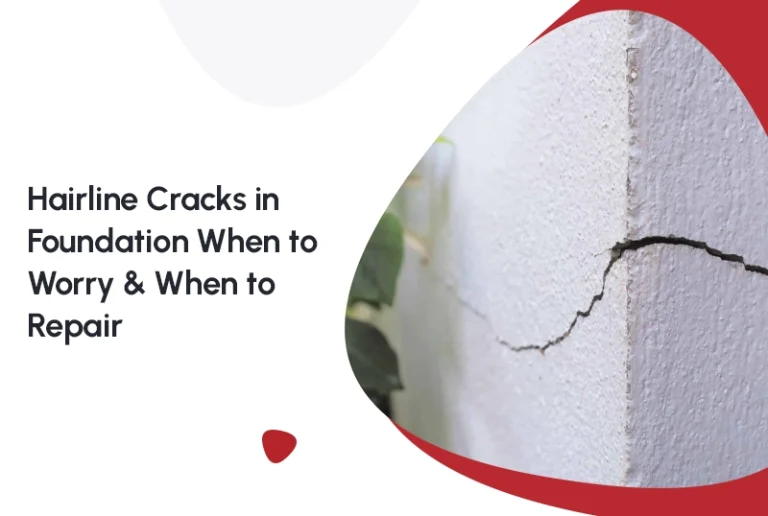
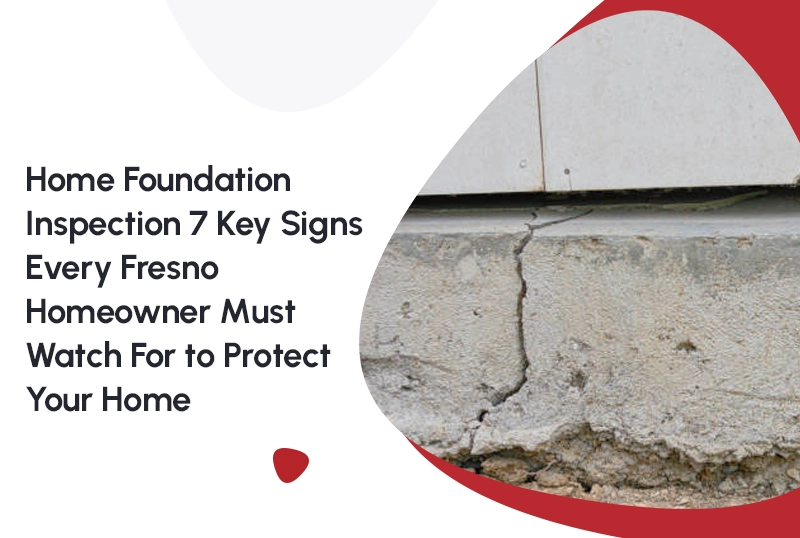
Cracks represent the most common and obvious indicator that home foundation inspection becomes necessary. Not all cracks signal serious problems, but certain characteristics demand professional evaluation. Horizontal cracks in foundation walls, diagonal cracks wider at one end, stair-step cracks in brick or block walls, cracks exceeding 1/4 inch width, and cracks that appear to be widening over time all suggest foundation movement requiring expert assessment through comprehensive home foundation inspection.
Doors and Windows Sticking
When foundations settle unevenly, door and window frames shift out of square, causing operational problems. Doors that suddenly stick or won’t latch properly, windows difficult to open or close, gaps appearing around door or window frames, and doors that swing open or closed on their own all indicate potential foundation issues. If multiple doors or windows throughout your home exhibit these symptoms, schedule a home foundation inspection immediately to determine whether foundation movement causes the problems.
Uneven or Sloping Floors
Walking through your home and feeling floors slope or noticing marbles rolling consistently to one area suggests foundation settlement. Visible dips or humps in flooring, bouncing or creaking floors in areas previously solid, and gaps between floors and baseboards all warrant professional home foundation inspection. According to the U.S. Department of Housing and Urban Development, floor slopes exceeding 1/2 inch over 20 feet indicate significant settlement demanding expert evaluation.
Gaps Around Doors, Windows, or Walls
Foundation movement creates visible separation where different building components meet. Watch for gaps between walls and ceilings, walls separating from door or window frames, exterior trim pulling away from walls, and spaces appearing between walls and floors. These gaps indicate your home’s structure is shifting a clear signal that home foundation inspection should occur promptly.
Exterior Foundation Cracks
Don’t neglect inspecting your foundation’s exterior. Horizontal cracks in exterior foundation walls prove particularly concerning as they often indicate dangerous lateral soil pressure. Vertical cracks wider than 1/4 inch, cracks allowing water infiltration, and foundation walls showing visible bowing or leaning all demand immediate professional home foundation inspection. For Fresno properties, foundation repair Fresno specialists can evaluate whether exterior damage requires immediate intervention or can be monitored.
Water Infiltration or Dampness
Water in crawl spaces or basements, damp spots on foundation walls, musty odors indicating moisture problems, and visible mold or mildew growth on foundation surfaces all suggest both immediate moisture issues and potential underlying foundation problems. Water infiltration often results from foundation cracks or settlement affecting drainage patterns. Professional home foundation inspection identifies both moisture sources and any structural damage water may have caused.
Chimney Leaning or Separating
Chimneys built on separate foundations often show settlement before main house foundations exhibit obvious symptoms. A chimney leaning away from the house, gaps between chimney and exterior walls, or visible chimney cracks all warrant comprehensive home foundation inspection evaluating both chimney and main foundation condition.
Before Buying or Selling a Home
Real estate transactions represent critical times for home foundation inspection. Buyers should always request thorough foundation evaluation before purchasing discovering problems during inspection provides negotiating leverage and prevents purchasing homes with hidden structural issues. Sellers benefit from pre-listing home foundation inspection by identifying and addressing problems proactively, avoiding deal-killing surprises during buyer inspections, and demonstrating home condition transparency that builds buyer confidence.
After Natural Disasters
Fresno’s seismic activity makes post-earthquake home foundation inspection essential. Even moderate earthquakes can damage foundations without creating immediately obvious symptoms. Similarly, floods, severe storms, or other natural events stressing foundations warrant professional evaluation ensuring structural integrity remains intact.
Age of Home
Homes over 20 years old should receive regular home foundation inspection as preventive maintenance. Foundations experience cumulative stress over decades, with settlement and deterioration often progressing gradually. Catching problems early through routine inspection costs far less than emergency repairs after failures occur.
The Home Foundation Inspection Process
Understanding what professional home foundation inspection involves helps homeowners know what to expect and recognize quality service delivery.
The process begins with initial consultation where inspectors discuss your concerns, review home history including previous foundation work, gather information about symptoms you’ve observed, and explain the inspection scope and methodology. This conversation helps inspectors focus on specific problem areas while conducting comprehensive overall evaluation.
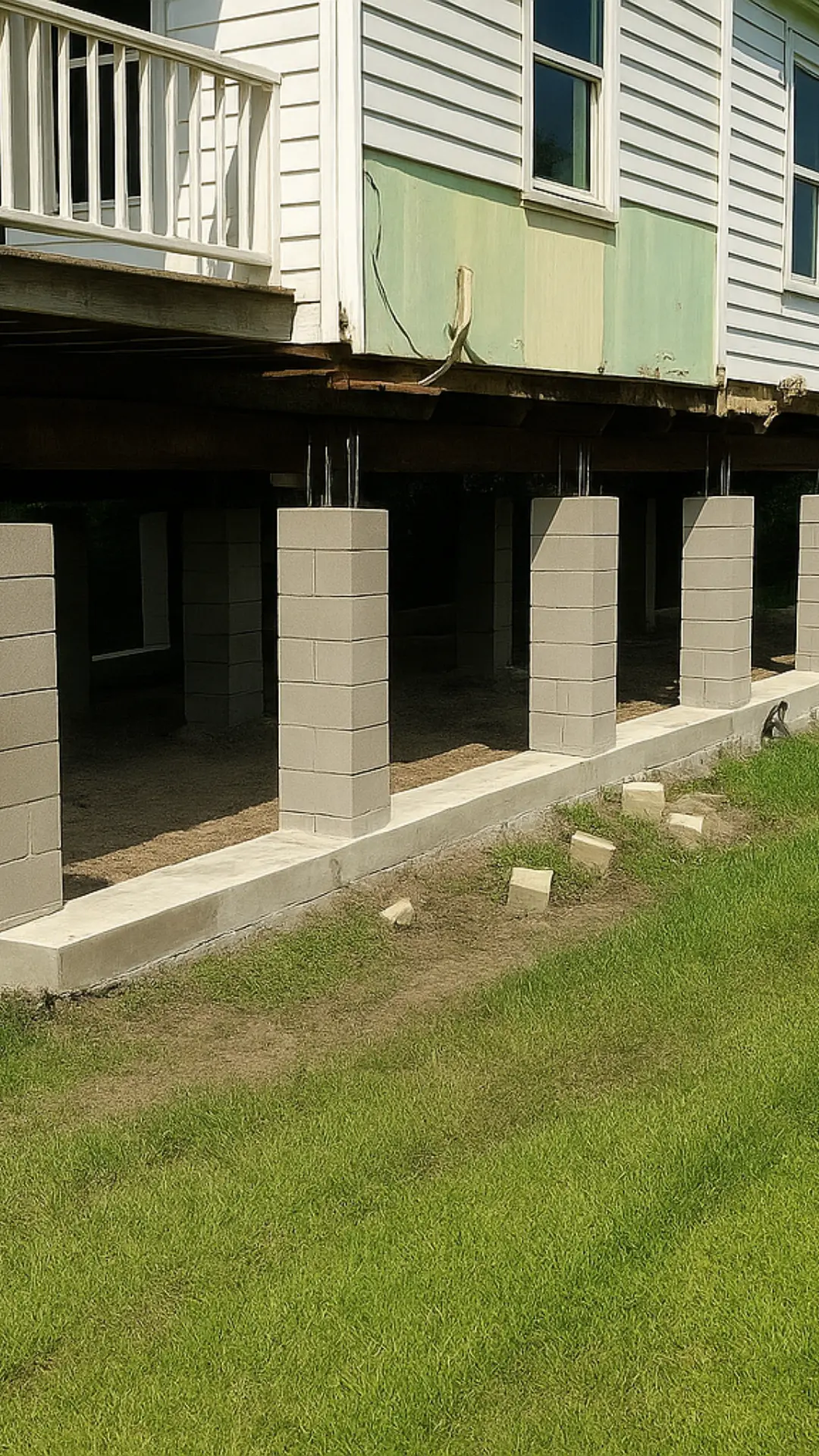
Interior inspection involves examining basement or crawl space areas when accessible, checking for cracks in walls, floors, and ceilings, evaluating door and window operation and frame condition, and assessing floor levelness and structural soundness. For homes with pier and beam foundations, specialized pier and beam foundation repair Fresno expertise ensures proper evaluation of beam condition, pier stability, and support distribution.
Structural measurements using precision instruments provide objective data about foundation condition. Inspectors employ laser levels to measure floor slopes and settlement patterns, crack gauges to document crack widths accurately, and moisture meters to detect hidden water problems. These measurements establish baselines for monitoring future changes and quantify problem severity for repair planning.
Elevation surveys map your home’s foundation height at multiple points, creating detailed profiles showing settlement patterns. This critical home foundation inspection component identifies differential settlement—where foundation sections sink at different rates that causes most structural damage. Survey data helps determine whether problems actively progress or have stabilized.
Detailed reporting documents all findings with photographs, measurements, and professional assessment. Quality home foundation inspection reports include clear problem descriptions, severity ratings, recommended solutions with priority levels, and estimated repair costs. This documentation guides your decision-making and provides valuable records for future reference.
What Inspectors Look for During Home Foundation Inspection
Professional home foundation inspection examines numerous factors affecting structural stability and safety. Foundation cracks receive careful evaluation with inspectors distinguishing between minor cosmetic cracks and those indicating serious structural issues. Settlement and differential movement get analyzed through elevation surveys and structural measurements. Drainage issues often contribute to foundation problems, and soil conditions affecting foundation performance get evaluated through visual assessment and sometimes testing.
Types of Foundation Problems Detected
Comprehensive home foundation inspection identifies various foundation issues common in Fresno homes. Settlement and sinking occurs when foundations gradually descend into supporting soil. Heaving represents the opposite of settlement foundation sections rising due to soil expansion. Lateral movement involves foundations shifting horizontally, typically from soil pressure against foundation walls.
For properties with pier and beam foundations, pier problems including deteriorated wood piers, settled concrete piers, inadequate pier spacing, and rotted support beams demand specialized evaluation. For homes needing slab work alongside foundation repairs, house leveling service Fresno can address both concerns comprehensively.
Cost of Home Foundation Inspection in Fresno
Understanding home foundation inspection costs helps homeowners budget appropriately for this essential service. Average cost ranges vary based on inspection scope and property characteristics. Basic visual home foundation inspection typically costs $300-$500, comprehensive inspection with elevation survey runs $500-$800, and specialized inspections involving soil testing or extensive reports may reach $800-$1,200. These fees prove minimal compared to repair costs that early detection prevents.
Return on investment for professional home foundation inspection proves substantial. According to the American Society of Home Inspectors, early problem detection through inspection typically saves 75-90% of costs that major foundation failures require. A $500 inspection preventing $30,000 in emergency repairs represents outstanding investment return.
Choosing a Qualified Inspector
Selecting the right professional for your home foundation inspection ensures accurate assessment and reliable recommendations. Look for credentials including structural engineering licenses or foundation specialist certification, membership in professional organizations, specific foundation inspection training and education, and liability insurance and bonding.
After the Inspection: Next Steps
Once your home foundation inspection completes, taking appropriate action on findings protects your investment and ensures safety. Understanding the report requires careful review of all findings, severity ratings, and recommendations. Prioritizing repairs based on inspection findings helps manage costs when multiple issues exist. Getting repair estimates from qualified foundation contractors provides cost information for budgeting and planning.
Preventing Future Foundation Problems
Proactive maintenance following your home foundation inspection helps prevent future problems and extends foundation life. Regular inspection schedules should include annual DIY visual inspections checking for new cracks or changes, professional home foundation inspection every 3-5 years as preventive maintenance, and immediate professional evaluation if concerning symptoms develop.
Conclusion: Protect Your Investment with Professional Home Foundation Inspection
Your home represents your largest financial investment and your family’s shelter protecting it through regular home foundation inspection makes both financial and safety sense. For Fresno homeowners facing challenging soil conditions and seismic activity, foundation vigilance proves especially critical. The relatively small cost of professional inspection pales compared to repair expenses that neglected problems ultimately demand.
Whether you’ve noticed concerning symptoms, are buying or selling property, or simply want peace of mind about your home’s structural integrity, scheduling comprehensive home foundation inspection with qualified specialists provides the information you need for informed decisions. Early detection through regular inspection catches problems while still manageable and affordable, prevents minor issues from escalating into structural emergencies, and protects both your property value and your family’s safety.
Don’t wait for obvious foundation failure to seek professional evaluation. Contact experienced foundation inspection specialists who understand Fresno’s unique challenges and can provide thorough assessment with detailed recommendations. Your home deserves the protection that only professional home foundation inspection provides schedule your inspection today and ensure your foundation continues supporting your home safely for years to come.
FAQs (Frequently Asked Questions)
What happens during a foundation inspection?
During a foundation inspection, a professional evaluates the foundation’s overall condition by checking for visible cracks, settlement, or unevenness. They will inspect interior and exterior walls for cracks, doors and windows for misalignment, and floors for unevenness. The inspector may also use tools like a laser level or measuring tape to assess the foundation’s stability and movement. The goal is to identify any early signs of foundation problems that might need repair.
How much does it cost to test foundation?
The cost to test a foundation typically ranges from $300 to $800. This price may vary based on the size of the home, the complexity of the inspection, and the region. Additional tests, such as soil testing or a more detailed evaluation, could increase the cost.
How do you check the foundation of a house?
Checking a house’s foundation involves inspecting for visible signs of damage like cracks in walls, floors, or the foundation itself. Inspectors also check for sloping or uneven floors, misaligned doors and windows, and gaps between walls and ceilings. For a more thorough check, they may use tools such as a laser level to measure any shifts or settlement in the foundation.
What are the first signs of foundation issues?
The first signs of foundation issues often include cracks in walls or floors, particularly around doors and windows, uneven or sloping floors, and doors or windows that are hard to open or close. You may also notice gaps between the floor and wall or ceiling, indicating the foundation may be settling or shifting. These issues should be addressed early to prevent further structural damage.
How do you test the foundation of a house?
Testing a foundation typically starts with a visual inspection for cracks, gaps, and signs of movement. Professionals may use a level or laser tools to measure shifts in the foundation. In some cases, soil tests or a geotechnical survey may be conducted to determine if the soil is causing the foundation to shift or settle. These methods help evaluate the foundation’s stability.
What is the biggest red flag in a home inspection?
The biggest red flag in a home inspection is usually significant foundation problems, such as large cracks in the foundation or walls, visible shifting or settlement, or uneven floors. These issues can lead to expensive repairs and potentially compromise the home’s structural integrity. Other red flags might include extensive water damage, plumbing issues, or roof problems.
How much does it cost to level a foundation?
The cost to level a foundation typically ranges from $1,000 to $7,000. The price depends on factors like the severity of the issue, the size of the home, and the method used. Simple methods like slabjacking tend to be on the lower end, while more complex techniques like pier and beam leveling or helical piers can cost more. Additional factors, such as the need for extra stabilization or the accessibility of the foundation, can also influence the total cost. It’s important to get a professional inspection to determine the exact price for your specific situation.s.