The humidity level in house directly impacts health, comfort, and structural integrity in ways most homeowners don’t fully appreciate. Maintaining proper indoor humidity prevents respiratory problems, protects against mold growth, and safeguards expensive home repairs while creating comfortable living environments. Yet many property owners overlook this critical aspect of indoor air quality until problems emerge.
Understanding optimal humidity level in house ranges, recognizing signs of imbalance, and implementing effective control strategies empowers homeowners to create healthier indoor environments while protecting structural investments. This comprehensive guide explores everything you need to know about managing humidity in your home, from ideal ranges and health effects to practical solutions and seasonal considerations.
Understanding the Ideal Humidity Level in House
The optimal humidity level in house typically ranges between 30% and 50% relative humidity, according to the Environmental Protection Agency. This range balances human comfort with structural protection, preventing both the problems associated with excessive moisture and those created by overly dry air. The ideal humidity level in house varies slightly with seasons winter months may see comfortable levels around 30-40%, while summer months tolerate 40-50% without issues.
Maintaining proper humidity level in house creates tangible benefits. Properly humidified air feels warmer at lower temperatures, potentially reducing heating costs. It prevents static electricity buildup, protects wood furniture and floors from cracking, and keeps respiratory passages moist and comfortable. Conversely, when humidity exceeds 50%, mold and mildew thrive, dust mites proliferate, and condensation damages building materials. Below 30%, respiratory irritation increases, wood shrinks causing gaps, and static electricity becomes problematic.
Health Effects of Improper Humidity Levels
The humidity level in house profoundly affects occupant health through multiple mechanisms:
Problems from High Humidity
When humidity level in house exceeds 50%, mold spores proliferate rapidly. The Centers for Disease Control and Prevention links mold exposure to respiratory symptoms including coughing, wheezing, throat irritation, and asthma exacerbation. High humidity also supports dust mite populations—microscopic creatures whose waste triggers allergic reactions and asthma attacks. Additionally, excessive moisture creates conditions for bacterial growth, potentially spreading illness among household members. The oppressive feeling of high humidity reduces sleep quality and overall comfort, impacting daily well-being.
Problems from Low Humidity
Conversely, when humidity level in house drops below 30%, different health problems emerge. Dry air desiccates mucous membranes in nose and throat, impairing natural defenses against airborne pathogens and increasing cold and flu susceptibility. Skin becomes dry, itchy, and cracked. Eyes feel irritated and scratchy, particularly problematic for contact lens wearers. Low humidity also worsens symptoms for people with respiratory conditions like asthma or chronic obstructive pulmonary disease. Understanding these health impacts motivates proper humidity management protecting family wellness.
How Humidity Affects Your Home’s Structure
Beyond health concerns, improper humidity level in house threatens structural integrity and necessitates expensive repairs:
Foundation and Crawl Space Moisture
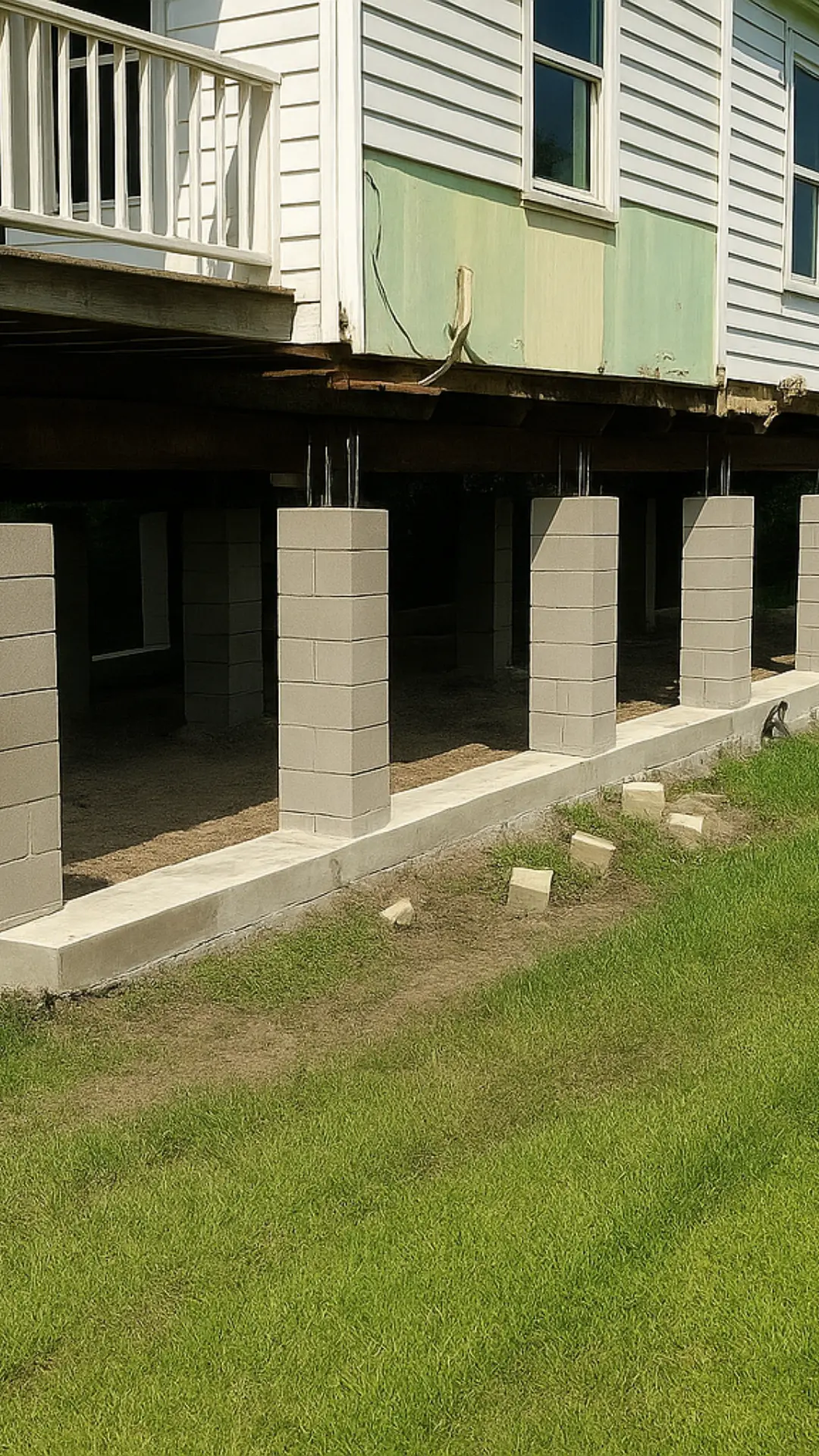
Excessive humidity level in house often originates from foundation and crawl space moisture issues. High humidity migrates upward from damp crawl spaces, creating whole-house humidity problems. This moisture can compromise structural wood, accelerate foundation deterioration, and support mold colonies affecting air quality throughout homes. Properties experiencing persistent high humidity should consider professional evaluation—Tomball residents can access expert foundation repair Tomball services addressing moisture sources protecting structures.
Wood Damage and Rot
Improper humidity level in house causes significant wood damage. High moisture levels promote wood rot—fungal decay destroying structural integrity. Floor joists, wall studs, and roof rafters all suffer when exposed to sustained high humidity. According to the U.S. Department of Energy, wood moisture content above 20% creates conditions for decay fungi threatening structural components. Conversely, extremely low humidity causes wood to shrink, creating gaps in hardwood floors, warping door frames, and loosening furniture joints. Homes with pier and beam foundations prove particularly vulnerable to crawl space humidity affecting floor systems—professional pier and beam foundation repair Tomball contractors address these moisture-related structural concerns.

Mold Growth and Material Deterioration
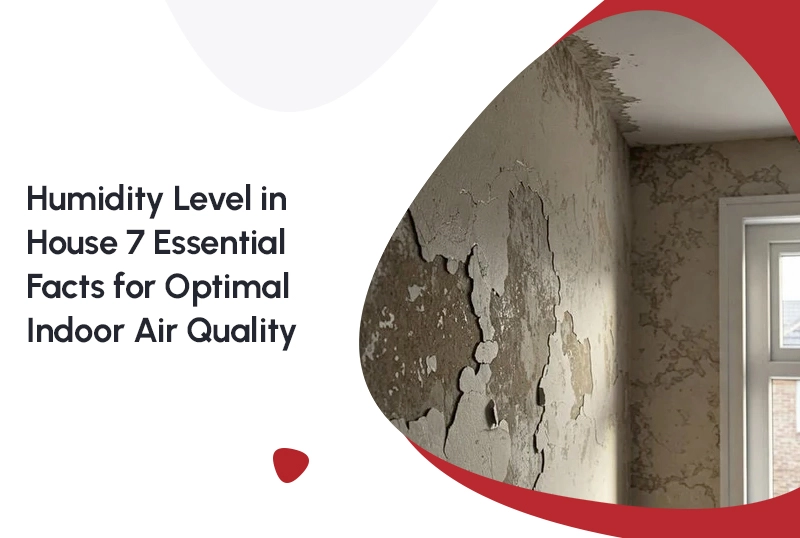
When humidity level in house remains above 60% for extended periods, mold colonizes virtually any surface. Drywall, insulation, carpeting, and fabrics all support mold growth under these conditions. Beyond health concerns, mold causes staining, odors, and material breakdown requiring expensive remediation. Paint peels from walls and ceilings when moisture accumulates beneath surfaces. Wallpaper loosens and bubbles. Metal fixtures corrode faster. These problems compound over time, making prompt humidity control essential for protecting home investments.
Measuring Humidity Level in House Accurately
Controlling humidity level in house begins with accurate measurement. Hygrometers—instruments measuring relative humidity—range from inexpensive analog models to sophisticated digital versions with data logging capabilities.
Types of Humidity Measurement Tools
Digital hygrometers provide most accurate readings, typically within ±2-3% accuracy. Many display both temperature and humidity, helping homeowners understand the relationship between these factors. Some models include memory functions tracking humidity trends over time.
Analog hygrometers cost less but require periodic calibration maintaining accuracy. These mechanical devices prove reliable once properly calibrated, though readings may lag behind rapid humidity changes.
Smart home systems increasingly incorporate humidity monitoring as standard features. These connected devices provide continuous monitoring with smartphone alerts when humidity level in house exceeds preset thresholds, enabling proactive management.
Where and When to Measure
Measure humidity level in house in multiple locations since levels vary by room. Bathrooms and kitchens typically show higher readings due to water use. Bedrooms, living areas, and basements each may show different levels. Take readings at consistent times—morning, midday, and evening—to understand daily patterns. Properties experiencing foundation settlement or uneven floors may have varying humidity levels indicating moisture problems requiring professional evaluation—house leveling service Tomball providers can assess whether structural issues contribute to humidity imbalances.
Factors That Affect Indoor Humidity
Multiple factors influence humidity level in house, some controllable and others requiring adaptation:
Weather and climate – Outdoor humidity directly affects indoor levels, especially in homes without climate control. Humid summer weather drives indoor humidity higher while dry winter air reduces it. Geographic location significantly impacts baseline humidity level in house challenges—coastal areas battle high humidity while desert climates struggle with dryness.
HVAC systems – Air conditioning naturally dehumidifies by condensing moisture from air. Heating systems often dry air excessively. Modern HVAC equipment with variable-speed fans and humidity controls provides better management than older systems.
Daily activities – Cooking, showering, laundry, and even breathing add moisture to indoor air. A family of four generates several gallons of water vapor daily through normal activities, significantly impacting humidity level in house.
Building envelope – Home tightness affects humidity control. Well-sealed, energy-efficient homes retain moisture requiring active dehumidification. Leaky older homes may experience excessive air exchange complicating humidity management.
Foundation and crawl space conditions – Ground moisture migrating through foundations or from damp crawl spaces substantially increases indoor humidity. Proper vapor barriers, drainage, and ventilation in these areas prove critical for controlling whole-house humidity levels.
Solutions for Controlling Humidity Level in House
Managing humidity level in house requires systematic approaches addressing both excessive moisture and overly dry conditions:
Mechanical Dehumidification and Humidification
Dehumidifiers remove excess moisture, particularly valuable in humid climates or during summer months. Portable units serve individual rooms while whole-house systems integrate with HVAC equipment controlling humidity throughout homes. Modern Energy Star-certified dehumidifiers operate efficiently, some removing 50-70 pints daily while consuming minimal electricity. Size dehumidifiers appropriately—undersized units run constantly without achieving desired humidity level in house, while oversized models cycle inefficiently.
Humidifiers add moisture when air becomes too dry, common during heating seasons. Options include portable cool-mist units, warm-mist vaporizers, and whole-house systems integrated with furnaces. Each type offers advantages—cool-mist models prove safer around children, while warm-mist units may feel more comfortable during cold weather. Maintain humidifiers meticulously preventing bacterial growth and mineral deposits that could affect air quality.
Ventilation Strategies
Proper ventilation dramatically impacts humidity level in house. Bathroom exhaust fans should run during showers and for 20-30 minutes afterward, removing moisture before it disperses throughout homes. Kitchen range hoods vented outdoors eliminate cooking moisture and odors. Whole-house ventilation systems exchange stale indoor air with fresh outdoor air while recovering heat energy, maintaining optimal humidity without energy waste. Never vent dryers indoors—this adds enormous moisture loads challenging humidity control.
HVAC Maintenance and Upgrades
Well-maintained HVAC systems control humidity more effectively. Replace filters regularly ensuring proper airflow. Clean evaporator coils maintain efficient moisture removal during cooling. Consider upgrading to variable-speed systems providing superior humidity control compared to single-speed equipment. Programmable thermostats with humidity controls maintain desired humidity level in house automatically adjusting system operation as needed.
Moisture Barriers and Foundation Solutions
Address ground moisture through proper barriers and drainage. Crawl space vapor barriers prevent moisture migration from soil. Foundation waterproofing systems including exterior drainage, sump pumps, and dehumidification equipment control moisture at its source. Proper grading directing water away from foundations prevents infiltration. These foundation-focused solutions often prove essential for achieving proper humidity level in house, particularly in homes with persistent moisture problems despite mechanical dehumidification efforts.
Seasonal Humidity Management Strategies
Optimal humidity level in house maintenance requires adapting strategies seasonally:
Summer Humidity Control
Summer challenges involve managing excessive moisture. Run air conditioning consistently rather than cycling on and off—steady operation provides better dehumidification. Use bathroom and kitchen exhaust fans religiously. Consider supplemental dehumidification in particularly humid climates or for basements where air conditioning may not reach effectively. Monitor humidity level in house daily, adjusting strategies as outdoor conditions change.
Winter Humidity Maintenance
Winter brings opposite challenges—air becomes too dry from heating. Introduce moisture through portable or whole-house humidifiers. Avoid over-humidifying—excessive winter humidity causes condensation on cold windows leading to water damage and mold. Target humidity level in house around 30-40% during cold weather, lower than summer targets but sufficient for comfort without condensation risks.
Spring and Fall Transitions
Transitional seasons present mixed challenges. Spring often brings high outdoor humidity requiring dehumidification, while fall conditions vary by location. Monitor closely during these periods, ready to activate either humidification or dehumidification as needed. These seasons offer opportunities to assess home performance identifying persistent humidity problems requiring professional attention.
Conclusion: Maintaining Optimal Indoor Air Quality
Proper humidity level in house proves essential for health, comfort, and structural protection. Maintaining the recommended 30-50% relative humidity range prevents respiratory problems, mold growth, and expensive structural damage while creating pleasant living environments. Understanding factors affecting indoor humidity—from weather and daily activities to HVAC systems and foundation conditions—empowers homeowners to implement effective control strategies.
Managing humidity level in house requires combining accurate measurement, appropriate mechanical systems, proper ventilation, and addressing moisture sources like foundation and crawl space problems. Seasonal adaptation ensures year-round comfort without excessive energy consumption or structural risks. The investment in humidity control equipment and proper maintenance delivers substantial returns through improved health, enhanced comfort, reduced energy costs, and protected home value.
Don’t ignore persistent humidity problems—they signal underlying issues threatening both health and structural integrity. If you’ve implemented standard humidity controls without achieving desired humidity level in house, consider professional evaluation of foundation, crawl space, and drainage conditions. Addressing root causes rather than merely treating symptoms ensures lasting comfort and protection. Your home’s indoor air quality deserves the same attention as any other critical building system—proper humidity level in house management provides benefits you’ll appreciate every day while safeguarding your property investment for decades.
FAQs (Frequently Asked Questions)
1. What is a good indoor humidity level?
A good indoor humidity level is generally between 30% and 50%. This range creates a comfortable and healthy living environment while protecting your home from moisture-related issues.
Humidity below 30% can cause dry skin, irritated sinuses, static electricity, and cracking wood. Humidity above 50% increases the risk of mold growth, musty odors, condensation on windows, and structural moisture damage.
Seasonally, humidity may shift slightly—higher in summer and lower in winter—but maintaining it within the recommended range keeps your indoor air safer and more balanced.
2. Is 70% humidity in a house high?
Yes, 70% humidity is too high for any home. At this level, moisture builds up quickly, creating the perfect conditions for mold, mildew, and dust mites.
Signs of dangerously high humidity include:
- Condensation on windows
- Musty smells
- Sticky or damp-feeling air
- Warped wood or bubbling paint
- Mold spots on walls, ceilings, or furniture
Prolonged exposure to 70% humidity can also damage your foundation, encourage wood rot, and negatively affect indoor air quality. Reducing humidity immediately is essential for your health and your home’s structural safety.
3. Can mold grow at 50% humidity?
Mold can grow at 50% humidity, but the risk is moderate. Mold typically thrives when humidity levels stay above 60%, especially when combined with poor ventilation or existing moisture problems.
However, if humidity fluctuates or if there are hidden damp areas (like crawl spaces, basements, bathrooms, or near leaking pipes), mold can still grow even at 50%.
To reduce the risk:
- Keep indoor humidity around 40–45%
- Use exhaust fans in bathrooms and kitchens
- Fix leaks and improve ventilation
Maintaining good airflow is just as important as maintaining humidity levels.
4. What is the healthiest humidity level for a home?
The healthiest humidity range for most homes is 40% to 50%. This level supports healthy breathing, reduces allergens, and keeps the indoor climate comfortable year-round.
Benefits of maintaining this range:
- Reduces mold growth and dust mites
- Minimizes respiratory irritation
- Prevents dryness in skin, nose, and throat
- Protects wood floors, trim, and furniture
- Improves sleep quality
Going above 50% raises mold risks, and going below 30% often leads to dry air issues—so the 40–50% range offers the best overall balance.
5. Will mold grow at 55% humidity?
Yes, mold can grow at 55% humidity, especially if humidity stays consistently at that level or higher. Research shows that mold becomes increasingly active between 55% and 65%, making this range a danger zone for your home.
The risk becomes extreme when:
- There’s poor ventilation
- Moisture is trapped (crawl spaces, basements)
- There are leaks or plumbing issues
- Your home sits on clay soil that holds water
If your humidity levels are regularly above 55%, a dehumidifier or ventilation improvement is recommended.
6. What humidity is best for sleeping?
For most people, the ideal humidity for sleeping is 40% to 50%.
At this level:
- Your airway stays moist, helping you breathe better
- You avoid waking up with a dry throat or stuffy nose
- The room feels cooler and more comfortable
- You reduce nighttime mold, dust mite, and allergen buildup
Higher humidity can make your room feel muggy, disrupt sleep, and worsen allergies. Very low humidity, especially in winter, can dry out your skin and nasal passages. Keeping your bedroom between 40–50% supports long, restful sleep.
7. What is a bad indoor humidity level?
Humidity becomes “bad” for your home when it falls outside the 30–50% safe range.
Too High: Over 60%
- Encourages mold, mildew, and pests
- Causes wood rot, warped floors, and peeling paint
- Leads to musty odors and poor air quality
- Can damage foundations and crawl spaces
- Aggravates allergies and asthma
Too Low: Below 30%
- Causes dryness in skin, throat, and eyes
- Increases static electricity
- Makes wood furniture and flooring crack
- Can worsen sinus issues
Consistently staying outside the safe range means your home needs improved ventilation, moisture control, or dehumidification.