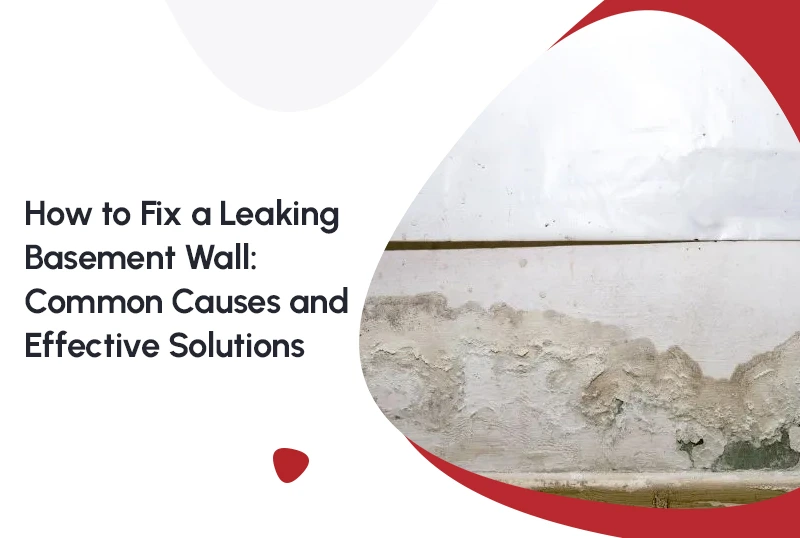
A leaking basement wall is more than just an inconvenience. It can be a sign of underlying issues with your foundation, creating potential safety hazards and causing significant damage over time. Whether you’re dealing with minor water seepage or more severe flooding, it’s important to understand the causes of leaking basement walls and explore the most effective solutions. In this guide, we’ll walk you through everything you need to know about fixing a leaking basement wall, from understanding the common causes to finding the best ways to prevent it from happening again.
What Causes a Leaking Basement Wall?
Before diving into how to fix a leaking basement wall, it’s crucial to understand the factors that lead to water infiltration. A leaking basement wall can be caused by a variety of issues, ranging from poor drainage to foundational problems. By pinpointing the cause, you’ll be able to apply the most effective solution.
1. Poor Drainage Around the Foundation
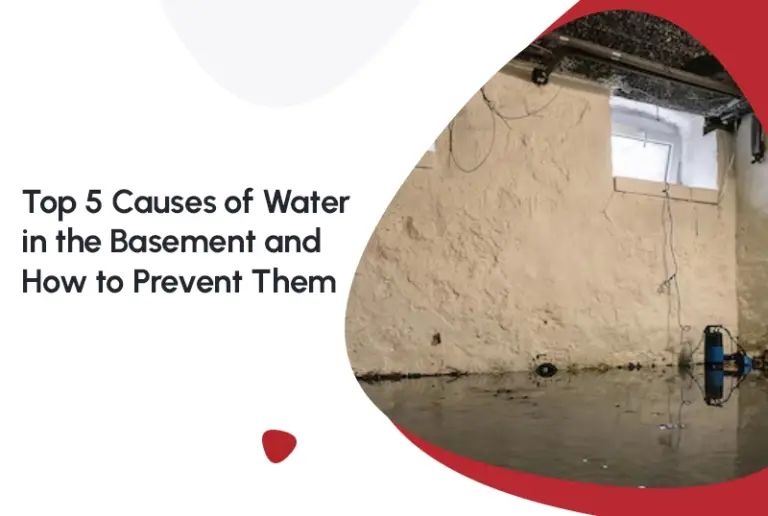
Improper drainage is one of the leading causes of a leaking basement wall. Water from rainfall or melting snow accumulates around the foundation if the landscape doesn’t allow it to flow away properly. This can happen if your gutters are clogged, or your downspouts aren’t directing water far enough from the foundation.
Over time, the soil around your foundation can become saturated, leading to water seeping through small cracks in the walls. This constant moisture can weaken your foundation and cause long-term damage if not addressed.
2. Cracks in the Foundation Walls
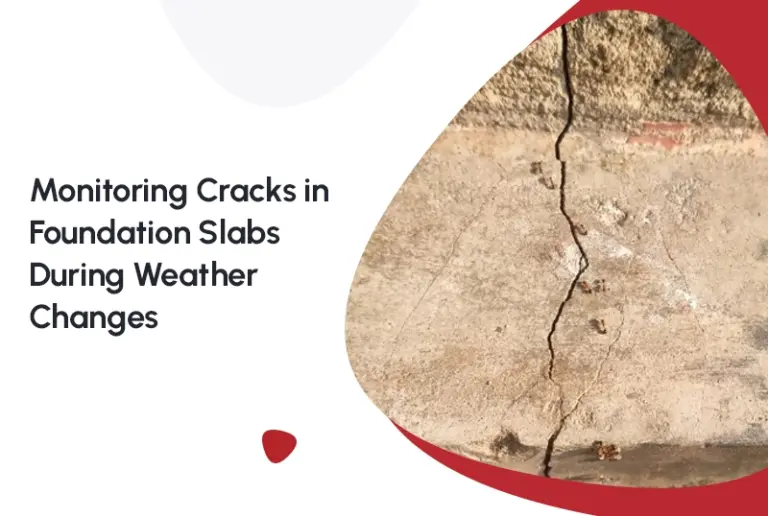
Foundation cracks are another common cause of basement leaks. These cracks can occur due to a variety of factors, such as settling, poor construction, or the natural expansion and contraction of the ground beneath your home. When cracks form in the foundation walls, water can find its way in, especially during heavy rainfall or periods of high humidity.
Small cracks might seem insignificant, but over time they can grow larger, allowing more water to seep in. If left untreated, this can lead to serious structural issues.
3. Hydrostatic Pressure
Hydrostatic pressure is the force exerted by water against the foundation walls. When the soil around your foundation becomes saturated, it creates pressure that pushes against the walls, forcing water through cracks and weak points. This pressure is often the primary cause of basement leaks during periods of heavy rain or snowmelt.
4. Faulty or Inadequate Waterproofing
If your basement wasn’t properly waterproofed during construction, you may experience leaks more easily. Old waterproofing membranes or sealants can degrade over time, leading to water infiltration. Many homes built before modern waterproofing techniques were developed are particularly susceptible to this issue.
The Role of Foundation Repair in Fixing a Leaking Basement Wall
If your leaking basement walls are caused by cracks in the foundation, then foundation repair is necessary to prevent future issues. Foundation repairs can involve sealing the cracks, stabilizing the foundation, and preventing further movement. Professional foundation repair services like foundation repair Rosenberg can help determine the best course of action to address your leaking basement wall.
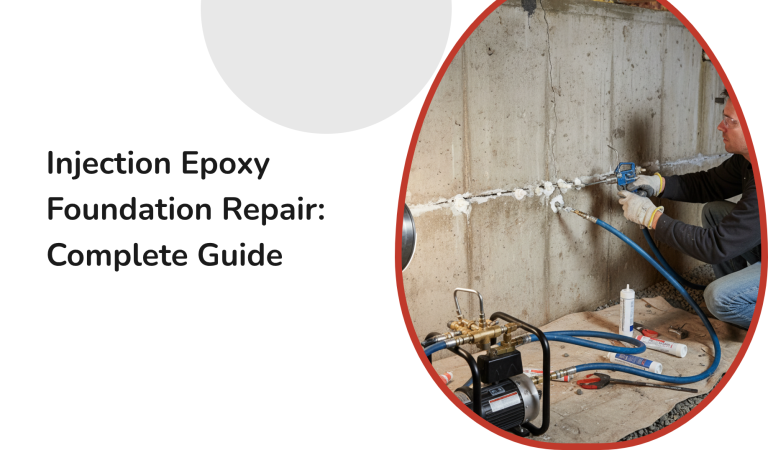
The process for repairing cracks in the foundation can vary depending on the severity of the damage. For minor cracks, professionals may use epoxy or polyurethane injections to seal them. For larger, more complex cracks or foundation issues, more extensive methods like house leveling or installing piers may be necessary.
How to Fix a Leaking Basement Wall: Solutions and Preventative Measures
Once you understand the causes of a leaking basement wall, it’s time to explore effective solutions. These solutions address both the symptoms (water in the basement) and the root causes (foundation and drainage issues).
1. Improve Drainage Around the Foundation
One of the most effective ways to prevent basement leaks is to improve the drainage around your home. Ensure that your gutters and downspouts are free of debris and are directing water away from the foundation. Downspouts should extend at least five feet from the foundation to prevent water from pooling near the walls.
Additionally, consider installing a french drain around your foundation to direct water away from the base of your home. French drains work by collecting excess water from the surrounding soil and channeling it into a drainage system that leads away from the property.
2. Sealing Foundation Cracks
For smaller cracks, the best solution is to seal them before they become bigger problems. Epoxy or polyurethane injections can be used to fill in the cracks, forming a waterproof barrier that prevents water from entering the basement. These methods can be effective for sealing cracks in the walls and floor, especially when combined with other waterproofing measures.
If the cracks are larger or you suspect that foundation movement is contributing to the leaks, professional foundation repair may be necessary. For more severe foundation issues, including those caused by settling or shifting, house leveling Rosenberg may be required to restore the foundation to its original position.
3. Waterproofing the Basement Walls
Waterproofing is an essential step in preventing future leaks. Applying a waterproof coating to your basement walls can help keep moisture out. These coatings create a barrier that repels water and prevents it from seeping into the foundation. Waterproofing systems can be applied both internally and externally.
While internal waterproofing helps control minor seepage, external waterproofing is often more effective at preventing water from reaching the foundation in the first place. Professional contractors can advise on whether internal or external waterproofing is the right solution for your home.
4. Installing a Sump Pump
A sump pump is an essential tool for homes with basements that are prone to flooding. A sump pump is installed in a sump pit in the lowest part of the basement, and it works by pumping water away from the basement to a safe location. If your basement walls are leaking due to hydrostatic pressure, a sump pump can help alleviate the pressure and keep the water from accumulating in your basement.
The Importance of House Leveling and Pier and Beam Foundation Repair
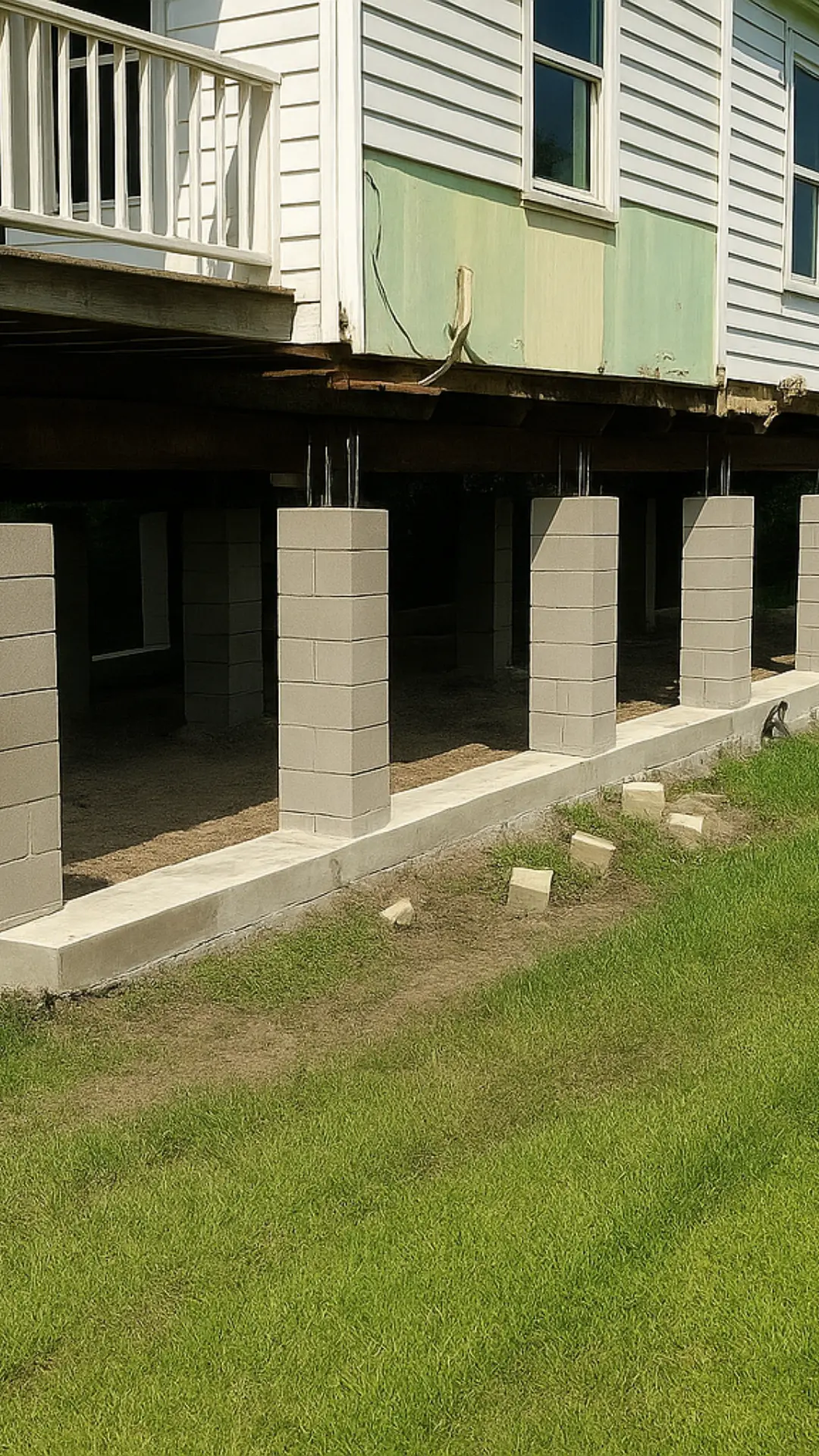
When dealing with a leaking basement wall, house leveling and pier and beam foundation repair may become necessary, especially if your home has experienced significant foundation settling. A sinking or shifting foundation can create gaps and cracks in your walls, making them more susceptible to leaks.
House leveling involves lifting your home to restore the foundation’s original level. This is especially important for homes that have settled unevenly, which can cause structural issues and leaking basement walls. Pier and beam foundation repair, on the other hand, is used for homes built on this type of foundation, which relies on piers and beams for support. Over time, the piers can settle or shift, leading to foundation movement and water infiltration.
By addressing these issues early on, you can prevent further damage to your foundation and keep your basement dry.
DIY vs. Professional Help for Fixing a Leaking Basement Wall
DIY Solutions for Minor Leaks
If you’re dealing with a small amount of water seepage or minor cracks in your basement walls, some DIY solutions may be effective. For instance, applying a waterproofing membrane or using crack fillers may help temporarily seal up minor leaks. However, these solutions are often short-term fixes and may not address the underlying cause of the problem, such as poor drainage or a shifting foundation.
When to Call a Professional
For more serious issues, including large cracks, shifting foundations, or persistent leaks, it’s best to call a professional. Professionals have the experience and tools to identify the root cause of the problem and provide long-lasting solutions. They can also offer more advanced solutions, such as house leveling and pier and beam foundation repair Rosenberg, to stabilize your foundation and stop water from infiltrating your basement.
Preventing and Fixing Leaking Basement Walls
A leaking basement wall can cause significant issues for homeowners, from water damage to compromised structural integrity. By addressing the root causes of the leaks and taking proactive measures, you can prevent further damage and keep your basement dry.
Here’s a summary of what you can do to fix and prevent a leaking basement wall:
- Improve drainage around your foundation to prevent water buildup.
- Seal cracks in your foundation walls using epoxy or polyurethane injections.
- Waterproof your basement walls to add an extra layer of protection against water infiltration.
- Install a sump pump to control water levels and reduce hydrostatic pressure.
- Consider house leveling and pier and beam foundation repair if foundation settling is contributing to the leaks.
Taking these steps will not only fix the immediate issue of a leaking basement wall but also help prevent future leaks and protect your home’s foundation from further damage.
Conclusion
Dealing with a leaking basement wall can feel overwhelming, but with the right knowledge and tools, it is a manageable problem. Whether you’re tackling small cracks with DIY solutions or dealing with more significant foundation issues, taking action early is key to protecting your home from water damage. From improving drainage to investing in professional foundation repair and house leveling, there are effective ways to prevent and address a leaking basement wall. By addressing the problem at its source, you can ensure your home remains safe, dry, and structurally sound for years to come.
FAQs
1. Can a leaky basement be fixed from the inside?
Yes, a leaky basement can often be fixed from the inside, and this is usually the most practical and cost-effective method. Interior waterproofing involves applying solutions that stop water from entering the basement, such as:
- Epoxy injections for sealing cracks
- Polyurethane foam for filling gaps and leaks
- Sump pump installation to collect and remove water
- Interior drainage systems like French drains to guide water toward the sump pump
However, interior solutions are more effective for non-structural cracks or water coming through walls. If water is coming from the outside or due to poor grading or hydrostatic pressure, additional exterior waterproofing might be necessary.
2. Does homeowners insurance cover leaking basement walls?
Homeowners insurance typically does not cover leaks caused by poor maintenance or gradual damage, such as water seepage through basement walls due to cracks or high humidity. However, coverage may apply if the leak is caused by a covered peril, like:
- Burst pipes
- Flooding (if you have a flood insurance policy)
- Sudden, accidental water damage from sources like rain or snowmelt
To determine whether your specific case is covered, it’s best to consult your insurance policy or speak with an agent.
3. How much does it cost to waterproof a basement?
The cost of waterproofing a basement varies depending on the size of the area, the repair methods used, and the severity of the problem. On average:
- Minor repairs (e.g., crack sealing or simple moisture control) can cost $500–$2,500.
- Interior drainage systems (sump pump installation and French drains) generally range from $2,000 to $6,000.
- Exterior waterproofing can cost anywhere from $5,000 to $12,000 or more, as it involves excavation, sealing walls, and possibly adding a drainage system.
Costs can increase if additional work is needed, such as mold remediation or extensive foundation repairs.
4. Who should you call if water is leaking into the basement?
If water is leaking into your basement, you should start by calling a foundation repair specialist or waterproofing contractor. They will inspect the source of the leak, evaluate whether it’s due to poor drainage, foundation cracks, or external issues, and recommend the appropriate solution. If the leak is due to plumbing issues, you may need to call a plumber.
- Foundation repair contractors will assess structural issues and suggest long-term waterproofing solutions.
- Plumbers can fix leaks from burst pipes or plumbing-related sources.
5. What are the signs of poor basement drainage?
Signs of poor basement drainage include:
- Water pooling around the foundation or on the basement floor after heavy rain or snowmelt
- Moisture or mold on the walls, floors, or corners
- Cracks in the foundation or walls, particularly if they’re damp
- Gutter overflow or downspouts directing water toward the foundation
- Damp, musty smells in the basement
- Visible cracks or peeling paint on the basement walls
Poor drainage can lead to water infiltration and long-term foundation problems, so addressing it early is crucial.
6. Is it common for basements to leak?
Yes, basement leaks are quite common, especially in homes with older foundations or those in areas with high water tables or heavy rainfall. Factors that contribute to basement leaks include:
- Settling foundations or cracks in concrete
- Poor drainage systems around the foundation
- High groundwater levels or hydrostatic pressure from water build-up around the foundation
- Clogged or broken gutters or downspouts
Regular maintenance, proper grading, and addressing cracks promptly can help prevent basement leaks.
7. How do you fix a leaking basement wall without tearing everything apart?
To fix a leaking basement wall without major demolition, the following solutions can be applied:
- Epoxy or polyurethane injection: These methods seal cracks in the walls, preventing water from entering the basement.
- Interior drainage system: Install a French drain along the perimeter of the basement to channel water into a sump pump. This keeps water from collecting on the walls.
- Sump pump installation: To pump out any water that enters the basement, even after repairs.
- Seal exterior cracks: If possible, apply waterproofing coatings or sealants to the exterior foundation walls.
These methods allow for effective repairs without major disruption to your living space.