Foundation piers form the structural backbone of countless residential and commercial buildings, yet their effectiveness depends entirely on properly designed and constructed pier footings. These critical foundation elements distribute structural loads from piers to underlying soil, preventing settlement, structural damage, and foundation failure. A well-designed pier footing ensures load transfer occurs safely and uniformly, protecting structural integrity for decades. Whether constructing new foundations or repairing existing systems, understanding pier footing fundamentals from soil bearing capacity calculations to concrete placement techniques proves essential for contractors, engineers, and property owners. This comprehensive guide examines everything you need to know about pier footings, including design principles, installation methods, common problems, and maintenance requirements ensuring long-term foundation performance.
Understanding Pier Footings: What They Are and Why They Matter
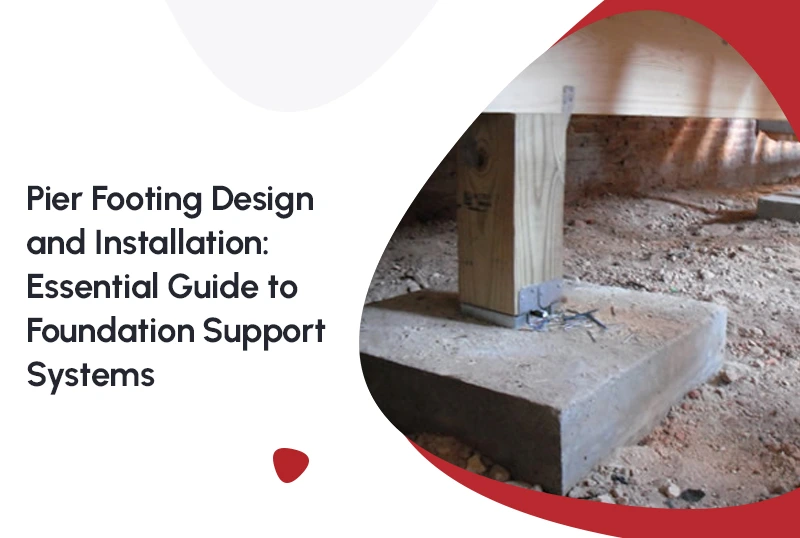
A pier footing constitutes an enlarged concrete base installed beneath foundation piers, spreading concentrated loads over greater soil areas. This distribution prevents excessive soil pressure that would otherwise cause settlement or bearing capacity failure. The pier footing transforms narrow pier columns into wide bearing surfaces, dramatically reducing stress on underlying soil.
The Critical Role of Load Distribution
According to the U.S. Geological Survey, soil bearing capacity varies dramatically based on composition, moisture content, and compaction. A properly sized pier footing accounts for these soil characteristics, ensuring bearing stress remains within safe limits. Without adequate footings, pier loads concentrate on small soil areas, exceeding bearing capacity and causing progressive settlement damaging structures above. The footing’s expanded surface area divides load by sufficient factors maintaining soil stress within allowable limits.
Structures Utilizing Pier Footings
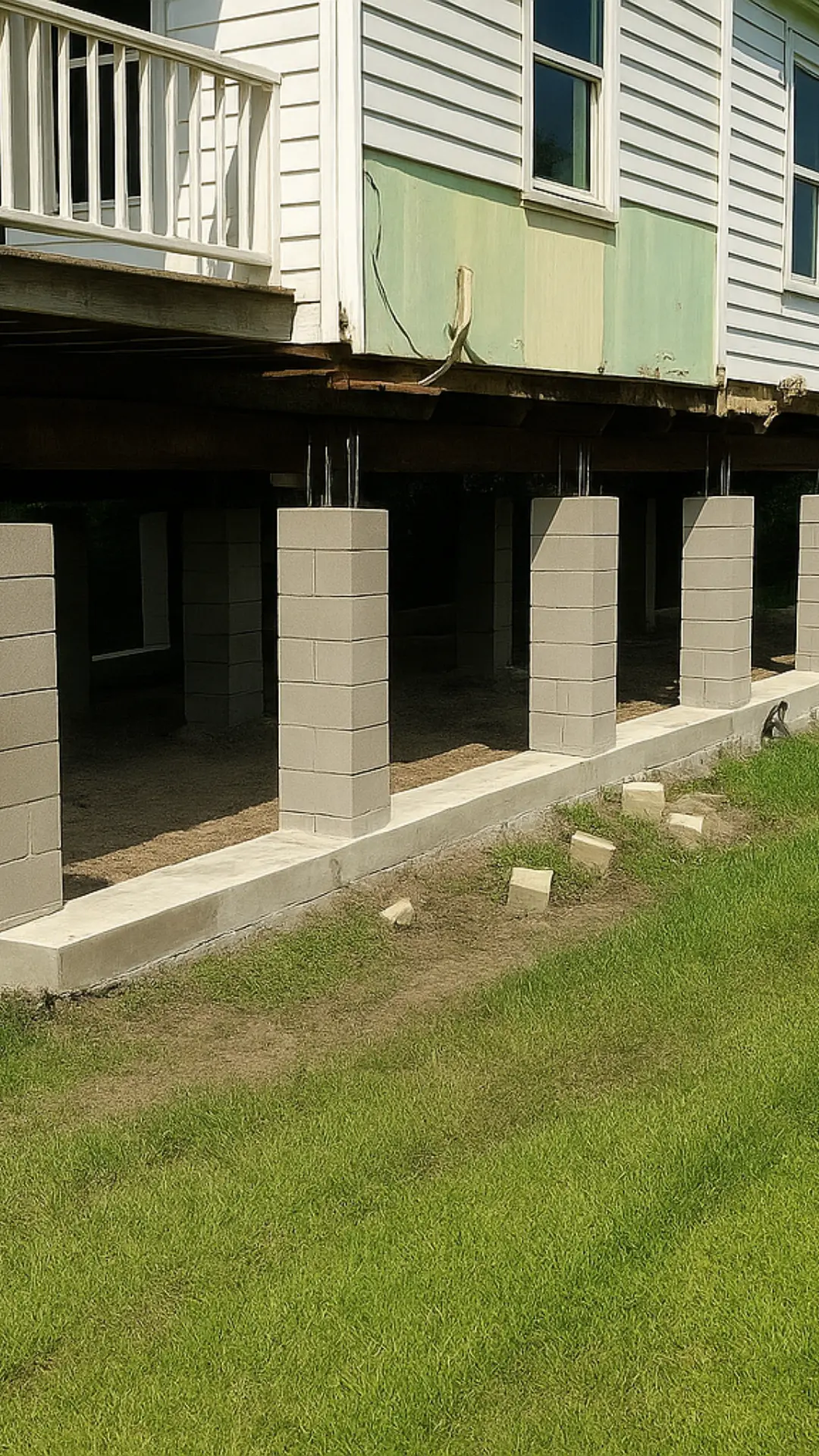
Pier and beam foundations extensively employ pier footings supporting individual piers at regular intervals beneath structures. This foundation type proves especially common in areas with expansive soils where continuous foundations experience problematic movement. Elevated homes, beachfront properties, and buildings on sloping sites also utilize pier systems with proper footings. Understanding pier and beam foundation systems helps property owners appreciate footing importance for comprehensive information, read our detailed article on Pier and Beam Foundation Repair.
Types of Pier Footings and Their Applications
Different pier footing designs suit various soil conditions, load requirements, and construction constraints:
Spread Footings
Spread footings represent the most common pier footing type, featuring rectangular or square concrete pads wider than pier columns they support. These simple, economical footings work well in soils with adequate bearing capacity, distributing loads uniformly across enlarged bearing areas. Typical spread footing dimensions range from 24×24 inches for light loads to 48×48 inches or larger for heavy structural loads. Thickness usually measures 12-18 inches, providing adequate mass resisting soil pressure while accommodating reinforcement steel.
Bell-Bottom Footings
Bell-bottom or belled pier footings feature cylindrical shafts expanding into cone-shaped bases, creating large bearing areas at depth without extensive excavation. Specialized equipment drills narrow shafts to required depths, then enlarges bottom portions forming bell shapes. This design proves ideal for situations requiring deep footings in stable soils, maximizing bearing capacity while minimizing concrete volume. The bell shape also provides uplift resistance in expansive soil conditions.
Drilled Shaft Footings
Drilled shaft pier footings (also called drilled piers or caissons) involve excavating deep cylindrical holes, installing reinforcement cages, and filling with concrete. These massive footings handle extremely heavy loads or extend through poor surface soils reaching competent bearing strata at depth. Drilled shafts commonly range from 18-48 inches in diameter and extend 10-50+ feet deep depending on soil conditions and load requirements. Property owners in Richmond experiencing foundation settlement may benefit from professional foundation repair Richmond services including advanced footing solutions.
Helical Pier Footings
Helical piers incorporate-shaped bearing plates serving as integrated footings, mechanically screwing into soil to required depths. The American Concrete Institute recognizes helical systems as effective foundation solutions where traditional pier footings prove impractical. These systems excel in tight access situations, unstable soils, or projects requiring rapid installation without excavation or concrete curing delays. Multiple helical plates along pier shafts provide distributed bearing capacity eliminating separate footings.
Design Considerations for Pier Footings
Proper pier footing design requires analyzing multiple engineering factors ensuring adequate performance:
Soil Bearing Capacity Analysis
Determining allowable soil bearing capacity represents the fundamental step in pier footing design. Geotechnical engineers conduct soil testing measuring strength parameters, moisture content, and composition. Test results establish safe bearing pressures preventing excessive settlement. Common soil types exhibit vastly different capacities—rock may support 12,000+ pounds per square foot while soft clay tolerates only 1,000-2,000 PSF. The pier footing must provide sufficient area maintaining bearing stress below these limits with appropriate safety factors.
Load Calculations and Distribution
Structural engineers calculate total loads each pier must support, including dead loads (structural weight), live loads (occupancy and snow), and any special loads. These calculations determine required pier footing areas through simple formulas: Footing Area = Total Load ÷ Allowable Soil Bearing Pressure. Safety factors typically increase calculated areas by 50-100%, accounting for uncertainties and providing performance margins. Properties with existing foundation concerns can benefit from professional evaluation, understanding common foundation problems helps property owners recognize when expert assessment becomes necessary.
For more information, read our article on Concrete Foundation Crack Repair.
Footing Size and Depth Requirements
Beyond area calculations, pier footing depth proves critical for performance. Footings must extend below frost depth preventing heave from freezing soil (typically 12-48 inches depending on climate). They should also reach stable soil layers avoiding placement on fill or organic materials. Minimum depths generally range from 18-36 inches for residential applications, with greater depths required in cold climates or poor surface soils. Footing thickness must accommodate reinforcement with adequate concrete cover preventing corrosion while providing sufficient mass resisting soil pressures.
Reinforcement Design
Steel reinforcement within pier footings resists bending stresses from pier loads and soil reactions. Typical reinforcement includes rebar grids with bars spaced 12-18 inches apart both directions. Bar sizes range from #4 to #6 (1/2 to 3/4 inch diameter) depending on footing dimensions and loads. Reinforcement positioning proves critical bars must maintain 3-inch minimum concrete cover from soil contact preventing corrosion while achieving adequate development length for stress transfer.
Construction and Installation Process
Professional pier footing installation follows systematic procedures ensuring quality and compliance:
Excavation and Preparation
Contractors excavate pier footing locations to required depths, maintaining level bottoms and vertical sides. Excavation dimensions exceed footing sizes allowing form installation and inspection access. Loose soil receives compaction before concrete placement ensuring uniform bearing conditions. In wet conditions, contractors install drainage systems or pump water maintaining dry excavations during construction. Soil conditions at footing depth require verification matching design assumptions unexpected poor soils necessitate design revisions or deeper excavations reaching adequate bearing strata.
Forming and Reinforcement Installation
Formwork defines pier footing dimensions while containing fresh concrete during placement. Forms may consist of wood, steel, or remain-in-place fiber tubes depending on footing type. Contractors install reinforcement cages or grids within forms, supporting bars on plastic chairs maintaining proper positioning during concrete placement. The International Building Code specifies minimum reinforcement requirements and concrete cover ensuring structural adequacy and durability. Properties requiring foundation leveling often need properly designed footings supporting adjustment systems professional house leveling service Richmond providers understand proper footing integration with leveling systems.
Concrete Placement and Finishing
Concrete placement for pier footings requires careful execution preventing segregation or honeycombing. Contractors place concrete continuously, avoiding cold joints that compromise strength. Vibration consolidates concrete around reinforcement eliminating voids. For deep footings, placement proceeds in lifts preventing excessive pressure on forms. Top surfaces receive finishing creating level bearing planes for piers. Anchor bolts or dowels embed in fresh concrete providing connections to pier columns installed later.
Curing and Quality Control
Proper curing ensures pier footing concrete achieves design strength. Contractors maintain adequate moisture for minimum seven days through water spraying, wet coverings, or curing compounds. Temperature control prevents freezing or excessive heat during curing periods. Inspection verifies proper dimensions, reinforcement placement, and concrete quality before backfilling. Load testing may verify bearing capacity for critical applications, confirming design assumptions.
Common Pier Footing Problems and Solutions
Understanding typical pier footing problems helps property owners recognize issues requiring professional intervention:
Settlement and Differential Movement
Inadequately sized pier footings may settle excessively under structural loads, creating uneven floors and structural stress. Settlement occurs when bearing stress exceeds soil capacity or poor drainage saturates bearing soils reducing strength. Solutions include installing additional piers with larger footings distributing loads more effectively, or underpinning existing footings extending them to deeper, more competent bearing strata. Early intervention prevents progressive damage understanding when foundation settlement requires professional repair helps property owners act appropriately.
For more information, read our article on Foundation Crack Filler.
Inadequate Bearing Capacity
Footings placed on unsuitable soils including fill, organic materials, or highly compressible clays—experience bearing capacity failures regardless of size. The pier footing punches into weak soil creating sudden settlement. Remediation requires excavating beneath footings, removing unsuitable soil, and replacing with engineered fill or extending footings to adequate bearing soils through deeper excavation or drilled shaft techniques.
Poor Concrete Quality
Deteriorated pier footings result from improper concrete mix, inadequate curing, or exposure to aggressive soils. Cracking, spalling, or disintegration compromises load transfer and structural integrity. Repair options include removing damaged concrete, installing new reinforcement, and placing concrete or epoxy grouts. Severe deterioration may necessitate complete footing replacement.
Moisture and Drainage Problems
Poor drainage around pier footings causes soil saturation, reducing bearing capacity and potentially causing settlement. Water infiltration also accelerates concrete deterioration through freeze-thaw cycling or chemical attack. Solutions include installing French drains, improving surface grading, and applying waterproofing treatments protecting footing concrete from moisture exposure.
Maintenance and Inspection of Pier Footings
Regular monitoring ensures pier footings continue performing adequately:
Annual inspections
Property owners should examine exposed portions of pier and footing systems annually, looking for cracks, displacement, or deterioration. Crawl spaces provide access for visual assessment noting any changes from previous inspections.
Settlement monitoring
Track any floor level changes, door/window operation problems, or wall cracks potentially indicating pier footing settlement. Measuring floor elevations establishes baselines for detecting future movement.
Drainage maintenance
Ensure gutters, downspouts, and grading direct water away from foundations protecting footing bearing soils from saturation. Clean drainage systems seasonally prevent water accumulation.
Professional evaluation
Consult structural engineers or foundation specialists when observing settlement indicators, structural cracks, or drainage problems potentially affecting footing performance. Early professional assessment prevents minor issues from escalating into major structural problems.
Building Code Requirements and Best Practices
Complying with building codes ensures pier footings meet minimum safety standards:
Local code compliance
Building codes specify minimum pier footing dimensions, depth requirements, and reinforcement based on local soil conditions and climate. Permits require engineered plans demonstrating code compliance.
Engineering requirements
Most jurisdictions mandate professional engineering for footings supporting significant loads or in challenging soil conditions. Licensed engineers seal plans certifying designs meet code requirements and provide adequate safety factors.
Quality standards
Codes specify concrete strength requirements (typically 2,500-3,000 PSI minimum), reinforcement grades, and inspection procedures ensuring construction quality. Following these standards produces durable footings performing reliably for structures’ design lives.
Conclusion: The Foundation of Foundation Performance
Pier footings represent critical yet often overlooked foundation components directly determining structural stability and longevity. Properly designed and constructed pier footings distribute loads safely to bearing soil, preventing settlement and structural damage while providing stable support for decades. Understanding footing fundamentals from soil bearing capacity principles to concrete placement techniques enables informed decisions when constructing new foundations or evaluating existing systems.
Whether building new structures or addressing foundation problems in existing properties, investing in quality pier footing design and construction pays dividends through enhanced performance, reduced maintenance, and eliminated costly repairs. The relatively modest additional expense of properly engineered footings proves insignificant compared to potential costs from foundation failures requiring extensive remediation.
Don’t compromise on foundation support quality. Consult qualified structural engineers and foundation contractors who understand proper pier footing design, ensuring your project benefits from professional expertise and proven construction practices. Your structure’s stability literally rests on these foundational elements invest in engineering and quality control ensuring they perform reliably protecting your property and occupants for generations.
FAQs (Frequently Asked Questions)
1. What is a pier footing?
A pier footing is a type of foundation used to support structures by distributing the load over a larger area of soil. It consists of vertical concrete piers placed in the ground, which are connected to the structure through beams. This type of footing is commonly used when the soil conditions are not ideal for traditional shallow footings, such as in expansive or weak soil. Pier footings provide stability by reaching deeper, more solid ground, preventing shifting or settling. They’re ideal for large buildings, ensuring that the weight is transferred evenly to prevent foundation issues.
2. How deep do pier footings need to be?
The depth of pier footings depends on the load-bearing capacity of the soil and the structure’s requirements. Generally, pier footings should be placed below the frost line, typically ranging from 4 to 12 feet deep, depending on local climate and soil conditions. Deeper footings may be required in areas with expansive soils, which tend to shift with changes in moisture. The depth of the footing also ensures that it is stable and can resist the forces exerted by the structure over time. For large, heavy buildings, pier footings need to be deeper for added stability.
3. What is the difference between a pad footing and a pier?
A pad footing is a type of foundation where a concrete slab or base is poured to distribute the load of a structure across a larger surface area. This is often used for buildings where the soil can support the load directly beneath. In contrast, a pier is a vertical support column, often embedded deep into the ground, that transfers the load from the structure down to the soil. Pad footings are typically used in areas with stable soil, while piers are often necessary for foundations in soils that are less stable or subject to shifting.
4. Do pier footings require rebar?
Yes, pier footings generally require rebar for reinforcement. Rebar, or reinforcing steel bars, helps strengthen the concrete, ensuring that the pier can withstand the applied loads and stresses. It increases the structural integrity of the pier, reducing the risk of cracking or breaking over time. The amount and size of rebar depend on the size of the pier, the load it needs to bear, and local building codes. Rebar placement is crucial for the durability of the footing, making it resistant to the tension forces that could cause failure without reinforcement.
5. How deep should a pier footing be?
The depth of a pier footing is determined by the soil type, the load the pier must bear, and local building codes. Generally, piers should extend deep enough to reach stable, load-bearing soil, which could be anywhere from 4 to 12 feet. The depth varies based on factors such as moisture levels, frost depth, and the weight of the structure. Piers may need to be deeper in areas where the soil is unstable or prone to shifting. The goal is to ensure that the pier is anchored in a solid, stable layer of soil to avoid settlement or movement over time.
6. What is the purpose of a pad footing?
A pad footing serves to distribute the weight of a structure over a larger surface area of soil. It’s typically used for lighter buildings or smaller structures where the soil conditions are stable enough to support the load. The goal is to prevent uneven settling or shifting of the foundation, ensuring long-term stability. Pad footings are often used for single-story homes or small commercial buildings. In larger buildings or where soil conditions are unstable, piers may be required to provide additional support and distribute the load more effectively. Pad footings are often the first step in foundation construction.
7. How to build a concrete pier foundation?
To build a concrete pier foundation, first, you need to excavate the soil to the required depth, ensuring you reach stable soil. Then, pour a concrete base for the pier, reinforcing it with rebar to ensure durability and stability. After the concrete sets, vertical concrete piers are placed atop the footing. These piers are usually made from reinforced concrete, steel, or masonry, depending on the required load-bearing capacity. Beams or slabs are then connected to these piers to provide support for the structure. This method is particularly useful for heavy buildings, ensuring that the load is distributed evenly across the foundation.