Foundation repair technology has evolved dramatically over the past two decades, with polyurethane foundation repair emerging as one of the most innovative and effective solutions available. This advanced technique uses high-density polyurethane foam to lift, level, and stabilize foundations with remarkable precision and minimal disruption. Unlike traditional methods that require heavy equipment, extensive excavation, and days of curing time, polyurethane foundation repair offers same-day results with superior long-term performance. Understanding how this modern technique works and why it’s revolutionizing the industry helps property owners make informed decisions about protecting their most valuable investment.
What Is Polyurethane Foundation Repair?
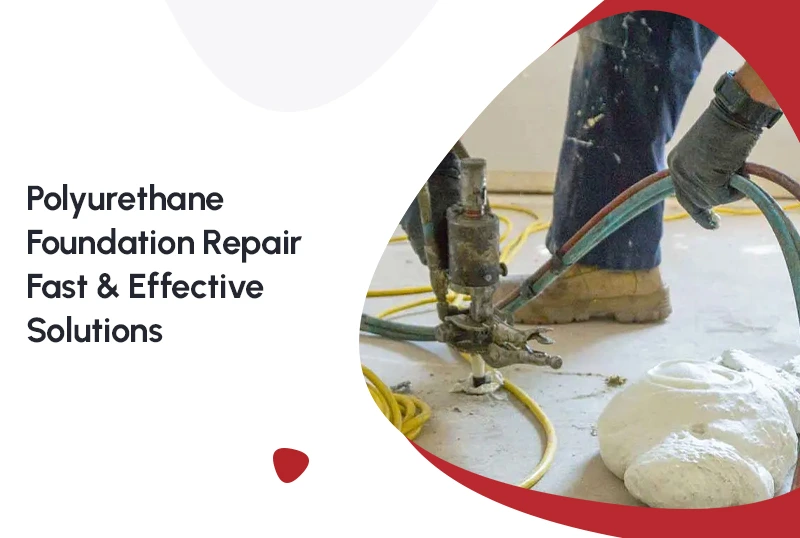
Polyurethane foundation repair is a cutting-edge technique that injects expanding polyurethane foam beneath concrete slabs and foundations to fill voids, stabilize soil, and precisely lift settled structures. The process involves drilling small, penny-sized holes through the concrete and injecting a two-part polyurethane compound that expands to 20-30 times its liquid volume within minutes.
According to the U.S. Army Corps of Engineers, polyurethane foam injection technology has been extensively tested for soil stabilization and foundation support applications. The chemical reaction between polyol and isocyanate creates a rigid, closed-cell foam structure that achieves compressive strengths exceeding 100 psi more than adequate for residential and commercial foundation support.
The beauty of this method lies in its rapid cure time. Within 15 minutes of injection, the foam reaches 90% of its final strength, allowing immediate use of repaired areas. This stands in stark contrast to traditional concrete-based methods requiring 24-48 hours of curing before load-bearing use. Additionally, polyurethane foam weighs just 2-4 pounds per cubic foot compared to concrete’s 150 pounds per cubic foot, preventing additional soil compression that can worsen foundation problems.
The Science Behind Polyurethane Foundation Repair
Understanding the engineering principles behind polyurethane foundation repair reveals why this technology delivers such impressive results. The polyurethane foam used in foundation repair undergoes a controlled chemical reaction that produces predictable expansion and exceptional structural properties.
Expansion Mechanics and Control
When technicians perform foam injection repairs, they inject material in precise quantities calculated to achieve exact lifting requirements. The American Concrete Institute recognizes polyurethane injection as an approved method for slab stabilization, noting its ability to provide controlled, measurable lift with accuracy within 1/8 inch. This precision makes it ideal for sensitive applications where exact elevation is critical.
Load-Bearing Capacity
The structural foam used in this repair method achieves compressive strengths of 100-120 psi, easily supporting typical residential foundation loads of 40-60 psi. The closed-cell structure prevents moisture absorption, maintaining consistent load-bearing capacity over decades. This makes polyurethane injection a permanent solution rather than a temporary fix.
Soil Stabilization Properties
Beyond lifting settled slabs, foam injection actively stabilizes underlying soil. The expanding foam permeates voids and weak soil zones, creating a composite mass with dramatically improved bearing capacity. This soil stabilization effect prevents future settlement, addressing the root cause of foundation problems rather than just treating symptoms.
Key Advantages of Polyurethane Foundation Repair
Polyurethane foundation repair offers numerous advantages over traditional foundation repair methods, making it the preferred choice for homeowners and contractors who value efficiency, durability, and minimal disruption:
Rapid Installation and Curing
Most foam injection projects complete in 2-4 hours from start to finish. The material cures in 15 minutes, allowing immediate use of repaired areas. Property owners can schedule repairs in the morning and resume normal activities by afternoon impossible with traditional methods requiring days of curing time and restricted access.
Lightweight Material Advantage
The lightweight nature of polyurethane foam (2-4 lbs/cubic foot) means it won’t add significant weight to already compromised soil. Traditional mud jacking uses concrete slurry weighing 150 lbs/cubic foot, potentially causing additional settlement over time. This weight advantage makes foam injection particularly valuable in areas with weak or expansive soils.
Precision Lifting and Leveling
Contractors performing polyurethane foundation repair can achieve lift accuracy within 1/8 inch through controlled injection. Real-time monitoring allows technicians to stop expansion at exactly the right point, ensuring perfect leveling without over-lifting. For those in Fresno needing professional foundation repair Fresno services, this precision makes polyurethane an excellent option for exact restoration work.
Minimal Property Disruption
Unlike extensive excavation required for traditional foundation repairs, this method requires only 5/8-inch diameter injection holes. No landscaping destruction, no heavy equipment tracking across lawns, and no multi-day construction zones. The non-invasive nature of foam injection makes it ideal for occupied buildings and properties with mature landscaping.
Long-Term Durability
Polyurethane foundation repair provides lasting results with warranties typically spanning 5-10 years or more. The closed-cell foam structure resists moisture absorption, chemical degradation, and biological breakdown. Field studies show installations maintaining full effectiveness for 20+ years, making it one of the most durable foundation repair solutions available.
Applications: When to Use Polyurethane Foundation Repair
Polyurethane foundation repair excels in numerous applications where traditional methods prove inadequate or impractical:
Concrete Slab Lifting
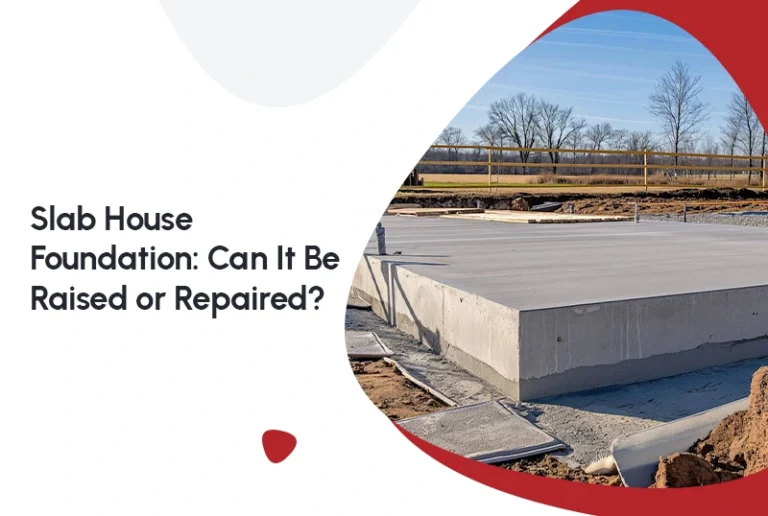
Settled concrete slabs represent the most common application for foam injection. Whether slab-on-grade foundations, garage floors, or basement slabs, polyurethane injection precisely restores level surfaces. The Portland Cement Association recognizes foam injection as an effective slab stabilization method that complements traditional concrete repair techniques.
Void Filling Beneath Foundations
Voids beneath foundations create dangerous settlement potential. Foam injection fills these voids completely, eliminating future settlement risks. The expanding foam seeks out every void space, creating comprehensive support that prevents progressive foundation failure.
Soil Stabilization Projects
Weak or unstable soil conditions benefit tremendously from polyurethane injection techniques. The foam penetrates soil voids and creates a stabilized mass with enhanced load-bearing capacity. For comprehensive foundation solutions, professional pier and beam foundation repair Fresno services can evaluate whether foam injection or structural underpinning provides the best solution for specific conditions.
Commercial and Industrial Applications
The minimal downtime associated with this repair method makes it invaluable for commercial and industrial facilities that cannot afford extended closures. Warehouses, retail stores, and manufacturing facilities benefit from same-day repairs that restore operations immediately.
The Polyurethane Foundation Repair Process
Professional polyurethane foundation repair follows a systematic approach ensuring optimal results:
Initial Assessment
Qualified contractors begin every project with thorough foundation inspection. They measure settlement patterns, identify void locations, and determine required lift amounts. Laser levels and precision instruments establish baseline measurements for verifying repair success.
Injection Port Drilling
Technicians drill strategic 5/8-inch holes through the concrete slab at calculated locations. These small access points cause minimal damage while providing precise foam injection control. The drilling pattern depends on void size, required lift, and slab dimensions.
Controlled Foam Injection
During the injection phase, specialists pump calculated quantities of two-part polyurethane through injection ports. Real-time monitoring tracks slab movement, allowing technicians to achieve exact elevation targets. For properties requiring comprehensive leveling, professional house leveling service Fresno providers utilize advanced foam injection techniques to restore proper elevation.
Quality Verification
After completing the injection process, contractors verify results through precision measurement. Laser levels confirm achieved elevations match target specifications. The injection holes receive permanent sealing, leaving minimal visible evidence of repair work.
Polyurethane Foundation Repair vs. Traditional Mud Jacking
Comparing polyurethane foundation repair to traditional mud jacking highlights why modern property owners increasingly choose polyurethane:
Weight and Soil Loading
Foam injection uses material weighing 2-4 pounds per cubic foot versus mud jacking’s 150 pounds per cubic foot. This 40-75 times weight advantage means the repair won’t cause additional soil compression that leads to renewed settlement.
Cure Time and Accessibility
Traditional mud jacking requires 24-48 hours before repaired areas can bear loads. Polyurethane cures in 15 minutes, allowing immediate use. This time advantage dramatically reduces inconvenience and project disruption.
Precision and Control
Mud jacking achieves lift accuracy within 1/2 inch at best. Foam injection delivers precision within 1/8 inch through controlled expansion and real-time monitoring. This precision makes it superior for applications requiring exact elevations.
Cost Considerations for Polyurethane Foundation Repair
Polyurethane foundation repair typically costs $3-$7 per square foot for slab lifting, with most residential projects ranging from $2,000 to $7,000 depending on severity and square footage. While initial costs may exceed traditional mud jacking by 20-30%, the superior durability, precision, and rapid completion deliver better long-term value.
Factors affecting costs include settlement severity, void size beneath slabs, required lift amount, site accessibility, and regional material and labor rates. However, compared to complete foundation replacement costing $20,000-$100,000+, foam injection represents exceptional value for addressing settlement issues.
Choosing a Qualified Polyurethane Foundation Repair Contractor
Successful polyurethane foundation repair requires specialized training, proper equipment, and quality materials. Property owners should verify contractors have:
- Manufacturer certification in polyurethane injection techniques
- Professional-grade injection equipment and monitoring tools
- Experience with similar project types and conditions
- Comprehensive insurance and licensing
- Transferable warranties on materials and workmanship
Conclusion: Embracing Modern Foundation Repair Technology
Polyurethane foundation repair represents a quantum leap forward in foundation stabilization technology. Its combination of rapid installation, precision lifting, lightweight materials, and lasting durability makes it the superior choice for addressing settled slabs and foundation issues. While traditional methods still have their place, the overwhelming advantages of foam injection explain why it’s become the preferred solution for homeowners and contractors who value quality, efficiency, and minimal disruption.
Property owners facing foundation settlement should seriously consider polyurethane foundation repair as their first option. The same-day completion, immediate usability, and proven long-term performance deliver unmatched value. When foundation problems arise, don’t settle for outdated repair methods embrace the modern efficiency and effectiveness of this innovative solution for lasting peace of mind and structural stability.d effectiveness of polyurethane foundation repair for lasting peace of mind and structural stability.
FAQs (Frequently Asked Questions)
1. How long does polyurethane foundation repair last?
Polyurethane foundation repair can last for several decades, depending on the conditions of the soil and the quality of the initial repair. Typically, polyurethane foam injections offer long-term results with minimal maintenance. However, factors like ongoing soil movement or moisture issues can affect the longevity.
2. Is polyurethane better than epoxy crack fillers?
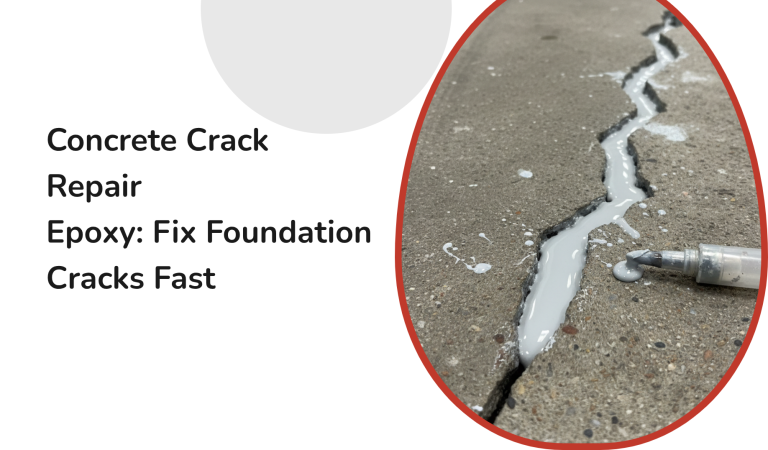
Polyurethane foam is generally more flexible and can expand to fill larger cracks, making it better for some foundation repairs. Epoxy crack fillers are more rigid and may be better for smaller, static cracks. Polyurethane is also more resistant to water and is often used for waterproofing, while epoxy is typically used for sealing cracks that do not have water infiltration.
3. How much does polyurethane foam injection concrete lifting cost?
The cost for polyurethane foam injection concrete lifting typically ranges from $500 to $1,500 per section, depending on the size of the area and the complexity of the job. Larger areas or more difficult access points may increase the price, but polyurethane foam is often more cost-effective compared to other lifting methods like mudjacking.
4. Can I put polyurethane over concrete?
Yes, polyurethane can be applied over concrete surfaces, especially to seal cracks or to provide waterproofing. It adheres well to concrete, creating a durable, flexible barrier against moisture. It’s important to ensure the concrete surface is clean and dry before application to achieve the best results.
5. What’s better, epoxy or polyurethane?
Both epoxy and polyurethane have their advantages. Epoxy is ideal for filling cracks and providing a rigid seal, while polyurethane is more flexible and ideal for waterproofing and expanding to fill larger gaps. The choice between epoxy and polyurethane depends on the specific needs of the foundation repair, such as crack size, flexibility, and moisture resistance.
6. How much does polyurethane foam jacketing cost?
Polyurethane foam jacketing can cost between $3,000 to $8,000 or more, depending on the size of the project. This method is often used to stabilize the foundation, providing long-lasting support, and it is generally more cost-effective compared to traditional methods of foundation stabilization.