Residential foundation repair is one of the most critical home maintenance services that every property owner should understand. Foundation issues can compromise your home’s structural integrity, leading to costly damage throughout your property. Early detection and professional intervention are essential for maintaining your investment. Understanding the signs, causes, and solutions helps homeowners make informed decisions about their property’s foundation health and long term stability.
Foundation problems affect millions of homes across the United States, making residential foundation repair a growing industry. These issues typically develop gradually over time, often going unnoticed until significant damage occurs. Soil conditions, weather patterns, and construction quality all influence foundation stability. Homeowners who recognize early warning signs can save thousands of dollars by addressing problems promptly rather than waiting for extensive structural damage to develop.
Common Signs That Indicate You Need Residential Foundation Repair
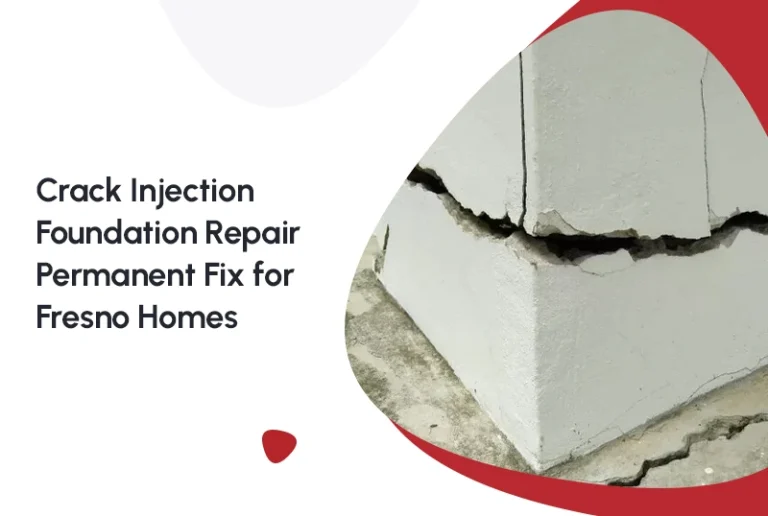
Identifying foundation problems early is crucial for effective residential foundation repair and cost management. Visible cracks in walls, especially stair-step patterns in brick or block walls, often indicate foundation settlement. Doors and windows that stick, won’t close properly, or have gaps around frames suggest structural movement. Floor issues like sagging, bouncing, or uneven surfaces also point to foundation problems requiring professional assessment and intervention.
Interior signs requiring residential foundation repair include cracks in drywall, particularly at corners and where walls meet ceilings. Basement or crawl space moisture, musty odors, and visible water damage indicate drainage issues affecting foundation stability. Gaps between walls and floors or ceilings, nail pops in drywall, and cracks in tile or hardwood flooring all suggest foundation movement that needs professional evaluation and repair.
Exterior indicators necessitating residential foundation repair include visible foundation cracks, bowing or leaning walls, and separation between foundation and house structure. Chimney tilting, porch or deck separation from the main structure, and landscape changes like soil pulling away from the foundation are serious warning signs. Water pooling around the foundation, damaged or ineffective drainage systems, and foundation wall displacement require immediate professional attention.
Understanding the Main Causes of Residential Foundation Repair Issues
Soil related factors are primary drivers behind most residential foundation repair needs across different geographic regions. Clay soils expand when wet and shrink when dry, creating significant pressure changes that affect foundation stability. Sandy soils may wash away, causing settling and support issues. Poor drainage, improper grading, and inadequate moisture control exacerbate soil-related foundation problems, making professional repair services essential for long-term stability.
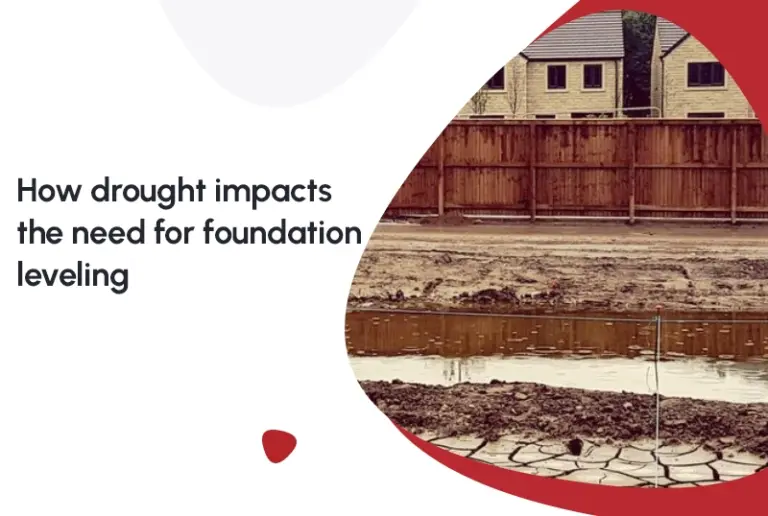
Weather conditions significantly impact the need for residential foundation repair in many regions nationwide. Extreme drought causes soil shrinkage and foundation settling, while excessive rainfall creates hydrostatic pressure and potential flooding issues. Freeze-thaw cycles in colder climates cause soil expansion and contraction, leading to foundation movement. Temperature fluctuations and seasonal moisture variations require foundations designed and maintained to withstand local climate challenges.
Construction-related factors often necessitate residential foundation repair years after initial building completion. Inadequate site preparation, poor drainage installation, and substandard materials contribute to premature foundation failure. Improper concrete mixing, insufficient reinforcement, and rushed construction timelines compromise foundation integrity. Design flaws, code violations, and inadequate engineering create long-term structural issues requiring professional intervention and comprehensive repair solutions.
Tree and vegetation proximity frequently creates conditions requiring residential foundation repair through root system interference. Large trees planted too close to foundations can cause soil moisture depletion and root damage. Root systems growing under foundations create pressure and structural displacement. Removing large trees can also cause soil moisture changes that affect foundation stability, making professional assessment crucial for property planning and maintenance.
Professional Methods Used in Residential Foundation Repair Services
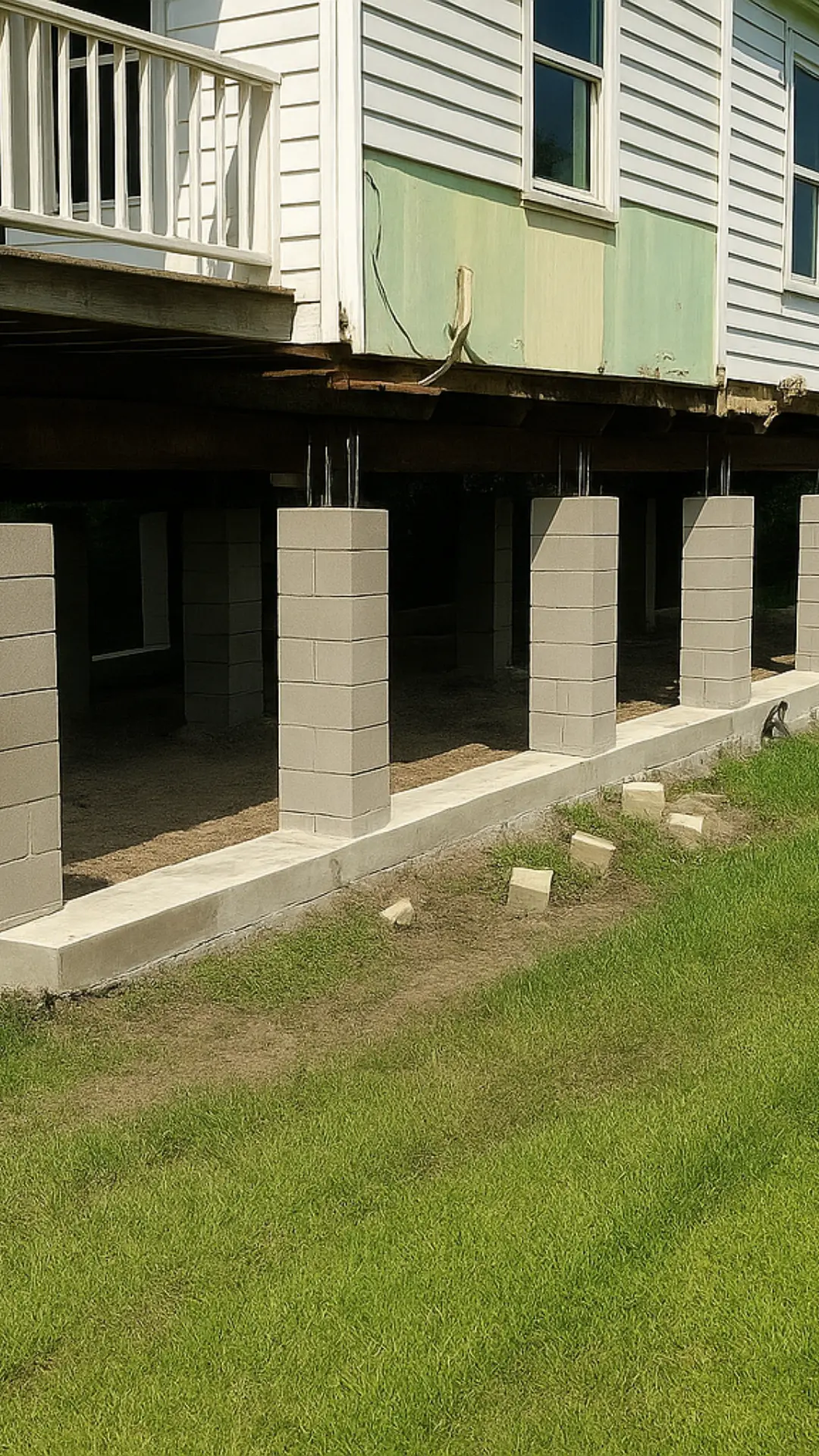
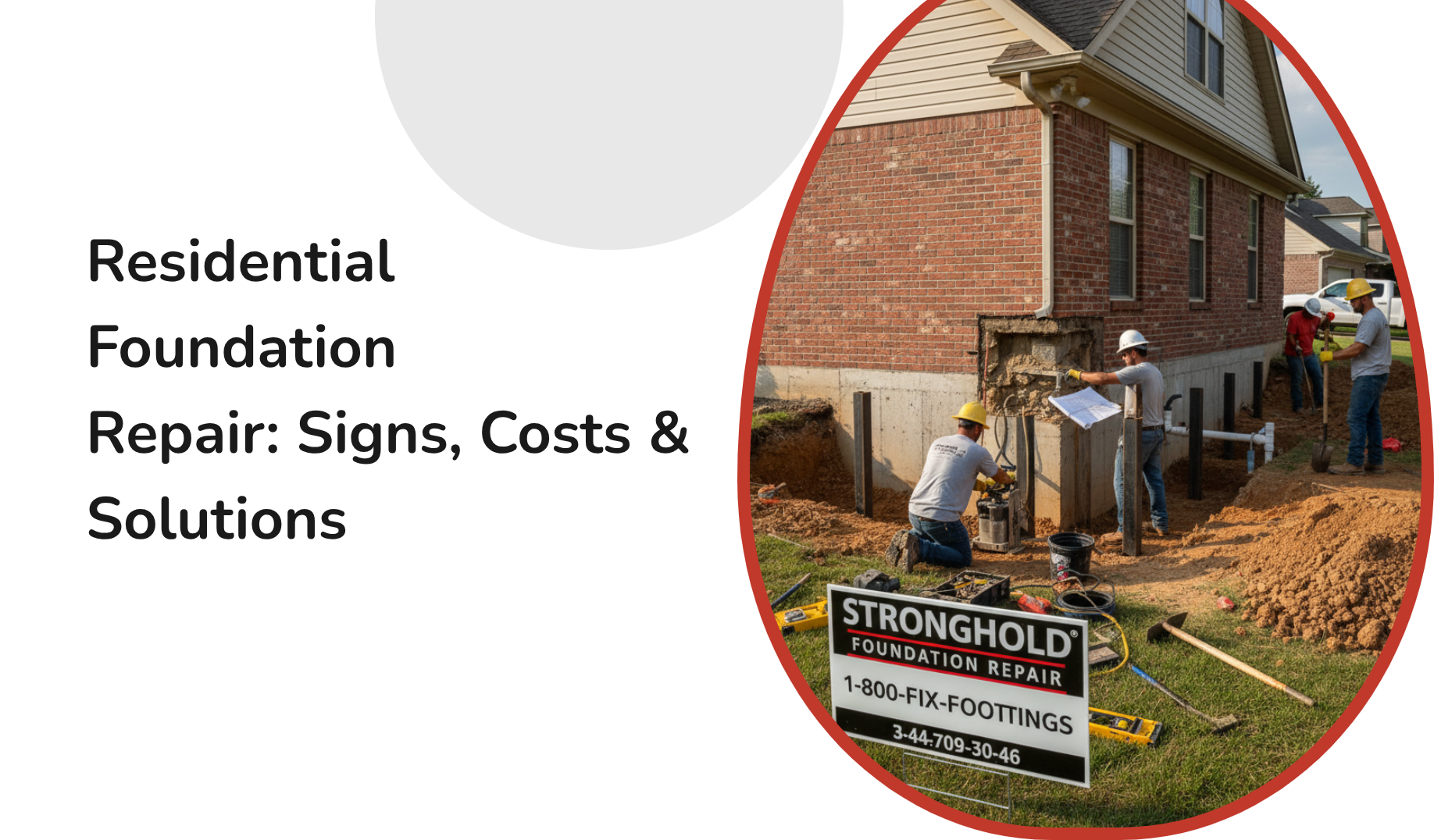
Pier and beam systems represent advanced solutions in residential foundation repair for severe settlement and structural issues. Steel push piers transfer structural loads to stable soil layers or bedrock below problematic surface conditions. Helical piers provide excellent support in various soil conditions through mechanical installation and load distribution. These permanent solutions address underlying causes rather than merely treating surface symptoms of foundation problems.
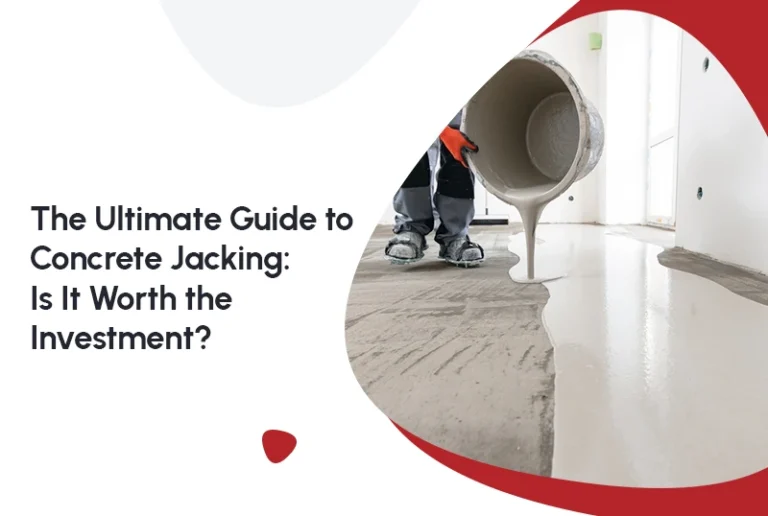
Concrete lifting and leveling techniques offer effective residential foundation repair solutions for slab-on-grade foundations experiencing settlement. Polyurethane foam injection, also known as polyjacking, provides precise lifting and void filling with minimal disruption. Mudjacking using cement-based slurry offers traditional repair methods for appropriate situations. These techniques restore proper foundation elevation and eliminate trip hazards while addressing underlying settlement issues.
Waterproofing and drainage improvements are essential components of comprehensive residential foundation repair addressing moisture-related problems. Interior drainage systems, including French drains and sump pump installation, manage groundwater effectively. Exterior waterproofing membranes, proper grading, and gutter system improvements prevent water infiltration. These solutions work together to create comprehensive moisture management protecting foundations from future water damage.
Critical Signs That You Need Residential Foundation Repair Immediately
Severe foundation issues requiring emergency residential foundation repair include large structural cracks, significant wall bowing, and major floor elevation changes. Gas line damage, plumbing breaks, and electrical system problems caused by foundation movement create immediate safety hazards. Water intrusion, severe structural settling, and foundation wall collapse represent emergency situations requiring immediate professional intervention. Delaying repairs in these situations risks property damage and personal safety concerns.
Cost Factors Involved in Residential Foundation Repair Projects
Multiple variables influence residential foundation repair costs, making professional assessment essential for accurate project budgeting. Repair method selection, foundation type, accessibility, and local labor costs significantly impact total project expenses. Soil conditions, drainage improvements, and permit requirements add complexity and cost considerations. Homeowners should obtain multiple qualified estimates and understand warranty coverage before proceeding with major foundation work and financial commitments.
Minor residential foundation repair projects typically cost significantly less than major structural interventions and emergency repairs. Crack sealing, minor settling correction, and basic waterproofing represent lower-cost solutions for early-stage problems. However, delaying necessary repairs often leads to exponentially higher costs and more extensive damage. Investing in professional assessment and early intervention provides better long-term value than postponing needed foundation maintenance and repair work.
Insurance coverage for residential foundation repair varies significantly depending on policy terms and damage causation factors. Most standard homeowner policies exclude foundation issues caused by settling, soil conditions, or maintenance-related problems. However, sudden damage from covered perils like plumbing breaks may qualify for coverage. Homeowners should review their policies carefully and consider additional coverage options for comprehensive foundation protection and financial security.
How to Choose the Right Residential Foundation Repair Contractor
Selecting qualified contractors is crucial for successful residential foundation repair projects and long-term property protection. Licensed professionals with specialized foundation experience provide superior results compared to general contractors. Verify insurance coverage, bonding status, and local business registration before hiring any foundation specialist. Check Better Business Bureau ratings, online reviews, and request references from recent customers to evaluate contractor reliability and workmanship quality.
Comprehensive written estimates are essential for evaluating residential foundation repair contractors and project scope accurately. Quality contractors provide detailed explanations of problems, proposed solutions, materials specifications, and project timelines. Beware of door-to-door salespeople, high-pressure tactics, and unusually low bids that may indicate inferior materials or workmanship. Request warranty information, financing options, and permit handling procedures before making final contractor selection decisions.
Advanced Technologies in Modern Residential Foundation Repair
Modern residential foundation repair incorporates advanced diagnostic technologies for accurate problem assessment and solution development. Laser levels, ground-penetrating radar, and soil testing equipment provide precise data about foundation conditions and underlying causes. 3D scanning and structural analysis software help engineers develop optimal repair strategies. These technologies improve repair accuracy, reduce project timelines, and ensure long-lasting solutions for complex foundation problems.
Innovative materials and techniques continue advancing residential foundation repair effectiveness and longevity for homeowners nationwide. High-strength polymer injection systems provide superior crack sealing and structural reinforcement compared to traditional methods. Carbon fiber reinforcement systems strengthen foundation walls without extensive excavation. Advanced waterproofing membranes and drainage materials offer improved moisture protection and system durability for comprehensive foundation protection solutions.
Environmental considerations increasingly influence residential foundation repair methods and material selection in sustainable construction practices. Low-impact repair techniques minimize landscape disruption and reduce project waste generation. Environmentally friendly materials and energy-efficient solutions support green building initiatives while maintaining structural integrity. Sustainable drainage systems and permeable materials help manage stormwater while protecting foundations from moisture-related damage and environmental impact.
Smart monitoring systems represent the future of residential foundation repair maintenance and early problem detection for homeowners. Wireless sensors monitor foundation movement, moisture levels, and soil conditions continuously throughout the year. Mobile apps provide real-time alerts and historical data tracking for proactive maintenance scheduling. These systems enable early intervention before minor issues become major problems requiring extensive and expensive repair work.
Preventive Measures to Avoid Future Foundation Problems
Proper drainage maintenance significantly reduces future residential foundation repair needs through effective moisture management around your property. Clean gutters regularly, ensure downspouts direct water away from foundations, and maintain proper grading slopes. Install drainage systems where needed and address pooling water immediately to prevent soil erosion and hydrostatic pressure. Regular landscape maintenance and tree management help maintain stable soil conditions around foundation perimeters.
Consistent moisture control helps minimize soil movement that leads to residential foundation repair requirements over time. Maintain steady soil moisture through appropriate irrigation during dry periods while avoiding overwatering that creates instability. Install soaker hoses around foundation perimeters during drought conditions to prevent excessive soil shrinkage. Monitor and adjust sprinkler systems to avoid directing water toward foundations while maintaining healthy landscaping and stable soil conditions.
Regional Considerations for Foundation Repair
Geographic location significantly influences residential foundation repair needs, methods, and timing based on local climate and soil conditions. Areas with expansive clay soils require specialized approaches different from sandy or rocky soil regions. Coastal areas face unique challenges from saltwater exposure and hurricane damage requiring specific materials and techniques. Understanding regional factors helps homeowners select appropriate contractors and maintenance strategies for their specific environmental conditions.
Local building codes and regulations impact residential foundation repair procedures, permits, and contractor requirements in different jurisdictions nationwide. Municipal inspection requirements, engineering specifications, and warranty standards vary significantly between regions and local authorities. Homeowners should understand local requirements before beginning foundation projects to ensure compliance and avoid costly delays. Working with local contractors familiar with regional codes ensures proper permitting and regulatory compliance.
Long-term Foundation Maintenance Strategies
Developing comprehensive maintenance plans helps homeowners avoid major residential foundation repair expenses through proactive care and regular monitoring. Schedule annual foundation inspections by qualified professionals to identify potential problems before they become serious issues. Document baseline conditions with photographs and measurements to track changes over time. Maintain detailed records of repairs, improvements, and maintenance activities for warranty purposes and future reference.
Seasonal maintenance routines support long-term foundation stability and reduce residential foundation repair needs throughout different weather conditions. Spring inspections should focus on winter damage assessment and drainage system functionality after freeze-thaw cycles. Summer maintenance emphasizes moisture management and soil stability during hot, dry conditions. Fall preparation includes gutter cleaning, drainage verification, and landscape preparation for winter weather protection and foundation preservation.
Professional maintenance relationships provide ongoing support for foundation health and early problem detection beyond initial residential foundation repair projects. Establish relationships with qualified foundation specialists, structural engineers, and drainage contractors for comprehensive property care. Regular professional assessments, maintenance contracts, and emergency service availability ensure rapid response when problems develop. These relationships provide peace of mind and professional expertise when foundation issues arise.
Investment in quality residential foundation repair and maintenance protects property values while ensuring family safety and structural integrity. Well-maintained foundations support home values, reduce insurance risks, and provide stable living environments for families. Professional repairs with quality materials and proper warranties offer long-term value compared to temporary fixes or deferred maintenance. Understanding foundation care as an investment rather than an expense supports better decision-making and property stewardship.
Frequently Asked Questions
What are residential foundation repair?
Residential foundation repair encompasses various methods and techniques used to restore the structural integrity of a home’s foundation. These repairs address issues like cracks, settling, bowing walls, and water damage that can compromise your home’s stability. Common repair methods include crack injection, underpinning, slab jacking, pier installation, and waterproofing. Foundation repairs can range from simple cosmetic fixes for minor cracks to major structural reinforcement requiring excavation and professional engineering. The type of repair needed depends on factors like soil conditions, foundation type (slab, crawl space, or basement), severity of damage, and underlying causes. Professional assessment is crucial to determine the appropriate repair method and ensure long-term effectiveness.
Why do residential foundation repair happen?
Foundation problems occur due to various environmental and structural factors. Soil movement is the primary cause, including expansion and contraction from moisture changes, poor drainage, and unstable soil conditions. Clay soils are particularly problematic as they expand when wet and shrink when dry. Poor construction practices, inadequate drainage systems, and insufficient soil preparation during building can also lead to foundation issues. Other causes include tree roots growing too close to the foundation, plumbing leaks, improper grading that directs water toward the house, and natural settling over time. Extreme weather conditions like droughts, heavy rains, and freeze-thaw cycles can accelerate foundation problems. Understanding these causes helps homeowners take preventive measures.
How serious are residential foundation repair?
Foundation problems can range from minor cosmetic issues to serious structural threats requiring immediate attention. Minor hairline cracks may be purely aesthetic, while larger cracks, uneven floors, stuck doors and windows, or visible wall separation indicate more serious problems. Severe foundation issues can compromise your home’s structural integrity, leading to costly damage throughout the house including cracked walls, damaged flooring, and roof problems. Foundation problems can also significantly impact your home’s value and make it difficult to sell. Additionally, foundation issues often worsen over time if left untreated, making early intervention crucial. The severity depends on factors like crack size, location, rate of progression, and underlying causes. Professional evaluation is essential to assess the true extent of damage.
When should I worry about residential foundation repair?
You should be concerned about foundation issues when you notice warning signs like cracks wider than 1/4 inch, horizontal cracks in basement walls, doors and windows that stick or won’t close properly, uneven or sloping floors, gaps between walls and ceilings, or visible foundation settling. Water-related signs like basement flooding, musty odors, or white chalky residue on walls also indicate problems. Act quickly if cracks are growing rapidly, if you notice new cracks appearing frequently, or if multiple symptoms occur simultaneously. Seasonal changes that cause doors to stick or floors to become uneven warrant attention. Don’t ignore small issues hoping they’ll resolve themselves, as foundation problems typically worsen over time and become more expensive to repair when left untreated.
Can residential foundation repair be repaired?
Yes, most foundation problems can be effectively repaired using various proven methods. Minor cracks can be sealed with epoxy or polyurethane injection, while more serious structural issues may require underpinning with piers or piles. Slab jacking can lift and level sunken concrete, and wall anchors or carbon fiber reinforcement can stabilize bowing basement walls. Waterproofing solutions address moisture problems, while proper drainage systems prevent future issues. The key to successful repair is accurate diagnosis and choosing the appropriate method for the specific problem. However, repair success depends on factors like soil conditions, severity of damage, and quality of workmanship. Some extremely severe cases may require partial foundation replacement, but complete reconstruction is rarely necessary. Professional contractors can assess your situation and recommend the most effective repair strategy.
How much does it cost to fix residential foundation repair?
Foundation repair costs vary significantly based on the type and extent of damage, repair method needed, and regional labor costs. Minor crack repairs typically range from $300 to $800, while major structural repairs can cost $10,000 to $40,000 or more. Pier installation usually costs $1,000 to $3,000 per pier, with most homes needing multiple piers. Slab jacking ranges from $500 to $1,500 per affected area, and basement wall stabilization costs $4,000 to $12,000. Waterproofing systems range from $2,000 to $10,000 depending on complexity. Factors affecting cost include accessibility, soil conditions, permit requirements, and extent of excavation needed. While expensive, foundation repairs are often less costly than the structural damage that occurs if problems are left untreated. Get multiple quotes from licensed contractors for accurate pricing.
Will residential foundation repair get worse?
Yes, foundation problems typically worsen over time if left untreated. Soil movement, water infiltration, and structural stress continue to affect the foundation, causing existing cracks to expand and new problems to develop. What starts as a minor cosmetic crack can evolve into a serious structural issue requiring extensive repairs. The rate of deterioration depends on factors like soil conditions, climate, drainage, and the original cause of the problem. Seasonal freeze-thaw cycles, wet and dry periods, and ongoing soil movement accelerate damage progression. Additionally, foundation problems often create secondary issues throughout the house, including wall cracks, floor damage, and plumbing problems. Early intervention is crucial because repairs become more complex and expensive as damage progresses. Addressing foundation issues promptly not only saves money but also prevents additional structural damage to your home.