Residential foundation repair is one of the most critical home maintenance issues that property owners face, requiring immediate attention when structural problems arise. Foundation damage can compromise your home’s safety, value, and livability if left untreated. Understanding the warning signs, repair methods, and professional solutions available helps homeowners make informed decisions about protecting their most valuable investment. Early intervention in residential foundation repair typically costs less than extensive reconstruction projects.
Foundation problems develop gradually over time due to various environmental and structural factors that affect your home’s stability. Soil movement, water damage, poor drainage, and natural settling create stress points that weaken foundation materials. Temperature fluctuations, tree root growth, and construction defects also contribute to foundation deterioration. Recognizing these underlying causes enables homeowners to address issues before they require major residential foundation repair interventions that disrupt daily life.
Warning Signs That Indicate Residential Foundation Repair Needs
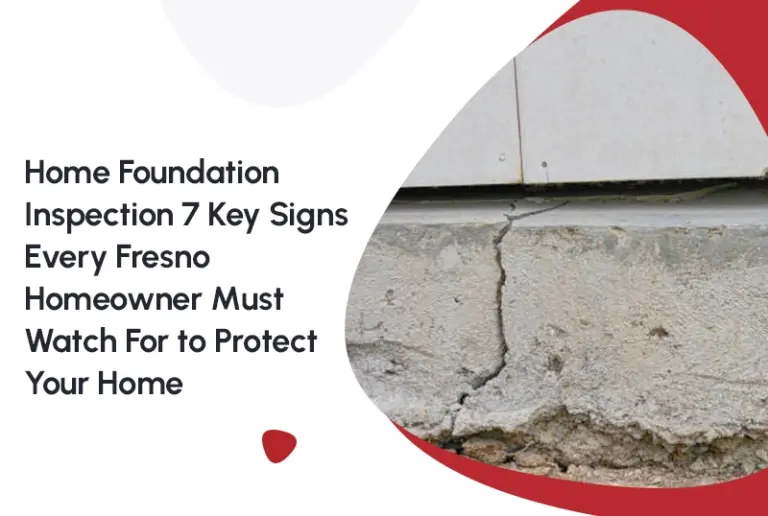
Visible cracks in walls, floors, or exterior foundation materials serve as primary indicators that residential foundation repair may be necessary. Interior signs include doors and windows that stick, uneven floors, and gaps between walls and ceilings. Water intrusion, musty odors in basements, and bowing walls represent serious structural concerns requiring immediate professional evaluation. These symptoms often appear gradually, making regular home inspections essential for early detection of foundation problems.
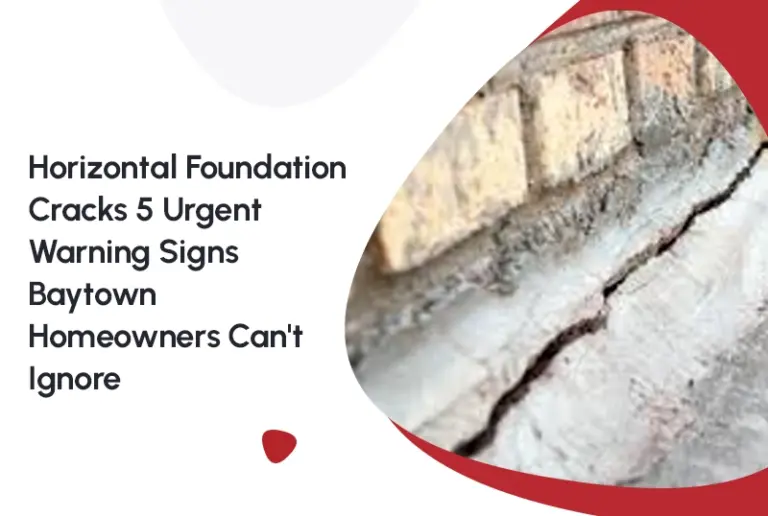
Exterior warning signs include foundation cracks wider than a quarter-inch, separation between foundation and siding, and uneven settling around your home’s perimeter. Chimney tilting, porch separation, and landscape changes near foundation walls indicate significant structural movement. Standing water around your foundation, especially after rainfall, suggests drainage problems that accelerate foundation deterioration. Professional residential foundation repair specialists recommend addressing these issues promptly to prevent escalation into major structural failures.
Homeowners facing foundation issues should document all visible damage with photographs and measurements before contacting repair professionals. Many insurance policies exclude foundation damage, making it important to explore financing options including HUD home repair and improvement programs that assist qualified applicants with necessary repairs. Detailed documentation helps repair specialists develop accurate assessments and cost estimates. Early residential foundation repair intervention prevents minor issues from becoming expensive structural emergencies that threaten your home’s integrity.
Professional Assessment Methods for Residential Foundation Repair
Licensed foundation specialists use advanced diagnostic tools and techniques to evaluate structural damage and determine appropriate residential foundation repair solutions. Laser levels, soil analysis, and structural engineering assessments provide comprehensive data about foundation movement patterns. Ground-penetrating radar identifies subsurface issues, while moisture meters detect water intrusion problems affecting foundation stability. These professional evaluations ensure repair strategies address root causes rather than surface symptoms alone.
Structural engineers play crucial roles in complex residential foundation repair projects by analyzing load-bearing capacity and recommending appropriate reinforcement methods. Engineering reports document existing damage, identify contributing factors, and outline comprehensive repair specifications for contractors. Professional assessments also determine whether foundation problems affect overall structural integrity requiring additional reinforcement measures. These detailed evaluations protect homeowners from inadequate repairs that fail to address underlying structural deficiencies causing ongoing foundation movement.
Soil testing reveals important information about ground conditions affecting foundation stability and guides residential foundation repair strategy selection. Clay soils expand and contract with moisture changes, while sandy soils may lack sufficient bearing capacity for heavy structures. Professional geotechnical analysis identifies optimal repair methods based on local soil characteristics and environmental factors. Understanding soil conditions helps contractors select appropriate materials and techniques for long-lasting foundation repairs that withstand local environmental challenges.
Comprehensive foundation inspections include evaluation of drainage systems, grading, and water management around your property’s perimeter. Poor drainage accelerates foundation deterioration by creating hydrostatic pressure against foundation walls and causing soil instability. Professional assessments identify necessary improvements to gutters, downspouts, and landscape grading that complement residential foundation repair efforts. Addressing water management issues prevents future foundation damage and extends the lifespan of repair investments significantly.
Common Residential Foundation Repair Methods and Techniques
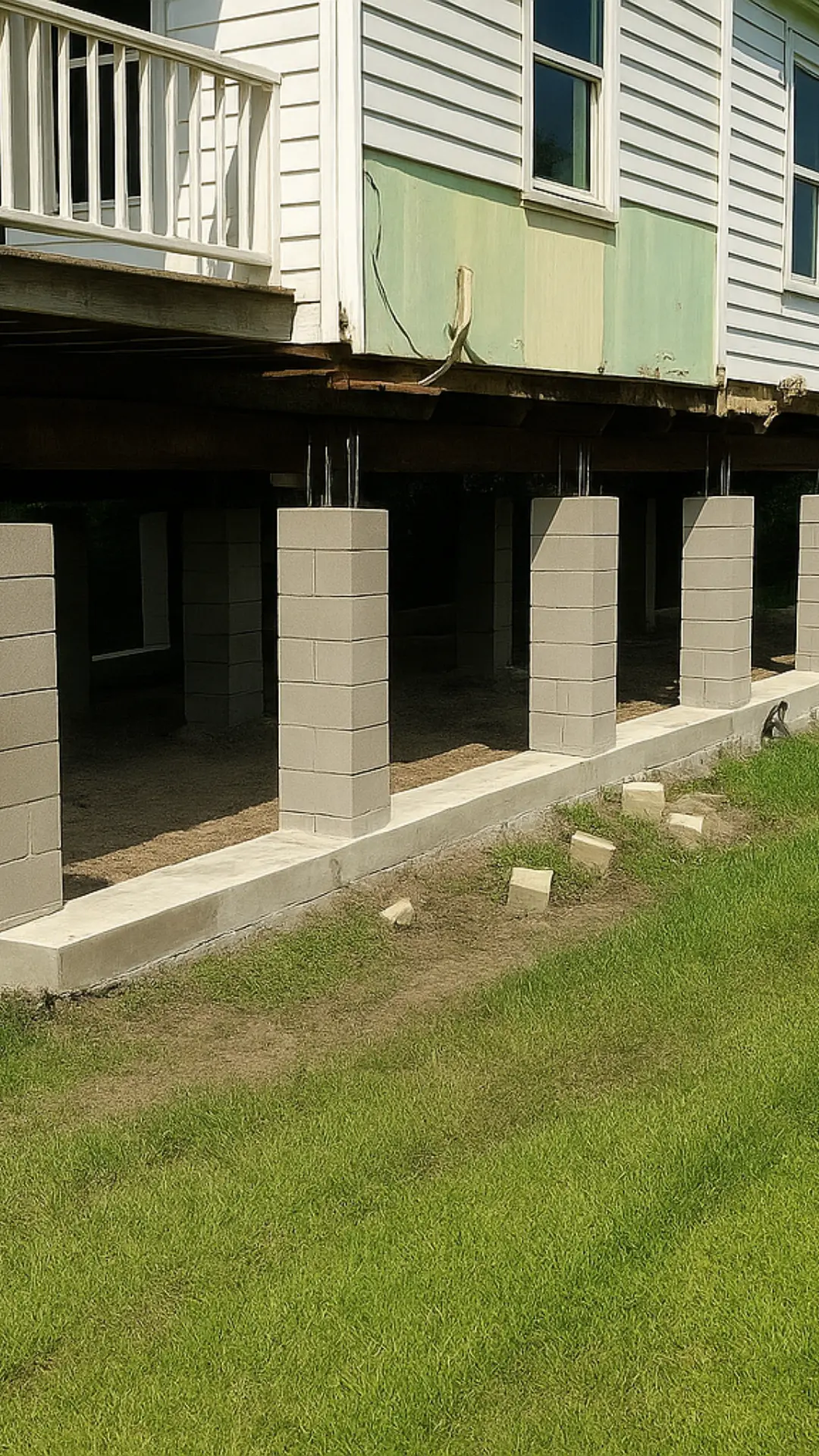
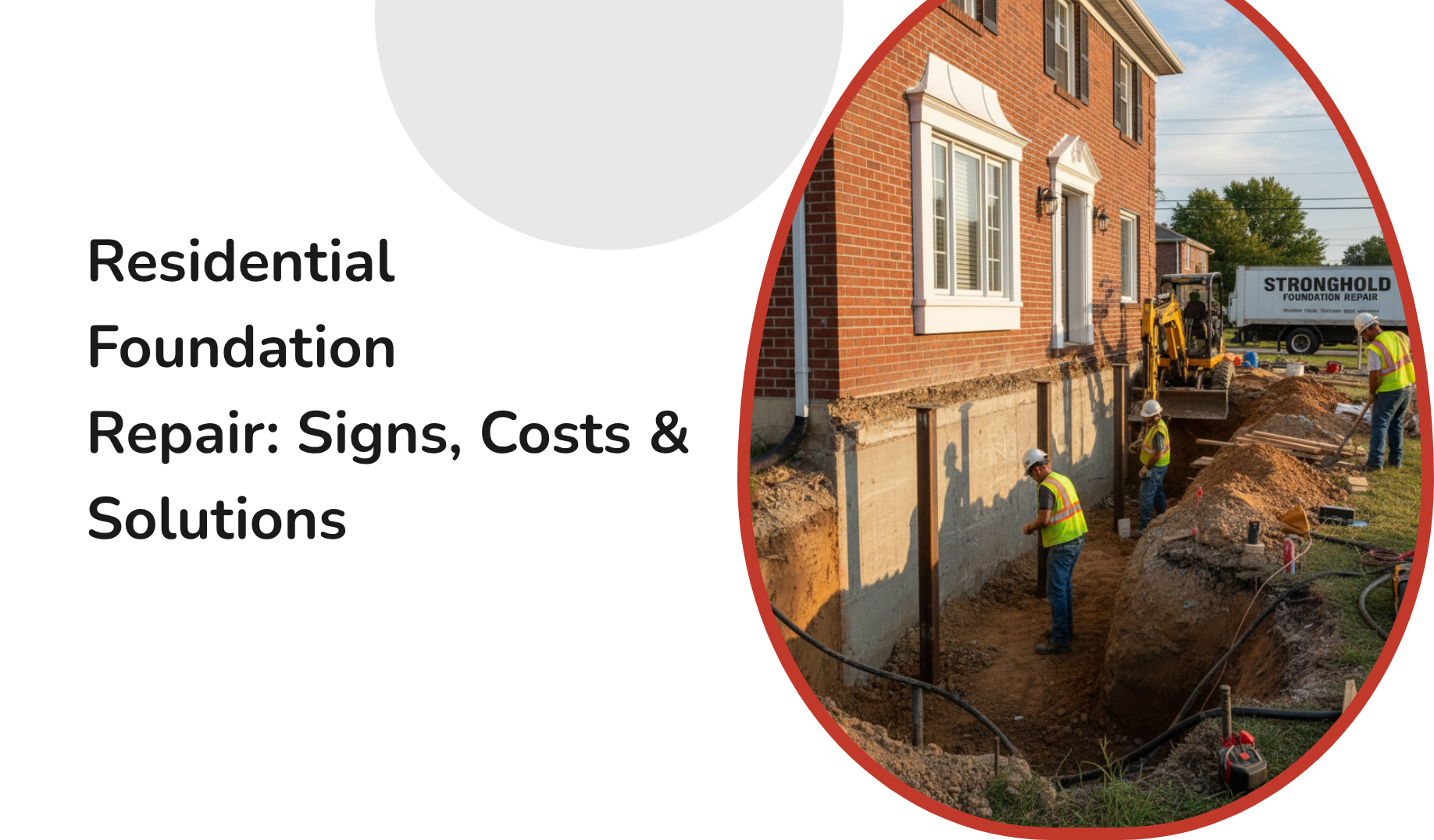
Underpinning represents one of the most effective residential foundation repair methods for addressing significant settling and structural instability issues. This technique involves extending foundation depth or width to reach more stable soil layers using steel piers, concrete piers, or helical piers. Professional contractors drill deep into stable soil or bedrock to create permanent support systems that transfer structural loads away from unstable foundation areas. Underpinning provides long-term solutions for homes experiencing ongoing settlement problems.
Slab jacking, also known as mudjacking or concrete lifting, offers cost-effective residential foundation repair solutions for sunken concrete slabs and minor settlement issues. This process involves injecting specialized grout or polyurethane foam beneath affected areas to raise and level foundation sections. Modern polyurethane injection methods provide lightweight, waterproof solutions that cure quickly and resist future settlement. Slab jacking works effectively for driveways, sidewalks, and basement floors experiencing minor to moderate settling problems.
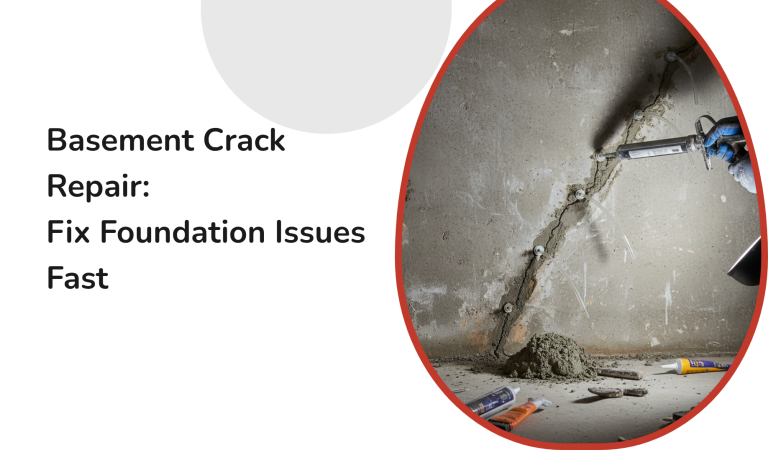
Crack injection techniques address foundation wall cracks using epoxy or polyurethane materials that restore structural integrity and prevent water intrusion. Professional residential foundation repair specialists select appropriate injection materials based on crack characteristics, wall thickness, and environmental conditions. Structural crack repairs must comply with FEMA building science and structural standards ensuring repairs meet safety requirements for residential structures. Proper crack injection prevents water damage while restoring foundation wall strength and stability.
Advanced Residential Foundation Repair Solutions
Residential foundation repair represents a crucial investment in your property’s structural integrity, safety, and long-term value that requires professional expertise and quality materials. Addressing foundation issues promptly prevents minor problems from escalating into major structural failures that threaten occupant safety and require extensive reconstruction. Professional repair services provide permanent solutions that restore confidence in your home’s stability while preserving your most valuable asset for future generations to enjoy.
Drainage and Waterproofing in Foundation Repair
Steel push piers provide permanent residential foundation repair solutions for homes experiencing significant settlement on unstable soils. These deep foundation systems transfer structural loads to competent bearing strata or bedrock, effectively stopping settlement and often lifting structures back to original positions. Professional installation requires specialized hydraulic equipment to drive piers to required depths and capacities. Steel pier systems offer lifetime warranties and represent excellent investments for homes requiring permanent foundation stabilization solutions.
Helical pier systems excel in residential foundation repair applications where access limitations or soil conditions make traditional piers impractical. These screw-type anchors install with compact equipment in tight spaces and provide immediate load-bearing capacity upon installation. Helical piers work effectively in various soil types and offer precise load control during installation. This versatility makes helical pier systems ideal for residential foundation repair projects with challenging site conditions or accessibility constraints.
Wall anchor systems address bowing or leaning foundation walls by providing lateral support that prevents further inward movement. These residential foundation repair systems use steel plates and tie-back anchors to stabilize damaged walls without extensive excavation. Professional installation ensures proper anchor placement and tensioning for optimal structural performance. Wall anchor systems offer cost-effective alternatives to complete foundation wall replacement while providing long-term stability for structurally compromised foundation walls.
Choosing a residential foundation repair Expert
Proper drainage systems form essential components of comprehensive residential foundation repair projects by addressing water management issues that contribute to foundation damage. French drains, foundation drains, and sump pump systems redirect water away from foundation walls, reducing hydrostatic pressure and soil instability. Professional contractors integrate drainage improvements with foundation repairs to prevent future water-related damage. Effective water management extends foundation repair longevity and protects basement spaces from moisture intrusion and flooding issues.
Exterior waterproofing membranes provide additional protection during residential foundation repair projects by creating impermeable barriers against water intrusion. These systems include excavation, surface preparation, membrane application, and protective drainage boards that channel water to drainage systems. Professional waterproofing installations require proper surface preparation and material selection based on soil conditions and climate factors. Quality exterior waterproofing systems significantly reduce foundation water damage risks and basement moisture problems.
More on residential foundation repair
Interior waterproofing solutions offer alternative approaches when exterior excavation is impractical during residential foundation repair projects. These systems include interior drain tiles, sump pumps, and vapor barriers that manage water intrusion from inside basement spaces. Professional installation requires adherence to safety protocols including CDC NIOSH silica dust safety for concrete workers during concrete cutting and drilling operations. Interior waterproofing provides effective moisture control when combined with proper foundation repair methods and exterior drainage improvements.
Basement dehumidification systems complement residential foundation repair efforts by maintaining optimal moisture levels that prevent mold growth and structural damage. These systems include whole-house dehumidifiers, ventilation improvements, and moisture monitoring equipment that protect foundation materials from humidity-related deterioration. Professional climate control installations ensure proper sizing and placement for maximum effectiveness. Controlling basement humidity levels preserves foundation repair investments and creates healthier living environments for occupants.
Foundation leveling services address structural settlement issues that create uneven floors and compromised building stability in residential properties. Professional House Leveling Houston specialists use advanced techniques including steel piers, concrete piers, and slab lifting to restore proper foundation elevation. These residential foundation repair services require precise measurements and engineering calculations to achieve optimal results. Proper foundation leveling eliminates structural stress points while restoring architectural integrity and property value for homeowners.
Preventive maintenance programs help homeowners avoid major residential foundation repair expenses by addressing minor issues before they escalate into structural problems. Regular inspections, drainage maintenance, and moisture control measures protect foundation investments long-term. Professional maintenance services include crack monitoring, soil moisture management, and drainage system cleaning that preserve foundation stability. Proactive maintenance approaches cost significantly less than emergency foundation repairs while maintaining home value and structural integrity throughout ownership periods.
Cost Factors in Residential Foundation Repair Projects
Several factors influence residential foundation repair costs including damage extent, repair method selection, site accessibility, and local labor rates. Minor crack repairs may cost hundreds of dollars, while extensive underpinning projects can require tens of thousands in investment. Professional contractors provide detailed estimates based on thorough inspections and engineering assessments of structural conditions. Understanding cost variables helps homeowners budget appropriately and select repair solutions that balance effectiveness with financial considerations for their specific situations.
Specialized repair techniques often require unique equipment and materials that affect residential foundation repair pricing significantly. Advanced methods like Under Slab Tunneling for utility access during repairs involve sophisticated equipment and specialized expertise that influence project costs. Complex repairs requiring engineering oversight, permits, and extended construction timelines typically cost more than straightforward stabilization projects. Professional contractors explain cost factors clearly, helping homeowners understand value propositions for different repair approaches available for their specific foundation issues.
Selecting Professional Foundation Repair Contractors
Choosing qualified residential foundation repair contractors requires careful evaluation of licensing, insurance coverage, experience levels, and customer references from completed projects. Reputable contractors provide written estimates, warranty information, and clear timelines for project completion. Professional organizations and Better Business Bureau ratings offer valuable insights into contractor reliability and customer satisfaction records. Selecting experienced contractors ensures quality workmanship and long-term satisfaction with foundation repair investments for residential properties.
Contract terms should clearly specify work scope, materials, timeline, warranty coverage, and payment schedules for residential foundation repair projects. Quality contractors explain repair methods, answer questions thoroughly, and provide references from recent projects in your area. Professional contracts include change order procedures, cleanup responsibilities, and dispute resolution processes that protect both parties. Clear communication and detailed documentation prevent misunderstandings while ensuring successful completion of foundation repair projects.
Maintaining Your Investment After Foundation Repair
Post-repair maintenance ensures long-term success of residential foundation repair investments by protecting against future damage and preserving structural improvements. Professional services like Concrete Slab Foundation Repair often include maintenance recommendations specific to repair methods used in your project. Regular monitoring of repair areas, drainage system maintenance, and moisture control help preserve foundation stability. Following professional maintenance guidelines maximizes repair longevity while protecting your property investment from future foundation problems and expensive emergency interventions.
Landscaping modifications may be necessary after residential foundation repair to prevent future damage from poor drainage or root systems near foundation walls. Professional landscapers familiar with foundation protection create beautiful outdoor spaces that complement repair efforts rather than threaten foundation stability. Proper grading, plant selection, and irrigation design protect foundation investments while enhancing property aesthetics. Coordinating landscaping with foundation professionals ensures outdoor improvements support rather than undermine structural repair efforts.
Regular inspection schedules help homeowners monitor residential foundation repair effectiveness and identify potential issues before they require additional professional intervention. Monthly visual inspections of repair areas, seasonal drainage system checks, and annual professional evaluations preserve foundation investments long-term. Documentation of inspection findings helps track foundation performance over time. Proactive monitoring approaches enable early detection of problems while repairs remain under warranty coverage from professional contractors.
Insurance considerations may affect coverage for future foundation issues after completing residential foundation repair projects on your property. Some policies exclude pre-existing conditions while others may provide coverage for new damage unrelated to previous issues. Understanding policy terms and maintaining documentation of completed repairs protects homeowners financially. Professional contractors often provide documentation suitable for insurance purposes, helping homeowners navigate coverage questions and maintain protection for their property investments.
Frequently Asked Questions
What are the most common signs that my home’s foundation needs repair?
Several warning signs indicate foundation problems requiring professional attention. Look for cracks in walls, especially stair-step cracks in brick or block walls, horizontal cracks in basement walls, or diagonal cracks above doors and windows. Other indicators include doors and windows that stick or won’t close properly, uneven or sagging floors, gaps between walls and ceilings or floors, and exterior signs like cracks in the foundation itself or separation between the foundation and walls. You might also notice water intrusion in basements, tilting chimneys, or cabinets pulling away from walls. If you observe multiple symptoms, contact a foundation specialist immediately as early intervention prevents more extensive and costly damage.
How much does foundation repair typically cost?
Foundation repair costs vary significantly based on the severity of damage, repair method, and location. Minor crack repairs might cost $300-$800, while major structural repairs can range from $3,000-$15,000 or more. Underpinning with piers typically costs $1,000-$3,000 per pier, with most homes needing 6-12 piers. Basement wall stabilization ranges from $4,000-$12,000. Factors affecting cost include soil conditions, accessibility, home size, and local labor rates. While expensive, foundation repairs are crucial investments that prevent further structural damage and maintain property value. Most reputable contractors offer free inspections and detailed estimates. Consider getting multiple quotes and verify that contractors are licensed, insured, and offer warranties on their work.
What causes foundation problems in residential homes?
Foundation problems stem from various factors, with soil-related issues being primary causes. Expansive clay soils that swell when wet and shrink when dry create significant foundation movement. Poor drainage around the home leads to water accumulation, causing soil erosion or hydrostatic pressure against basement walls. Plumbing leaks, both from supply lines and sewer systems, can wash away supporting soil. Other causes include inadequate initial construction, such as insufficient footings or poor compaction, tree roots growing too close to foundations, natural settling over time, extreme weather conditions like droughts or excessive rainfall, and seismic activity. Poor grading that directs water toward the foundation rather than away also contributes to problems.
Can I repair foundation cracks myself or should I hire a professional?
While minor cosmetic cracks might seem manageable for DIY repair, foundation issues typically require professional expertise. Small, hairline cracks in concrete foundations can sometimes be sealed with appropriate caulk or concrete crack filler, but this only addresses symptoms, not underlying causes. However, any crack wider than 1/4 inch, horizontal cracks, stair-step cracks, or cracks that are growing require professional evaluation. Foundation repair involves understanding soil conditions, structural engineering principles, and proper waterproofing techniques. Professionals have specialized tools, materials, and experience to identify root causes and implement lasting solutions. Attempting DIY repairs on significant foundation issues can worsen problems and void insurance coverage. The cost of professional assessment is minimal compared to potential damage from improper repairs.
How long does foundation repair typically take to complete?
Foundation repair duration depends on the scope and complexity of work required. Minor crack repairs or waterproofing might take 1-2 days, while major structural repairs involving underpinning or pier installation typically require 3-7 days. Extensive projects addressing multiple issues could take several weeks. Factors affecting timeline include weather conditions, accessibility to work areas, permit requirements, and material delivery schedules. Basement wall repairs and drainage system installations generally take 2-5 days. Preparation work like excavation might add time, especially if utility lines need relocation. Most contractors provide realistic timelines during initial consultations. While lengthy repairs can be disruptive, rushing foundation work compromises quality. Reputable contractors balance efficiency with thoroughness, ensuring proper curing time for materials and following manufacturer specifications for optimal long-term performance.
Will foundation repair affect my home’s resale value?
Professional foundation repair typically maintains or enhances home value when properly documented and warranted. Unrepaired foundation issues significantly decrease property value and can make homes unsellable, as most buyers and mortgage lenders require structural soundness. Quality repairs with transferable warranties demonstrate responsible homeownership and provide buyer confidence. However, disclosure requirements vary by location, so consult real estate professionals about local regulations. The key is using reputable contractors who provide detailed documentation, warranties, and follow building codes. Preventive repairs are more valuable than emergency fixes. Foundation problems discovered during inspections often lead to sale delays or price reductions, making proactive repair financially wise. Choose established contractors with strong reputations, as buyer perception of repair quality matters for resale value.
What warranty should I expect from foundation repair work?
Reputable foundation repair contractors typically offer warranties ranging from 10-25 years, with lifetime warranties available from some companies. Warranty coverage should include both materials and workmanship, protecting against settlement, structural movement, or repair failure. Quality contractors often provide transferable warranties that benefit future homeowners, adding resale value. Warranty terms vary by repair type: pier systems often carry longer warranties than crack repairs or waterproofing. Read warranty documents carefully, understanding what’s covered, exclusions, and maintenance requirements. Some warranties require annual inspections or specific maintenance to remain valid. Avoid contractors offering unusually short warranties or no warranty coverage, as this indicates poor confidence in their work. Verify the company’s stability and longevity, as warranties are only valuable if the business remains operational. Document all work with photos and keep all paperwork for warranty claims.