A sinking foundation is one of the most common, yet alarming, structural problems homeowners face. It usually begins subtly—small cracks in the walls, tiny gaps around windows, or a floor that feels slightly uneven. But over time, these small signs can escalate into significant structural issues that threaten the stability and safety of your home. The real question is: How serious are sinking foundation problems, and what should you do about them?
In this comprehensive guide, we will break down everything you need to know—causes, warning signs, risks, repair options, and preventive measures. The goal is to simplify the information while providing actionable steps. We’ll also briefly touch on related structural repair services such as foundation repair in Baytown, house leveling in Baytown, and pier and beam foundation repair in Baytown so you can connect the dots and make informed decisions.
What Is a Sinking Foundation?
A sinking foundation occurs when the soil beneath your home begins to shift, erode, or compress, causing the structure to sink or settle unevenly. This can happen gradually over time or more suddenly, depending on the underlying cause.
The foundation of your home relies entirely on the soil beneath it. If that soil becomes unstable due to environmental changes or improper construction, the weight of the structure will push down into the ground, leading to uneven settlement.
This type of problem is common in homes built on expansive clay soils, which can expand or shrink depending on moisture levels. Other contributing factors, like poor drainage or improperly compacted soil, can also cause the foundation to sink.
Common Causes of a Sinking Foundation
Sinking foundations don’t happen overnight; they result from various factors that interact with the home’s foundation. Some of the most common causes include:
1. Expansive or Weak Soil
Expansive soils, which are rich in clay, absorb moisture and expand when wet. When the soil dries out, it contracts, causing the foundation to shift. This constant cycle of expansion and contraction can create significant stress on your foundation, eventually leading it to sink.
2. Poor Drainage Around the Foundation
Water is one of the most significant contributors to a sinking foundation. Without proper drainage, water can pool around the foundation, eroding the soil beneath. This weakens the soil’s ability to support the foundation, leading to sinking or uneven settling.
3. Soil Erosion
Erosion can be caused by heavy rains, improper landscaping, or plumbing leaks. Water seeping into the ground over time can wash away the soil beneath your foundation, leading to voids that cause the foundation to settle unevenly.
4. Poor Compaction of Soil
When a foundation is built on poorly compacted soil, it doesn’t have a stable base to sit on. Over time, this soil will compress under the weight of the structure, causing the foundation to sink.
5. Heavy Structural Loads
In some cases, the foundation may sink due to the weight of the house itself or because of additional heavy loads. For example, large extensions, heavy furniture, or machinery placed on the foundation can increase the pressure on the soil beneath, causing it to compress or shift.
How Serious Are Sinking Foundation Problems?
The seriousness of a sinking foundation depends on how severe the settlement is, how quickly it progresses, and the type of foundation your home has. In the early stages, minor settlement might seem like a small issue. But if left unchecked,it can develop into a major structural problem.
1. Minor Settlement
- Signs: Small cracks in drywall, minor separation around windows or doors, or slight unevenness in floors.
- Impact: At this stage, the issue is typically cosmetic, and while it requires attention, it is not a major safety concern. However, without addressing the cause, this can worsen.
2. Moderate Settlement
- Signs: Larger cracks in walls or ceilings, sticking doors and windows, noticeable slopes in floors, or doors and windows failing to close properly.
- Impact: This level of settlement can significantly impact the structural integrity of your home. At this point, it’s crucial to take professional action to prevent further damage.
3. Severe Settlement
- Signs: Large horizontal or stair-step cracks, separation between the foundation and the walls, major sloping of floors, and serious misalignment of doors and windows.
- Impact: A severely sinking foundation can pose significant structural and safety risks. Immediate foundation repair is needed to avoid the collapse of parts of the house or complete instability.
Early Warning Signs of a Sinking Foundation
It’s important to catch sinking foundation problems early to prevent expensive repairs. The signs of foundation issues often start small and gradually worsen over time. Keep an eye out for these early warning signs:
1. Cracks in Walls or Ceilings
Small cracks near door frames or in ceilings are often one of the first signs of a sinking foundation. Over time, these cracks may grow larger or multiply as the foundation continues to shift.
2. Uneven Floors and Sloping Surfaces
A sloped or uneven floor is one of the more noticeable signs of a sinking foundation. You may notice that furniture tilts or objects roll off tables, which is a sign that the foundation is settling unevenly.
3. Sticking Doors and Windows
When a foundation sinks, the frames of doors and windows can become misaligned, making them difficult to open or close. If you find that doors or windows are suddenly sticking or not closing properly, this may be a sign that the foundation is shifting.
4. Gaps Around Windows, Doors, or Exterior Walls
As the foundation settles unevenly, gaps will appear around the doors, windows, or exterior walls. These gaps may become more prominent over time.
5. Separation in Exterior Brick or Siding
Visible gaps between bricks or sections of siding are a clear sign that the foundation is no longer supporting the structure evenly. This separation can lead to further cracking and damage if left unaddressed.
Solutions for Sinking Foundations
If you notice any of the early warning signs of a sinking foundation, it’s essential to address the problem before it worsens. Here are some repair solutions to consider:
1. Foundation Repair in Baytown
For moderate to severe sinking foundations, foundation repair in Baytown may be necessary. The most common method involves using piering techniques to stabilize and lift the foundation. Professional contractors will drill piers deep into stable soil to support the sinking foundation.
2. House Leveling in Baytown
In some cases, house leveling in Baytown can provide an effective solution to fix an uneven foundation. This process involves raising the entire structure back to level, followed by stabilization of the foundation to prevent future settlement. This method is particularly useful for homes with uneven settling or sinking.
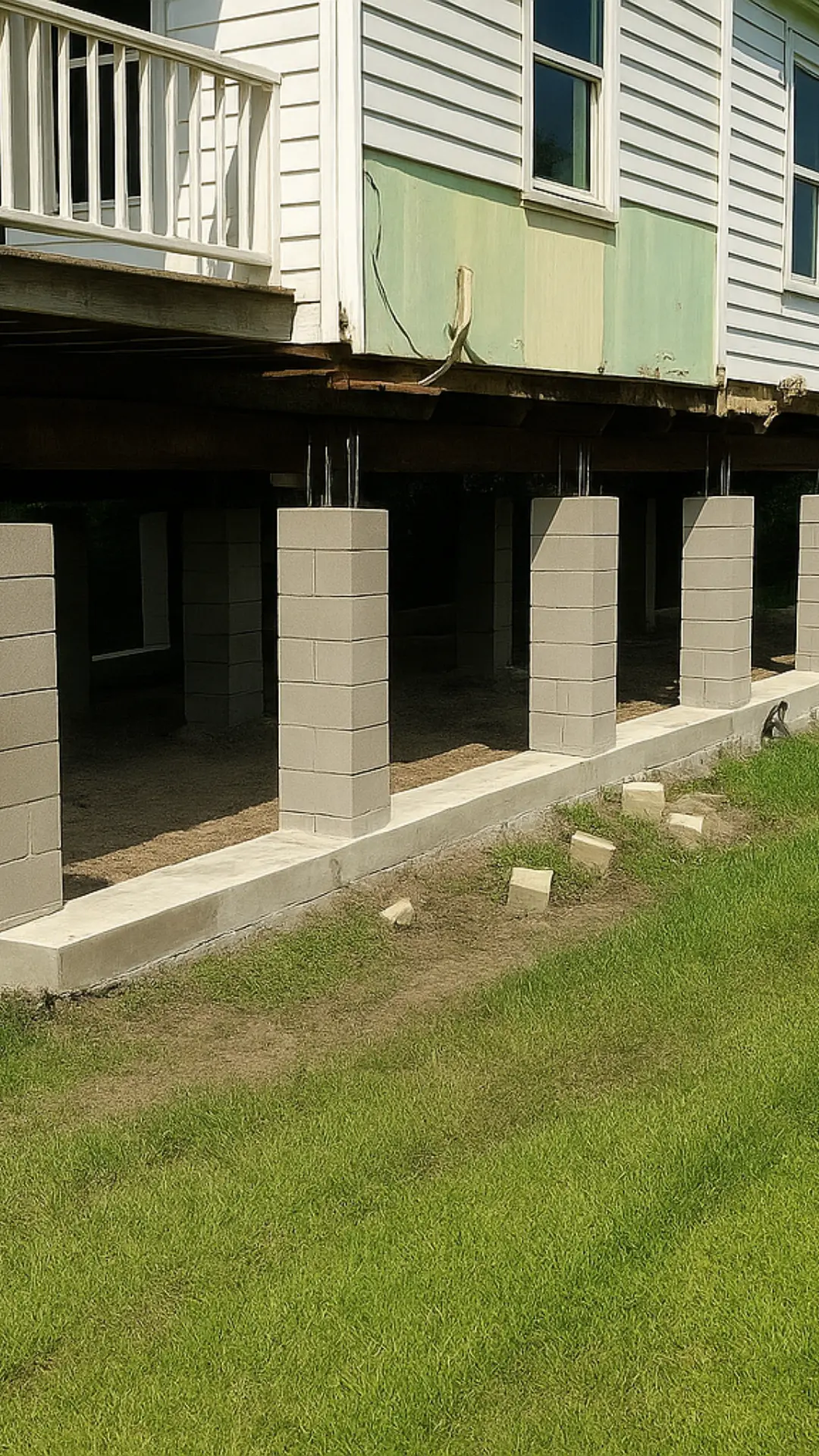
3. Pier and Beam Foundation Repair in Baytown
For older homes with a pier and beam foundation, sinking may require specialized repair methods. Pier and beam foundation repair in Baytown typically involves replacing or stabilizing the piers and beams that support the home. This method is highly effective in providing long-term stability for older homes that may be prone to shifting.
Preventing Future Sinking Foundation Problems
While fixing a sinking foundation is critical, preventing future issues is just as important. Here are some preventive measures to keep your foundation stable:
1. Improve Drainage Around the Foundation
Ensure that water drains away from your home’s foundation. Install gutters, downspouts, and French drains to keep water from pooling and eroding the soil underneath.
2. Maintain Consistent Soil Moisture
During dry periods, water the soil around the foundation to prevent it from shrinking. Too much moisture can lead to soil expansion, and too little can cause it to contract. Keeping the soil around the foundation at a consistent moisture level can help maintain stability.
3. Seal Cracks Early
Seal small cracks in your foundation as soon as they appear. This will help prevent water from entering and causing further damage to the foundation.
4. Level Your Yard
Ensure that the soil around your home slopes away from the foundation. A well-leveled yard helps direct rainwater and moisture away from the base of the house.
5. Annual Foundation Inspections
Routine inspections will help catch minor issues before they become major problems. Schedule annual inspections to monitor the condition of your foundation.
Conclusion
A sinking foundation is a serious issue that can lead to significant structural damage if not addressed early. While minor sinking may seem like a small issue, it’s crucial to recognize the warning signs and act quickly. Professional solutions like foundation repair in Baytown, house leveling in Baytown, or pier and beam foundation repair in Baytown can restore the stability of your home and prevent further damage.
By addressing the problem early and taking preventive measures, you can protect your home from the risks of foundation issues and ensure its safety for years to come.
FAQs
1. How Much Does It Cost to Fix a Sinking Foundation?
The cost of fixing a sinking foundation can vary depending on the severity of the issue, the repair method chosen, and the home’s location. On average:
- Minor repairs such as crack filling or surface-level repairs may cost between $500 and $1,500.
- Piering or underpinning (which involves installing piers or pushing the foundation back up) can cost anywhere from $3,000 to $10,000, depending on the number of piers and the complexity of the installation.
- For severe sinking or full foundation replacement, the cost can range from $20,000 to $50,000+.
The type of soil, accessibility, and the extent of the sinking all influence the final price. It’s recommended to get a few estimates from licensed professionals.
2. Does Homeowners Insurance Cover a Sinking Foundation?
Most standard homeowners insurance policies do NOT cover foundation repair related to settling or sinking. This is considered routine wear and tear. However, insurance may cover foundation damage if it is caused by a covered peril, such as:
- Fire
- Earthquake (if separately insured)
- Sudden plumbing failure
- Flooding (with flood insurance)
Some policies may offer additional riders or endorsements for foundation repair Baytown or earthquake coverage, so it’s important to check your specific policy details.
3. How to Fix a Sinking Foundation: The Ultimate Guide for Homeowners
To fix a sinking foundation, follow these general steps:
- Identify the cause: Consult a professional to determine if the problem is caused by soil movement, poor compaction, or water damage.
- Choose the right repair method: Common methods include:
- Piering or Underpinning: This involves installing steel or helical piers under the foundation to lift it back to its original level.
- Slabjacking or Mudjacking: This involves injecting a grout mixture under sunken concrete slabs to raise and level them.
- Helical Piles: These are used when the soil beneath the foundation is too weak to support piers.
- Implement drainage solutions: Ensure proper grading around your foundation and install drainage systems like French drains to prevent water buildup.
- Consult professionals: Always work with licensed contractors who specialize in foundation repair. It’s critical to assess the long-term stability of the home before performing repairs.
4. How Much Foundation Sinking Is Acceptable? What Homeowners Need to Know
A foundation can settle or sink slightly without major issues, but any visible crack larger than ¼ inch or noticeable floor unevenness should be addressed immediately. Generally, a 1–2 inch settlement across an entire foundation is concerning and typically requires repair.
- Minor settlement (under 1 inch): Often does not affect structural integrity.
- Moderate settlement (1–2 inches): May cause cracking and lead to larger issues.
- Severe settlement (over 2 inches): Poses serious risks, and immediate professional intervention is required to avoid structural collapse.
5. What Happens If You Don’t Fix a Sinking Foundation?
If you don’t fix a sinking foundation, the problem will likely worsen over time. The structure will become unstable, causing further cracks, uneven floors, and damaged walls. Eventually, this can lead to:
- Structural collapse in extreme cases
- Water damage from cracks that let moisture in
- Decreased home value and difficulty selling
- Increased repair costs as damage spreads
It’s best to address sinking foundations early to save time, money, and ensure the safety of your home.
6. Is It Cheaper to Raise Concrete or Replace It?
In most cases, raising concrete (through mudjacking or polyjacking) is much cheaper than replacing it.
- Mudjacking costs around $800 to $2,000 per slab, depending on the size and extent of the sinking.
- Concrete replacement can cost $4,000 to $10,000 or more, depending on the area and the amount of work required.
If the concrete is structurally sound and only needs leveling, raising it is often the more cost-effective solution.
7. Can You Replace a Foundation Without Lifting the House?
It is possible to replace a foundation without lifting the entire house, depending on the type of foundation and the extent of the damage. For pier and beam foundations, the beams or piers may need to be replaced or repaired while the house stays in place. For slab foundations, partial replacement or repairs to specific sections can be done without lifting the whole structure, although it is often more complex and time-consuming. Piering or underpinning methods can help stabilize the existing foundation without the need for full replacement, which would involve lifting.