Sloping floors may seem like a minor inconvenience, but they are often a sign of underlying foundation problems. Over time, a home’s foundation may shift, settle, or deteriorate, causing the floors to slope or become uneven. These issues, if left unaddressed, can lead to significant structural damage.
In this blog, we’ll explore the common causes of sloping floors, how they can indicate serious foundation issues, and provide insight into the best ways to fix them. You’ll also learn about the different repair options, including foundation repair, house leveling, and pier and beam foundation repair Fresno, each tailored to address specific foundation challenges.
What Causes Sloping Floors?
Sloping floors typically result from changes or movement within the foundation. Understanding what causes these shifts can help you identify potential solutions. Here are the common causes of sloping floors:
1. Settling Foundation
Over time, the soil beneath your foundation may compress or shift, causing the foundation to sink or settle unevenly. This settling leads to sloping floors, and is especially common in areas with expansive soils (such as clay), which expand and contract with changes in moisture. When the foundation shifts, one side may drop lower than the other, causing your floors to slope.
For foundations experiencing settling, foundation repair Fresno may be needed to lift and stabilize the foundation back to its original position.
2. Poor Drainage and Water Damage
Improper drainage around your foundation can lead to water accumulating around the base of your home. Over time, this moisture can weaken the soil beneath your foundation, erode it, or cause it to shift. This can result in uneven settling, which can lead to sloping floors.
In cases where drainage is a contributing factor, improving the grading around the home and ensuring proper water diversion can help prevent further foundation movement.
3. Soil Movement and Erosion
In areas with expansive soil, moisture fluctuations can cause the ground to shift dramatically. Soil erosion, caused by heavy rains or plumbing leaks, can erode the soil beneath your foundation, leaving it unsupported and causing it to sink.
For homes with significant soil movement, more extensive repairs like house leveling Fresno may be necessary to raise the home and stabilize the foundation.
4. Poor Construction and Soil Compaction
In some cases, foundations were not constructed on properly compacted soil, leading to uneven settling. Over time, this leads to sloping floors and other signs of structural damage. If the home was built on unstable or improperly compacted soil, the foundation will likely continue to shift and settle.
How Sloping Floors Reveal Foundation Problems
Sloping floors are often the first sign of a foundation that is settling or shifting. These seemingly minor issues can indicate more significant structural problems. Here’s how sloping floors can reveal hidden foundation issues:
1. Cracks in the Foundation and Walls
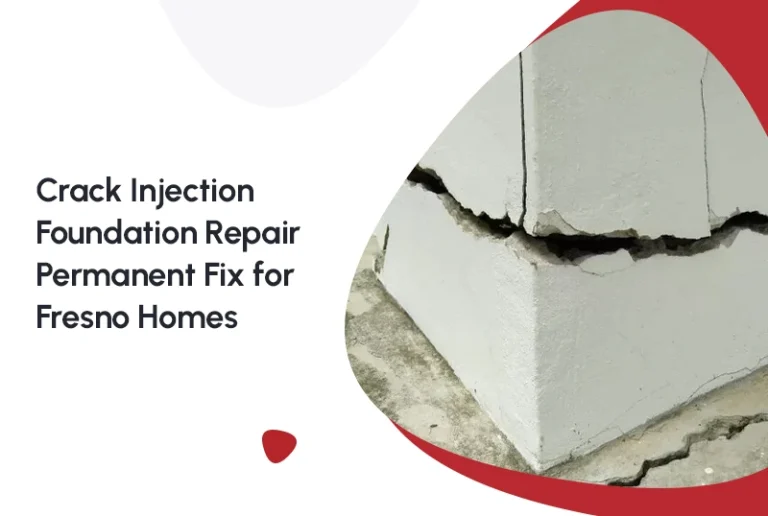
As the foundation shifts, cracks may form in the foundation, walls, and ceilings. These cracks often appear in corners, around windows, and near doors. The size of the cracks will likely increase over time, as the foundation continues to move.
If you notice cracks in your walls, the foundation repair process can stabilize the foundation and prevent further damage.
2. Uneven or Bouncy Floors
If your floors feel uneven or spongy underfoot, it could be an indication that the foundation is compromised. This can happen when the supports under the floor, such as beams or piers, begin to shift or sink. In some cases, this can make the floor feel bouncy, especially in older homes.
For homes experiencing this, pier and beam foundation repair may be needed to replace or reinforce the beams and piers beneath the house, stabilizing the structure.
3. Misaligned Doors and Windows
A shifting foundation often causes doors and windows to become misaligned, preventing them from opening or closing properly. You may notice gaps around the frames, or doors and windows that stick or won’t close completely.
This issue can be resolved through house leveling, which will lift the entire home and restore proper alignment to the doors and windows.
How to Fix Sloping Floors: Solutions and Treatments
Now that we’ve discussed the causes and signs of sloping floors, let’s explore the solutions to fix this problem and restore the stability of your home’s foundation.
1. Foundation Repair
When sloping floors are caused by settling or shifting of the foundation, foundation repair is typically the most effective solution. This involves stabilizing the foundation and lifting it back into place using specialized techniques.
- Hydraulic Lifting: Hydraulic jacks can be used to lift the foundation back into position.
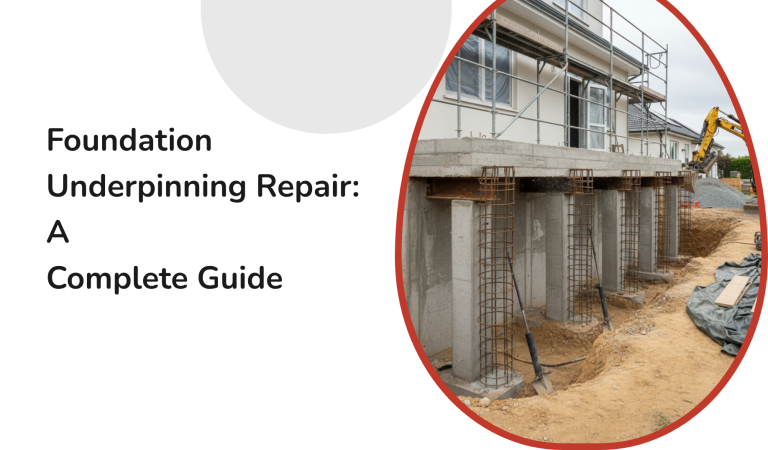
- Helical or Push Piers: These piers are installed deep into the soil to stabilize and lift the foundation. The right method will depend on the severity of the foundation issue and the type of foundation you have.
By stabilizing the foundation, foundation repair prevents further movement and restores the level of the floors.
2. House Leveling
For homes that have experienced significant settlement, house leveling may be necessary. This method involves lifting the entire house back to its original level position using hydraulic jacks or other lifting systems. Once the house is leveled, the foundation is stabilized to prevent further shifting.
This process is particularly useful for homes that have sunk unevenly, and it helps restore the home’s stability and integrity.
3. Pier and Beam Foundation Repair
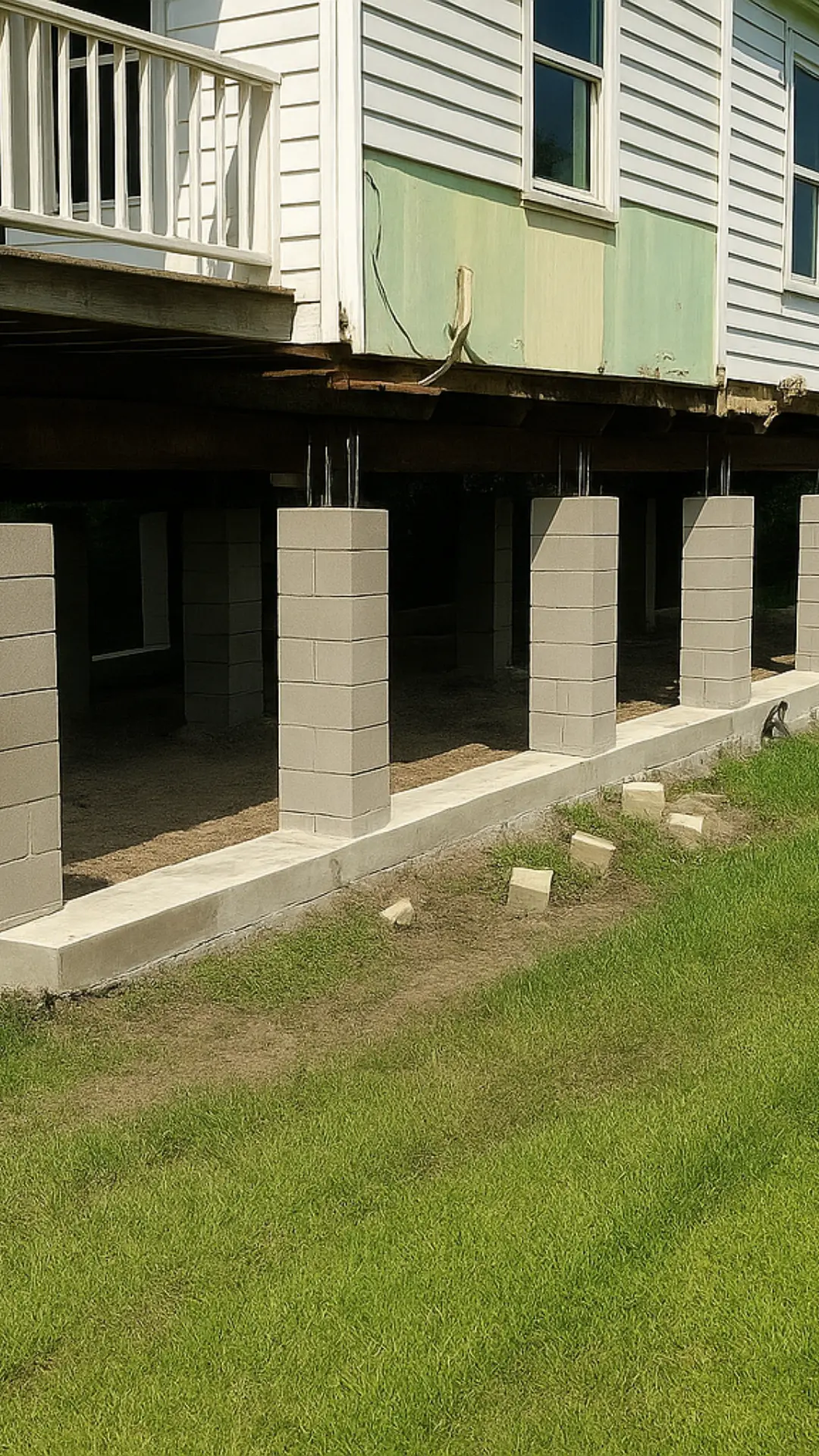
For homes with a pier and beam foundation, sloping floors can be caused by shifting or deteriorating piers and beams. If the piers have sunk or the beams have weakened, pier and beam foundation repair will be necessary to reinforce or replace them.
- Replacing or Reinforcing Piers: If the piers are unstable, they can be replaced with more durable piers to prevent further shifting.
- Replacing Rotten Beams: If the beams are rotting due to moisture, they must be replaced to restore the structural integrity of the home.
Pier and beam foundation repair is essential for ensuring that the support system beneath the home is strong and secure.
Preventing Future Sloping Floors
While repairing sloping floors is critical, preventing future foundation issues is just as important. Here are some strategies to ensure the long-term stability of your home:
1. Improve Drainage Around the Foundation
Ensure that water is directed away from the foundation using proper drainage systems. Installing gutters, downspouts, and French drains can help prevent water from pooling around your home, reducing the risk of erosion and foundation movement.
2. Control Soil Moisture
Maintaining consistent moisture levels around your foundation can help prevent expansion and contraction of the soil. Avoid allowing the soil to become too dry or overly saturated. Installing irrigation systems or moisture barriers can help control moisture levels.
3. Annual Foundation Inspections
Regular foundation inspections can catch potential issues early before they turn into major problems. A professional foundation inspector will be able to identify any signs of settlement, cracking, or shifting that could lead to sloping floors.
Conclusion
Sloping floors are often the first sign of a foundation problem in your home. While the appearance of sloping floors may seem like a minor issue, they can indicate significant structural damage. Identifying the cause of sloping floors early and addressing the root cause with the right solution—such as foundation repair, house leveling, or pier and beam foundation repair—will help prevent further damage and restore the stability of your home.
By taking proactive measures, such as improving drainage and scheduling regular inspections, you can prevent foundation issues from recurring and ensure your home remains stable for years to come.
FAQs
1. When should I be worried about sloping floors?
You should be worried about sloping floors if:
- The slope is noticeable without the need for a level or straightedge.
- The slope has worsened over time (e.g., previously slight, now more pronounced).
- There are cracks in the walls or foundation near the sloped area.
- You notice other symptoms such as sticking doors or windows or visible cracks in the floor or walls.
- The slope affects multiple rooms or stretches over a large area.
- You observe any foundation movement like bowing or tilting.
In these cases, it may indicate structural issues like foundation settling, soil movement, or damage to the floor joists or beams, and you should get a professional assessment.
2. How much floor slope is too much?
A slope of 1/4 inch to 1/2 inch per 10 feet is generally considered normal and may be due to the house settling naturally. However, if the floor slope is greater than 1/2 inch per 10 feet, it may be a sign of significant foundation issues or damage to structural components such as floor joists or beams. The slope should not be noticeable without a level or straightedge in everyday conditions. If the slope exceeds this amount or worsens over time, it’s advisable to have the foundation and flooring structure professionally inspected.
3. Is it normal for old houses to have sloping floors?
Yes, it is normal for older houses to have slight sloping floors, especially those built before modern foundation techniques. Over time, the foundation can settle naturally, causing the floor to slope. Wooden floors in particular are more prone to settling due to moisture changes, aging beams, and shifting soil. However, major slopes or new sloping floors in older homes may signal structural issues that require attention.
4. Can sloping floors be fixed?
Yes, sloping floors can often be fixed, depending on the cause of the slope. Solutions may include:
- Foundation repair: If the slope is caused by foundation settlement, underpinning or piering can stabilize and level the foundation.
- Floor leveling: If the floor itself is uneven due to worn-out or damaged joists, sistering the joists, adding shims, or replacing damaged beams may correct the slope.
- Mudjacking or Polyjacking: If the floor is a concrete slab that has sunk, these techniques can lift and level the slab.
- Adjusting floor framing: For wooden floors with shifted beams or joists, reinforcing or replacing the floor framing can help correct the slope.
The repair method depends on the cause of the sloping and the severity of the problem.
5. How much does it cost to fix sloping floors?
The cost of fixing sloping floors can vary widely based on the underlying issue and the repair method:
- Minor repairs (for simple leveling or cosmetic fixes): $500–$2,000
- Foundation repair (to address soil settling or foundation issues): $3,000–$15,000, depending on the extent of the problem.
- Replacing or reinforcing floor joists: $2,000–$10,000, depending on the size of the area and the materials needed.
- Slabjacking for sinking concrete floors: $800–$3,000 per area.
- Structural underpinning: $5,000–$10,000+ for extensive foundation work.
The total cost will depend on the severity of the slope, the square footage affected, and the type of home (wood framing vs. concrete slab).
6. Does insurance cover sloping floors?
Typically, homeowners insurance does not cover sloping floors unless they are caused by a covered peril, such as earthquake damage, flooding, or a sudden catastrophic event (e.g., a burst pipe). Routine wear and tear, such as settling foundations or minor floor sloping due to soil conditions, is usually excluded. For homes with existing slope issues, it’s best to check your insurance policy for specific coverage or additional riders for structural damage.
7. Should I buy a house with slanted floors?
Buying a house with slanted floors requires careful consideration. Here’s what you need to assess:
- Extent of the slope: Minor slopes are common in older homes and may not pose a significant issue.
- Cause of the slope: If it’s due to foundation settlement, it could be a structural issue requiring costly repairs.
- Structural inspection: Always hire a licensed structural engineer to inspect the home to determine the severity of the slope and whether repairs are needed.
- Potential repair costs: If significant foundation issues are present, you’ll need to factor in the repair cost, which could be substantial.
If the house has only slight sloping that is due to natural settlement or age, and the cost of fixing it is reasonable, it may still be worth purchasing. However, if the slope is part of a larger foundation issue, be cautious as repairs could exceed the value of the property.