Split level houses have become an increasingly popular architectural choice for homeowners across Texas, offering unique design benefits and efficient use of space. However, these distinctive homes come with their own set of foundation challenges that require specialized knowledge and care. If you own a split level house in Tomball or are considering purchasing one, understanding the foundation implications is crucial for protecting your investment.
What Exactly Is a Split Level House?
A split level house is characterized by floors that are staggered at different heights, typically offset by half a story. Unlike traditional homes where all rooms on one floor are at the same level, split level house feature short sets of stairs connecting different living areas. The most common configuration includes three levels: a ground floor entry, a slightly elevated level for bedrooms, and a lower level for family rooms or additional bedrooms.
This architectural style gained popularity in the 1950s and 1960s and has experienced a resurgence in recent years. In Tomball, where lot sizes vary and terrain can be uneven, split level house offer practical solutions for maximizing living space while working with the natural landscape.
The Unique Foundation Challenges of Split Level House
While split level houses offer numerous advantages, their distinctive design creates specific foundation challenges that differ significantly from conventional homes. The primary concern stems from having multiple foundation levels that must work together as a cohesive system while supporting different loads and responding to soil movement.
According to the U.S. Department of Housing and Urban Development, foundation issues are among the most common structural problems in residential properties, and split level house face amplified risks due to their complex foundation systems. The different elevation points create multiple stress zones where settling can occur unevenly, leading to a cascade of structural problems if not addressed promptly.
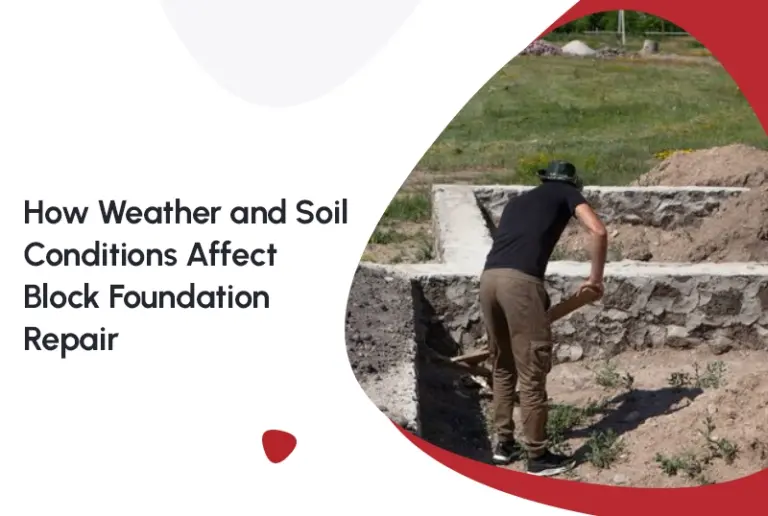
The Texas Gulf Coast region, including Tomball, is known for expansive clay soils that shrink during dry periods and swell when moisture is present. This cyclical movement affects all homes, but split level houses experience this stress across multiple foundation planes simultaneously. The varying depths of foundation elements mean that different sections of the home may respond differently to soil changes, creating differential settlement that can compromise structural integrity.
Recognizing Foundation Problems in Your Split Level Home
Early detection of foundation issues can save thousands of dollars in repair costs. Split level homes exhibit some unique warning signs that homeowners should monitor regularly.
Floor unevenness between levels is one of the most obvious indicators. While split level homes naturally have different floor heights, you shouldn’t notice slopes or sagging within individual floor sections. The transition areas where one level meets another are particularly vulnerable and should be inspected for gaps or separation.
Cracks in walls deserve serious attention, especially those that appear at door or window corners, run diagonally, or form stair-step patterns in brick. These cracks often indicate that one section of the foundation is moving independently from another. Interior drywall cracks that widen over time or reappear after repair suggest ongoing foundation movement.
Doors and windows that suddenly stick or won’t close properly are responding to shifts in the foundation. In split level homes, you might notice these issues more prominently in the transition areas between levels. Exterior doors may require more force to open or close than they once did.
Plumbing problems can also signal foundation distress. If you’re experiencing recurring drain clogs, sewer backups, or unexplained water pooling, the issue may stem from shifted or broken pipes beneath your home.
Foundation Repair Solutions for Split Level Homes in Tomball
Addressing foundation issues in split level houses requires expertise and specialized approaches. At FNF Foundation, we understand that these homes demand careful assessment and tailored solutions that account for their unique structural characteristics.
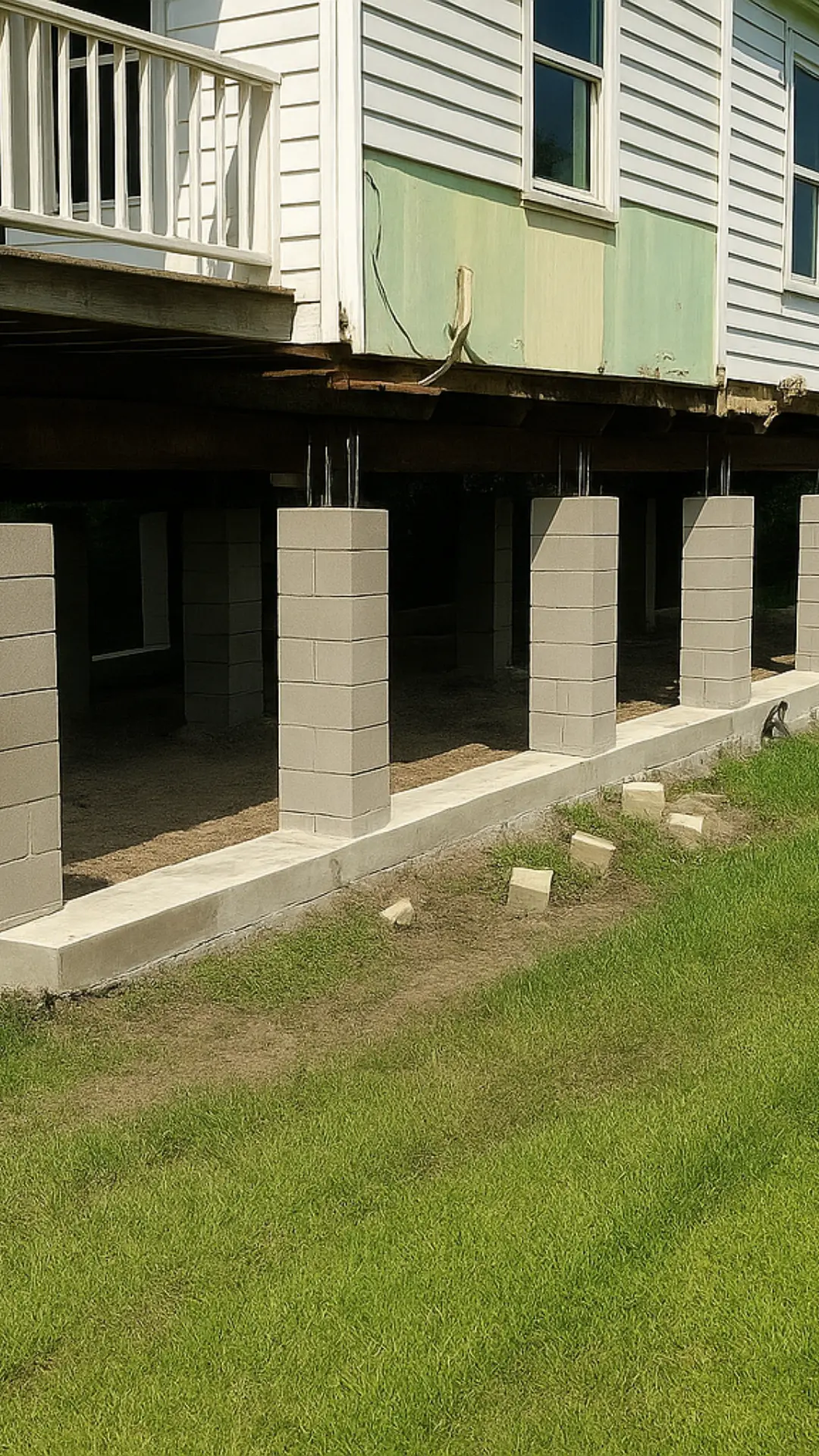
For split level homes with pier and beam foundation repair Tomball needs, our team provides comprehensive stabilization services. Pier and beam foundations, common in older split level house, can experience problems with deteriorating wooden beams, settling piers, or moisture damage in the crawl space. Our repair process involves installing new support piers, replacing damaged beams, and ensuring proper ventilation to prevent future moisture issues. This type of foundation offers the advantage of accessibility for repairs and adjustments, making it possible to level the home without extensive excavation.
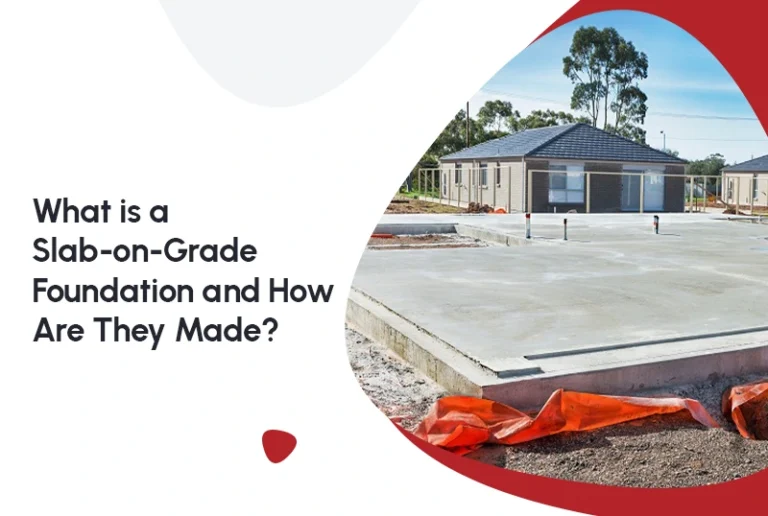
Many split level house in Tomball are built on concrete slab foundations, which present different challenges and require different solutions. When sections of a slab foundation settle or crack, we employ advanced techniques including pressed concrete pilings, steel piers, or helical piers to stabilize and lift the affected areas. The goal is to restore the foundation to its proper level and prevent further movement. Our Foundation Repair Tomball services encompass complete diagnostics, customized repair plans, and long-term monitoring to ensure lasting results.
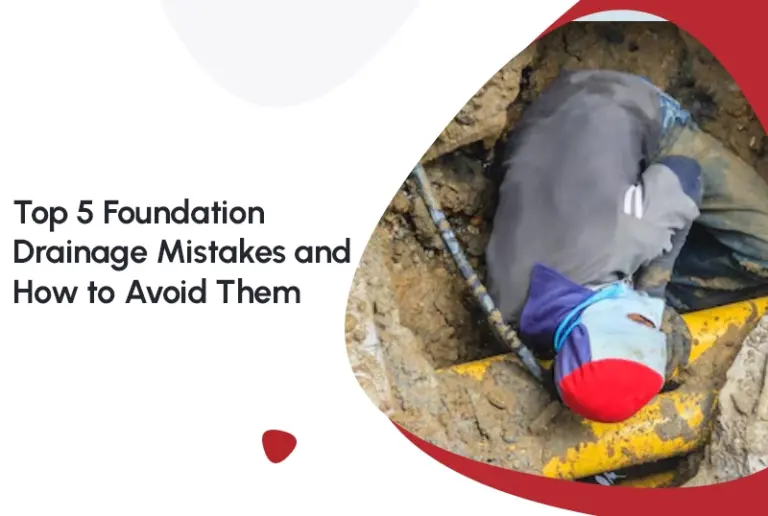
One of the most challenging aspects of split level foundation repair involves accessing plumbing systems beneath concrete slabs. When pipes leak or break under a slab foundation, traditional repair methods would require breaking through the concrete floor, creating extensive damage and disruption. Instead, we offer Under Slab Tunneling Tomball services that allow us to access and repair plumbing without demolishing your floors. This innovative technique involves carefully excavating beneath the slab to reach problematic pipes, making repairs or replacements, and then properly backfilling and stabilizing the area. This approach is particularly valuable in split level homes where multiple plumbing systems may run beneath different foundation sections.
The Importance of Soil and Drainage Management
According to the National Association of Home Builders, proper drainage is one of the most critical factors in maintaining foundation integrity. For split level house, this becomes even more important due to the varying grade levels around the structure.
Ensuring proper grading around your home is essential. The soil should slope away from the foundation at a rate of at least six inches over the first ten feet. Gutters and downspouts must be maintained and should direct water at least five to ten feet away from the foundation.
French drains or other drainage systems may be necessary for split level house where lower sections are particularly vulnerable to water intrusion. These systems collect groundwater and direct it away from the foundation before it can cause problems.
Why Professional Assessment Is Essential?
While homeowners can spot many warning signs of foundation problems, accurately diagnosing the underlying issues requires professional expertise. Split level house add layers of complexity that make DIY assessment risky.
Professional foundation specialists use advanced diagnostic tools including laser levels, elevation surveys, and soil analysis to determine exactly what’s happening beneath your home. For split level houses, this assessment must account for how different foundation sections interact and how repairs to one area might affect another.
The Texas A&M AgriLife Extension Service provides resources on foundation maintenance and emphasizes the importance of working with licensed professionals who understand local soil conditions. Tomball’s specific soil composition creates unique challenges that require localized expertise.
Protecting Your Investment Through Preventive Maintenance
Beyond addressing existing foundation problems, split level homeowners should implement preventive maintenance strategies. Regular inspections, ideally conducted annually, allow you to catch small issues before they become expensive repairs.
Maintain consistent soil moisture around your foundation, especially during Tomball’s hot, dry summers. Expansive clay soils shrink dramatically when dry, pulling away from foundations. Soaker hoses placed around the foundation can provide consistent moisture during drought conditions. However, avoid overwatering, which can reduce soil’s load-bearing capacity.
Tree placement deserves consideration for split level homes. Large trees should be planted at a distance from the foundation equal to their mature height to prevent root interference.
Invest in Your Home’s Structural Future
Split level houses offer wonderful living spaces and unique architectural character, but they require attentive foundation care to remain safe and valuable. Understanding the specific challenges these homes face and recognizing warning signs early can prevent minor issues from becoming structural nightmares.
At FNF Foundation, we’ve built our reputation on providing Tomball homeowners with honest assessments, quality workmanship, and lasting solutions for foundation problems. Whether your split level home needs pier and beam repairs, concrete slab stabilization, or under-slab plumbing access, our experienced team has the knowledge and equipment to restore your foundation’s integrity.
Don’t wait until small cracks become major structural problems. If you’ve noticed any warning signs in your split level home, or if it’s simply been years since your last foundation inspection, contact FNF Foundation today. Our comprehensive evaluation will give you peace of mind and a clear understanding of your home’s foundation health. Protect your investment and ensure your split-level house remains a safe, comfortable home for years to come.
Frequently Asked Questions (FAQ)
1. What makes a house a split-level?
A split-level house features multiple levels, typically with short flights of stairs separating them. The design often includes a lower level, typically a basement, and two levels above it, creating a staggered effect.
2. What are the disadvantages of split-level houses?
Split-level homes can be harder to navigate due to the multiple levels and may feel disjointed. They also tend to have smaller, separated living areas, which some buyers find less desirable.
3. Are split-level houses hard to sell?
Split-level homes can be harder to sell because their unique layout doesn’t appeal to everyone. However, in certain markets where they’re popular, they can sell well if priced and marketed correctly.
4. What’s the difference between a split-level and a bilevel house?
A split-level house has three or more levels with staggered floors, while a bilevel house typically has only two levels. The bilevel design is simpler, with a split between the basement and the upper floors.
5. Are split-level houses outdated?
Split-level homes were more common in the mid-20th century but are not necessarily outdated. They still appeal to buyers looking for unique, retro homes, but they may not be as popular as other modern designs.
6. What are the common problems with split-level homes?
Common issues include uneven temperature control due to the multiple levels, leading to inefficiency. The stairs can also be a challenge, particularly for families with young children or elderly residents.
7. Are split-level homes making a comeback?
Split-level homes are not experiencing a widespread comeback, but they remain popular in certain markets. With growing interest in mid-century modern homes, some buyers are choosing to renovate and maintain split-level properties.